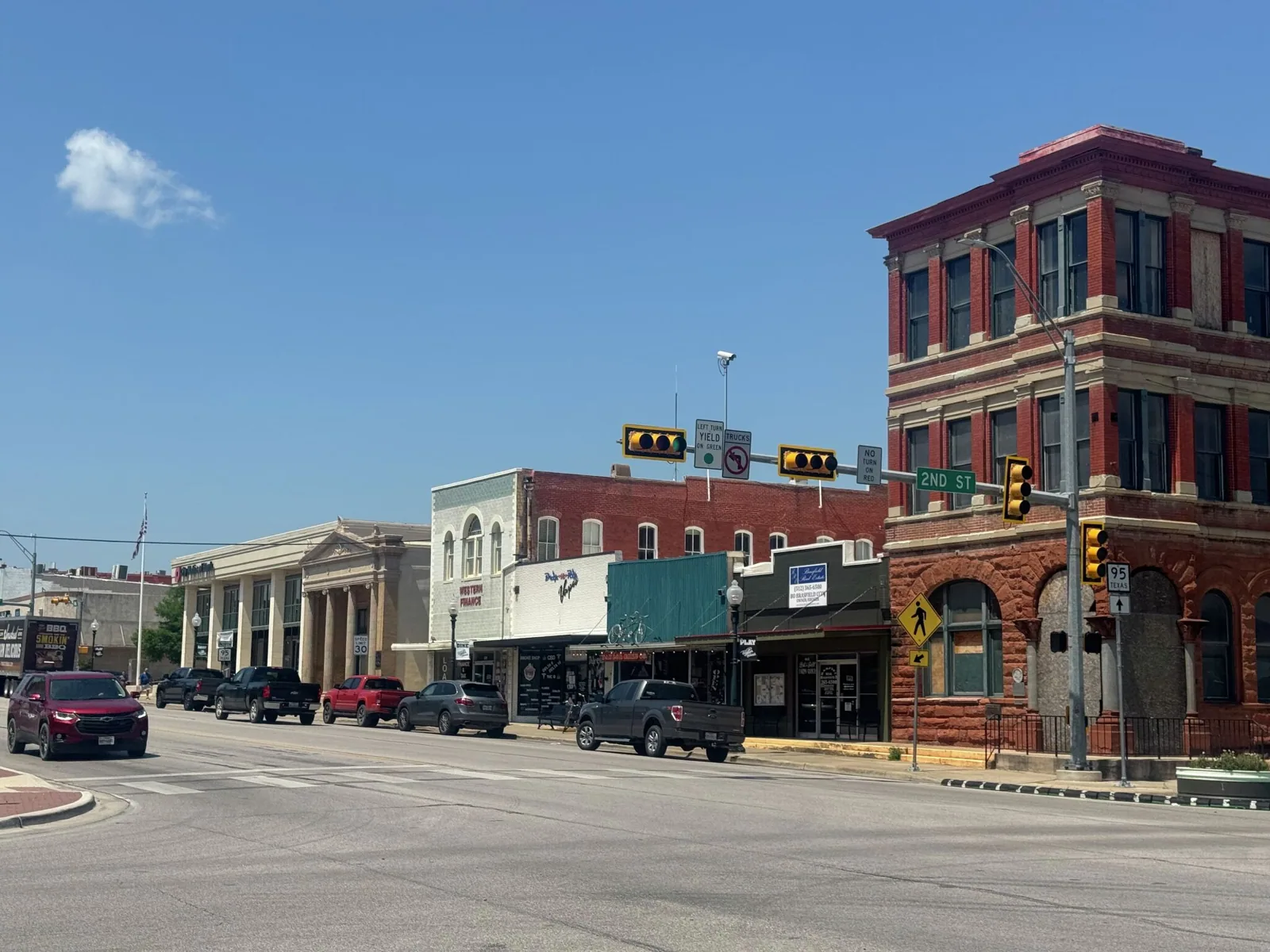
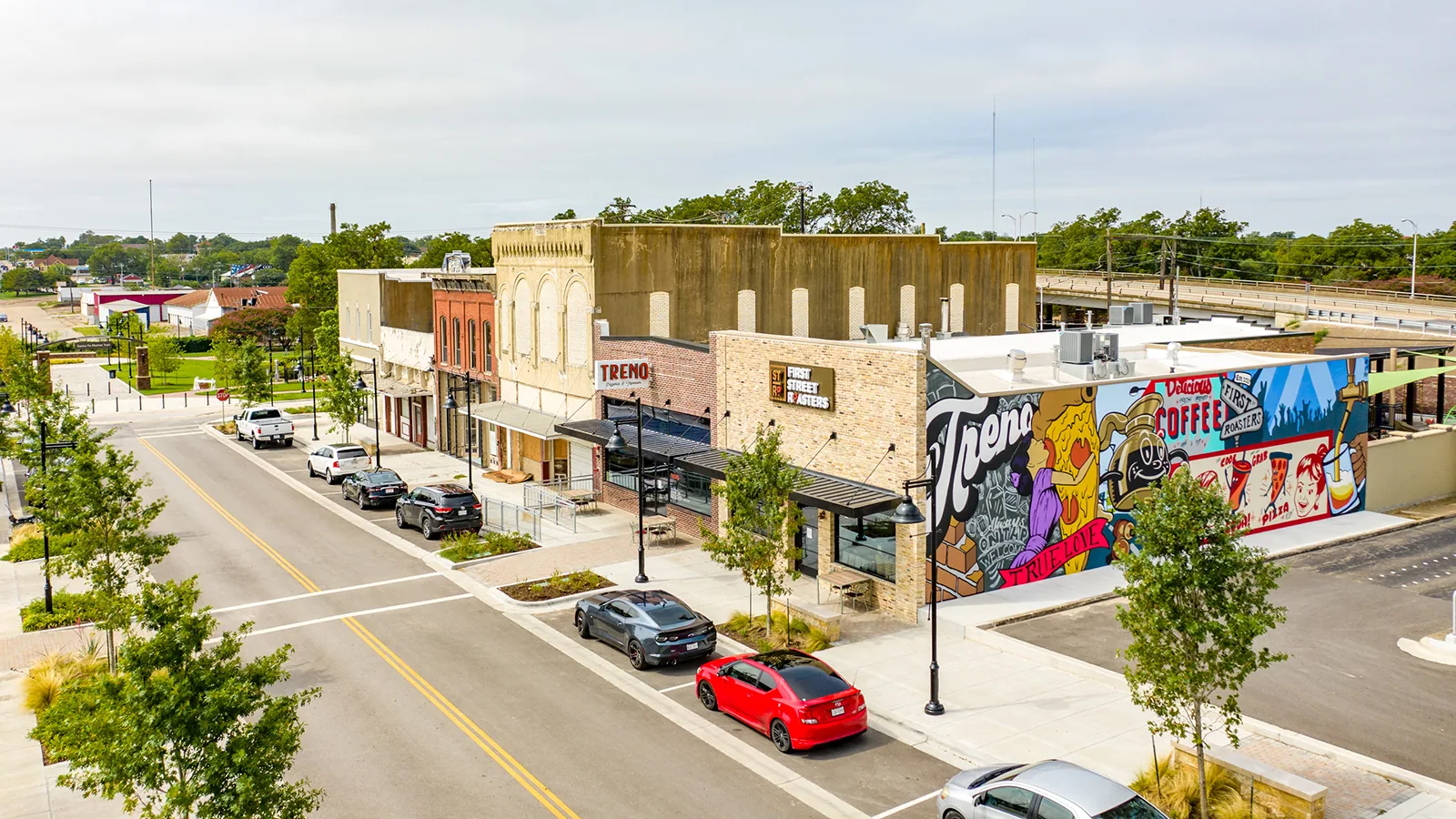
Retail and Restaurant Chains
Which location loses its roof first when the next line of storms comes through, and how does the regional manager hear about it? A chain with stores or restaurants in Temple, TX holds roofs on strip centers, outparcels and standalone buildings, often under different landlords and different leases. When the May 22, 2024 storm hit, the weather service survey recorded damage at restaurants, shops, banks and strip malls. That list reads like a chain's real estate schedule, and it explains why a roofing record has to be portable between sites. A regional manager who opens the file for a store in Temple should see the same headings, the same photograph angles and the same ranking language that appear in the file for a store in another city.
We run the job in the order the brand needs. The make-safe step keeps customers dry and the doors open. The intake record documents the failure point. The permanent scope waits for a moisture survey, and the first page marks which items fall to the landlord and which to the tenant.
What Happens in the First Hour at a Store or Restaurant?
A manager calls the regional office, the regional office calls facilities and facilities calls us. We ask where the water shows, whether it is over the sales floor, the kitchen or the back of house, and whether any customer area is at risk. A crew installs a tarp, a temporary patch or a cleared drain and photographs the roof first. For a restaurant, the crew avoids rooftop exhaust and grease areas until the kitchen is ready.
The note to facilities lists the failure, the action taken, the remaining risk and the next visit. The note is written so it can be forwarded to a landlord.
The same hour includes a short check of the other stores that share the roof or the same weather. If a strip center holds three tenants under one membrane, the crew looks at all three suites and tells the regional office whether anyone else has water. If the leak is at a standalone building, the crew checks the other drains and curbs on the same roof before leaving, since a second leak can trail the first by days.
Who Pays: Landlord or Tenant?
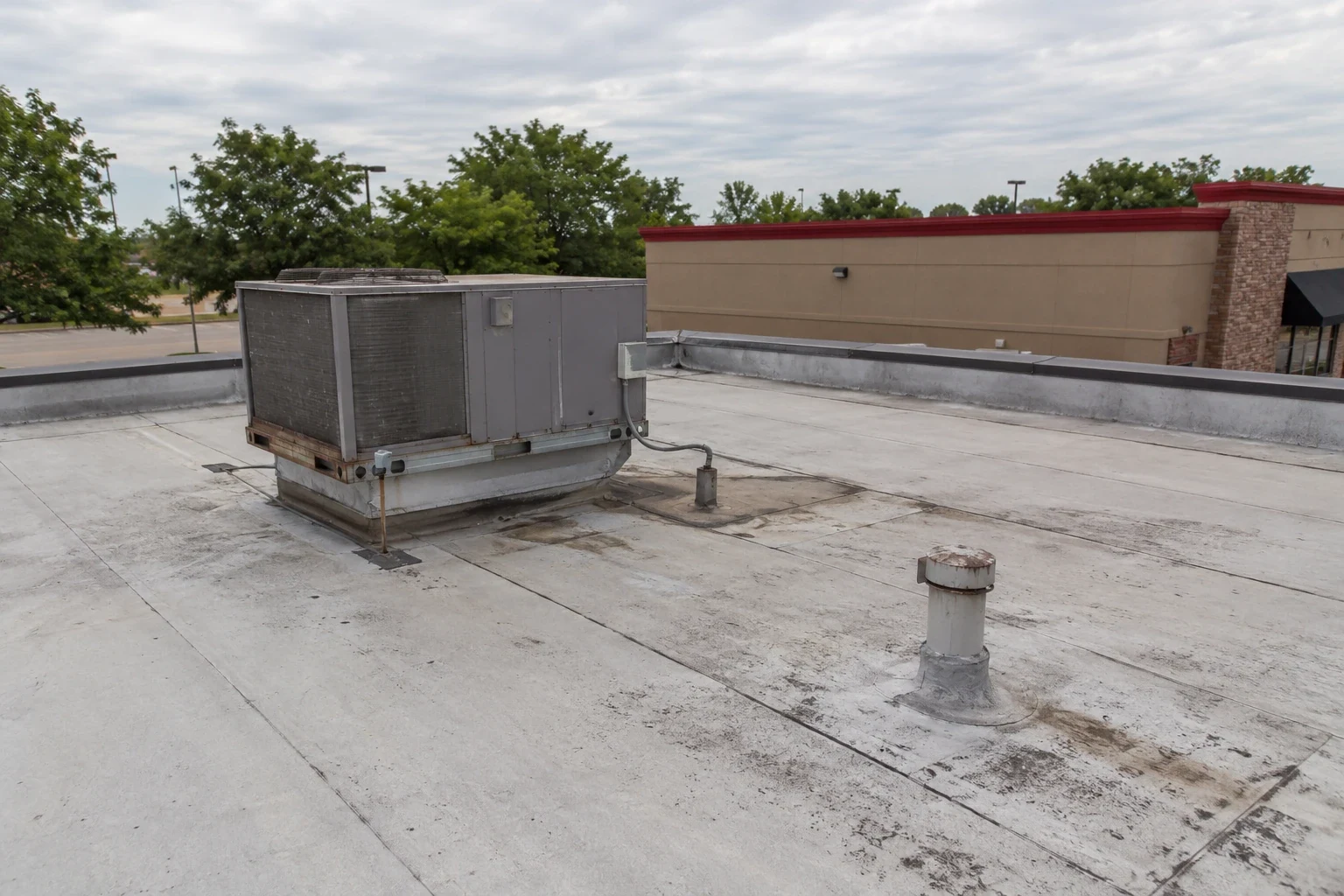
Leases split roof responsibilities in different ways. Some make the landlord responsible for the structure and the membrane, while the tenant handles rooftop units and penetrations they installed. Others make the tenant responsible for everything. The question matters, because a leak caused by a tenant's own unit is a different claim than a leak caused by a worn membrane. Our intake record separates the two, with photographs of the unit curb, the surrounding membrane and any recent trade work.
That separation helps in a conversation with a landlord, because the evidence is already on the table. It also helps an insurer decide which policy responds.
Signage is a frequent source of leaks and of disputes. A sign bracket that penetrates the roof edge, a banner pole fastened to a parapet or a lighting conduit run across the sheet can each be the entry point. We photograph attachments to the roof, note which party installed them and record whether they were flashed. If the sign belongs to the tenant, the record says so, and the repair of the roof around it is scoped separately from the sign itself.
How Are Grease and Exhaust Handled?
Restaurant roofs collect grease at exhaust fans, and grease attacks many membranes. We check the fan base, the grease containment and the sheet around the fan, and we recommend cleaning schedules and containment where needed. Some sheet types resist fats and oils better than others, and the choice of system for a restaurant takes that into account, along with the way heat from the kitchen affects the roof from below. A restaurant roofing scope also covers kitchen hood penetrations, which are flashed with care and inspected after any repair. Grease on a sheet is not just a stain. It softens some membranes, makes the surface slick for technicians and collects dirt that holds water. A containment tray under each fan and a cleaning date in the maintenance calendar prevent most of those problems, and both are cheap compared with a section replacement.
Walk routes matter as well. Kitchen staff and service technicians walk the same path to the fans every week, and that path wears the sheet. Walk pads along the route protect the membrane, and we price them as a separate line so the brand can add them to the next scope.
Which Local Weather Facts Matter to a Chain?
Roof surfaces and rooftop equipment work hardest in August, near 95 F, and across the eighty-odd days a year past 90 F, which are the months customers want air conditioning most. About 39 inches of rain fall in a year, and about 26 nights drop below freezing. May 22, 2024 brought a 120 mph EF-2 tornado, and Temple gusts away from its path ran an estimated 80 to 90 mph. Those facts guide inspection priorities: edges and curbs first, then drains, then the field of the roof. A retail roof near a sign or an awning gets a second look at the fasteners, because lateral loads from wind on a sign are transmitted straight into the roof edge.
How Do We Rank Locations Across the Region?
A multi-site roof program ranks each location by condition and by consequence of failure. A flagship store with high sales ranks above a low-volume outparcel with the same roof. A restaurant with a flat roof over its kitchen ranks above one with a sloped metal roof. The ranking becomes a calendar, with each location's visits scheduled by season and holiday, so that no roof is torn open the week before a major sales period. Chains that also operate hotels or manage property can compare with hospitality groups and property managers.
How Does Site Access Differ Across Temple?
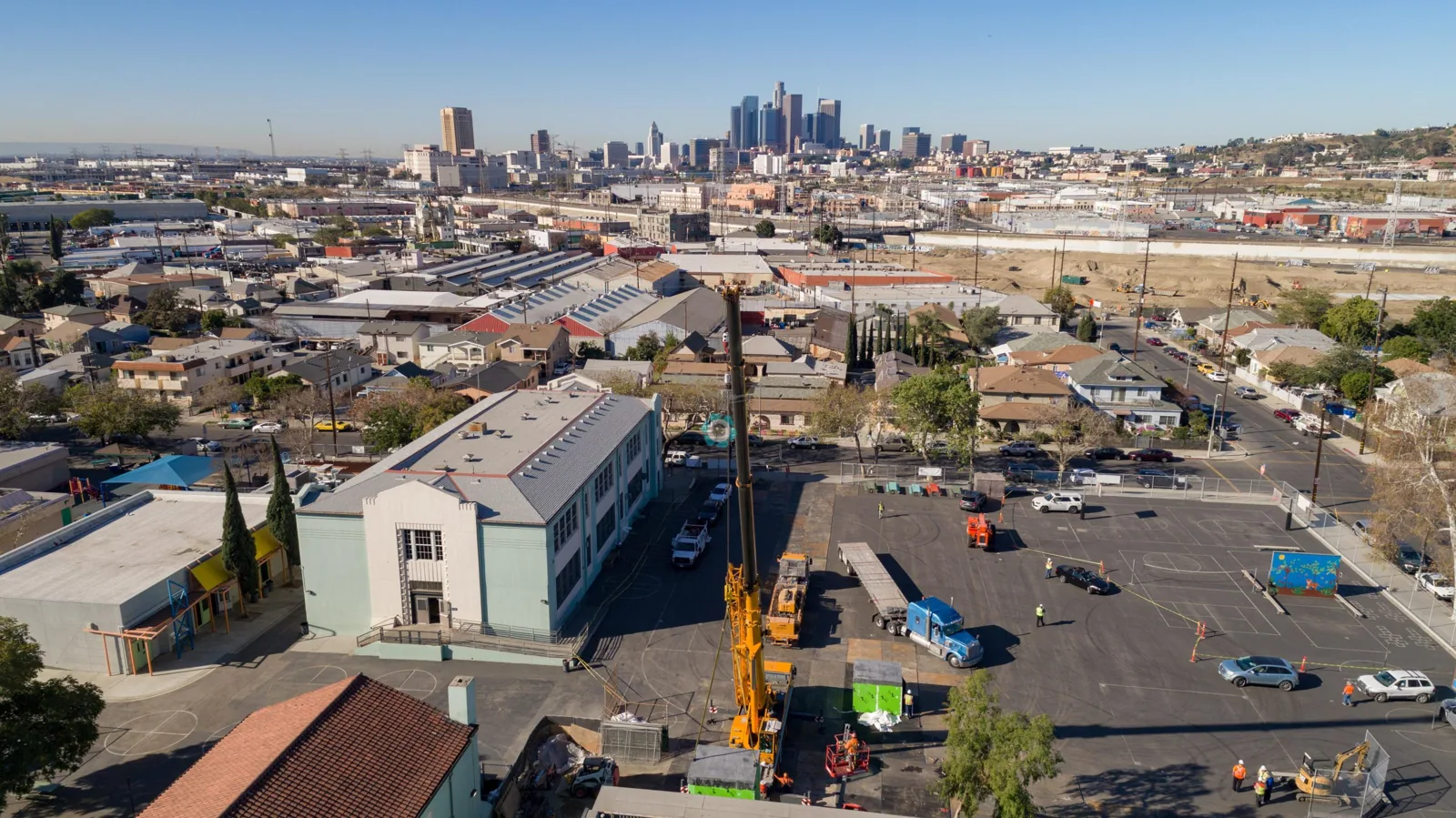
Interstate 35 runs through Temple and the 17.1-mile ring of Loop 363 circles it, so crane and delivery routes are drawn around those roads. A site along the Loop 363 corridor and one in downtown Temple need different staging plans, because historic masonry downtown can sit close to the roofline. A store in a historic block needs protection for adjacent walls and a closer look at the parapet and the tie-in.
Whatever the address, the haul route, the crane pick and the laydown area are drawn on the first page of the scope, with the hours when deliveries are allowed. Store managers receive a copy and a phone number, so a question on a busy Saturday reaches a person instead of a voicemail.
Commercial Roofing Questions
Can a store stay open during reroofing?
Yes, in most cases. Work is sectioned, entrances are protected and noisy steps are scheduled before opening or after closing.
What is the first step after a roof leak at a restaurant?
Protect the kitchen, the dining room and the cooking line. A crew sets a make-safe step and documents it, and the manager receives a note to forward.
How do we handle a leak caused by a rooftop unit?
The unit's curb and flashing are photographed and the cause is recorded. The record helps allocate cost between the tenant and the landlord.
Should a chain use one system across locations?
Not always. The best system depends on the building, the deck and the exposure. A common record format is more useful than a common membrane.
How often should store roofs be inspected?
Twice a year suits many roofs, with an added walk after a severe storm. Restaurants with grease exposure may need more frequent cleaning.