Bioscience Park at Central Pointe
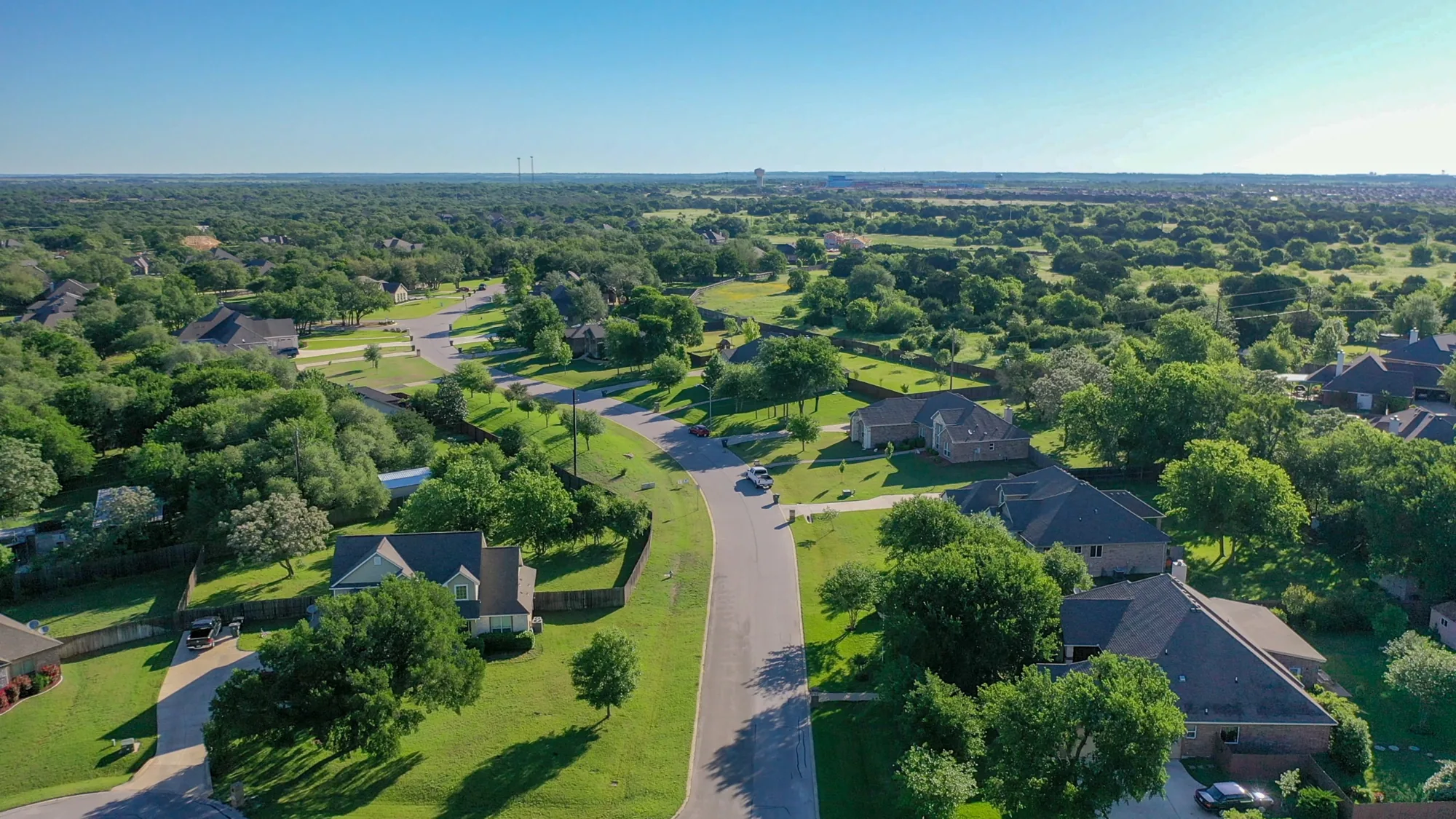
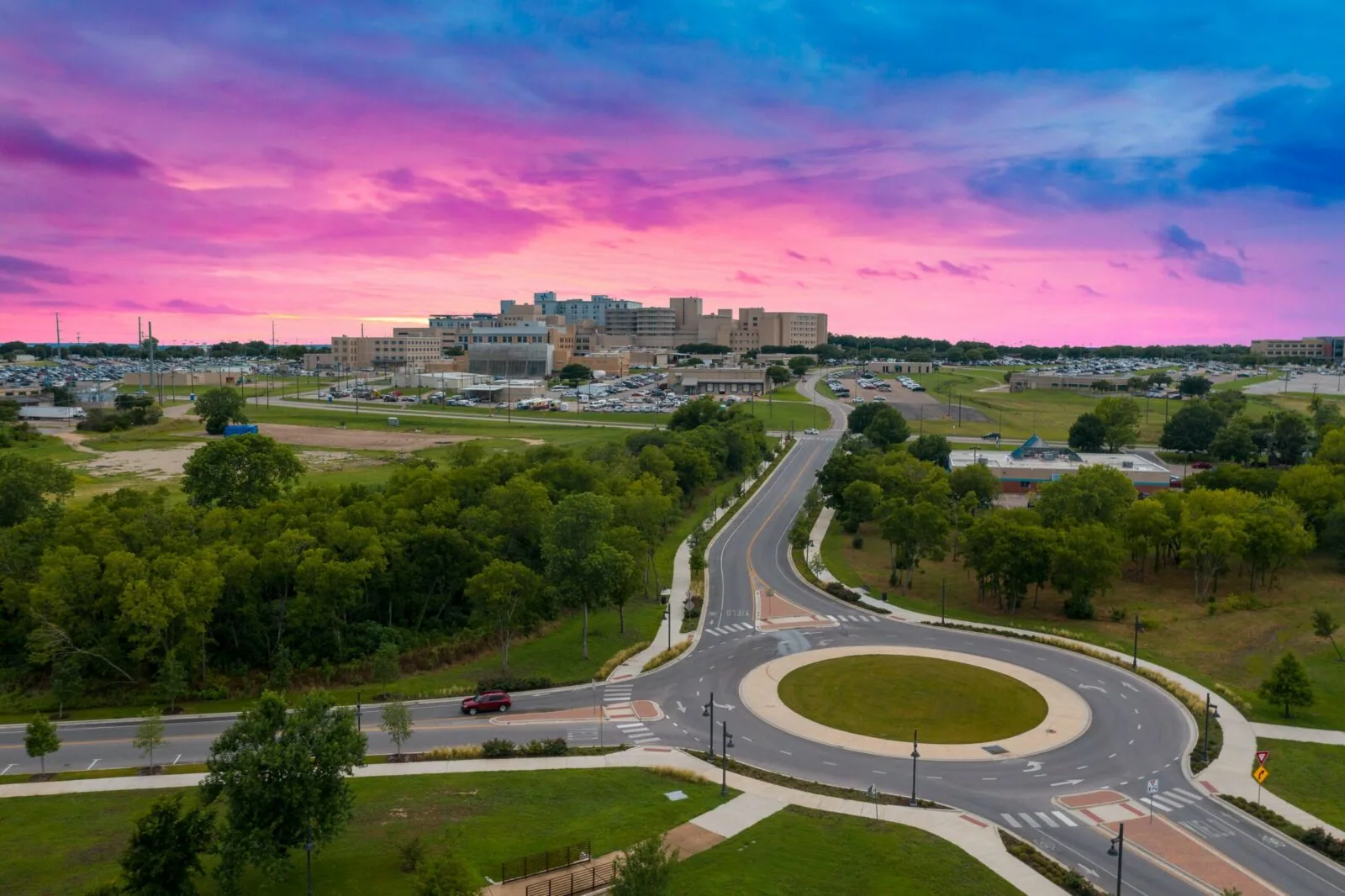
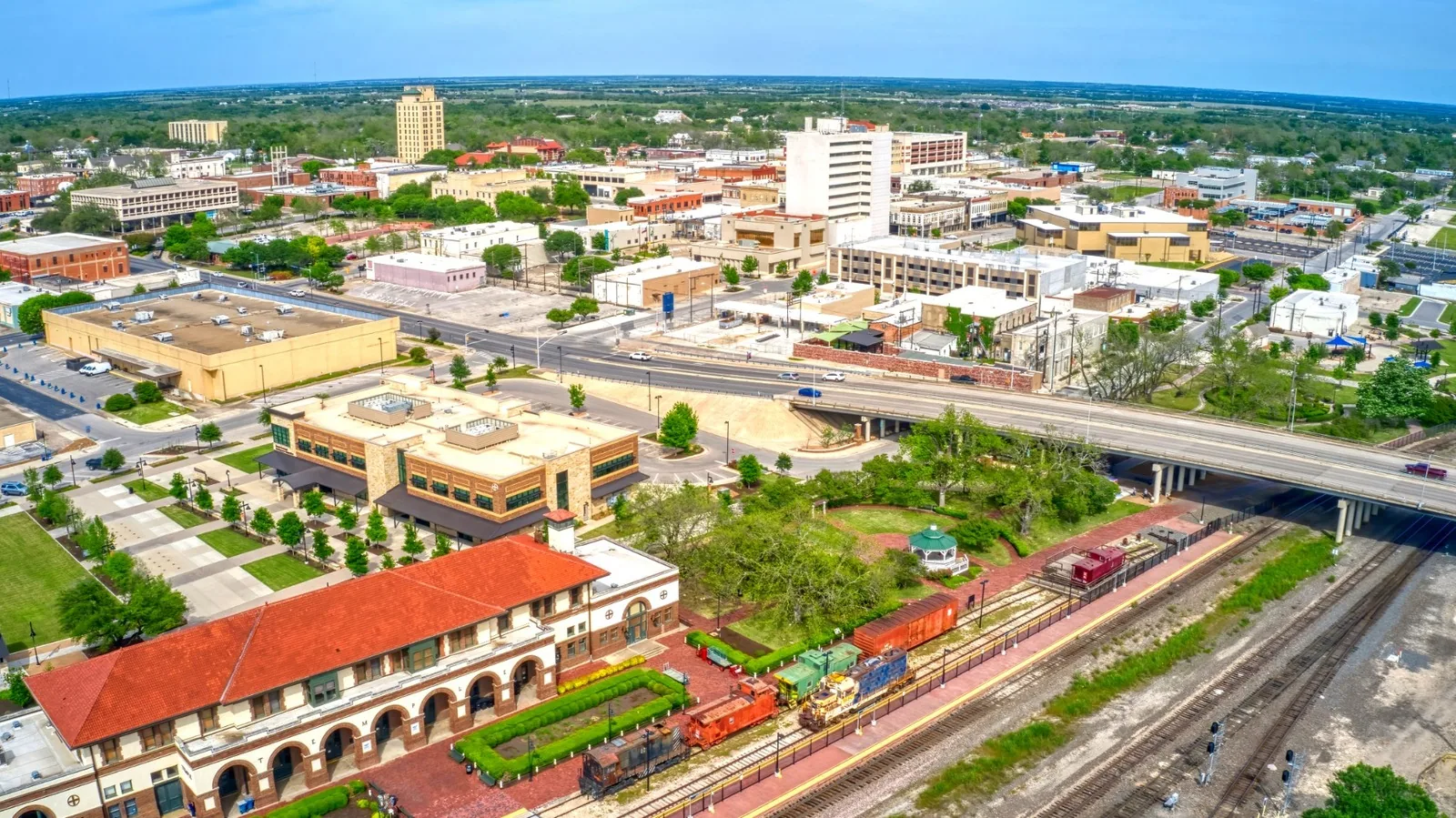
Which roof in a new park fails first, and who is told? A young roof tends to fail at its details, in its first seasons, while several parties still assume someone else is watching it. Bioscience Park at Central Pointe is one of four shovel-ready parks the Temple EDC owns, and the EDC's own 2012 release puts the bioscience park at 192 acres. A park of that kind fills in building by building, so roofs arrive one at a time and each may have its own installer, owner and warranty.
That is the setting for the work we do here. What a given building holds, and how it was roofed, are the first things we record. We write down what is on the roof, record what the first season does to it and set a holding repair when something opens, so that the permanent decision stays with the asset manager and is made from a record.
What should the handover record capture?
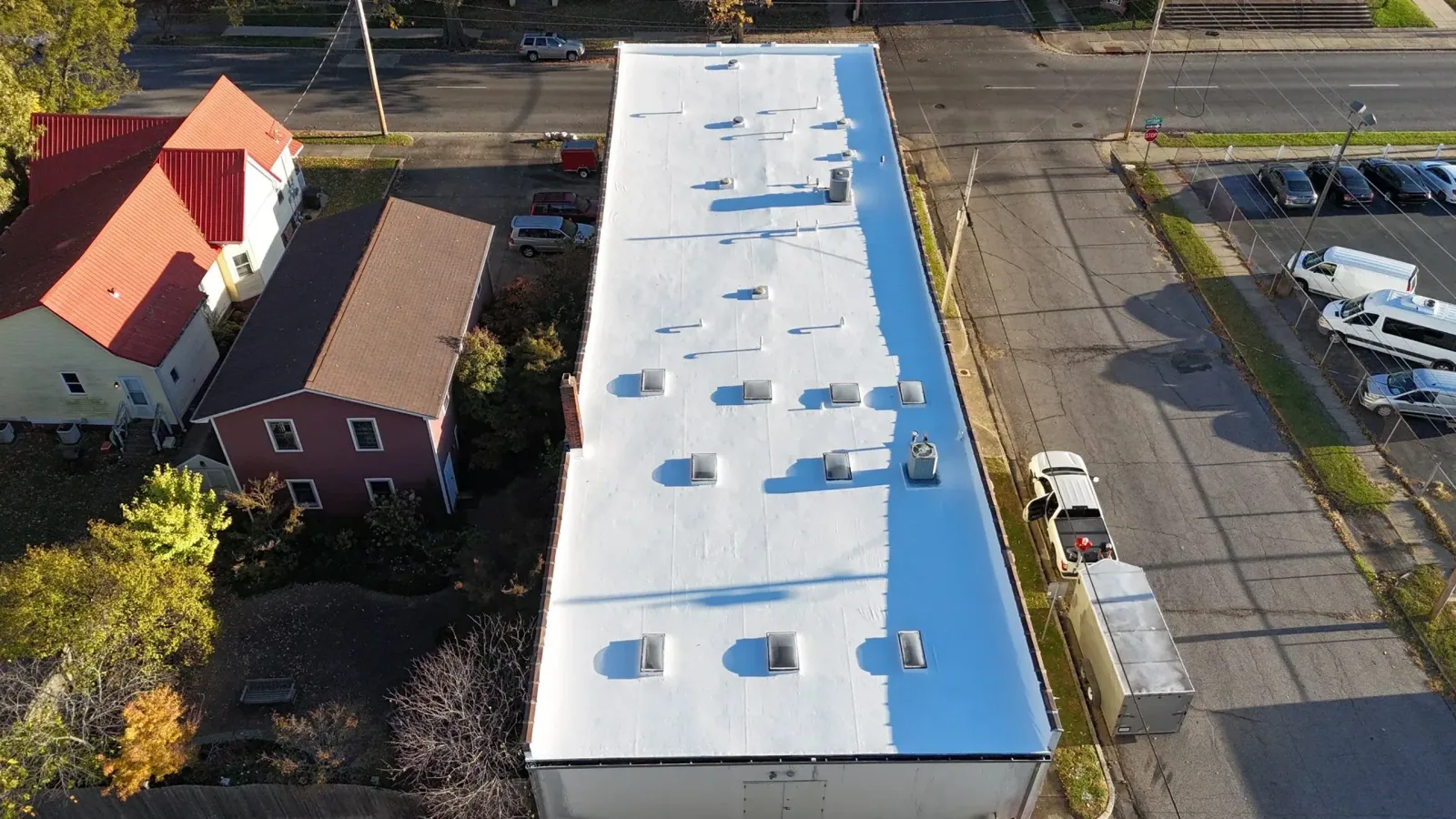
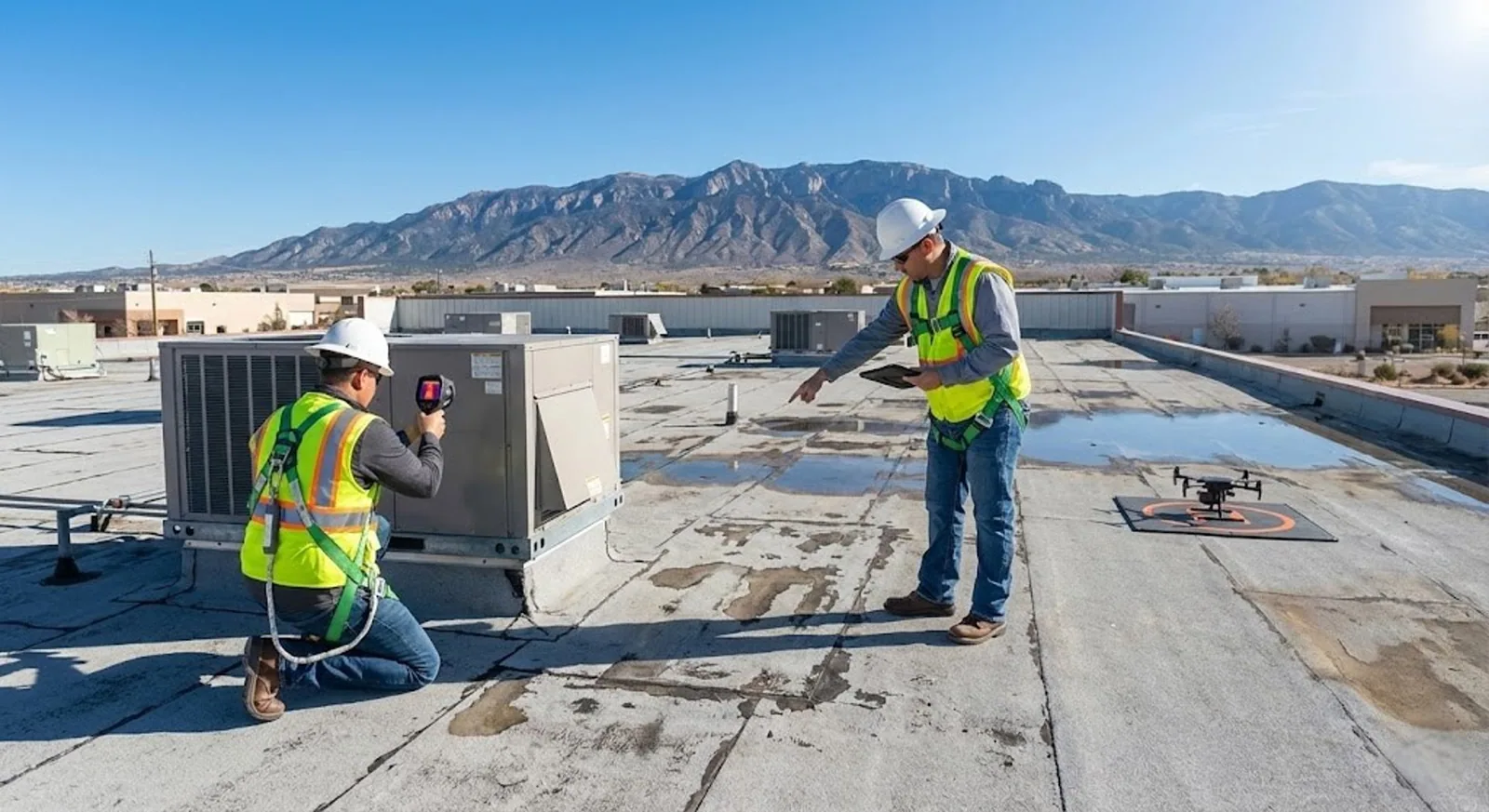
A roof changes hands the day the contractor leaves, and the file that goes with it is usually thin. We build a better one on the first walk: system and thickness, insulation type, flashing details, penetration count and drain locations, each with a dated photograph and a position on a rooftop sketch. Moisture readings go on the same sketch. The record also states what we could not verify, because an unconfirmed age or an unknown insulation type is a risk the owner should see.
The point of the record is the second inspection. Months later, a stain on a ceiling can be compared with a photograph taken before anyone moved in. If the flashing was sound then and open now, the cause is something that happened between the two dates. That narrows a dispute, and it narrows the repair.
Where do new roofs open first?
On roofs in their first seasons, the early failures cluster at penetrations, terminations and drains. A pipe boot is fitted loosely. A termination bar is under-fastened. A drain sump sits a little high and holds a shallow pool. Seams made on a dusty day lose their grip in the first heat. None of these is dramatic, and each is cheap to fix when found early.
We probe seams along their length, press terminations by hand and photograph every penetration with a scale card. Where a defect appears in a line, we say so, since a line of defects points to a method or a material and not to the weather. The report names the failure point, the likely cause and the make-safe step, and it keeps emergency stabilization apart from the permanent scope so that a quick fix is never mistaken for the final one. The permanent scope, and the question of who pays for it, is left to the owner, who may need to give notice to an installer or a warranty issuer.
What does a Temple summer do to a young roof?
In Temple's 1991-2020 normals August is the hottest month, with highs near 95F and about 80 days a year past 90F. A new membrane in that setting expands and relaxes daily, and the first full summer is the first test of every weld, adhesive and sealant. Surface temperatures run well above the air, and a seam that was made in cooler weather is asked to hold through the hottest week.
Our first-summer check is simple and dated, and it is scheduled for the hottest weeks on purpose, since heat is when a marginal bond shows itself. We return in late summer, probe the same seams and compare the photographs with the handover set. A change is a finding. No change is a note that the roof held. Either one goes in the file, and the file becomes the evidence behind a warranty notice if one is needed. Work on coating restoration comes later, if at all, and only on a roof that proves dry.
How does a new roof get through wind season?
The May 22, 2024 tornado in Temple was rated EF-2 by the National Weather Service at peak winds near 120 mph, and gusts of 80 to 90 mph in straight lines swept the city. Those events are context for the park and not a verdict on any roof in it. They do explain why the edge detail is checked first: coping, fascia and drip edge are fastened and sealed, and a loose section is a make-safe item before the next front.
After a storm, the order is fixed. Water first: a tarp or temporary dry-in where an opening exists. Record second: photographs before anything is covered. Holding repair third, to buy time. Permanent scope last, priced against the capital plan. An asset manager with roofs in several parks can see which share the same edge detail and rank them by exposure. A tornado damage record follows the same sequence.
What are the owner's options and what drives cost?
Four things move the price of work on a roof in the park: area, system, insulation condition and access. Access matters more in a development that is still filling in, since adjacent lots may be under construction and haul routes can change from month to month. We confirm the route, the laydown area and the neighboring activity before the crew mobilizes.
For a young roof, the options are narrower than for an old one. A defect is repaired. A pattern of defects goes to the installer. A roof that proves wet at an early survey is a warranty matter, not a recovery project. The written recommendation says which applies and attaches the photographs. For a roof on the way to a sale or refinance, a due diligence roof survey turns the same file into a statement a lender can read.
Can several parks share one program?
Owners with buildings in this park, in Airport Park at Central Pointe and in Rail Park at Central Pointe can run one schedule. The register lists each roof, its system and its last inspection; the ranking uses exposure and consequence, so the roof with the weakest edge and the costliest contents is first on the list and a sound roof over a low-risk space can wait. A multi-site roof program keeps the format the same for every address.
Commercial Roofing Questions
Who should be told first about an early roof defect?
The party who gave the warranty or built the roof, within the notice period. We document the defect with dated photographs so the owner has what is needed to make that report.
What goes into a first-year roof inspection?
Seams, terminations, penetrations, drains and moisture, each photographed and logged against the handover set. The goal is to catch workmanship problems while they still belong to someone else.
Is a holding repair worth doing on a new roof?
Yes when water is entering, because it protects the interior while the installer or issuer responds. The holding repair is logged so it does not compromise a warranty claim.
What decides the cost of roofing work in a development park?
Area, system, insulation condition and access. Neighboring construction and haul routes can add time, and the estimate lists each element separately.
Can the file support a sale or refinance later?
Yes. A dated record of the roof from handover forward gives a buyer or lender a history instead of a guess.
What is the difference between a make-safe step and a holding repair?
A make-safe step stops water right away, with a tarp or temporary dry-in. A holding repair is a more durable fix that buys time until the permanent scope is decided. Each is logged separately.