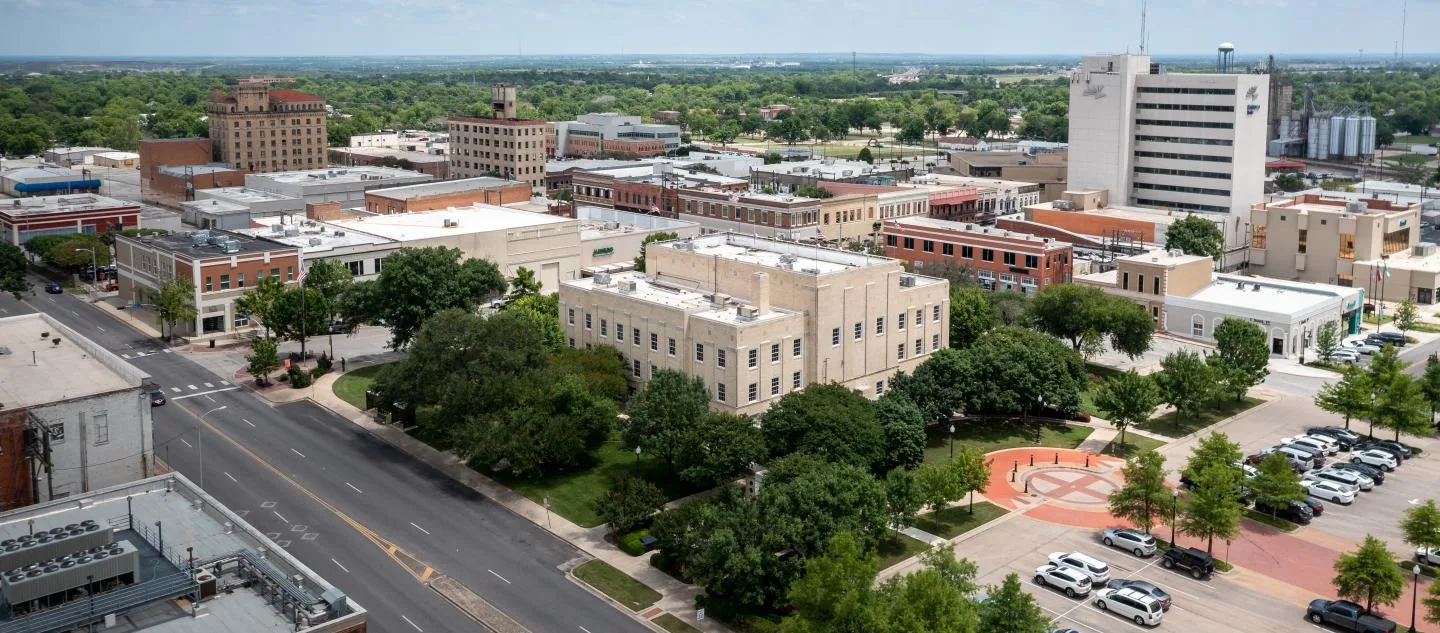
Airport Park at Central Pointe
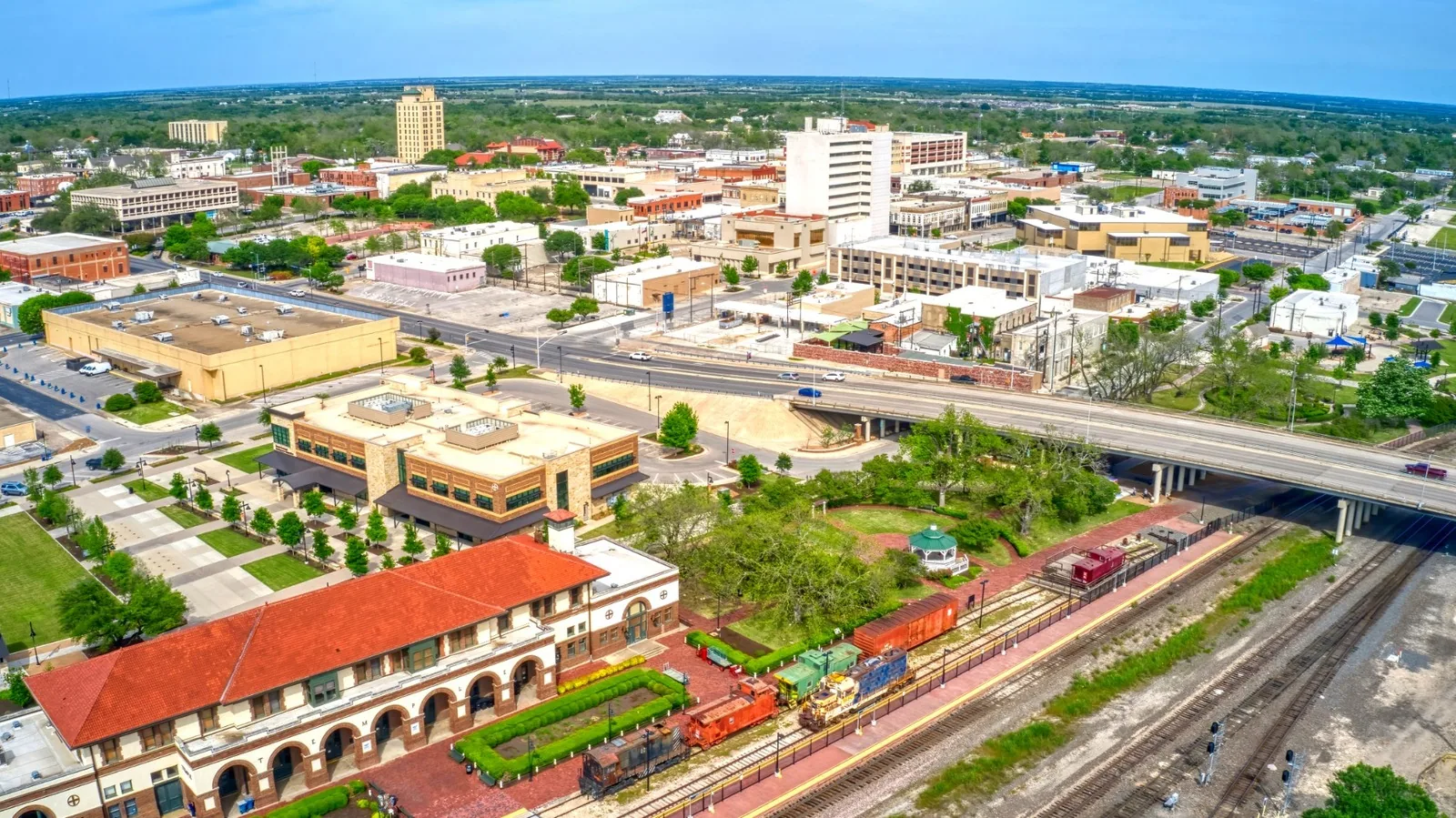
Who may fly a drone over this roof, and who has to say yes first? In Airport Park at Central Pointe, the question has a real answer, because Temple's Draughon-Miller Central Texas Regional Airport offers general aviation service only and a park with the airport's name in its title raises the airspace question before any drone goes up. It is one of four shovel-ready parks Temple EDC owns, and a headquarters campus of 19.5 acres with a 42,000-square-foot building has been built there for a wholesaler. Roofs in a park like this begin with a record of what was built, since a young roof is easiest to protect when its details are documented early.
What kinds of roofs does a business park like this carry?
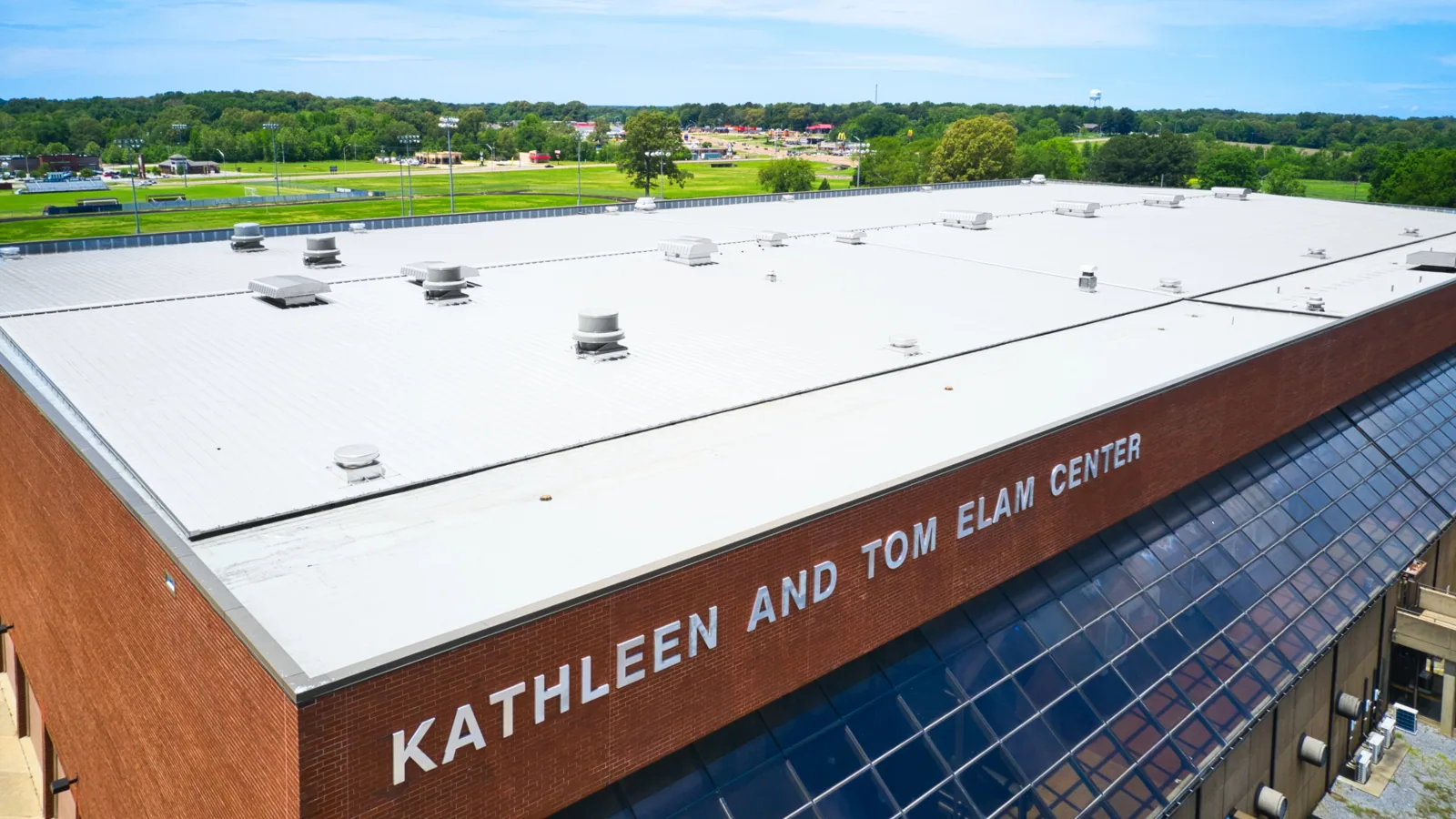
A business park like this can carry offices, warehouses, light industrial space, and headquarters buildings, often low-slope with rooftop units and a handful of penetrations. A newly built roof may have a membrane only a few years old, and the question is not repair but protection: drains that stay clear, flashings that stay tight, and a file that proves it.
A first walk shows what each roof is. The inspection records the membrane type, insulation, attachment, penetrations, and drain layout, and the owner receives a baseline that every later visit builds on. A baseline taken in year two is worth far more than one taken in year twelve.
Warranty paperwork belongs in the same file. A manufacturer warranty sets rules about repairs, maintenance, and notice, and the owner should read the terms before authorizing any work on the roof. We record the roof's condition at each visit, so the owner can show the manufacturer or an insurer what the roof looked like and what was done to it, with dates, and the dates also tell the owner when the next walk is due.
How do drone inspections work near an airport?
With care and permission. Airspace around airports is controlled, and drone flights near one need authorization and coordination under federal rules. A roof near an airfield may be inspected on foot, by pole camera, or by drone with the required approvals in place. The decision belongs to the pilot, the property owner, and the airport authority.
Foot inspections of a newer low-slope roof are fast. A technician can walk seams, probe laps, check flashings, and read drains across a typical park building in a few hours, and a moisture meter or infrared camera adds data on dryness. The inspection ends with a written summary that ranks any findings and lists items closed on the spot. Anything that needs staging, a lift, or a permit is priced separately, so the owner can decide what to approve this quarter and what to carry into the next budget.
That is why a walk-based inspection stays the backbone of the record. A drone roof inspection adds speed on large roofs when approvals allow, and the images supplement the hands-on findings. Where flights are not available, thermal and moisture work happen on foot, and the written summary says how each reading was taken.
What matters most on a newer commercial roof?
Early detail. Flashings at curbs and parapets, sealant at penetrations, and seam welds are the places a new roof first shows weakness, often within the first few seasons. A first-year walk catches the cracked boot or the poorly tied termination while the installer may still stand behind the work, and while the repair is cheap.
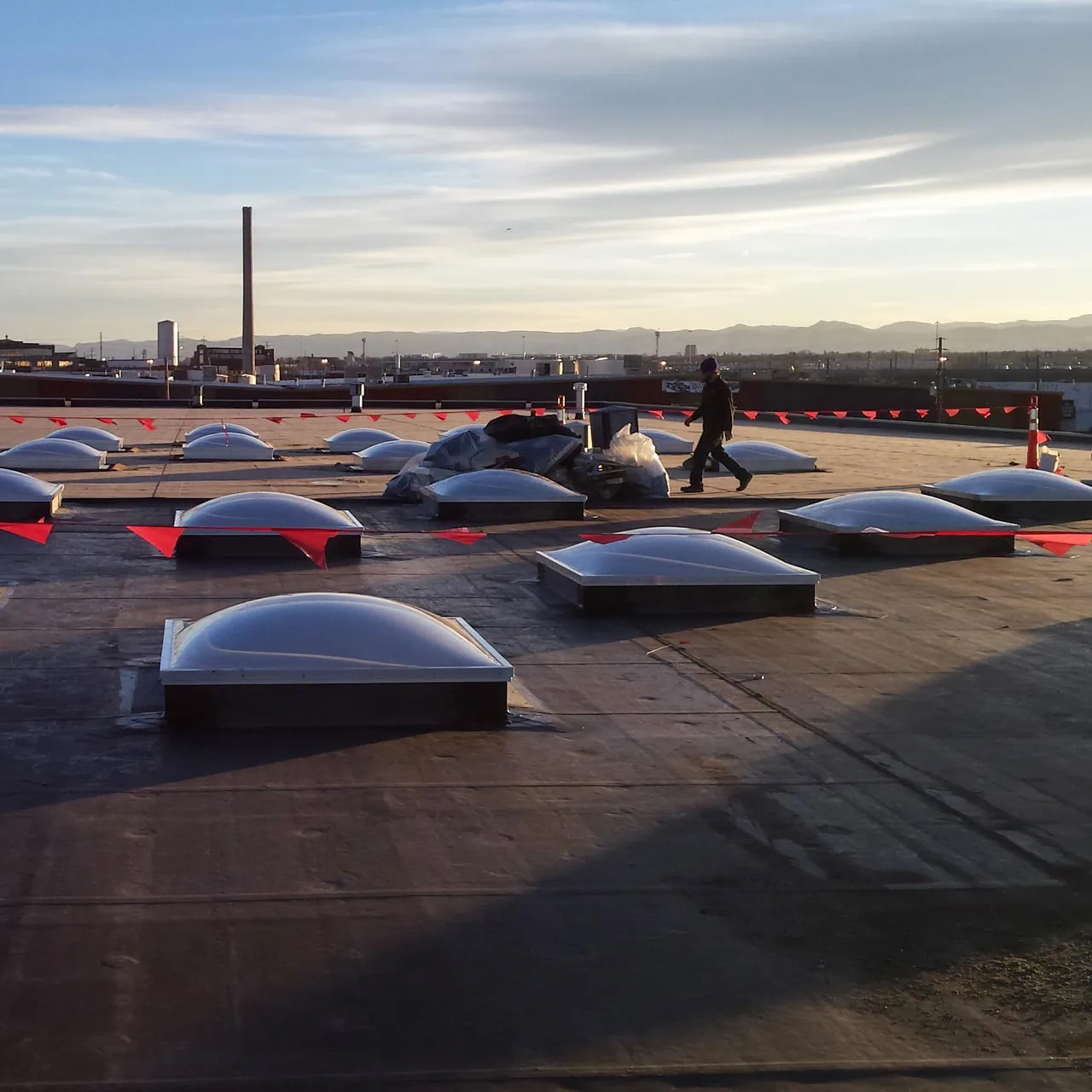
We record the installation details, check manufacturer paperwork, and photograph every flashing. The file notes who installed what, which protects the owner when a question arises about responsibility. A skylight and penetration flashing inventory taken early becomes the reference for every later repair.
What do heat and storms ask of a park roof?
A park roof lives with hot summers, with August highs near 95F and some 80 days a year past 90F, which is why reflectance and sound seams earn their keep. Wind has already left its mark on the area: a May 22, 2024 EF-2 tornado hit Temple near 120 mph, and gusts of 80 to 90 mph, estimated for straight-line wind, followed. A roof on open ground can have little shelter, so perimeter attachment and edge metal deserve a close look.
The pre-storm baseline photographs cover edges, copings, and rooftop equipment. After a severe event, the comparison shows what moved. Edge metal, coping, and gutters are the cheapest wind repairs and the costliest to skip, and the list ranks them first.
Why does insulation and drainage design matter on a new building?
Because they set how the roof ages. Tapered insulation, crickets behind curbs, and sumps at drains move water off the roof, and a layout that looks fine on paper can pond in practice. After the first heavy rain, we measure standing water with a level and compare it with the design. Small ponds in the first year often point to a drain set too high or a cricket too shallow, and fixing them early costs far less than a coating or a re-slope later. The roof insulation and cover board record lists the layers and slopes as built.
Thermal performance is part of the same design. Insulation thickness meets the code in force, which the permit office confirms, and a reflective membrane eases the heat load on rooftop units during the long summer. Unit age and surface color go in the file at the start, which lets an owner compare operating records once the roof has seen a season or two.
How does a growing park change roof planning?
Buildings arrive in phases, and each phase brings contractors, equipment, and roof traffic. Mechanical contractors set units, electricians run conduit, and tenants add antennas. Every addition is a penetration or a load, and without a record, the roof ends up with unmarked holes.
We recommend a standing rule: no one cuts or loads the roof without a note in the file. The inventory updates after each addition, and the roofer inspects the new flashing. Owners who also hold property in the Rail Park at Central Pointe or across Temple can run the same rule on every site and keep their buildings consistent.
Commercial Roofing Questions
Are drone inspections allowed over roofs near the airport?
Only with the required authorization and coordination. Federal airspace rules apply near airports, and approvals may take time. Where flights are not possible, we inspect on foot with moisture meters and cameras. The written findings state how each reading was taken, so the record is complete either way.
Why inspect a roof that is only a few years old?
Because early defects are cheap to fix and easy to prove. Cracked boots, loose terminations, and weak welds often appear in the first seasons. A baseline walk documents them while paperwork and responsibilities are clear. It also creates the photographs that later comparisons need.
What does a headquarters building need from its roof file?
Layer-by-layer description, photographs, penetration inventory, drain log, and any manufacturer paperwork. The file lets a facility manager answer questions from a lender, tenant, or insurer without a new survey. Updating it takes minutes per visit once the baseline exists.
How are roof penetrations added to a newer roof?
By following the original details: curb, flashing, sealant, and inspection. The new work is photographed and logged. Cutting a hole without flashing or without compatible material is the most common way to shorten a new roof's life, so we recommend review before any penetration.
Does a newer roof still need drain maintenance?
Yes. Construction debris, leaves, and windblown trash fill bowls early in a building's life. Drains are cleared and logged at each visit, and ponding is measured after rain. An early pattern of ponding points to a slope or drain problem that is easier to correct while the roof is young.