Multi-Site Roof Programs
Five buildings, five roofs, five different histories, and one phone number for the person who has to answer for all of them. A multi-site roof program is built for that person. It puts every roof under one record, one ranking and one schedule, so that a failure at one address is handled with the knowledge of the other four. Temple, TX gives the idea a concrete shape. Long summers wear on every membrane in the same way, and the May 22, 2024 tornado reminded owners that one event can reach many addresses in a night.
The goal is simple: fewer surprises and faster decisions across the whole portfolio.
How is a program set up?
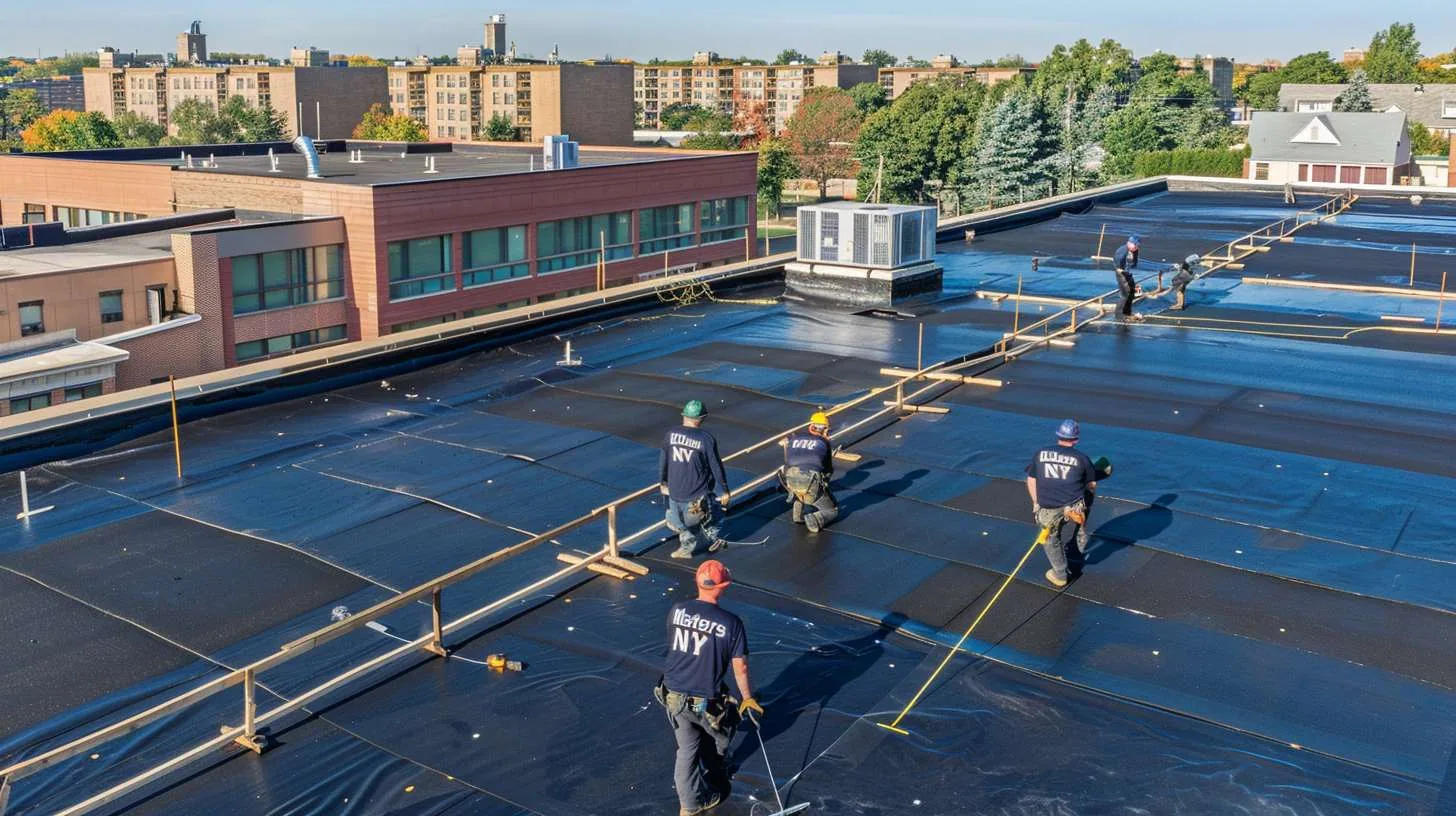
We begin with an intake record for every building. Each one gets a walk, a photo baseline and, where wet insulation is suspected, an infrared moisture survey. Then the roofs are ranked by exposure and consequence, and the ranking becomes the order of work. Buildings that share an edge detail, a membrane type or a failure history are grouped, so lessons from one are applied to the others.
Each program also names its contacts. Who gets the first call? Who approves a make-safe step? Who signs a larger scope? Those answers are written once and kept with the record, so the right person is reached in the first hour and not after three transfers.
The first cycle is deliberately uneven. Roofs at the top of the ranking get the full treatment at once, and lower-ranked roofs get a lighter first pass that confirms nothing urgent is hiding. The second cycle evens the record out. This order keeps early spending pointed at the roofs most likely to cost money, and it gives the manager a working program in weeks rather than a survey that finishes after the next storm.
Access is settled alongside condition. For each address we note who holds roof keys, whether a ladder or a hatch is the way up, which rooftop units need their own shutdown and what notice the occupants expect. These small facts are what let a crew arrive and start without a round of phone calls.
What happens in the first hour at one address?
A failure at one building starts a triage call. What broke, at which spot, and who else shares the detail? A crew makes the opening safe with a tarp or temporary dry-in, and the failure point is photographed before it is covered. The call-back window for the asset manager is set during that first conversation. We do not promise arrival times, since conditions on the day decide them, but the manager always knows when the next update is due.
While the holding repair buys time, the program record gets a second job. The roofs that share the same detail are checked ahead of schedule. That is how one leak turns into a short list of preventive visits and not a series of leaks.
The record from that first hour is short and specific: the time of the call, the failure point, the make-safe step, the photographs, the interior condition and the next decision. Emergency stabilization stays on its own line, apart from the permanent scope, so the manager can approve the temporary work now and weigh the permanent repair later with the whole portfolio in view. Our emergency roof repair response writes to the same file.
How does Bell County geography shape the schedule?
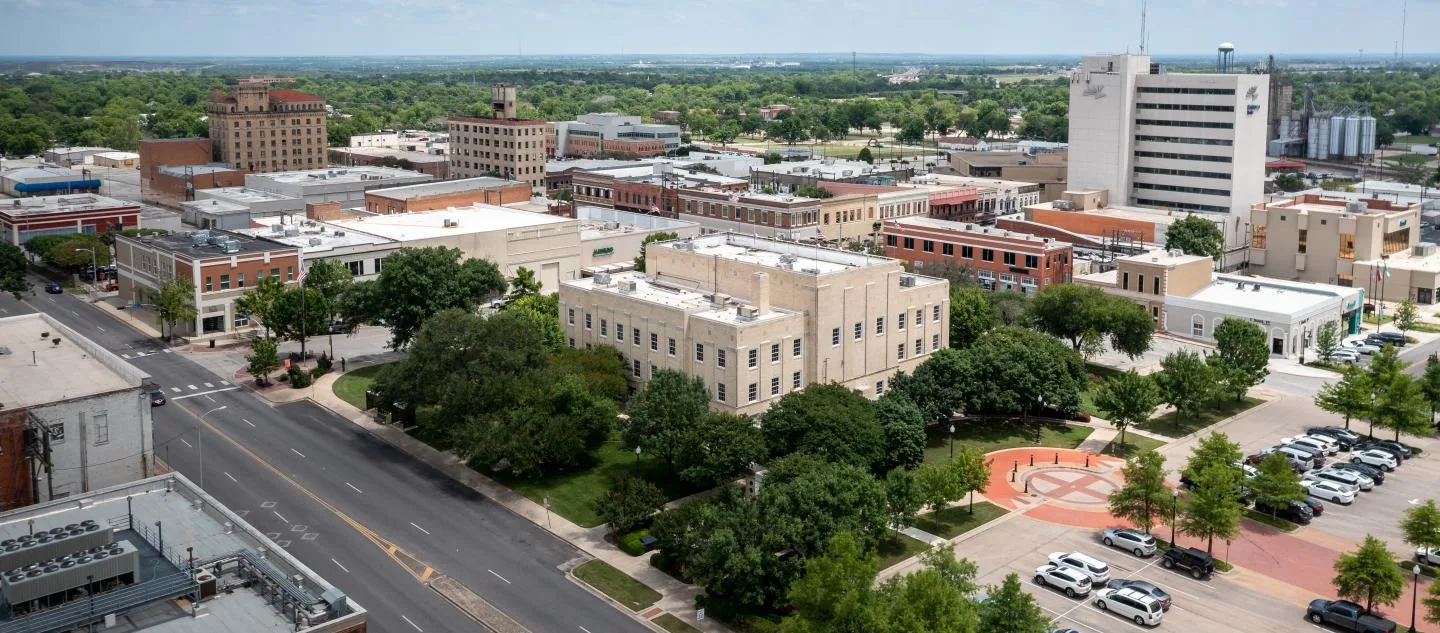
Interstate 35 runs directly through Temple, and Loop 363 circles the city for 17.1 miles. A program that includes buildings in Temple, Belton and Harker Heights can be scheduled by corridor, so a crew can complete several visits in one trip. Interstate 14 follows US 190 from Copperas Cove to I-35 in Belton, and the Harker Heights to Belton widening to six lanes finished in June 2023, which supports that kind of routing.
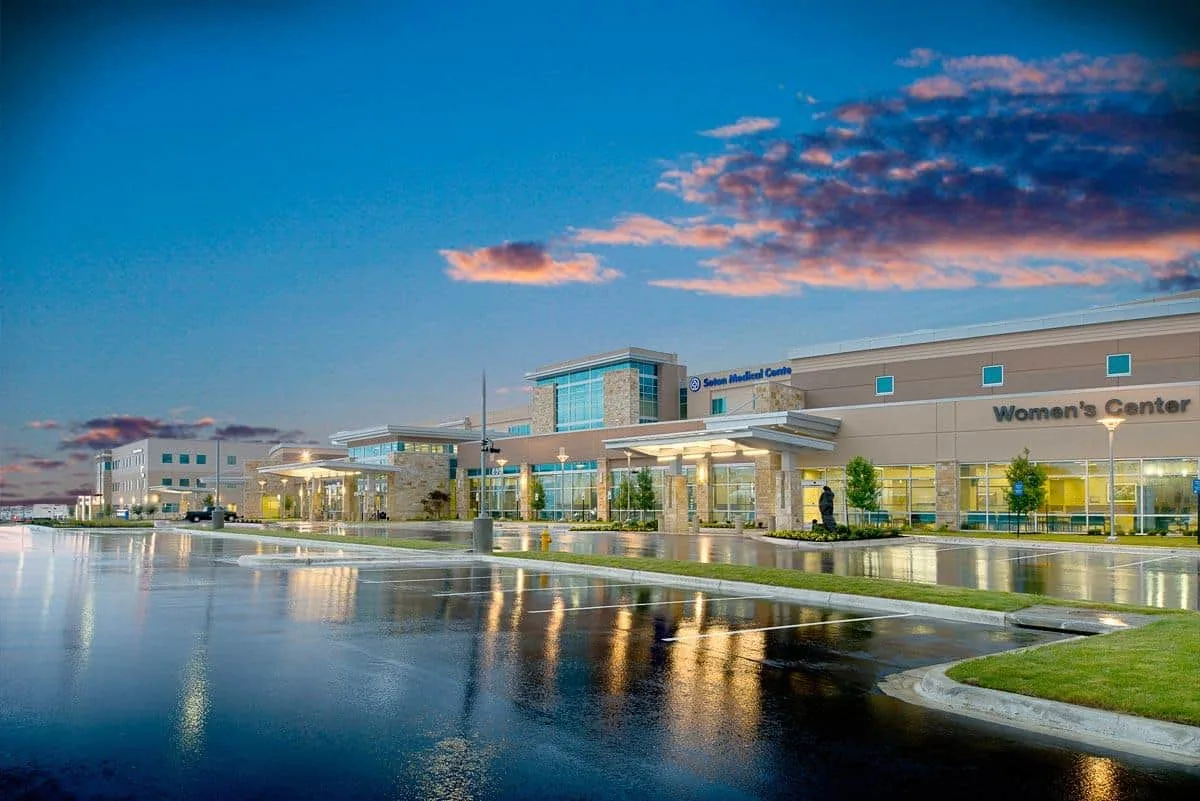
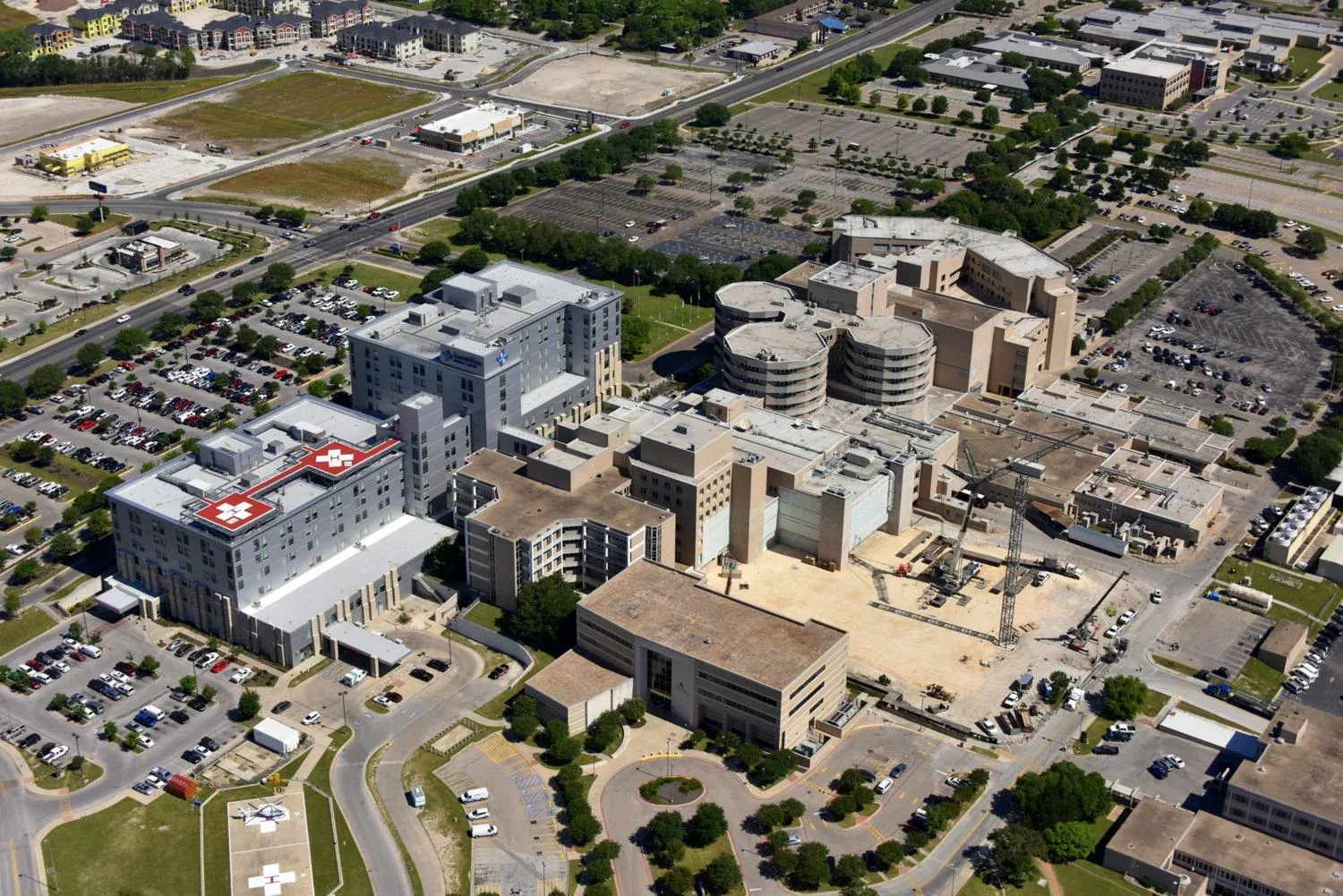
Programs that cover clinics and offices near the Temple Medical and Education District and industrial buildings in the Rail Park at Central Pointe follow the same logic: group by location, separate by occupancy and use the quiet windows each building allows.
Temple's Outer Loop adds another thread. The first two northern phases of the Outer Loop were completed in November 2021 and January 2023, so the road network on that side of Temple has changed since. When a program includes several buildings there, the schedule is drawn with both the Outer Loop and the older Loop 363 route in view.
Can one program handle very different buildings?
It can, and the mix is often the reason to build one. A portfolio might hold a healthcare office, a distribution building and a downtown retail property. Each has a different tolerance for downtime, a different set of rooftop units and a different relationship with its tenants. The program keeps one format for the record while letting the work plan adapt to each. The medical office gets night or weekend windows, the distribution center gets work staged around docks, and the retail building gets work that avoids customer entrances.
Occupancy is the deciding variable. A clinic cannot lose a treatment day to a roof tear-off, and a distribution building cannot hold a dock closed for a week. The program does not treat those limits as complaints. It writes them into the work plan, with the part of the roof that can be done in a short window separated from the part that cannot, and the owner sees both lists.
What does the asset manager receive?
A readable package on paper or in a shared folder: a one-page ranking, a short note on each roof with its latest findings and a list of hold points with dates. Each quarter, a summary lists what was done, what was found and what moved on the ranking. Behind it sit the full condition reports and the capital plan that the asset manager can pull into a budget meeting. Warranty documents are tied to each roof through warranty management, and the asset record keeps everything in one place.
The quarterly summary stays short on purpose. A manager with a full week of calls does not need a binder, so each roof gets a few lines and the supporting pages stay behind them for anyone who wants to check a claim against its photograph.
Commercial Roofing Questions
How many buildings does a portfolio need before a program makes sense?
Two or three are enough if they share an owner and a budget. The benefit is shared learning: what one roof shows becomes a check on the others, even before a crew arrives. A larger portfolio gains something extra: patterns. If four buildings share a flashing failure, the fifth gets checked before it leaks.
Can the program include buildings we do not own but manage?
Yes. Managed buildings are added with the owner's consent and kept in separate record folders, so each owner receives only their own documents.
What is a call-back window?
It is the time by which the manager will hear back after a triage call. We set it during the first conversation and keep to it, even when the answer is that the crew is still making the opening safe.
How are emergencies handled differently inside a program?
The program adds context. The intake record shows the roof's age, last inspection and known weak points, so the make-safe step and the holding repair are chosen with that knowledge in hand.
Can a program start with only a few roofs and grow?
It usually does. The first cycle covers the highest-ranked roofs, and the remaining buildings are added as budgets allow, using the same record format.