
Temple, TX
Roofing Capabilities
Roof asset management in Temple, TX: condition reports, capital planning, warranty files, due-diligence surveys, and multi-site programs for asset managers.



Roofing Capabilities
Which roof deserves the next dollar, and how do you prove it? Asset managers in Temple, TX hold healthcare buildings, freight buildings, plants, and downtown blocks, each with a roof that ages on its own schedule. A program turns individual repairs into a record for every roof, a ranking across the portfolio, and a plan the budget can follow. The work starts with what the roofs show and ends with decisions the owner can defend to a lender, a board, or an insurer.
Where does the record start?
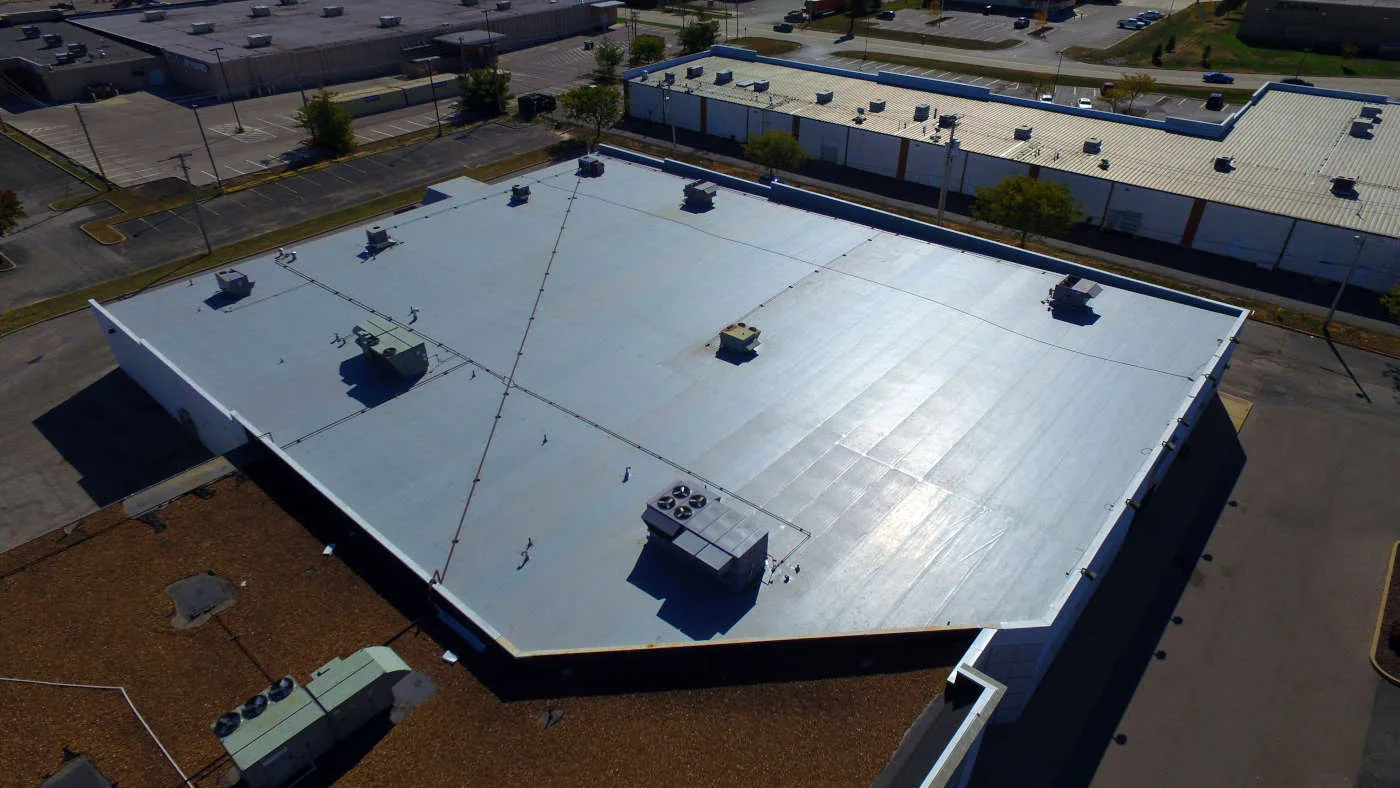
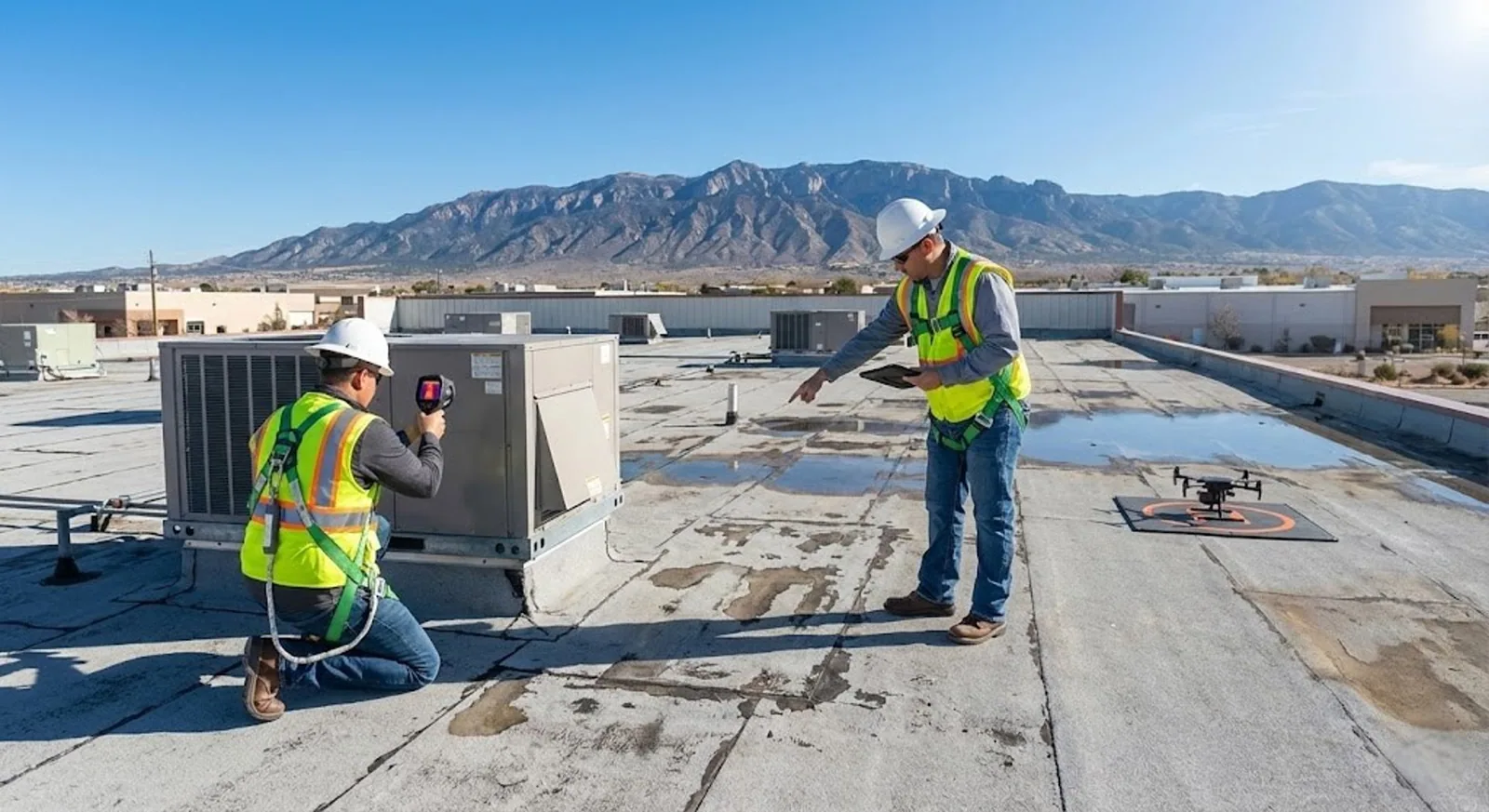
Roof condition reports carry photographs, a roof sketch, moisture readings, and a ranked list of defects. They become the baseline for every later comparison. Roof asset management keeps the reports current and ties them to repair history, so each roof has a life story and not just a latest visit. Drain logs, penetration inventories, and edge-metal checks sit in the same file, which turns a one-time inspection into a running account of how the roof is aging.
How does the record become a budget?
Roof capital planning sorts roofs by remaining life, open defects, and the cost of a leak beneath them. A roof that can be restored with a coating moves to one line, and a roof near replacement moves to another. The plan shows owners which dollars buy the most protection, and it lays out options side by side: repair now, coat now and replace later, or replace now. Each option names the findings behind it and the cost drivers, so the discussion with a board or a lender stays on facts.
How are warranties and transactions handled?
Roof warranty management keeps specifications, installation records, inspection history, and manufacturer correspondence in one file, with terms noted for each roof. Due diligence roof surveys give a buyer or lender a clear picture of condition before closing, with core cuts and moisture maps that price the first-year spend. A buyer who sees a wet section before closing can negotiate it, and one who sees it afterward can only pay for it.
How does a program work across many sites?
Multi-site roof programs use one format for every building, from a clinic to a cold dock. A manager can compare roofs in Temple, Belton, and Killeen on the same page, and schedule visits and repairs by exposure instead of by the order of calls. Hospitals, distribution buildings, and plants rise to the top because their leaks cost the most, and the ranking changes as repairs close and new findings arrive.
Why does Temple weather shape the program?
August highs near 95F, about 80 days a year above 90F, spring tornado and straight-line wind exposure, and roughly 26 freezing nights each year all leave marks. A program that visits before and after the seasons catches the changes, and the baseline photographs show what the EF-2 tornado of May 22, 2024 and later storms actually moved.