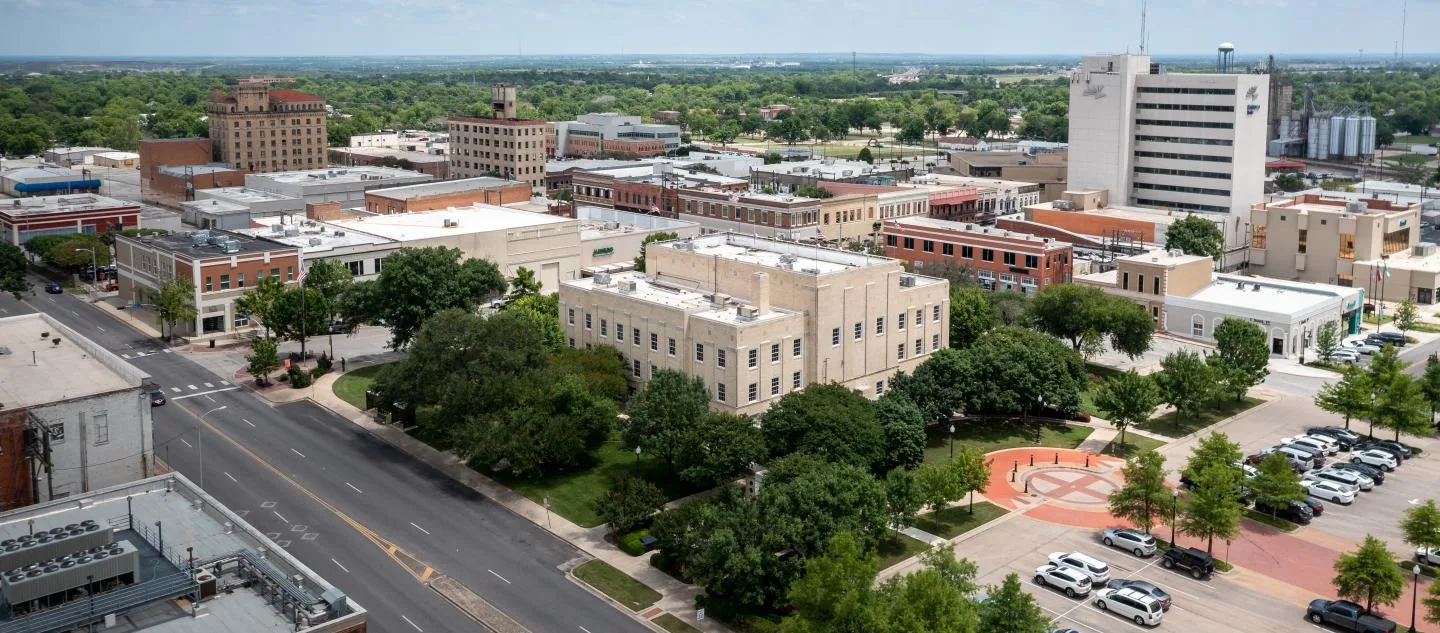
Downtown Temple
What does a roof look like when the building under it is being made into something new? Downtown Temple has been through that change. October 2019 saw Santa Fe Plaza open, a 34,000-square-foot office project at the historic Santa Fe Depot, while the City Center project covers roughly 85,000 historic square feet spanning the Hawn Hotel, the Arcadia Theater, and the Sears Building, converting it to residential and retail use. Each project asks the same roofing question first: what is up there, what shape is it in, and who has to decide before demolition or repair begins?
What roof conditions do older downtown buildings tend to hide?
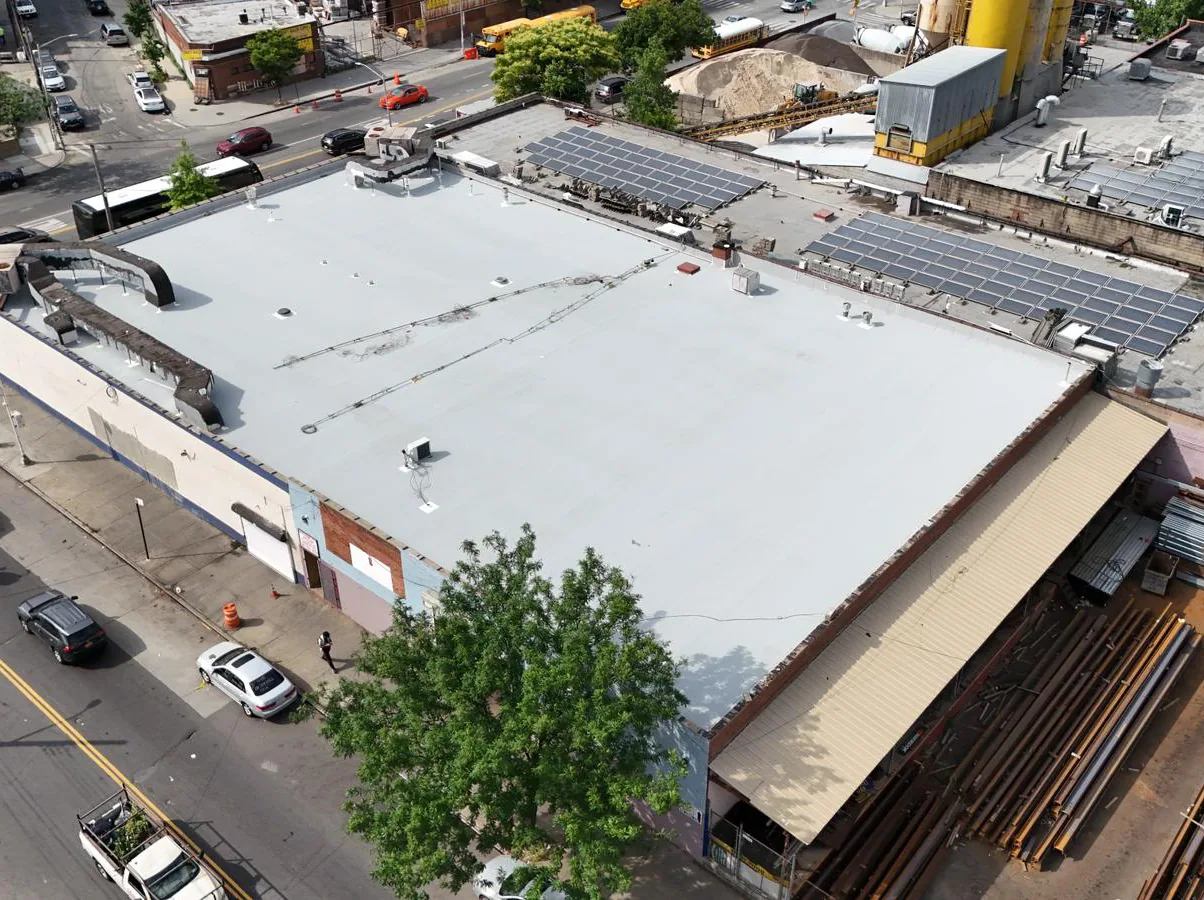
Layers, penetrations, and moisture. A roof on an older commercial block may carry several generations of repairs, abandoned pipes capped with mastic, drains that have been moved or blocked, and flashings that were never tied to parapets properly. Attic spaces, parapet walls, and masonry copings can all hold water that does not show on the ceiling below.
The first walk therefore records what is there before anyone proposes a scope. We photograph every parapet, drain, and penetration, probe the membrane, and take moisture readings. The drawings and the roof often disagree, and a historic address says nothing about the roof system. A core cut shows the actual layers, and that sample is what the design team reads.
Roof access is its own issue on a historic block. Ladders, hatches, and parapet heights vary, and some roofs are reached only through a neighboring building. We note how the crew gets up, where materials can be staged, and which walkways need protection, so the first day of work does not turn into a hunt for a way onto the roof.
How does redevelopment change the roof plan?
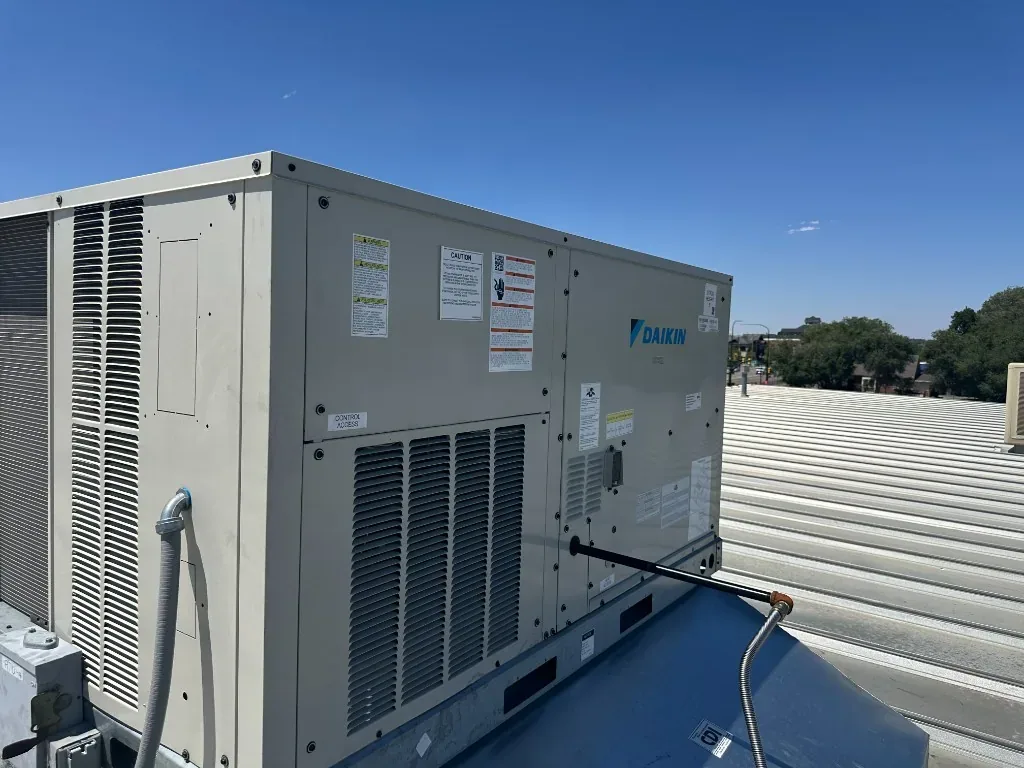
New uses bring new loads, new mechanical equipment, and new tenants, and the roof has to accommodate each. Residential conversion adds plumbing vents and exhausts. Retail adds rooftop units. Office space adds equipment and sometimes solar or antennas. Every opening needs a curb, a flashing, and a plan for future access.
We coordinate with the architect and the mechanical contractor so that curbs, penetrations, and drainage are designed together. A rooftop equipment curbs and supports plan done at the start avoids cutting new holes into a new roof. Drains and scuppers are sized to the real roof area, and overflow is set so a clogged main drain does not load a historic parapet.
Why do parapets and masonry details deserve extra attention?
Because water finds them first. A parapet wall holds coping, counterflashing, and the top edge of the membrane. A cracked coping joint, failed sealant, or loose termination lets water behind the flashing and into the wall. On older masonry, that water can freeze, expand, and break mortar, which turns a roofing problem into a masonry one.
We probe coping joints, check counterflashing, and note any cracked masonry caps. Temple logs about 26 freezing nights a year, so water that enters a wall in fall can do damage by winter. The edge metal, coping, and gutters findings are ranked by exposure, and masonry repairs are flagged for the right trade before the roofing work covers them.
What did the 2024 storms mean for downtown roofs?
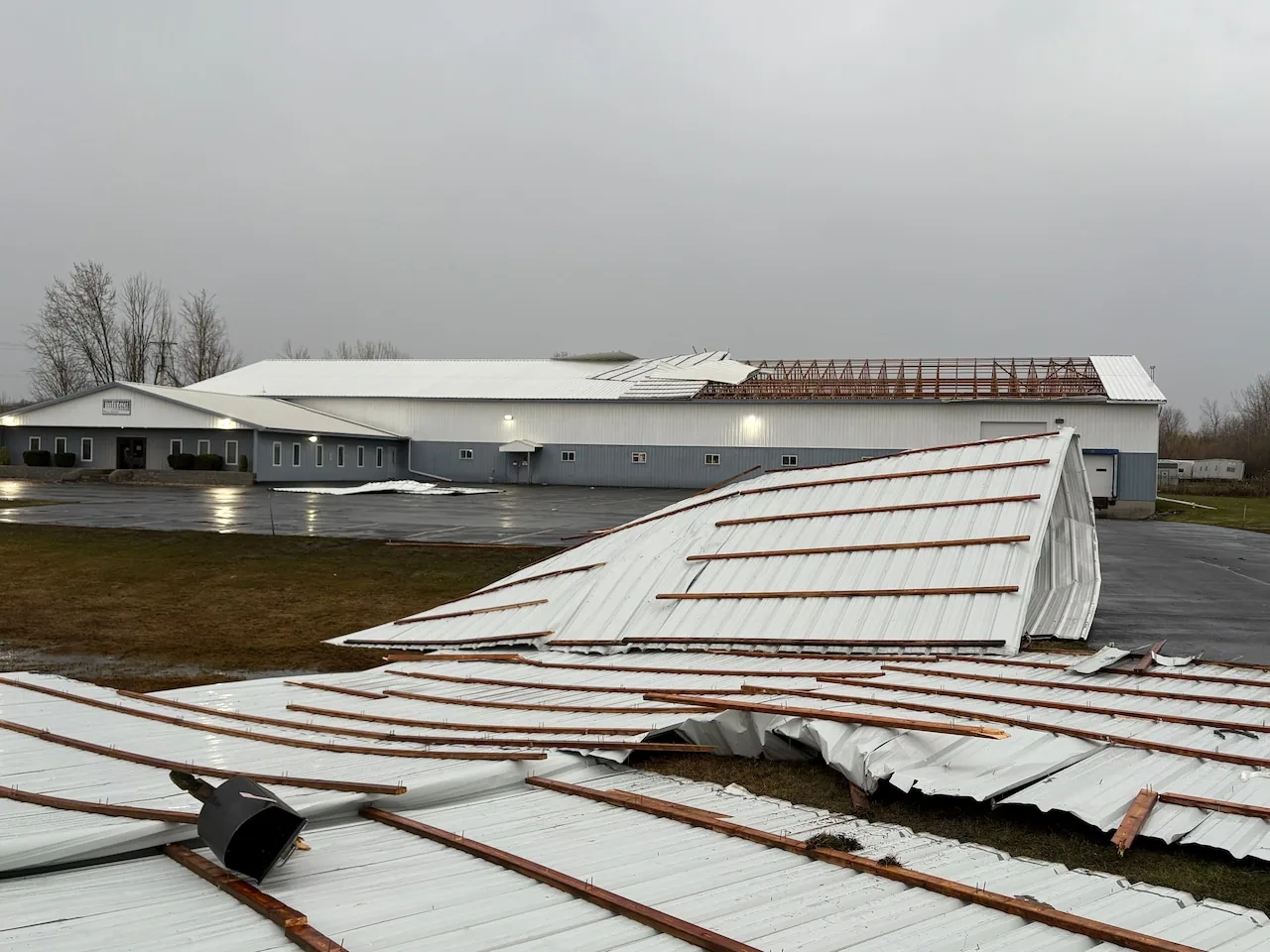
Temple's EF-2 tornado of May 22, 2024, which reached about 120 mph and hit restaurants, shops, banks, and strip malls, came with estimated straight-line gusts of 80 to 90 mph. That is context, not a verdict on any downtown building. It is a reason to check coping, parapet caps, and rooftop equipment after any severe wind event.
After a storm, we compare the roof with earlier photographs, mark displaced metal, and list punctures from debris. A storm damage roof repair list separates make-safe items from permanent repairs. For a building in the middle of renovation, the list also tells the contractor what must be protected before the next storm arrives.
How do incentives and phasing affect the roof budget?
Through the city's Strategic Investment Zone, downtown business owners can apply for incentive grants, and the Texas Downtown Association picked Santa Fe Plaza and the Santa Fe Market Trail as the top public improvement among cities above 50,000 residents. Roof work can be weighed alongside façade and interior projects when a grant or a lender is involved.
Phasing helps. A roof can be repaired in sections, coated if it is dry and sound, or replaced as part of a larger renovation. We provide a written record and a ranked scope, so the owner can match roofing to the grant calendar and the construction schedule. Each recommendation shows the findings behind it, so the roof decision can be defended to a lender or a funder. A roof file that shows photographs, readings, and a priced scope is far easier to attach to an application than a verbal estimate, and it carries forward to the next owner if the building is sold.
Can tenants stay open during the work?
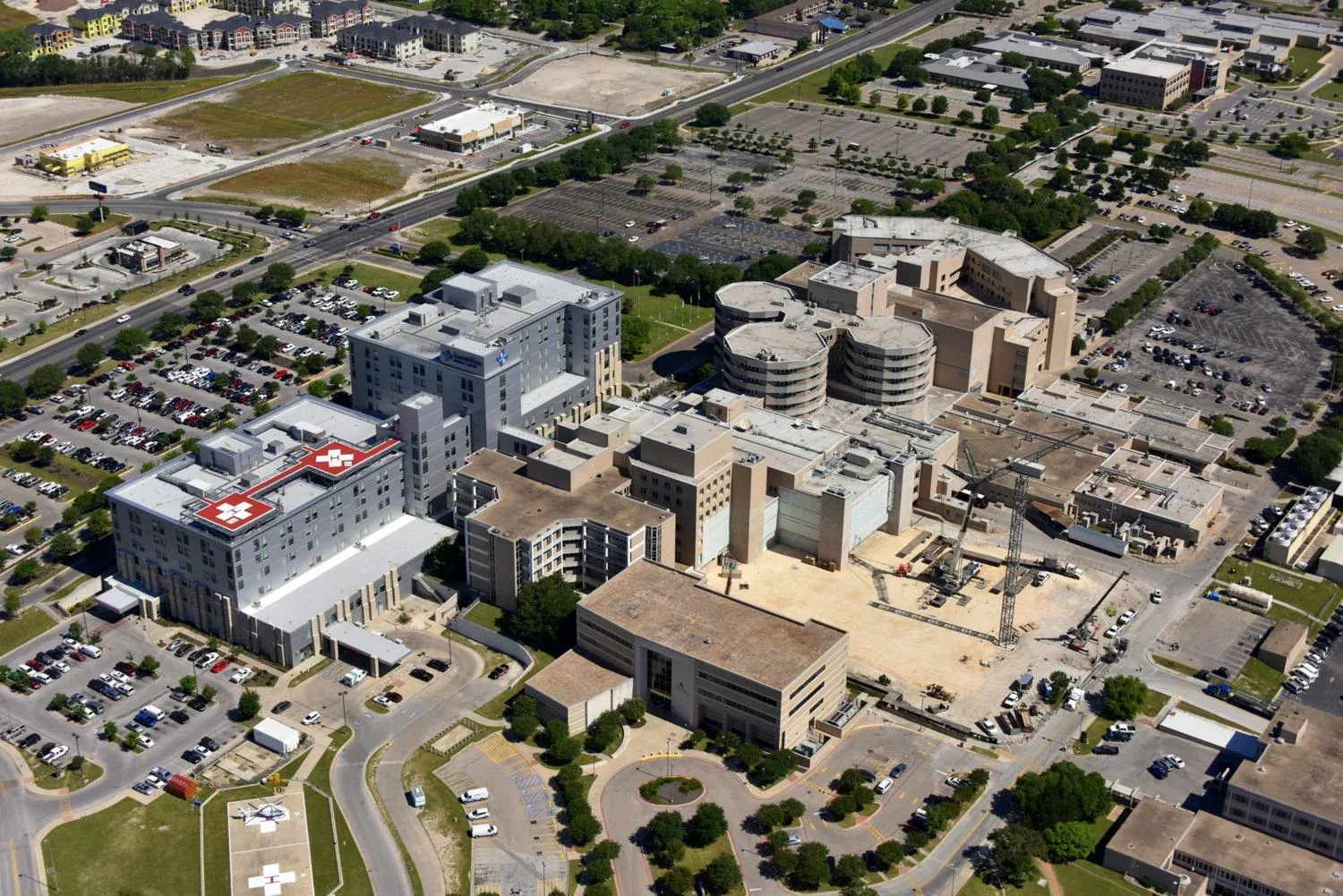
In most cases, yes. Phased zones, noise scheduling, and protection below the open area let a shop or office keep trading. Streets and sidewalks around downtown blocks need hoisting and delivery plans, and the crew coordinates with the city on permits and street use. The occupied building reroofing routine applies directly. Owners with property in nearby Temple neighborhoods get the same format of record, and those with buildings in the Temple Medical and Education District can compare roofs across both areas on one page.
Daily closeout is simple and strict: debris swept, openings dried in, equipment tested, photographs taken, and a short report sent. Retail and restaurant tenants downtown tend to have little tolerance for dust and noise during business hours, so the loudest steps are scheduled for early mornings or closed days, and the plan names them in advance so there are no surprises for the people inside. Residents of any converted upper floors get the same notice, with the quiet hours they care about named alongside the retail ones.
Commercial Roofing Questions
Do historic buildings need special roofing materials?
Sometimes. If a building is protected or a grant requires period appearance, the visible roof elements may be limited. Concealed layers, flashings, and drainage are usually free to be modern. We record what the owner must keep and what can change, so the scope fits the project's rules.
What should an owner do before buying a downtown building with an old roof?
Get a roof survey with core cuts and a moisture map. It shows layers, wet insulation, drain condition, and likely repair needs. The findings help price the purchase and plan the first-year capital spend. A due-diligence survey is far cheaper than discovering a failed roof after closing.
Why are abandoned penetrations a problem?
Each one is an opening that was sealed by an earlier trade, often with mastic that has dried and cracked. Left alone, they leak. We inventory them, recommend removal where possible, and flash the openings properly. The inventory also stops new trades from reusing a bad penetration.
Can a downtown roof be coated instead of replaced?
If the membrane is intact, attached, and dry beneath, a coating can extend life. Moisture mapping and core cuts decide it. Coating does not fix wet insulation or damaged parapets, so those items are repaired first. The written findings say which route fits the building.
How do street closures affect roof work?
They shape the delivery and hoisting plan. Material staging, crane placement, and debris chutes need city approval on tight blocks. We build the plan with the owner and the city, and the schedule includes time for permits. Surprises on the street cost more than planning ahead.