Loop 363 Corridor
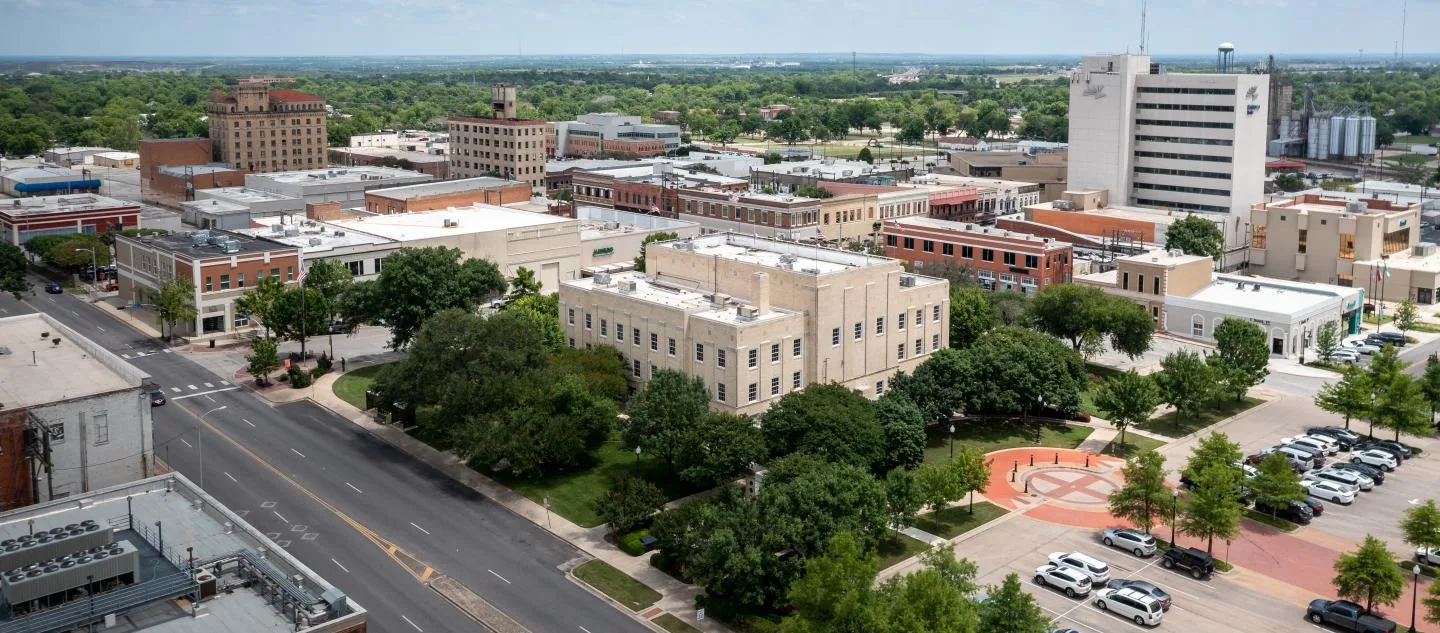
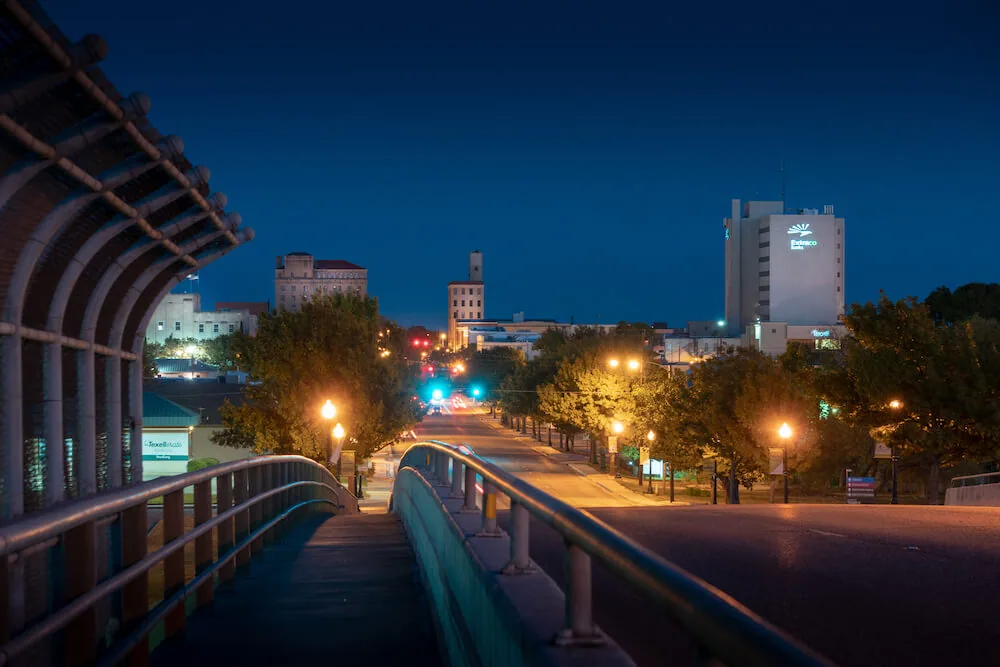
Which of your roofs shares a weakness with the one that just failed? On a loop that runs 17.1 miles around a city, that question has a geographic answer as well as a technical one, because buildings on opposite sides of the road can sit under the same storm and still have nothing in common. Loop 363, also called the H.K. Dodgen Loop, encircles Temple and links Interstate 35 with SH 53, FM 2305, Spur 290 and Airport Road, while US 190 and SH 36 share its alignment through the city.
For an asset manager with several addresses along it, the useful unit is not the road. It is the roof, and the record of what is on it. We build that record one address at a time and rank the set, so that when one roof fails the next decision is already half made.
Who decides what in the first hour?
A failure call needs a short chain of decisions. One person decides how the opening is closed, whether with a tarp or a temporary dry-in. Someone confirms access to the roof and the building below it. Someone decides whether the other buildings in the portfolio need a look. We separate those so the caller is not asked to make all three at once: the make-safe step goes first, then the record, then the portfolio question.
Every make-safe step goes into the log with its photographs and the hour it was done. The portfolio question is answered from the register: which roofs share the same edge detail, the same membrane or the same age, and which sit near each other. We do not promise arrival times. What we confirm is a dispatch window, set after the address, the access and the forecast are known.
How do you rank roofs scattered around a loop?
The register has two scores for each roof. Exposure reflects what the roof is: its system, its edge detail, its drainage and its condition on the last walk. Consequence reflects what a leak would cost: stock, equipment, tenants, continuity. A roof with high exposure and high consequence goes first. A roof with high exposure and low consequence can be held. The ranking sits in the file and changes after each inspection.
Distance is a third factor. A loop road puts addresses at different compass points, and a crew that finishes one repair can reach another if the list is built with the route in mind. We group work by area and by urgency, wherever in Temple the address sits on the loop, and we note which items can wait for a visit to the same side of the city. That keeps holding repairs fast and permanent work efficient.
What goes into the intake record for each address?
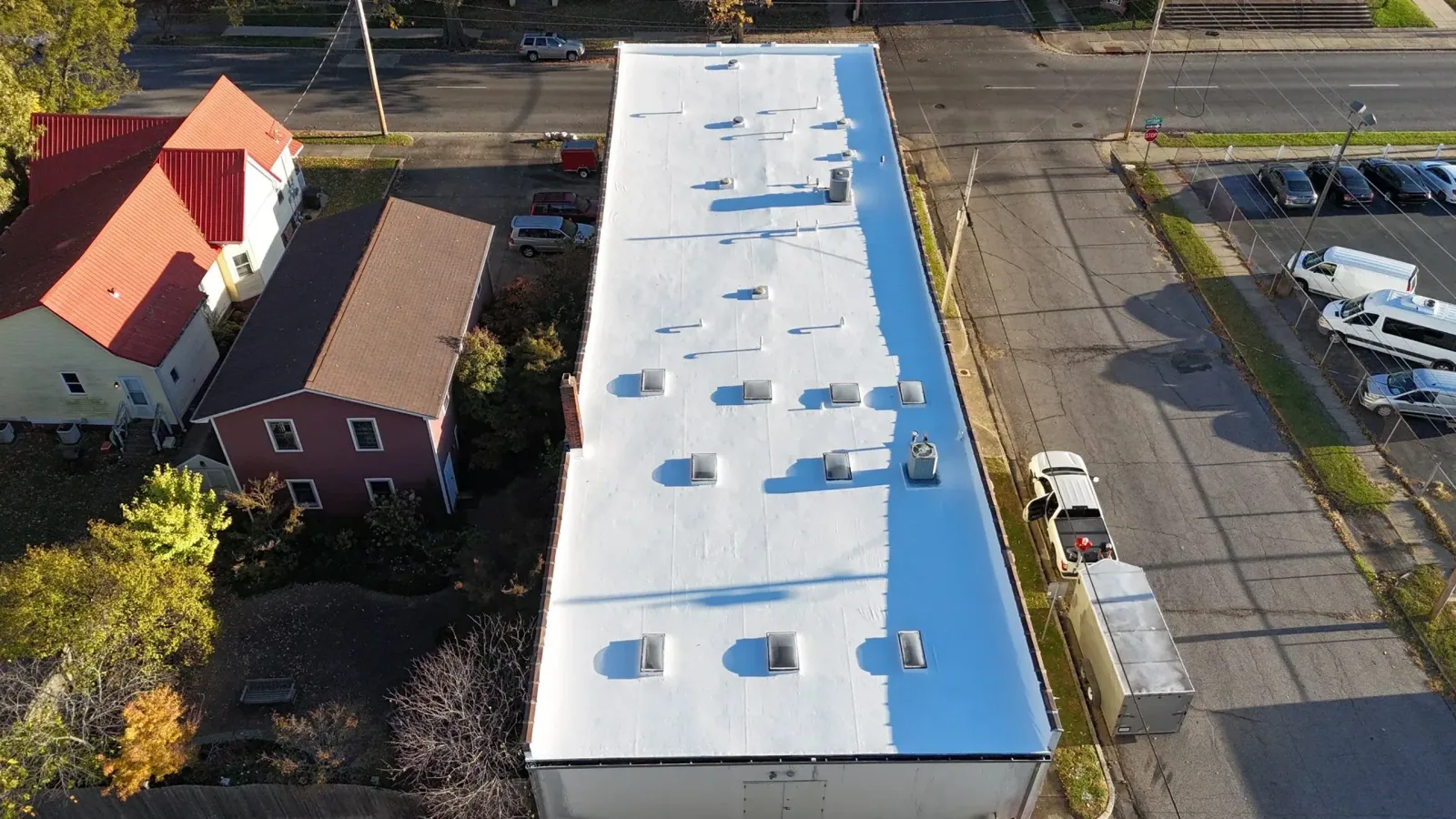
Each address gets its own entry: roof system, approximate area, insulation if known, deck, penetrations, drain locations, edge detail and the access route. Photographs are tagged by roof section and dated. A rooftop sketch fixes the position of every finding, and moisture readings are marked on it. Gaps are listed too, such as an unknown insulation type or an unconfirmed age, so the manager can see what is estimated.
The page also lists the decisions that belong to the owner: whether to give notice to a warranty issuer, whether a temporary measure should be replaced by a certain date and which tenants must be told before work begins. When the register is built this way, a call about one roof takes a minute to place in context, and the answer to the portfolio question is already on file.
The register is not a report written once. It is updated at the spring walk, after each storm and after each repair, so that the ranking reflects the roofs as they are.
What did the 2024 storms show about shared exposure?
On May 22, 2024 an EF-2 tornado struck Temple, damaging restaurants, shops, banks and strip malls and injuring 30 people, and a weaker EF-1 tornado formed near Little River-Academy that night. Estimated straight-line gusts reached 80 to 90 mph across the city. These events are inspection context and not a verdict on any roof along the loop.
They do show how a single event reaches many addresses. Edge metal, coping, rooftop equipment and light-gauge panels are the details that tend to move first, so they are the first items in a post-storm walk. The tornado damage sequence and the edge metal and coping checks use the same photographs and the same register.
How does summer change the ranking?
By the 1991-2020 normals, August highs in Temple sit near 95F, and the thermometer clears 90F about 80 days in a year. Heat does not announce itself as an event. It works on sealants, seams and surfaces across the season, and by September a roof that was borderline in spring may be open. That is why the spring baseline and the autumn comparison matter: the pair shows how fast each roof moved, and the ranking is adjusted to match.
The same logic covers winter. Temple records about 26 freezing nights a year, and Central Texas had 9 days at or below freezing in February 2021. Freeze-thaw cycles open small cracks, and trapped moisture expands. A roof with a known wet area is ranked higher before the cold season than after the repair. Heat and UV damage findings go into the same record.
What does the I-14 study mean for roof access?
TxDOT is studying improvements to Loop 363, US 190 and SH 36 from I-35 to SH 95 to accommodate a future I-14 extension, and expects construction on the extension to Temple to begin around 2027. For roof work, the practical point is that access along parts of the corridor may change. We confirm the current approach on the day, plan deliveries and cranes around lane and driveway conditions, and note any detour in the job file.
Owners planning large projects along the loop, or on the nearby Temple Outer Loop, may want to schedule them with that timeline in mind. A reroof in a quiet year of road work is easier to stage than one in a busy year, and the written recommendation states the working window and the access assumptions behind it.
What are the permanent options?
A holding repair buys time. The permanent scope follows the findings: repair where defects are local and insulation is dry, a coating restoration where the membrane is sound, a recover where the base can take a second layer, replacement where wet areas are wide. Each option is priced and set beside the others, and the asset manager picks against the capital plan.
Commercial Roofing Questions
Which roof on the loop should be inspected first?
The one with the highest combined exposure and consequence. The register ranks them, and a spring walk updates the order. After a storm, roofs with open details go ahead of sound roofs.
Do you promise an arrival time on a failure call?
No. Our answer on timing is a window, set after the address, access and forecast are known.
How are repairs grouped across the city?
By urgency and area. Holding repairs are done quickly, and permanent items are grouped by side of the loop so that one trip can cover several.
How can a failure on one roof help the others?
It points to shared details such as edge metal, membrane type or age. We check the same details on other roofs in the portfolio and rank them by what we find.
Will I-14 work affect my roof schedule?
It may affect access on parts of the corridor. We confirm the route on the day and note detours in the job file.