
Temple, TX
Roof Damage Repair
Roof damage repair in Temple, TX by failure type: wind, tornado, ponding, flashing, seams, punctures, fire, and heat, each traced to cause before repair.
Roof Damage Repair
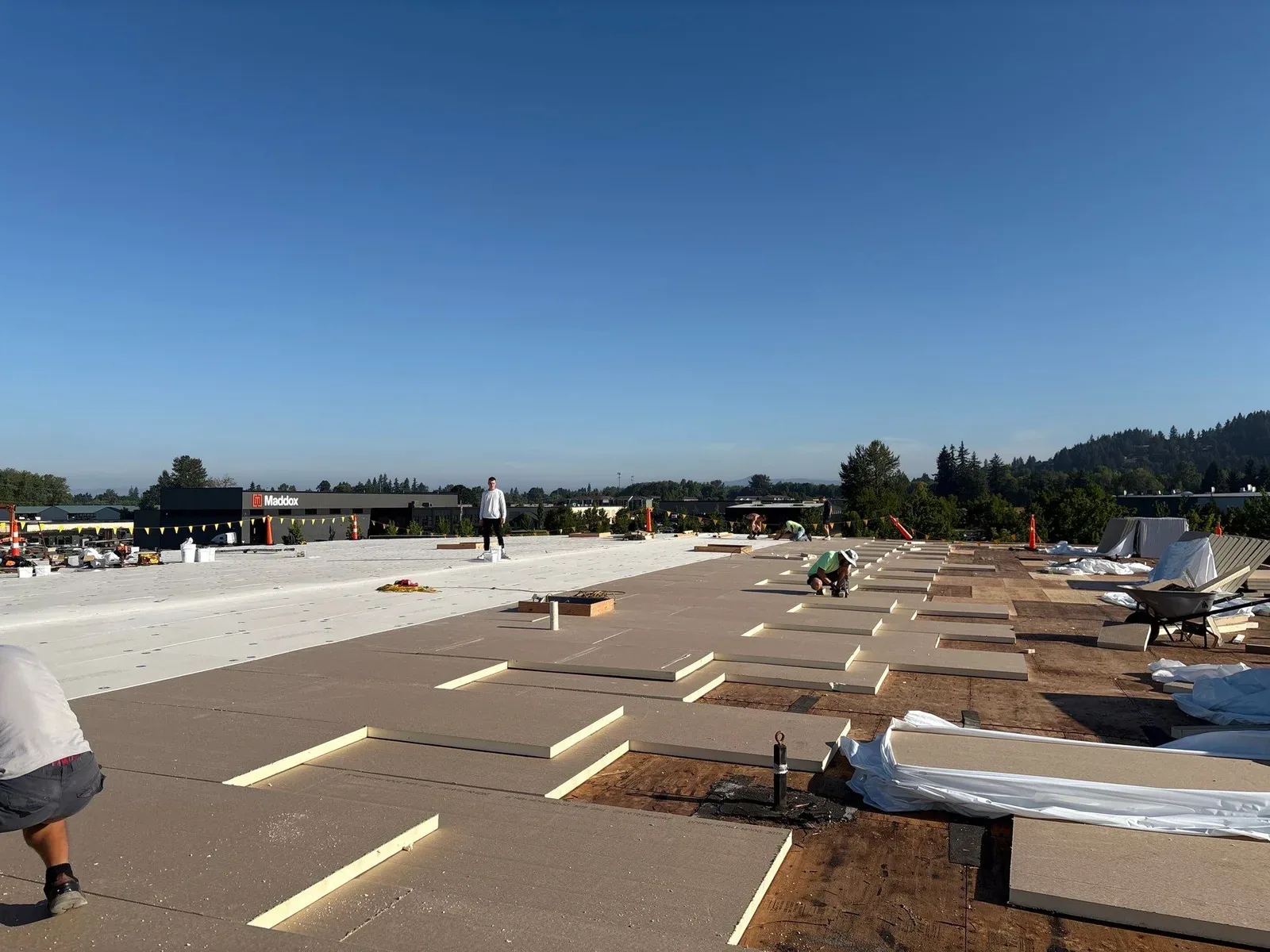
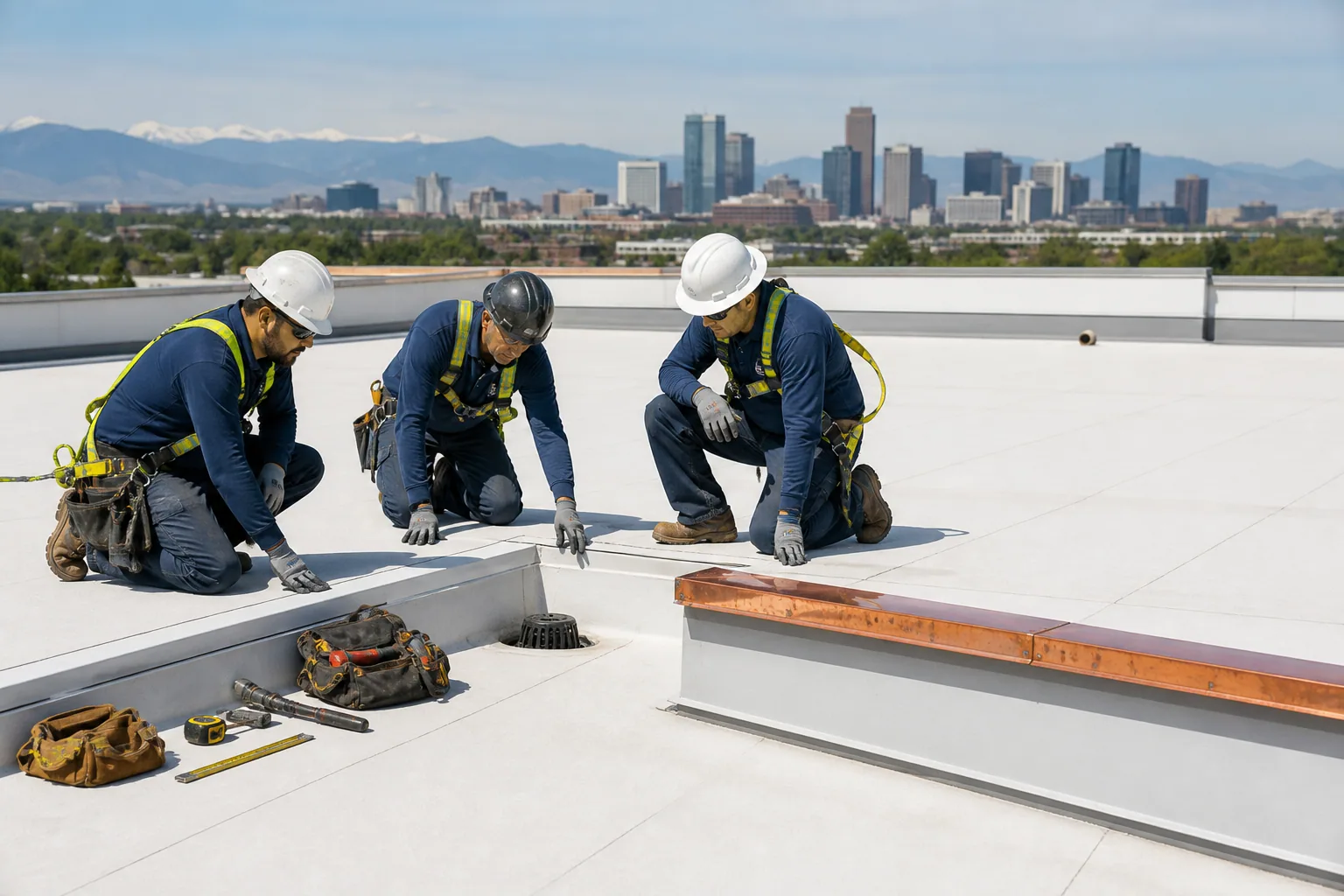
Name the failure first, then pick the fix. A roof that is leaking at a seam, a roof that has lost its edge metal, and a roof that is holding a pond need different repairs, and a patch applied to the wrong cause fails in a year. Commercial roofs in Temple, TX take wind from spring storms, heat through a long summer, and standing water after heavy rain. Sorting repairs by failure type lets an asset manager match what is happening on the roof to what has to be done about it.
Which failures follow wind?
Lifted edges, displaced coping, and torn terminations call for wind damage roof repair. The heavier case is tornado damage roof repair: the EF-2 tornado of May 22, 2024 brought winds near 120 mph across Temple, with a line of straight-line gusts estimated at 80 to 90 mph behind it. Edges and equipment fail first, and the repair starts there, with the make-safe step recorded before the permanent scope is priced. Rooftop units that slid on their curbs are reported to the mechanical contractor at the same time.
Which failures follow water?
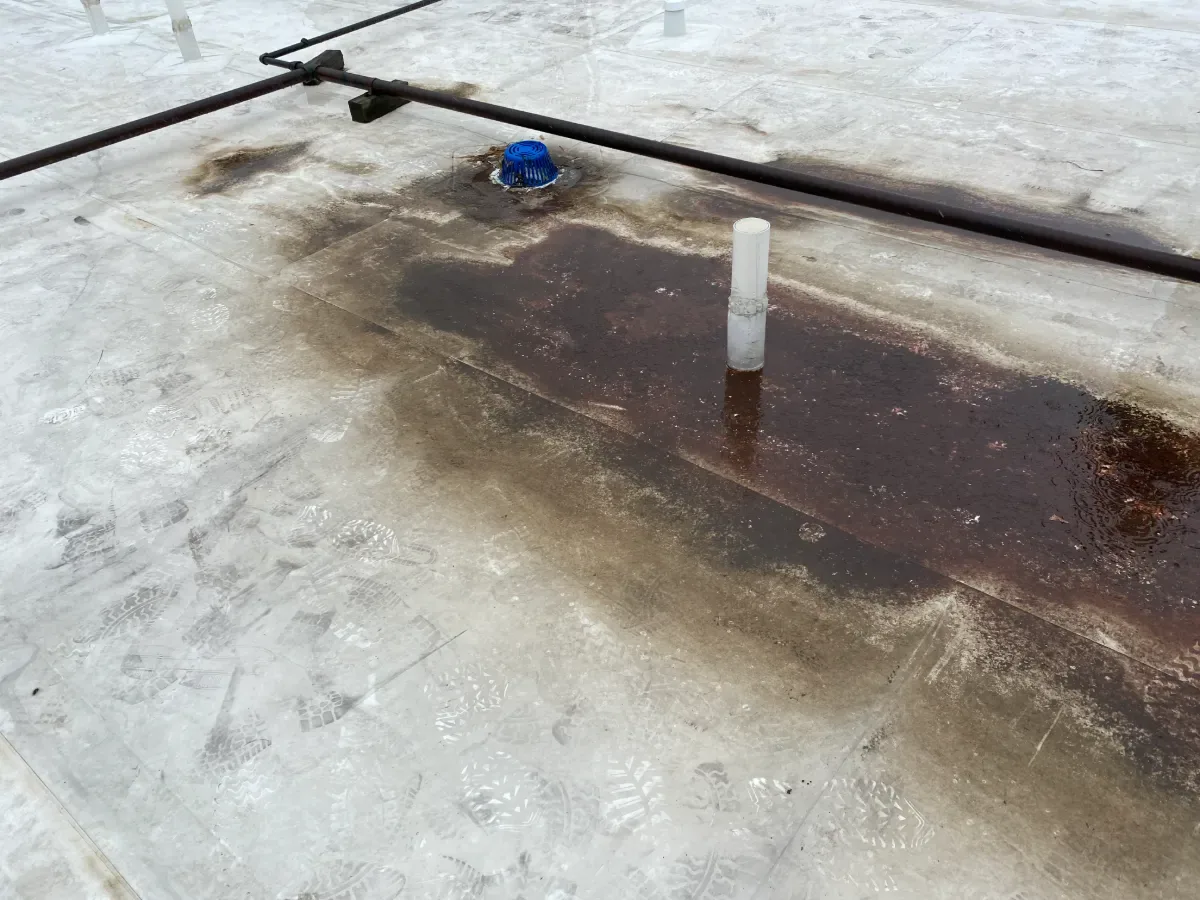
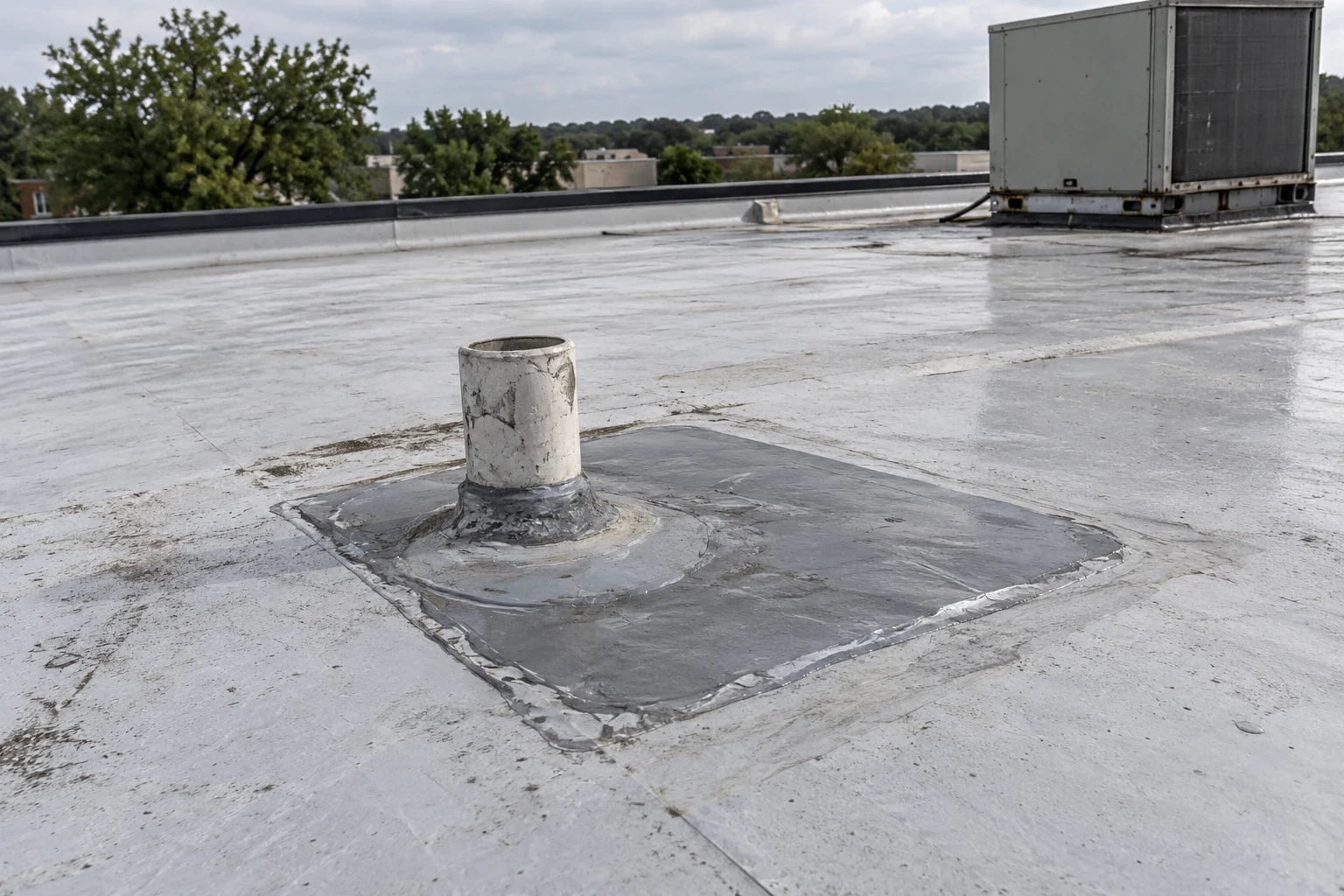
Ponding water roof repair starts with a level and a rainy morning. Standing water ages seams, loads the deck, and hides leaks. The fix may be a clean drain, an added outlet, tapered insulation, or a coating that tolerates water. Temple collects roughly 39 inches of rain and other precipitation in a year, and May is the wettest month, so the measurement is taken after a real rain and repeated two days later. Curbs, parapets, and penetrations are where water most often enters, and flashing failure repair starts at the worst corner on the list.
Which failures are in the membrane itself?
Open laps and weak welds, found by probing by hand, lead to seam failure repair. Holes from tools, debris, and traffic lead to membrane puncture repair. Each repair is matched to the sheet, since a patch of the wrong chemistry will not bond. A test patch, pulled after cure, proves the bond before the whole repair is trusted.
Which failures come from sun and fire?
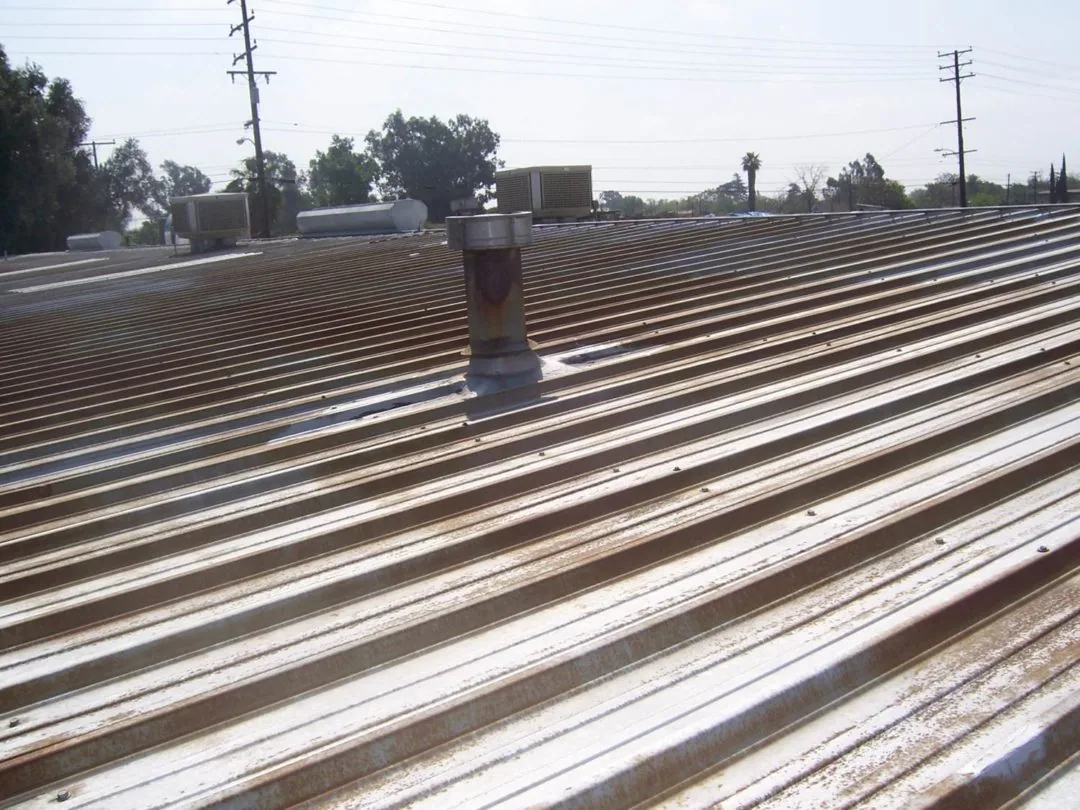
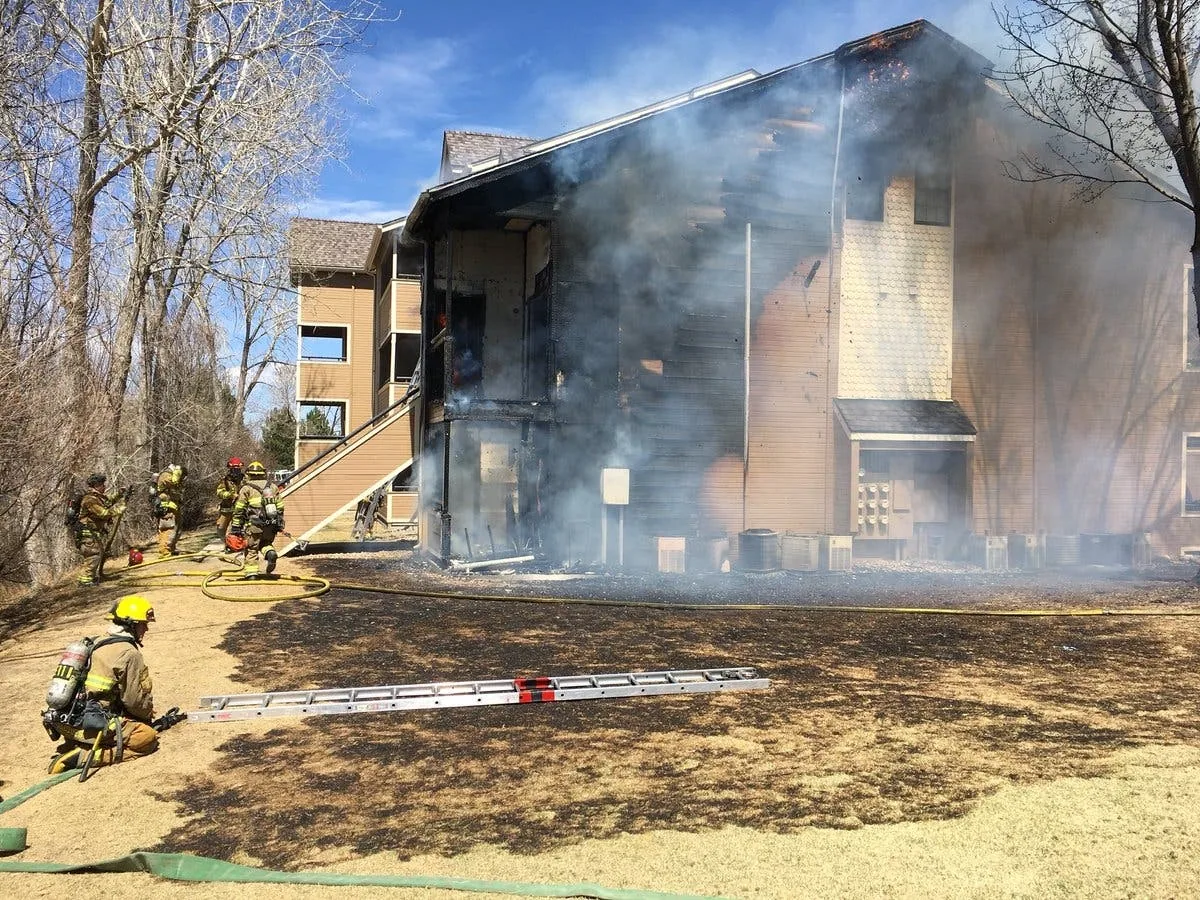
Crazing, chalking, blistering, and sealant failure are the territory of heat and UV roof damage repair. August highs near 95F and about 80 days a year above 90F make these the slow failures of Temple roofs. Scorched membrane, damaged decking, and the water that follows the fire department make up fire damage roof repair. Each one comes with its own safety steps before anyone walks the roof.
What does every repair record contain?
Photographs before and after, a location on the roof sketch, a description of the failure mechanism, the material used, and the conditions at the time. A holding repair is labeled as such, with a date to revisit it. The record separates storm damage from old wear, which helps when an insurer, a lender, or a tenant asks what changed.