Restaurant Roofing
A kitchen exhaust fan throws grease onto a roof membrane for years, and the membrane does not complain until it does. Then a ceiling tile over the dining room drops during the lunch rush, and the owner has to decide in the first hour whether to close a section, call the landlord, or send a crew up. Restaurant roofs in Temple, TX fail where heat, grease, and equipment meet, and the May 22, 2024 EF-2 tornado, which damaged restaurants among other buildings, put wind in the same conversation.
What fails first on a restaurant roof?
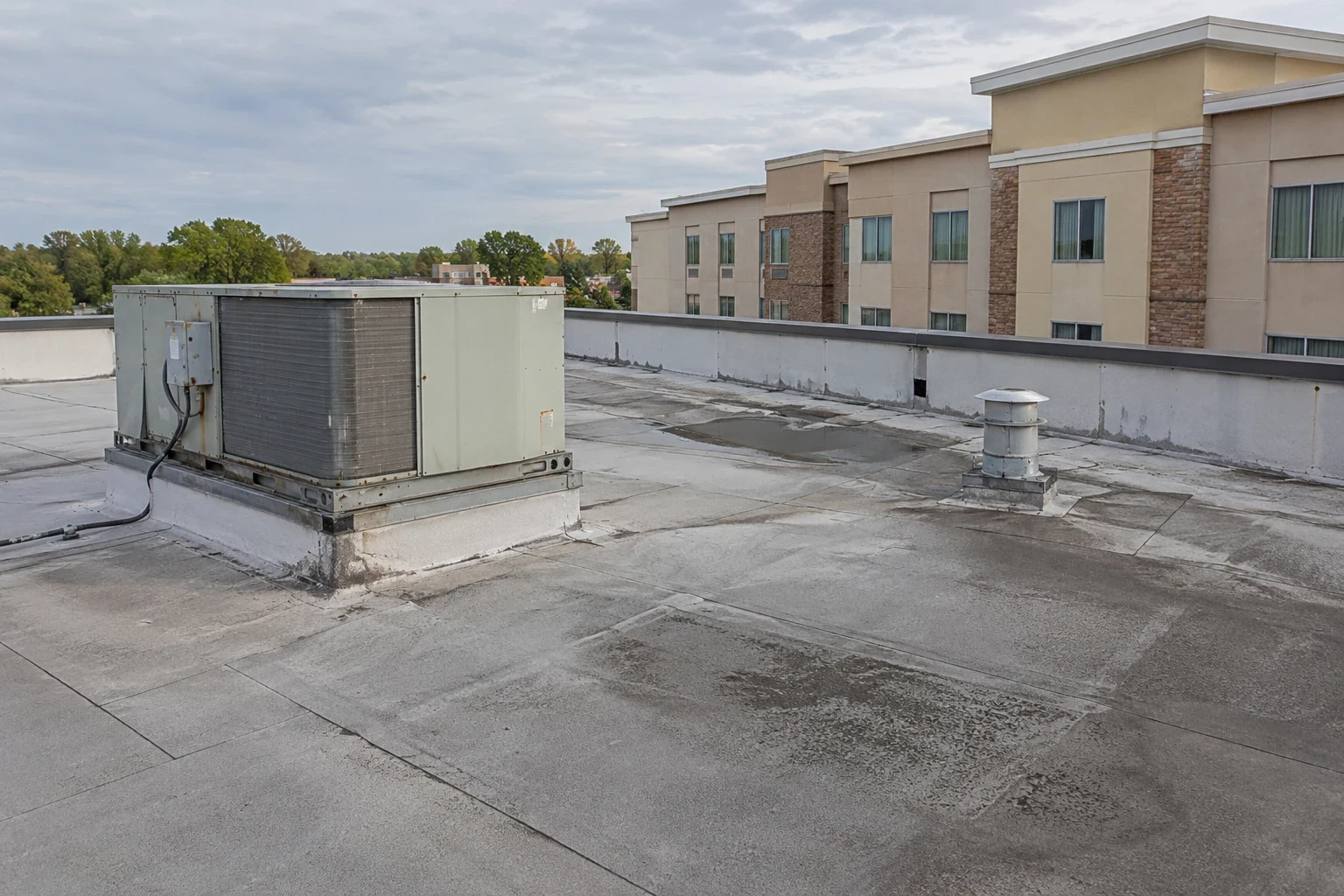
Flashing and membrane around the exhaust equipment. A restaurant roof carries kitchen exhaust fans, make-up air units, grease traps on the surface, refrigeration condensers, and the ductwork between them. Grease softens many roofing materials and carries dirt that holds moisture against the surface. Exhaust curbs flex with heat, and the sealant around them dries and splits.
The first walk starts at the exhaust. We photograph the area downwind of each fan for staining and swelling, probe the membrane for soft spots, and check the curb flashing and containment tray. A Temple summer of 95F August afternoons and about 80 days over 90F cooks kitchen heat into the roof on top of the weather, so the walk comes before and after the hot months. The condition of the surrounding membrane tells us whether to repair, protect, or replace the section.
We also look at the roof drains near the kitchen. Grease and food residue can find their way into a scupper or drain and slow it, and a drain that is half blocked with solidified fat holds water against the membrane. Cleaning the strainer and noting the debris tells the owner whether the kitchen's exhaust cleaning schedule needs attention, which is a separate trade but a shared problem.
What is the make-safe step over a dining room?
The first question is where the water is landing. Over a dining area, the staff blocks off tables and the crew works from the roof. The crew seals the opening with a dry-in or patch. We photograph the opening before covering it, note the curb or seam it came from, and log the time. Over a kitchen, the crew stays clear of cooking equipment, and the hood system is not touched without the restaurant's approval.
The holding repair is labeled temporary, with the materials and the date. The permanent decision, a flashing replacement, a new membrane section, or something larger, comes after the survey. That keeps the first hour clean and gives the owner or franchise group a record to work from.
Which membranes handle grease?
Some single-ply systems tolerate grease better than others. PVC membranes and KEE-modified sheets are commonly specified near kitchen exhaust because they resist fats and oils. Other membranes can swell, soften, or lose seam strength where grease collects. The choice also depends on the roof's current construction and what the owner wants to spend.
On an existing roof, a protective approach can work: a grease containment tray under each fan, a cleaning routine, and walk pads where staff service the equipment. If the membrane near the fan is already damaged, we cut it out and replace it with a compatible section. All of this is listed in the scope, with the reasons, and the owner decides how far to go.
A restaurant beside Interstate 35 or on the Loop 363 frontage is rated on the same scale as any other. A kitchen inside a hotel carries the same exhaust and grease questions on a larger roof, and the one scale fits both.
How does the 2024 tornado shape a restaurant roof review?
Restaurants were among the buildings the National Weather Service listed as damaged by the EF-2 tornado that crossed Temple on May 22, 2024, a storm with peak winds near 120 mph. A weaker EF-1 tornado touched down near Little River-Academy the same evening, and wind estimates across the city ran 80 to 90 mph in straight lines. These are facts about the region, offered as inspection context, and they do not describe any single restaurant.
For a freestanding restaurant, the exposure shows at the edges and on the rooftop equipment. We check the coping, the fascia, and the membrane edge, then examine exhaust fan covers, make-up air units, and their fasteners. A loose fan cover can become debris in a gust, and a restaurant on the highway frontage has traffic and customers close enough to matter. Once a wind event has passed, the walk is compared with earlier photographs to see what moved. On a wind-damaged roof life safety and active leaks come first.
What about grease fires and the roof?
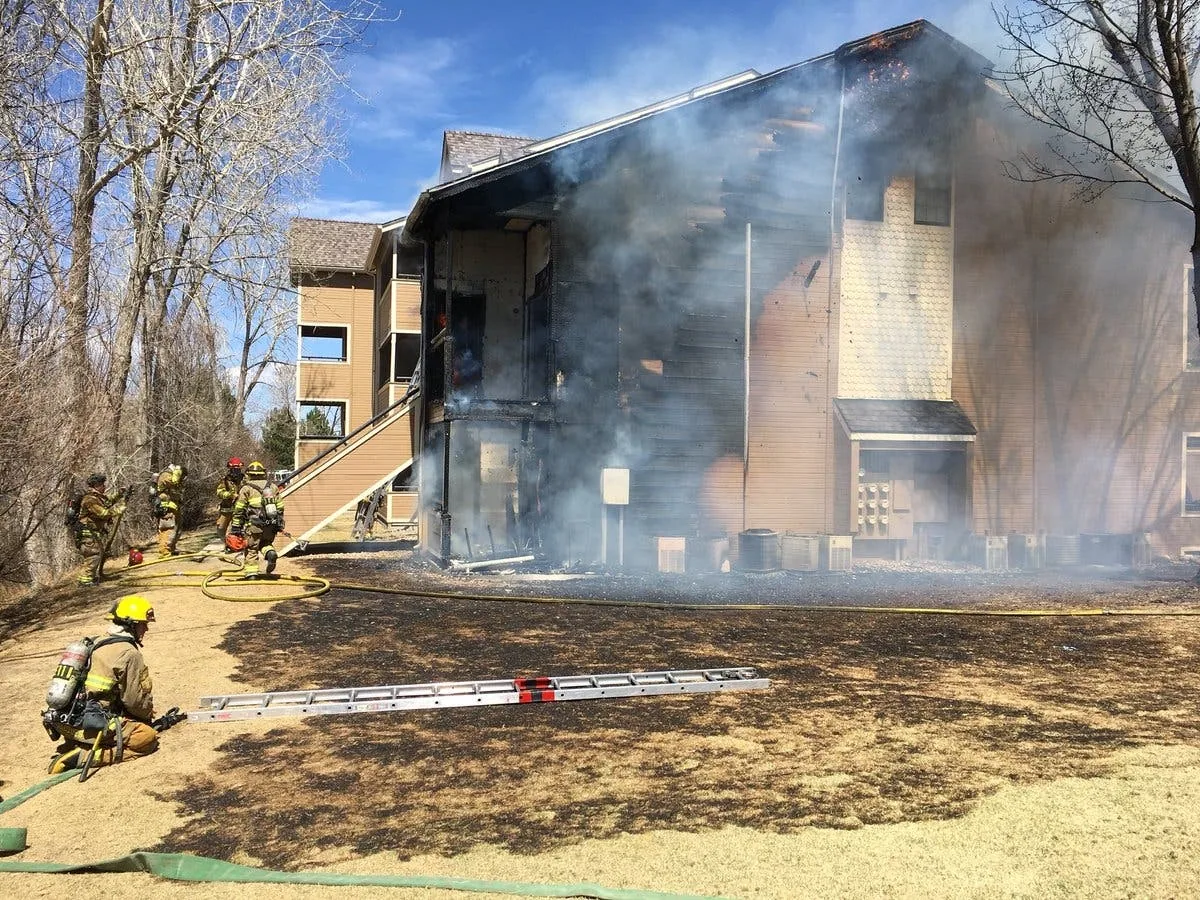
A kitchen fire that reaches the exhaust can damage the roof around the fan, the curb, and the membrane. After any fire event, the roof needs its own inspection, separate from the interior work. The decking, insulation, and membrane near the duct are checked for heat damage, and the findings go into the record for the insurer. On a fire-damaged roof structural safety comes first.
Preventing the problem is cheaper. Regular exhaust cleaning, a working containment tray, and a periodic look at the curb and the membrane around it reduce both leak and fire risk. We note the condition of each at the visit, and the log shows trends.
How does a franchise group rank its restaurants?
A group with several locations needs the same rating at each. Membrane condition near exhaust, flashing and curb condition, drainage, and moisture are scored on one scale, and restaurants sort into repair now, monitor, and plan for replacement. The photographs go with the ranking, so a regional manager reads conditions without driving to the site.
That ranking is the budget tool for a restaurant chain. A location in downtown Temple and one on a highway frontage can be compared directly. Where restaurants occupy bays in a center, the roof is shared with other tenants, as in shopping center roofing, and the landlord's role is included in the plan. Permits follow the Temple Building Department's plan review under the International Building Code.
Commercial Roofing Questions
Why does grease ruin some roof membranes?
Fats and oils soak into certain materials, soften them, and weaken seams. Dirt then sticks and holds moisture against the surface. A containment tray under each fan, regular cleaning, and a grease-resistant membrane near the exhaust slow the damage.
Can the restaurant stay open during roof repairs?
Usually, for repairs. The crew works from the roof, noisy tasks are timed away from peak meal service, and dining areas below are blocked off if a section is open. Larger replacements are phased to keep the kitchen running.
Who decides whether a stained ceiling is a roof leak or a kitchen problem?
We do the roof side of that diagnosis, using moisture readings and the weather record. Grease, steam, and condensation can all stain a ceiling. A leak follows rain and shows at consistent spots. We report what the roof shows, and the restaurant's hood contractor handles the rest.
What is a holding repair for a restaurant?
A temporary measure that stops water entry until the permanent scope is approved. It is documented with photographs, materials, and the date. It buys time without closing the dining room, and the record states plainly what it does not fix.
How often should an exhaust fan area be inspected?
Before the heat season, after it, and any time cleaning crews report heavy buildup. The log tracks staining and swelling at each visit, and the interval is adjusted to fit the kitchen's output.