
Temple, TX
Roof Systems
Commercial roof systems in Temple, TX: single-ply, bitumen, metal, foam, and coatings, with the inspection and repair details each one needs in Central Texas.
Roof Systems
What is actually on the roof, and what does that system need to stay dry? A membrane that suits a clinic may fail near a kitchen exhaust, and a coating that suits a draining roof may peel on a ponding one. Temple, TX roofs face a long, hot summer, spring tornado and straight-line wind risk, and a winter that brings freezing nights, so each system is judged by how it holds up through all three. We install, repair, and maintain each of them, and the owner's decision is easier once the trade-offs are plain.
Which single-ply systems cover most low-slope roofs?
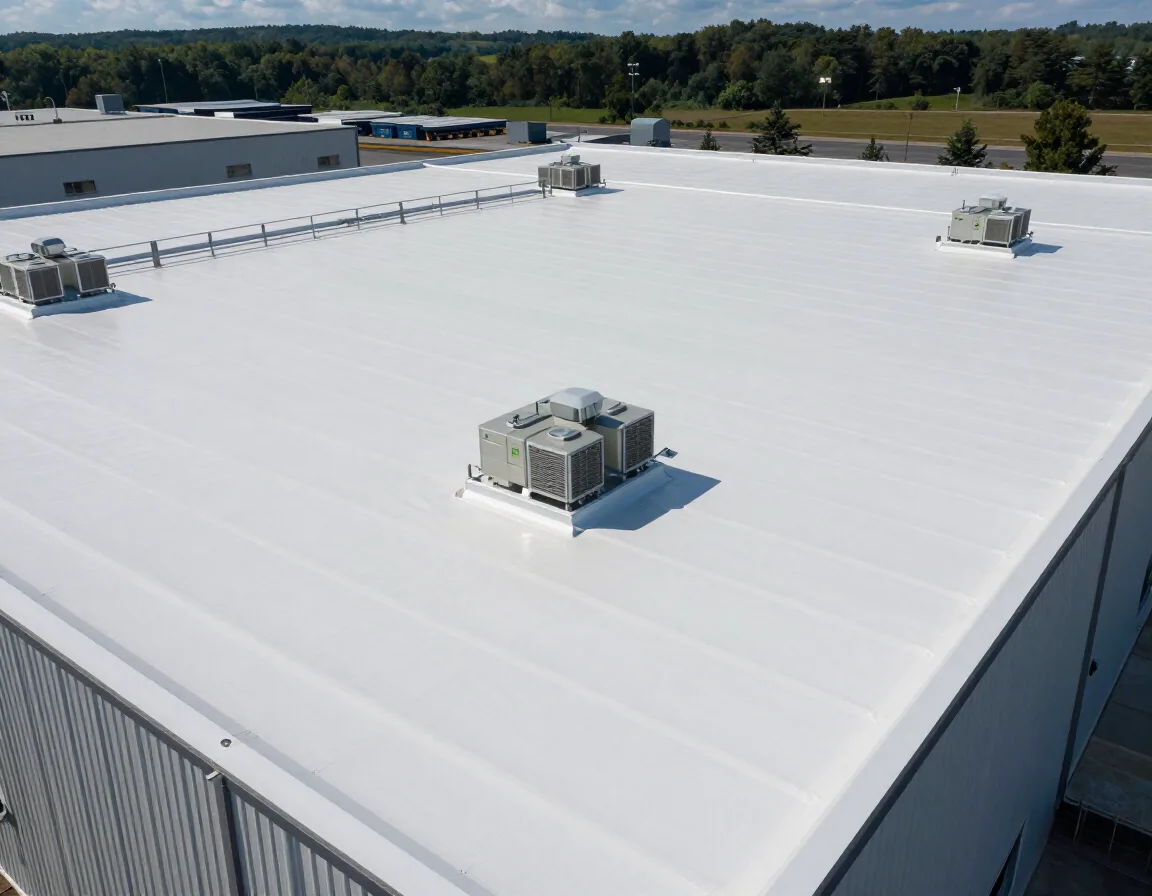
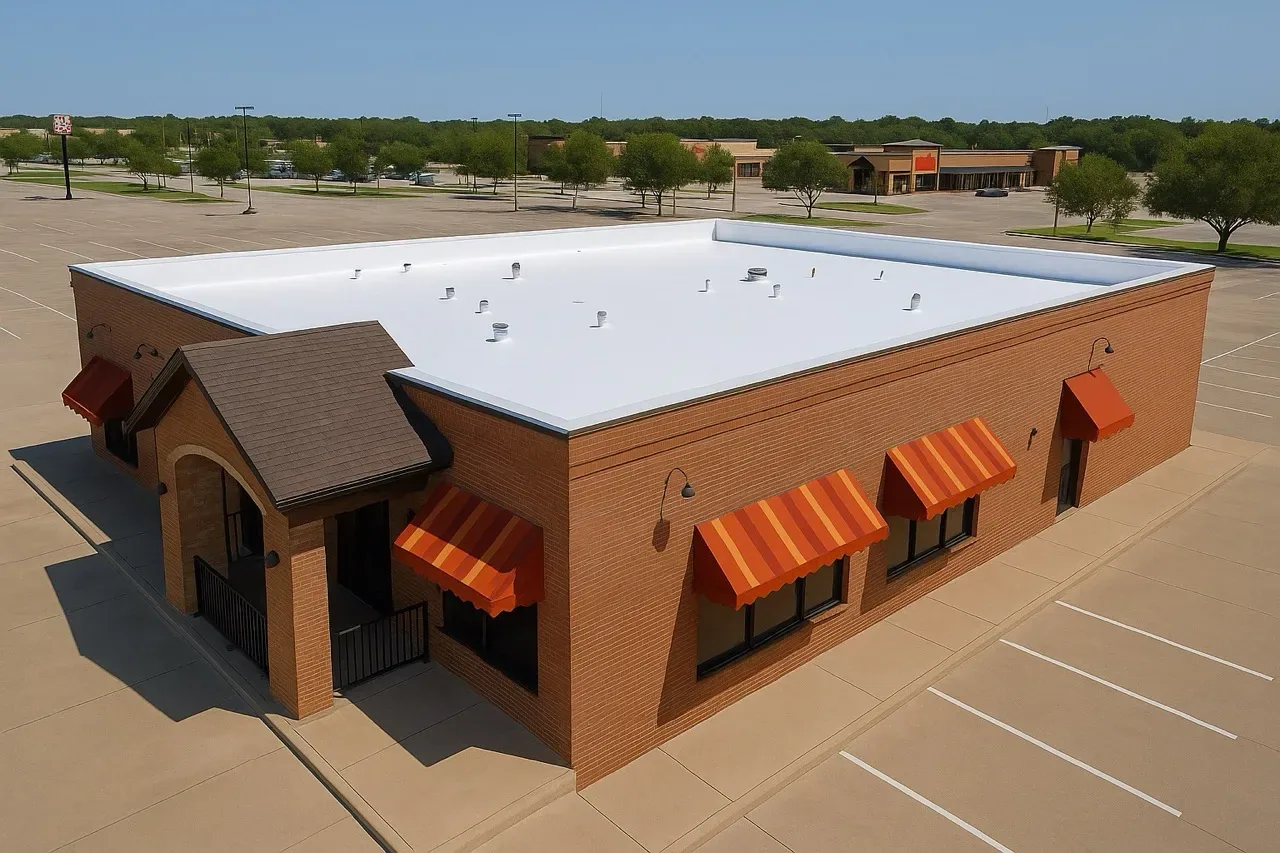
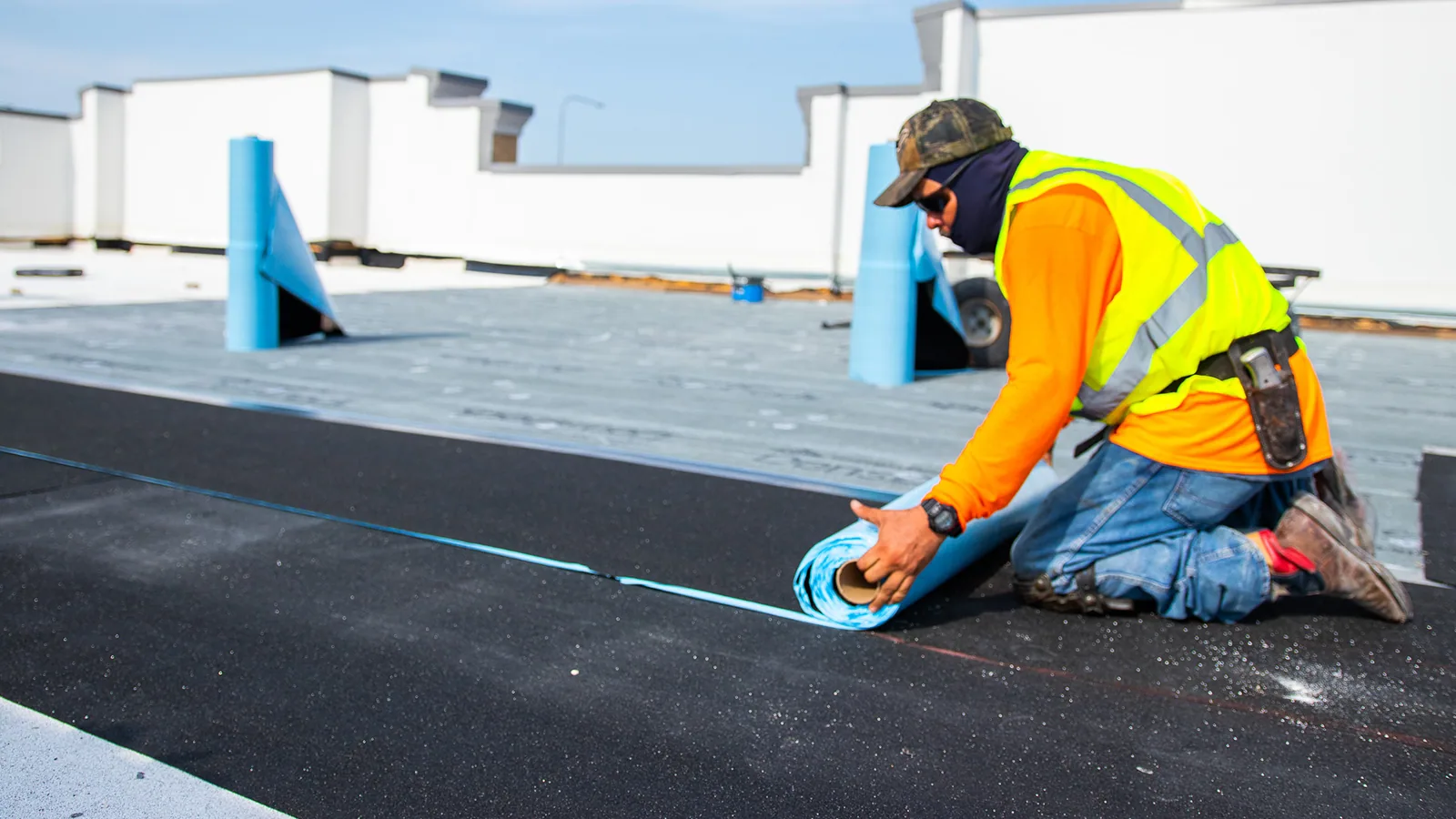
TPO roofing is a white, welded sheet that reflects heat and suits ordinary exhaust. PVC roofing resists fats and many chemicals, which suits kitchens, labs, and plants. EPDM roofing is a cured rubber with taped seams that suits simple roofs. Each depends on seams and flashings, and each gets probed by hand. The record notes seam condition, flashing terminations, and drain status by roof section, so a repair uses material that actually bonds to what is there.
Where do layered and sprayed systems fit?
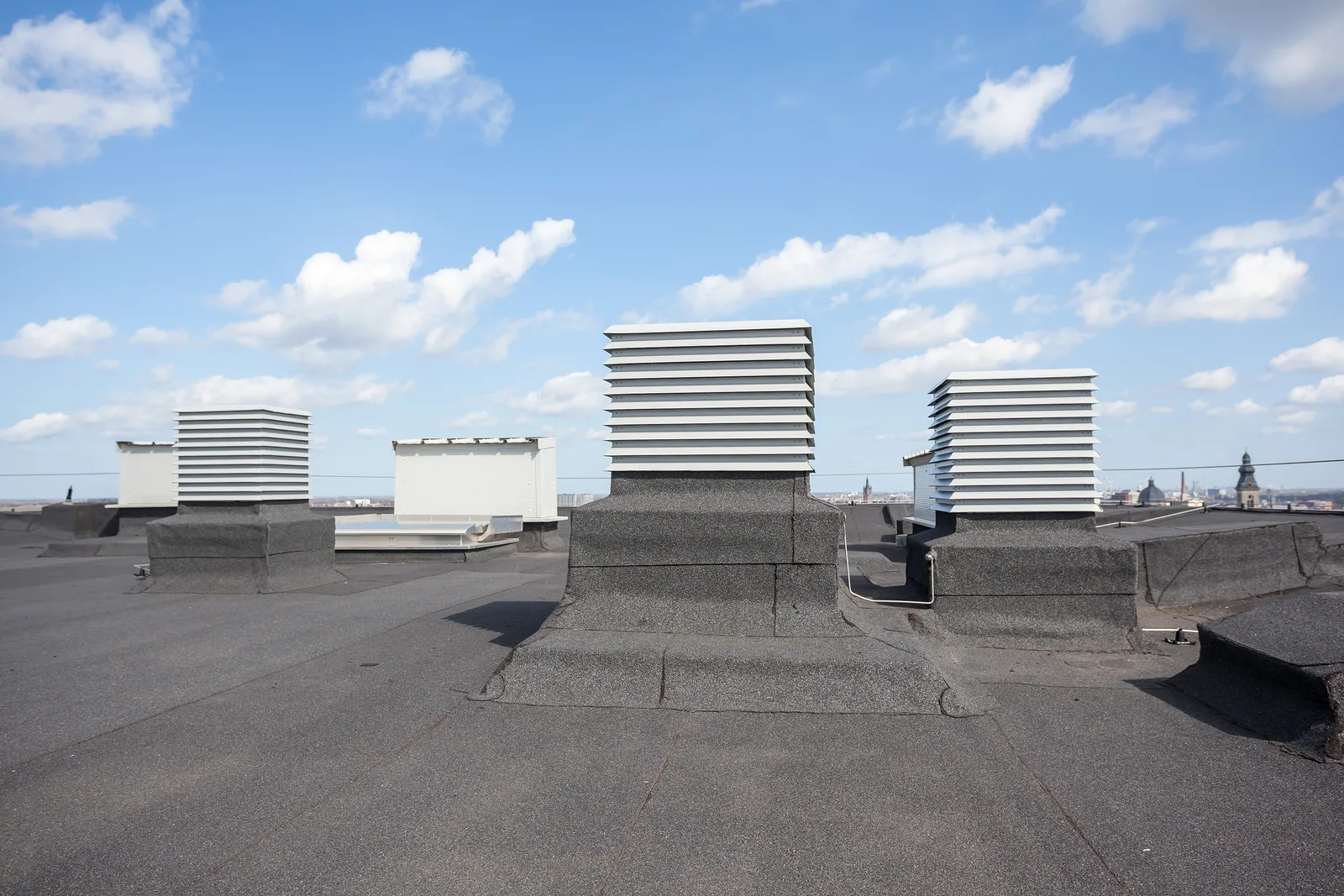
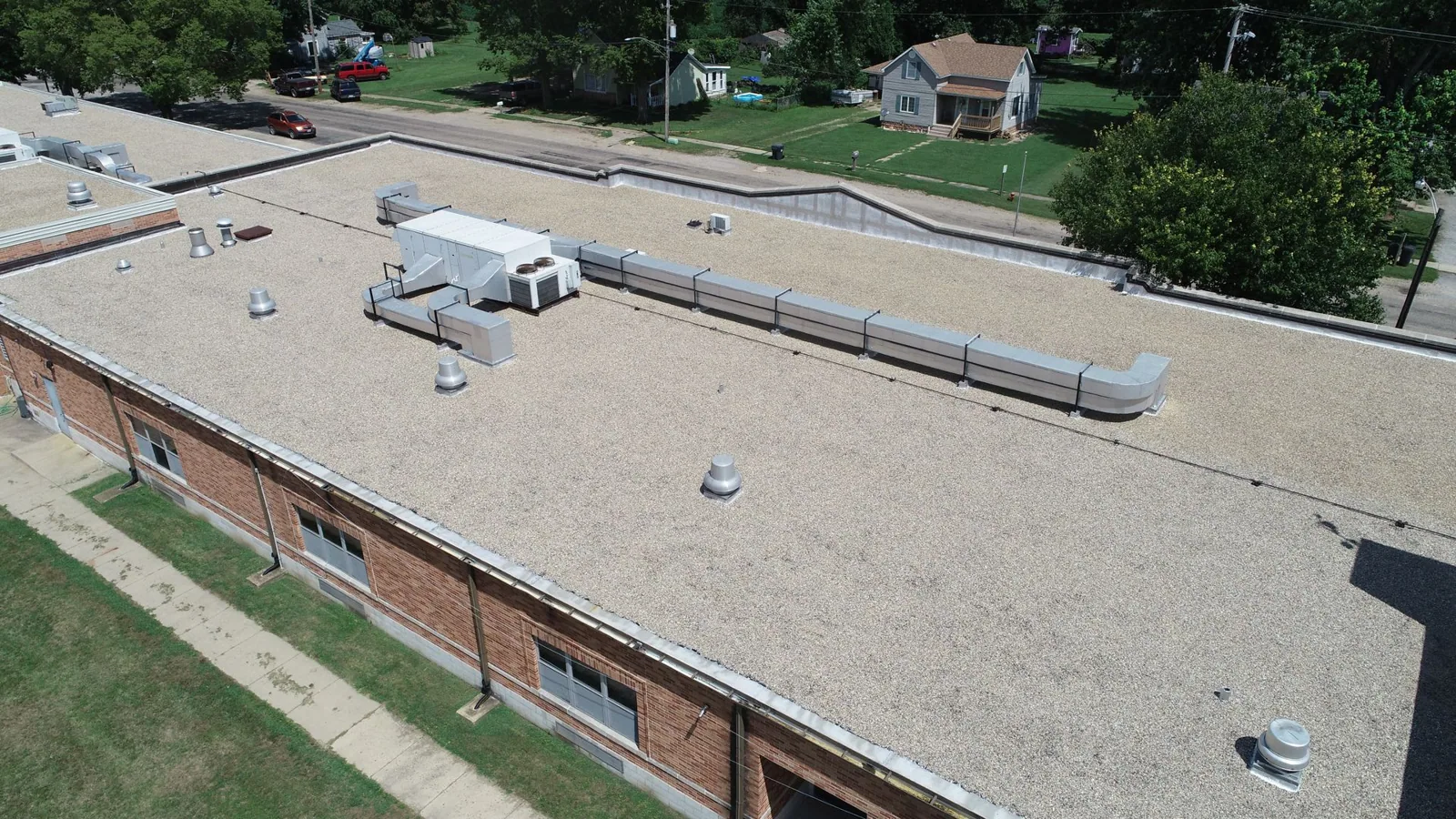
Modified bitumen roofing and built-up roofing offer redundancy and tolerate heavy traffic. Spray polyurethane foam roofing adds insulation and slope in one assembly, with a protective coating on top. Foam asks for good weather during spraying, and its coating film is measured at marked points so thinning shows up before the foam is exposed.
What about metal roofs?
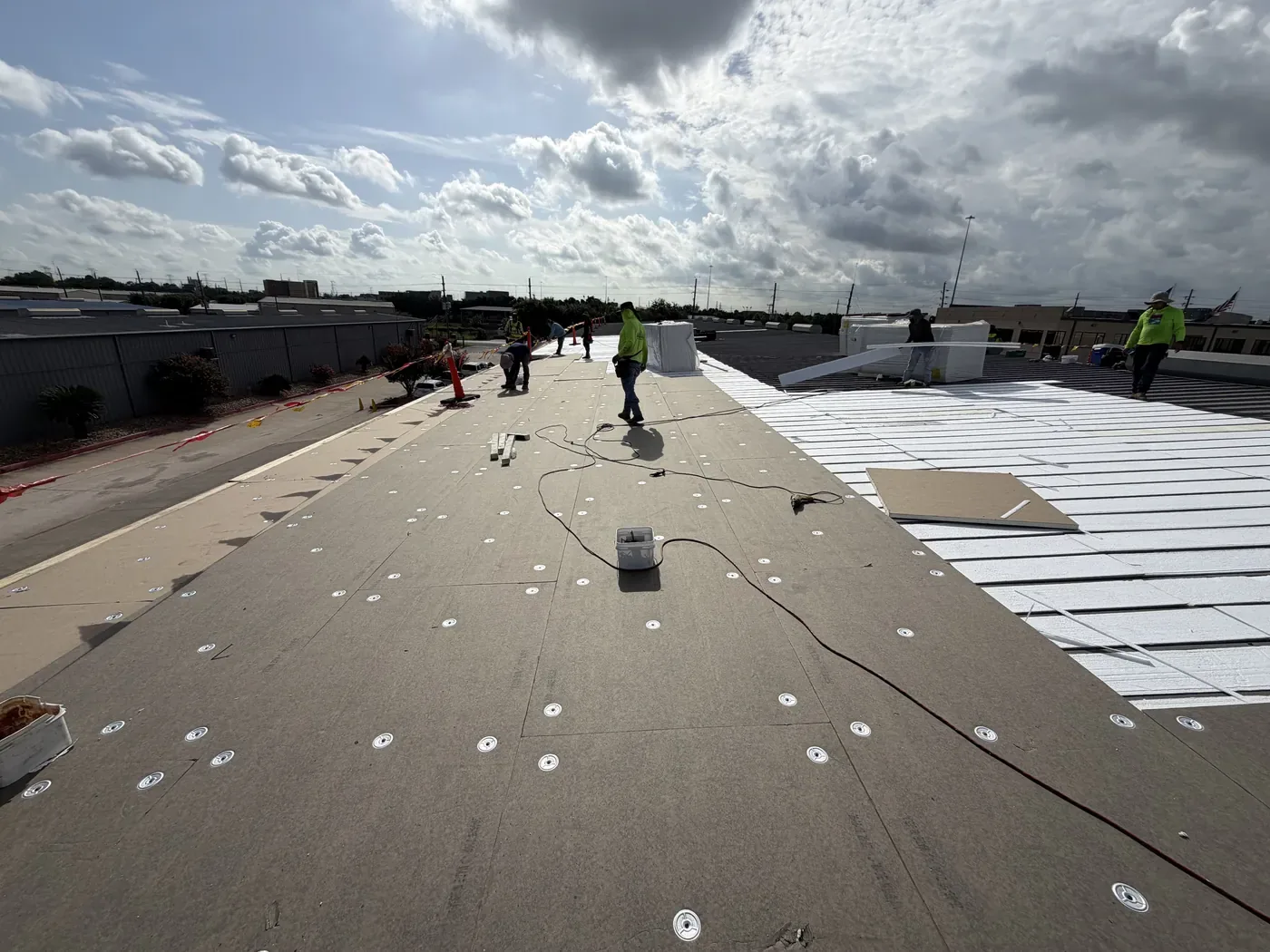
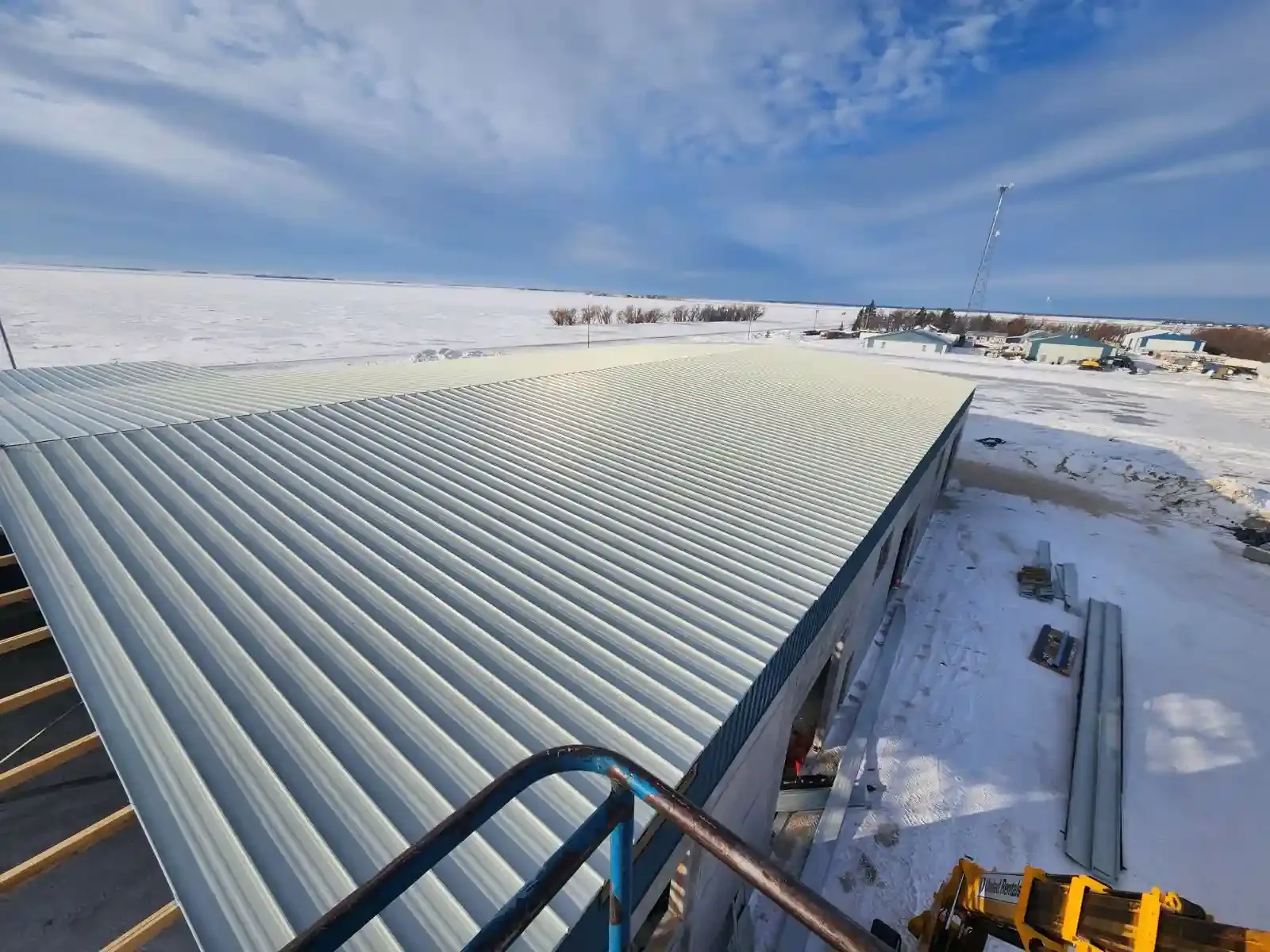
Standing seam metal roofing hides its fasteners and moves with the heat on floating clips. A metal roof retrofit addresses older exposed-fastener panels with new screws, sealed laps, a coating, or a cover-over system. Pull tests on the purlins decide how far a repair can go before a larger retrofit makes more sense.
When does a coating make sense?
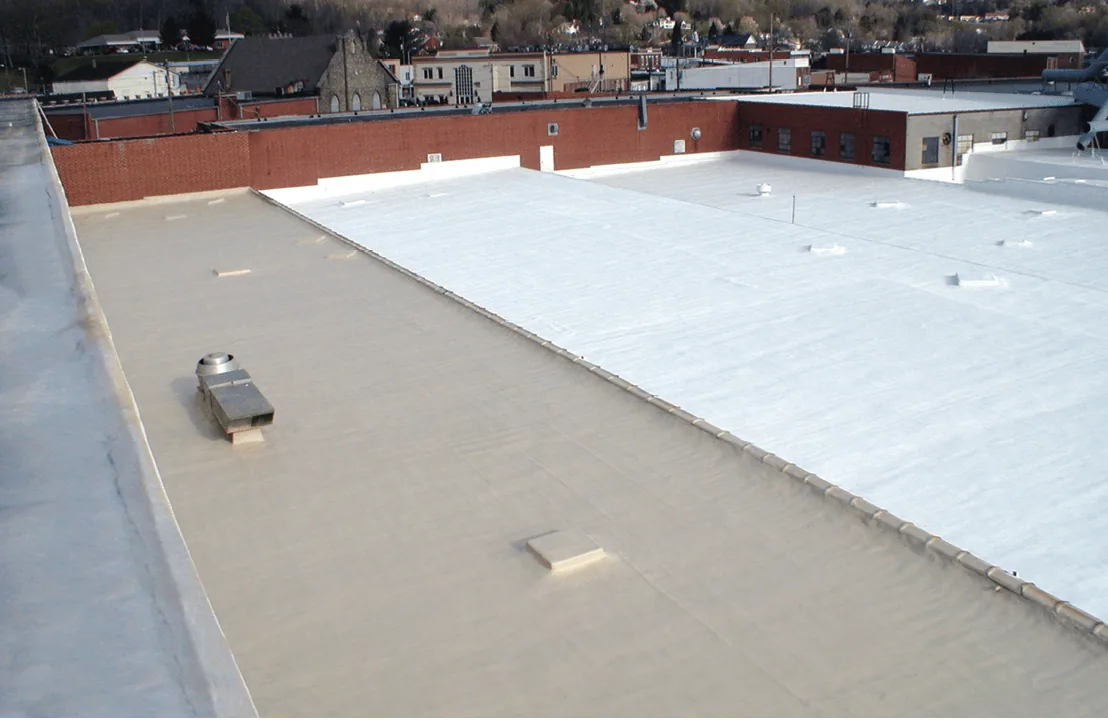
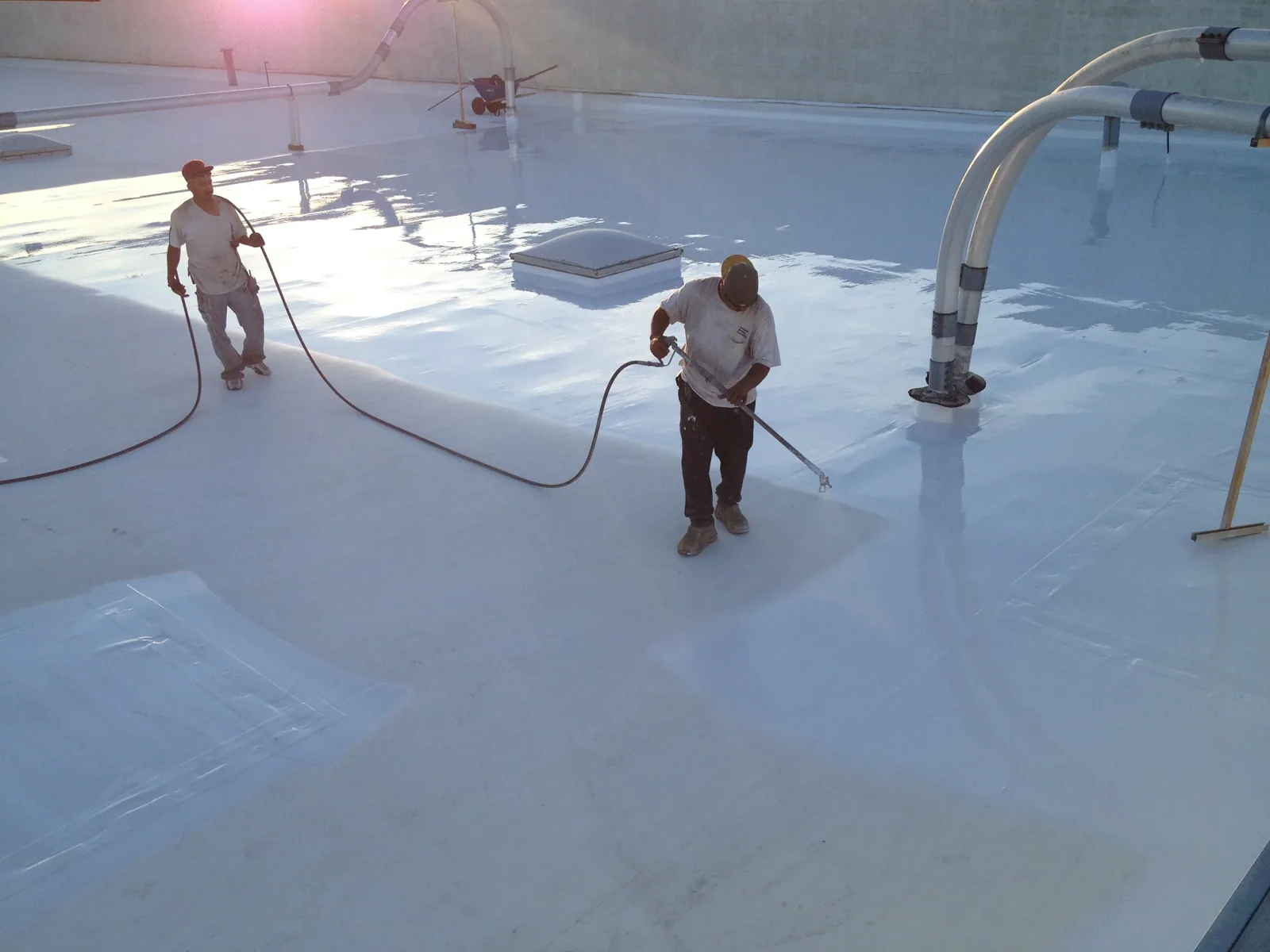
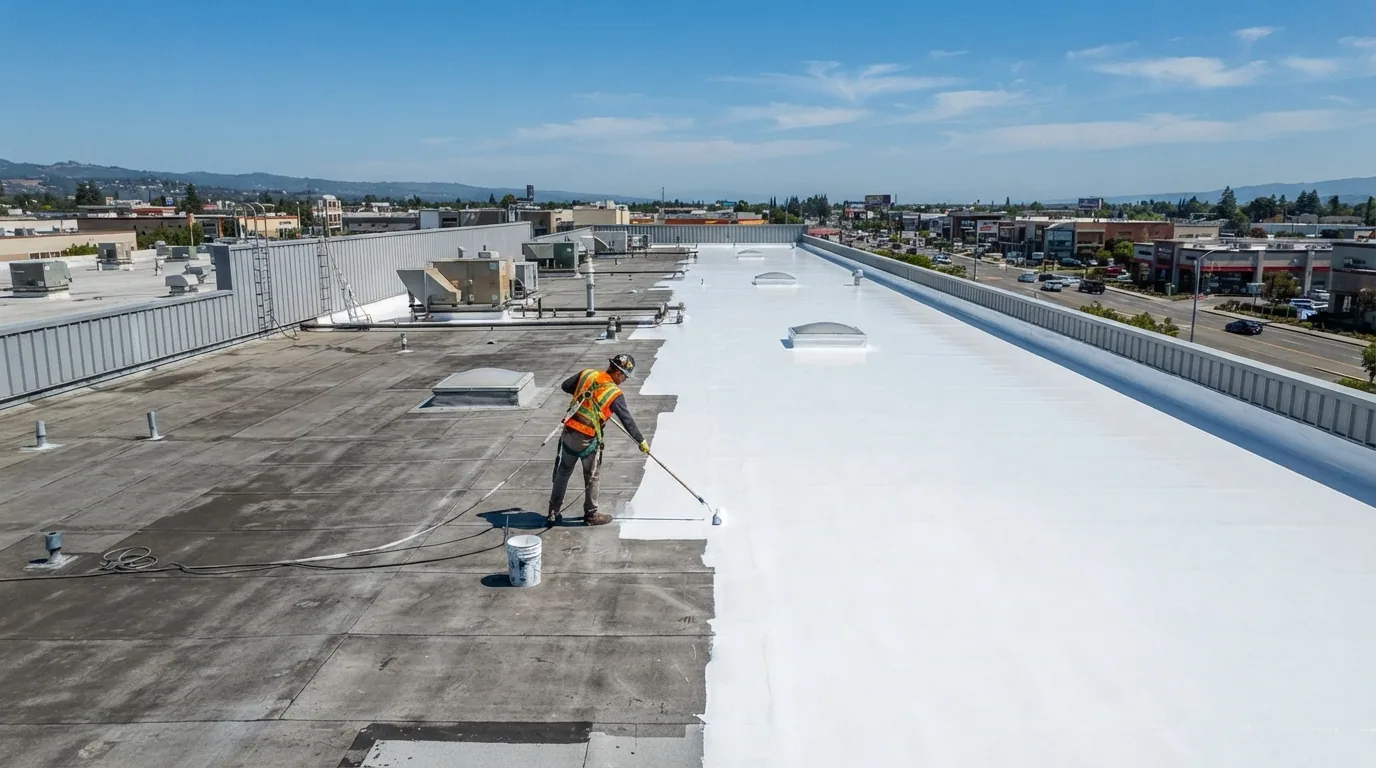
When the roof is dry, attached, and worn at the surface. Silicone roof coatings tolerate ponding, while acrylic roof coatings suit well-drained roofs. A moisture survey and an adhesion test come before any coat, and a coating never covers wet insulation or a loose edge. Film thickness is checked after cure and again at later visits.
How is the right system chosen?
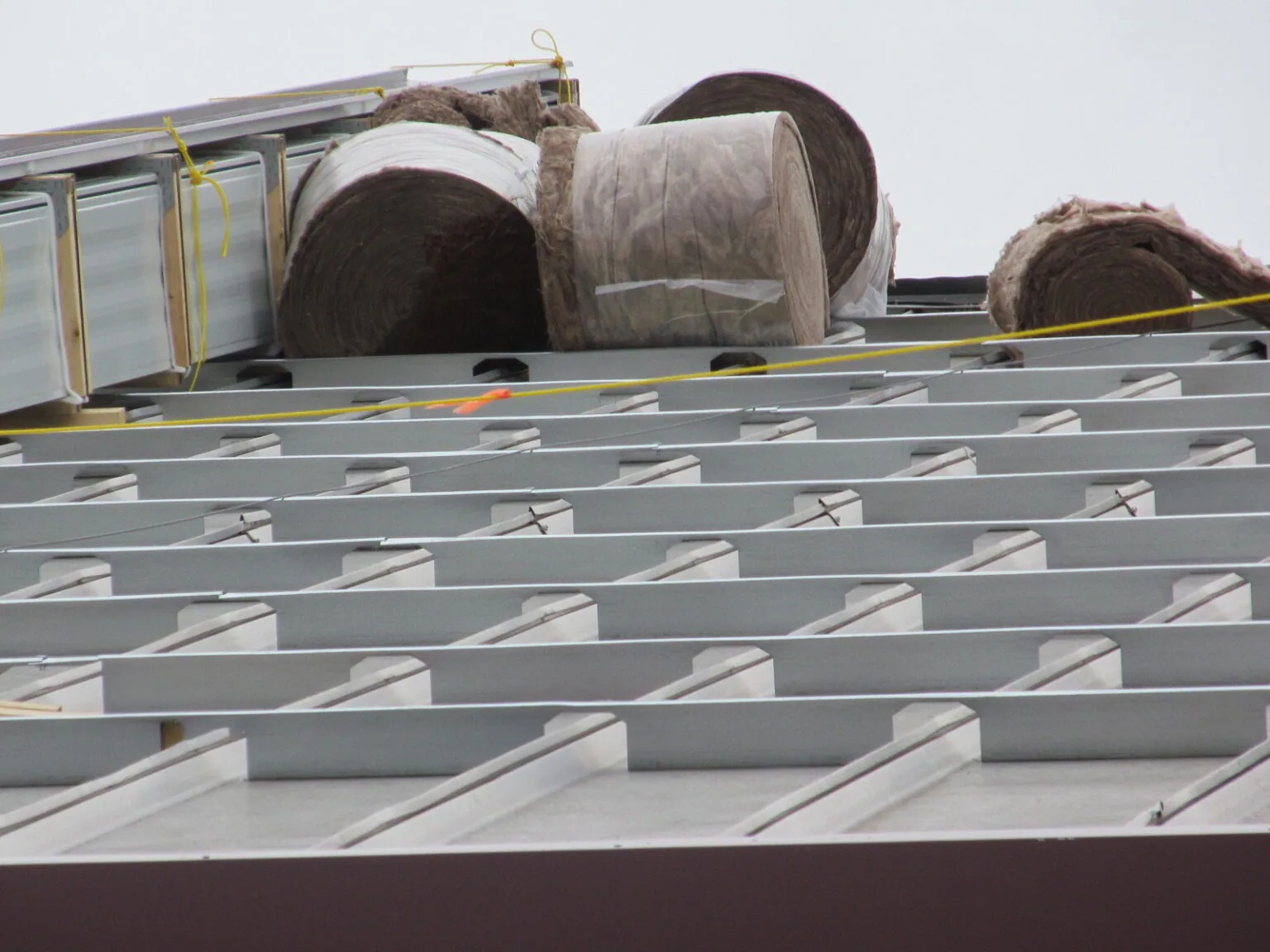
By the building, not the catalog. The deck, the insulation, the exhaust, the wind exposure, the drainage, and the occupancy all enter the decision. Temple's August highs near 95F, about 80 days a year above 90F, and the May 22, 2024 EF-2 tornado show why attachment and heat load deserve equal weight. The written findings for each roof name the system recommended and the facts behind it.