Temple
Which building in the portfolio is open to the weather right now? In Temple, TX, that question gets asked about a mixed set of roofs: hospital towers, distribution buildings that run for blocks, plants with rooftop exhaust, rail-served industrial property, and downtown commercial buildings with parapets and odd corners. Each has its own failure points and its own people to call. Roof work here starts with triage, a record of what failed, and a ranking of what else shares the exposure, so the asset manager can decide the first hour and the next budget in the same conversation.
What kinds of roofs does Temple carry?
Hospital campuses head the city's building stock; Baylor Scott & White Health employs more people than anyone else here, and the Central Texas Veterans Health Care System is also near the top. A large share of the stock is distribution and logistics space; the H-E-B retail distribution center and the Walmart distribution center are each put at about 2 million square feet by the development office. Plants round out the mix, with Wilsonart, Reynolds Consumer Products, Novolex, E.R. Carpenter, and Texas Hydraulics among the manufacturers and packagers.
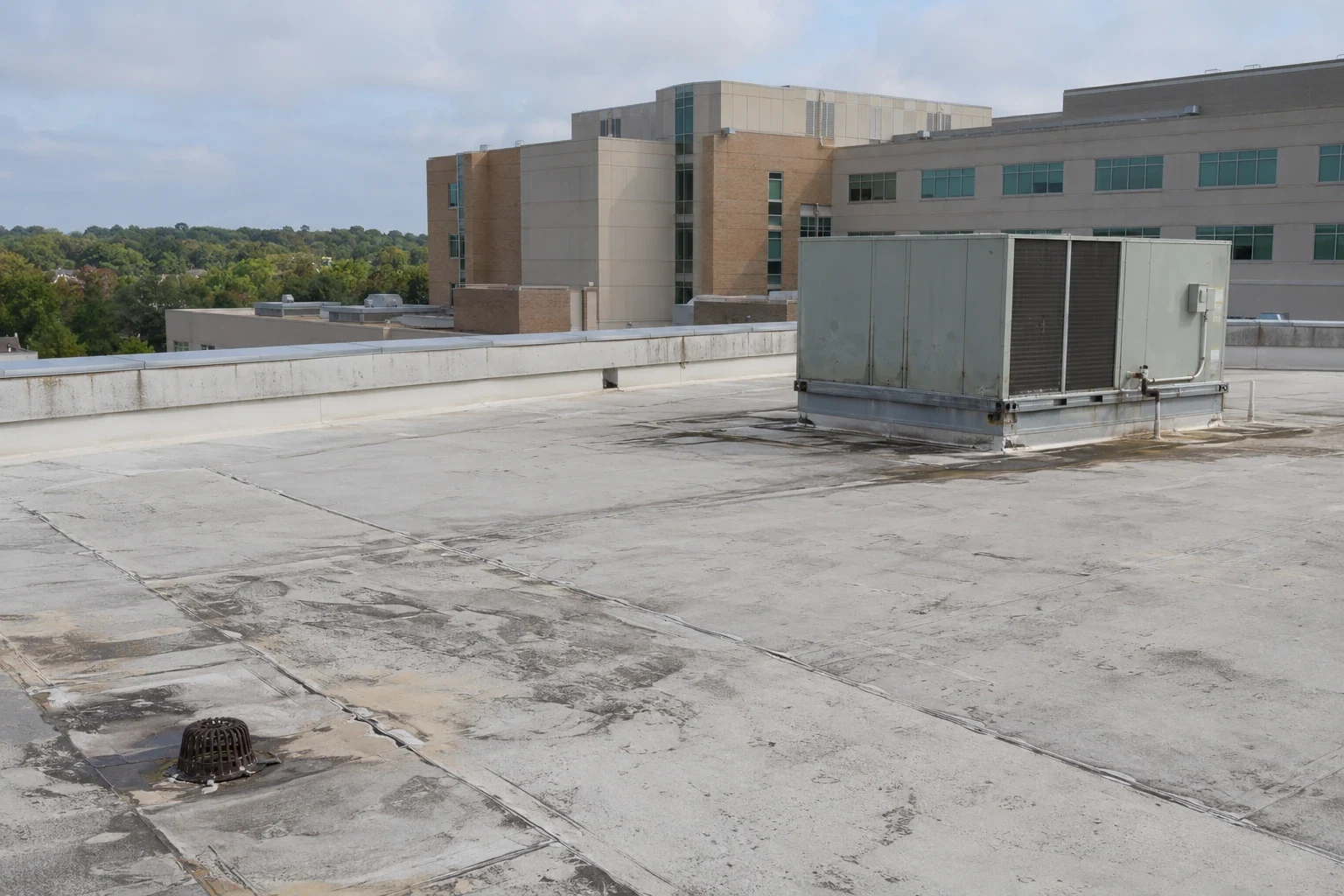
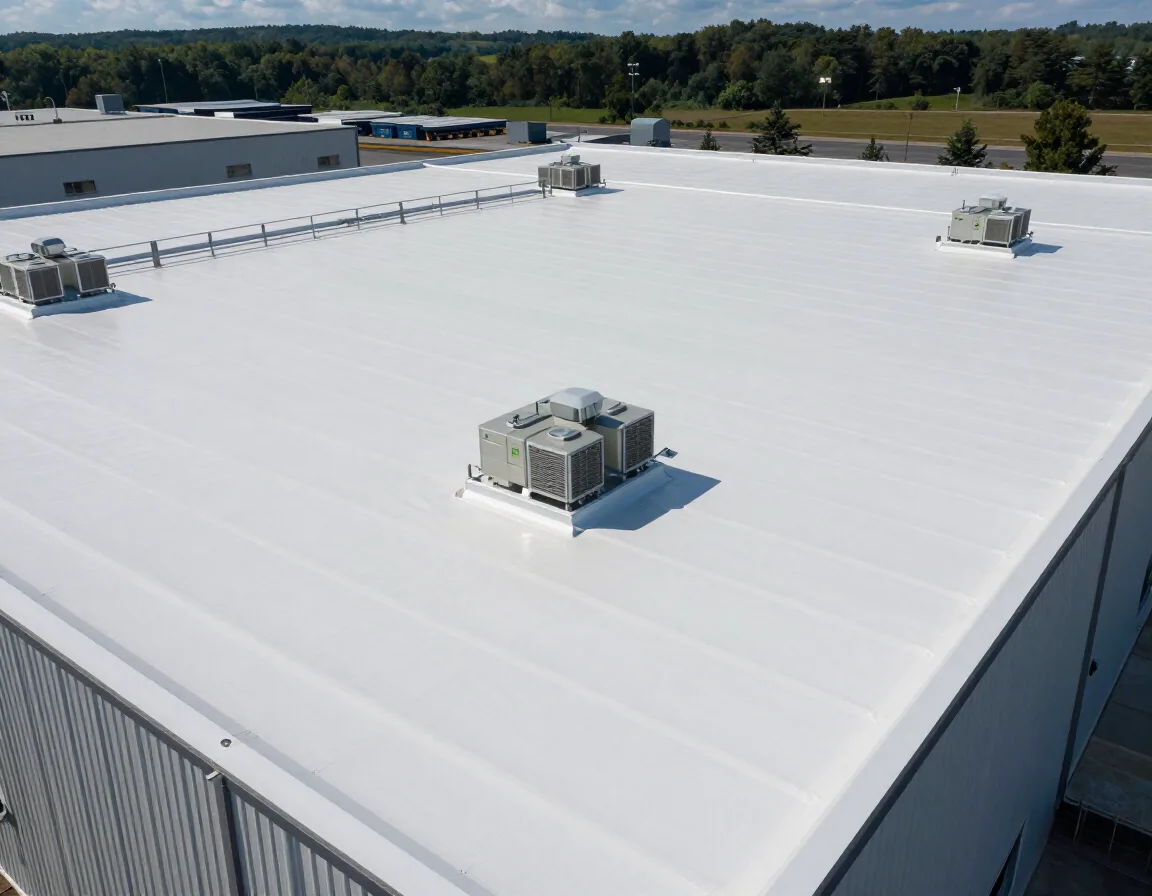
The roofs on those buildings differ. A hospital roof is a patchwork of ages and systems over occupied space. A distribution roof is large, low, and dependent on a few drains. A plant roof carries exhaust and equipment. A first walk identifies the assembly on each building and writes it into the file.
Hospital and clinic roofs bring their own rules: infection-control sequencing, protected air intakes, and quiet hours. The hospital roofing routine builds a numbered map of roof sections, each tied to the space beneath it, so repairs follow the sensitivity of the rooms and not the order of the calls. Downtown commercial blocks add parapets, irregular roofs, and old penetrations that the drawings missed.
Why do the highway and rail lines matter to a roof?
Interstate 35 cuts straight through Temple, Loop 363 loops the city for 17.1 miles, and mainline track for both Union Pacific and BNSF crosses town, where BNSF also keeps a rail yard and a locomotive maintenance facility. Those corridors shape how crews reach freight buildings. A roof near the tracks can pick up vibration and dust, and a roof near the interstate takes wind and debris.
Logistics matters for the work itself. Crews need staging areas, truck routes, and gate procedures, and the schedule has to respect rail and shipping windows. We plan access at the first visit, so a repair crew does not spend a morning looking for the right dock. The roof sketch notes how to reach each section and who holds the keys.
What does Temple weather ask of a commercial roof?
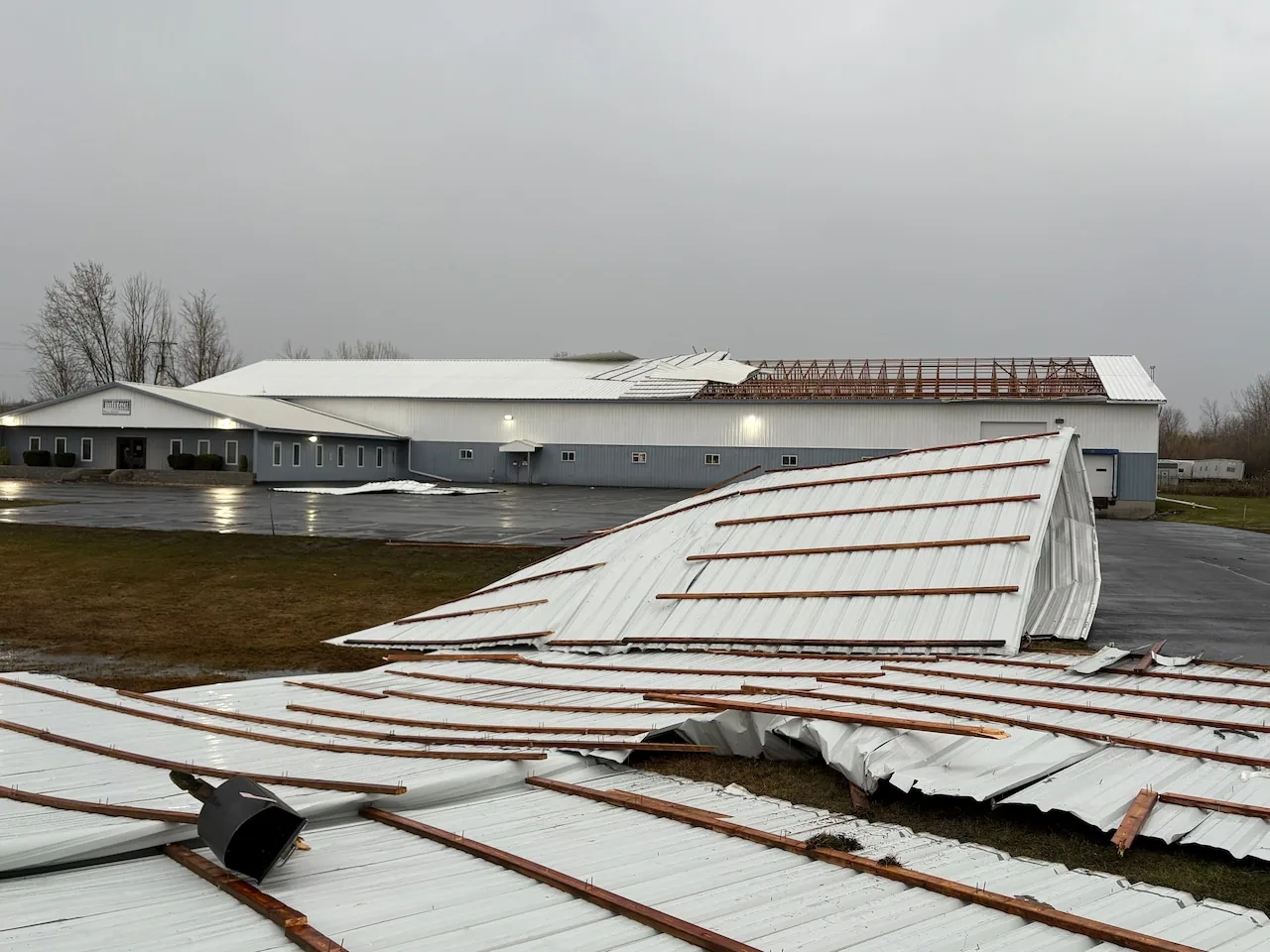
Heat, wind, and water, in that order. The hottest stretch comes in August, when highs approach 95F, and the thermometer clears 90F about 80 days each year. Spring storms bring tornado and straight-line wind risk. The National Weather Service rated the May 22, 2024 tornado here EF-2, with winds near 120 mph, and a separate EF-1 tornado started near Little River-Academy that same evening.
Water comes with about 39 inches of precipitation a year and a May peak near 5.4 inches, plus roughly 26 freezing nights. A roof needs reflective surface or coating to ease the heat, firm edges to meet the wind, and clear drains to meet the rain. The maintenance record tracks all three, which is why the same file serves a clinic and a cold dock.
Winter adds a quieter risk. Nine days at or below freezing hit Central Texas in February 2021, Killeen among the places counted, and a roof with trapped water or loose flashing goes into such a stretch at a disadvantage. Fall drain clearing and a pre-winter walk of flashings and laps are inexpensive insurance against a cold snap, and the record shows which roofs got them.
What happens when a roof fails here?
The call sorts the roof by exposure. We ask what failed, where, whether water is entering, and what sits below. A crew makes the area safe with a tarp or a temporary dry-in, photographs the failure point, and logs what was done. The holding repair buys time for the permanent scope, and the asset manager gets a short written account that can go to an insurer, a lender, or a tenant.
Our emergency roof repair response keeps emergency stabilization separate from the permanent decision. The storm damage roof repair process then ranks other roofs in the portfolio by shared exposure, so the next failure is already on the list before it happens.
Which services and systems fit these roofs?
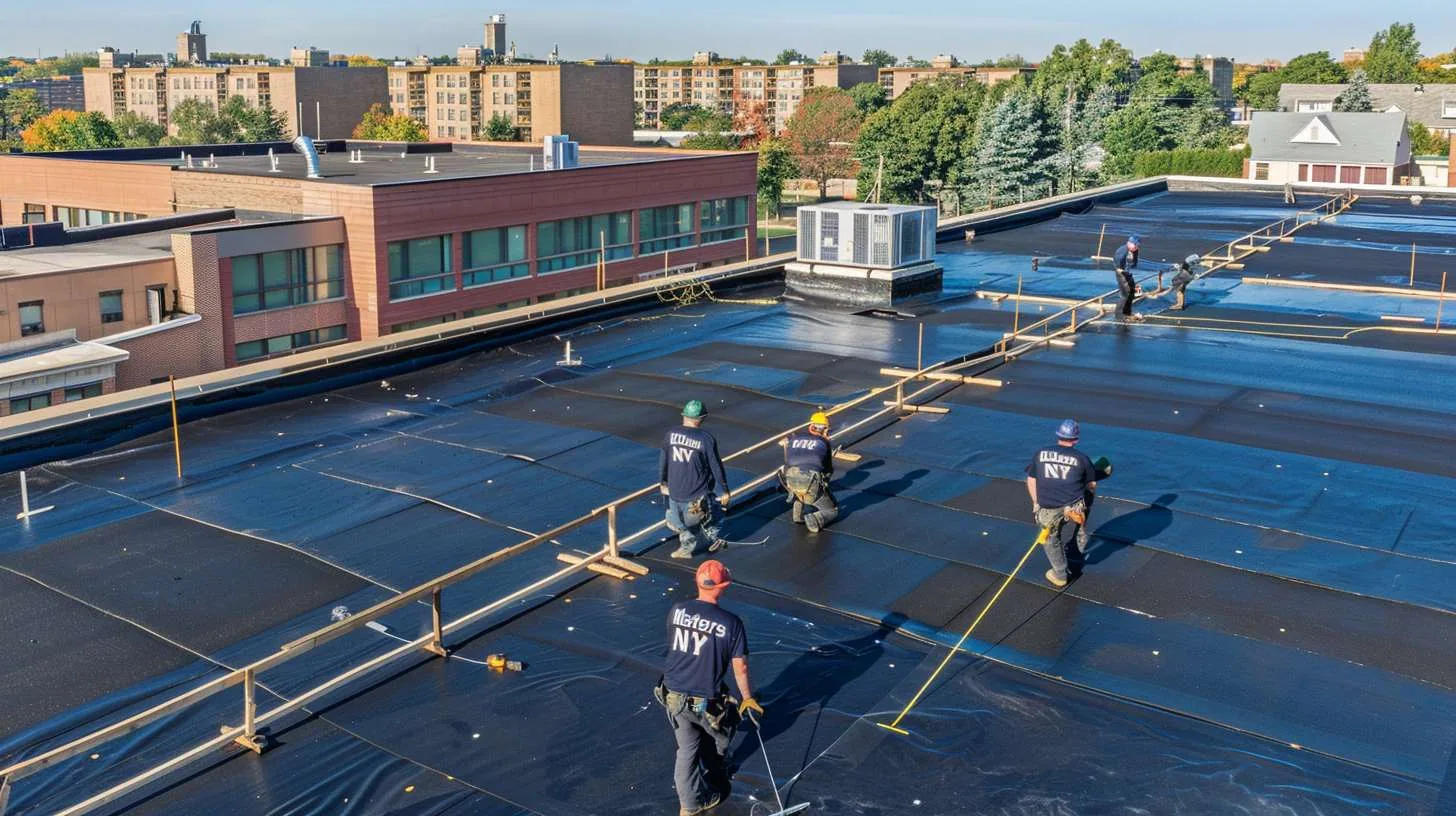
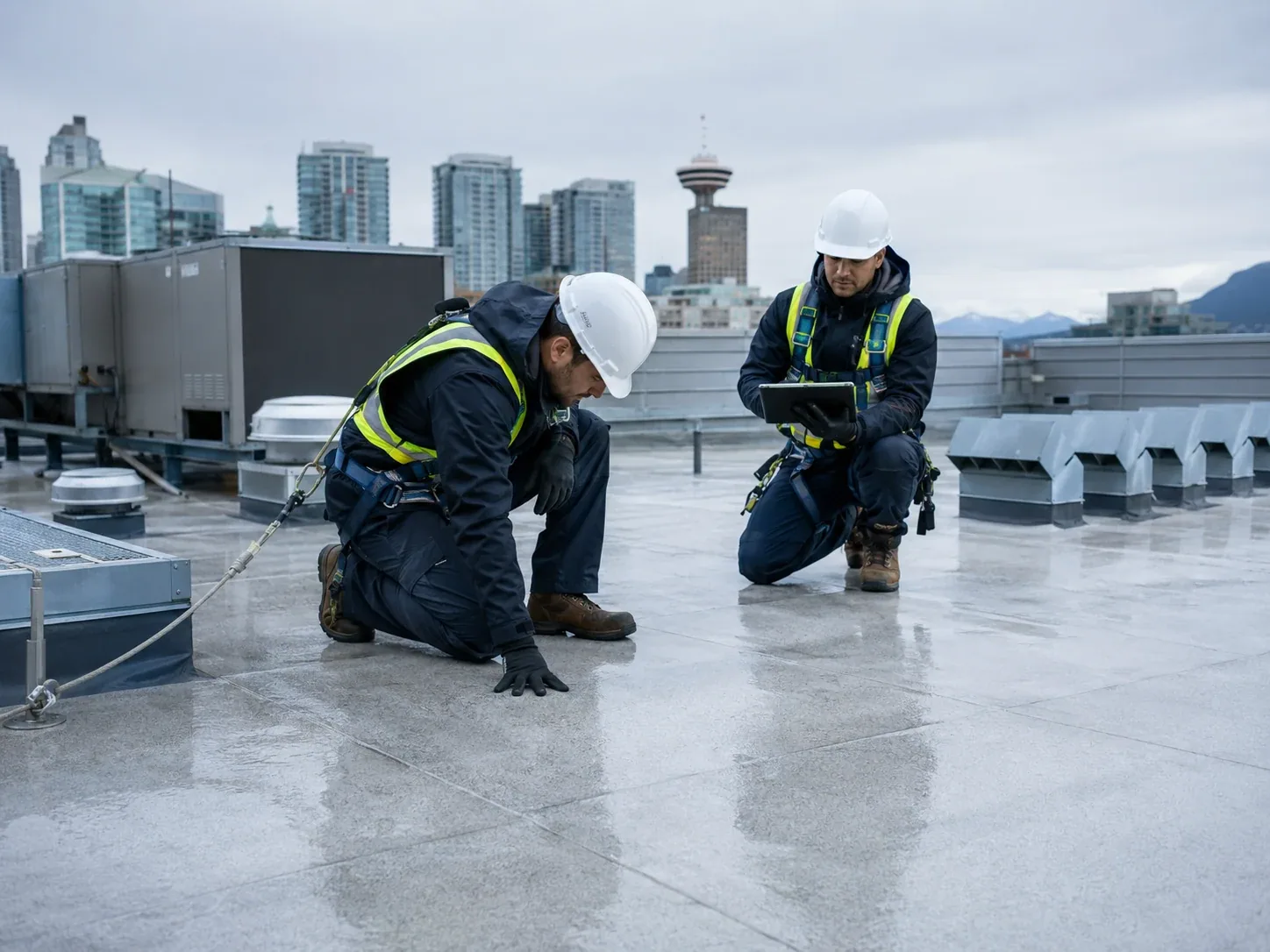
Inspection and maintenance come first, because a roof that is walked twice a year fails on the owner's schedule and not the weather's. A commercial roof inspection produces the record. Repairs, coatings, recovers, and replacements follow the findings. TPO roofing and other single-ply systems cover many low-slope roofs, with metal on pre-engineered buildings.
The choice depends on the deck, the insulation, the exhaust, and the occupancy. Moisture surveys separate dry roofs that can be coated or recovered from wet ones that need replacement. Each recommendation names the findings behind it, and the owner chooses.
What about permits and code?
Texas applies the International Building Code in every city, and a local government may adopt a later edition. Temple's Building Department handles permits and applies the IBC during plan review, so the permit office confirms which edition is in force for a given project. We ask early, since code can change insulation thickness, attachment, and drainage.
Permit status goes into the project file with the plan, the approved drawings, and the inspection dates. For reroofs in occupied buildings, the permit schedule is built into the work plan so inspections do not stall the crew. Owners who manage buildings across Belton and Temple hold one format for both cities.
Where in Temple does the work concentrate?
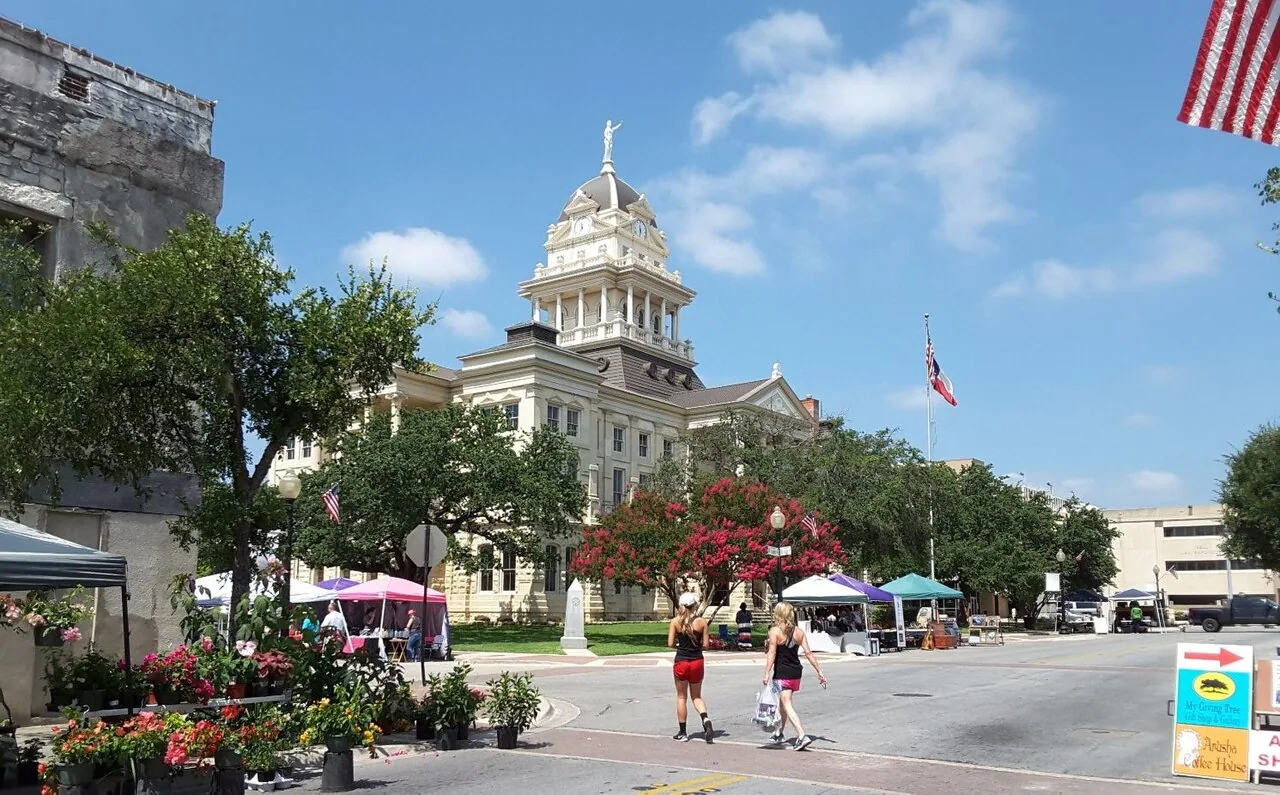
Across the districts and parks that make up the city's commercial ground. The Temple Medical and Education District holds healthcare and education property. Freight and industrial property sits at the Rail Park at Central Pointe and the Temple Industrial Park. Downtown holds historic commercial blocks. Each gets the same inspection discipline and the same file format.
Commercial Roofing Questions
How quickly can a crew reach a failing roof in Temple?
Response depends on the hour, the weather, and what else is open across the region. We do not promise arrival times. The triage call tells the owner what to do in the first hour, and the crew's arrival is confirmed once access and conditions are known.
Which roofs in a Temple portfolio should be inspected first?
The ones where a leak costs the most: healthcare space, freight buildings with perishable or sensitive goods, and anything with a history of repeat repairs. The ranking comes from the record, and it changes as findings accumulate and repairs close.
Can the same inspection format work for a clinic and a warehouse?
Yes. The sections are the same: drains, seams, flashings, penetrations, edges, and moisture. What changes is the weighting, since a clinic needs infection-control sequencing and a warehouse needs dock traffic respected. One format makes comparison across the portfolio simple.
How do tornado and wind events change maintenance plans?
They add a post-event walk and a closer look at edge metal, coping, and equipment anchorage. The baseline photographs from earlier visits let us see what moved. Findings are ranked for make-safe work first, and the owner decides what to authorize for permanent repair.
Does the owner receive a written record after each visit?
Yes. Photographs, a roof sketch with locations, a list of items closed and items open, and a short recommendation. The record is built for budgeting, lenders, insurers, and tenants, and each new visit adds to it.