Temple Outer Loop
What fails on a roof beside a construction corridor, and who sees it? Often it is a drain. Dust, grit and loose material from nearby earthwork settle on a roof and wash into the first outlet that is low enough to take them, and a blocked outlet turns the next heavy rain into a pond. The Temple Outer Loop is a five-phase, four-lane road with a raised median on the west side of Interstate 35, intended to connect north and south Temple, and its phases have been finished in sequence: North Phase 1 from Central Pointe Parkway to McLane Parkway in November 2021, and North Phase 2 to Wendland Road in January 2023.
What we bring to a roof near active site work is a record: how roofs behave beside it, and how to document them so that the owner can tell construction effects from age.
How does nearby earthwork reach a roof?
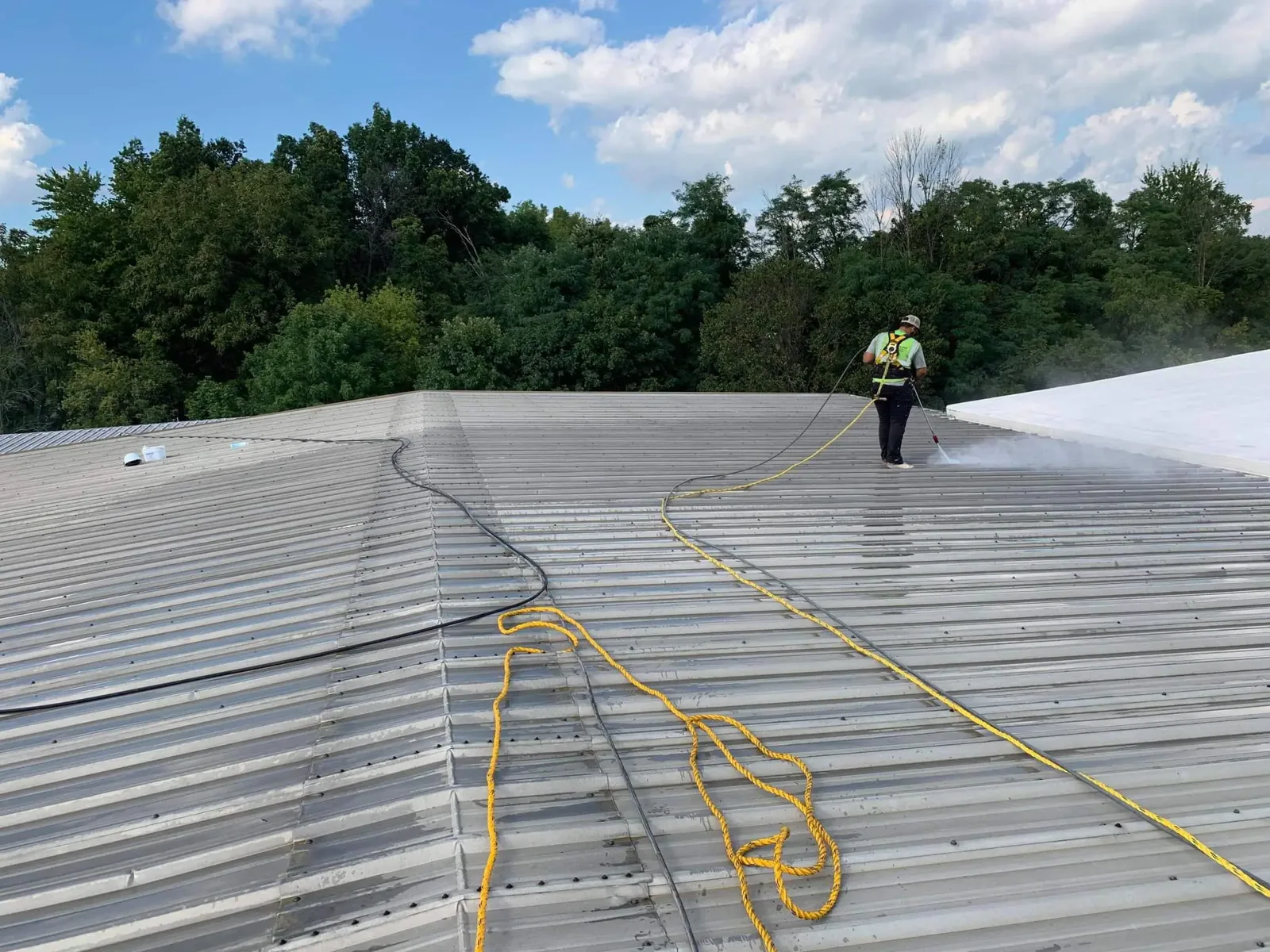
Fine dust travels. It lands on membranes, clogs screens, fills scuppers and collects at the base of walls, and on a flat roof it adds weight and holds moisture against the surface. Loose gravel and trash from a neighboring pad can blow onto a roof in a gust and block a drain. Coatings that were applied before a stretch of site work can pick up a film that dulls their reflectivity.
The first-hour question is whether the drains are clear. We walk to each outlet, photograph it and log the basket and the surrounding membrane. If the outlet is clear, the roof is dry and the dust is a cleaning job. If it is blocked and water has stood, we measure the pool and note whether the membrane under it shows damage. Cleaning is a make-safe step. A drainage correction, if one is needed, is a permanent decision for the asset manager.
How do trucks and cranes reach a roof on a divided road?
A four-lane road with a raised median changes how deliveries arrive. A truck may have to approach from one direction and find a place to turn, and a crane may need a lane closed or a driveway cleared. We plan that before mobilization: the route, the turn-around, the laydown area and the time of day. Peak traffic on the corridor is avoided for deliveries, and the crew lead walks the route with the driver on the first morning.
North Phase 3 runs from Wendland Road to I-35 at Hart Road and includes a grade-separated crossing at the BNSF railroad, so the road network around the loop is not finished. We confirm the current route on the day, not from an older map, and we note any detour in the job file so a second crew can follow it.
What does Temple weather add to the picture?
August is Temple's hottest month, and the city logs about 80 days a year above 90F, with highs near 95F. Heat stiffens sealants and works on seams, and the longest days of it fall on the same roofs that were cleaned in spring. Rain adds its own season: about 39 inches a year falls on Temple, May is the wettest month at 5.4 inches, and the spring storm season arrives on a roof that has just lived through winter.
The record that matters is the spring walk: edges, seams, flashings and drains photographed in the same positions each year. A change from last year's set is a finding. No change is a note that the roof came through intact. The sequence is the same for a building along the Outer Loop as for one anywhere in Temple.
What should the intake record show beside active work?
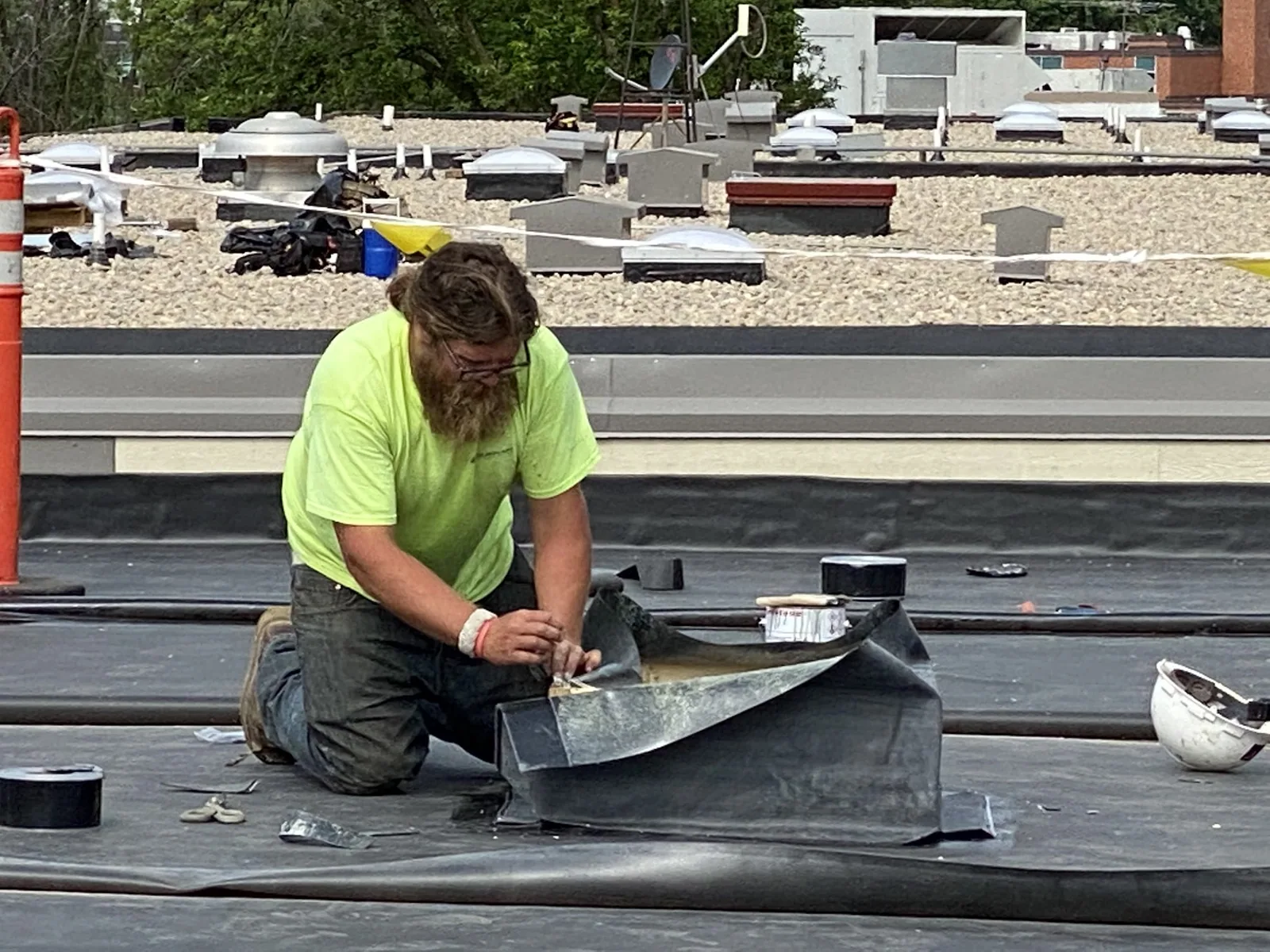
The intake record for a roof near site work has a few extra lines. The date and nature of nearby activity is noted. Photographs of drains, scuppers and low spots are taken before any cleaning, so the condition we found is on file. The membrane around each outlet is checked for scrapes from debris. Coatings are tested for film thickness and for any residue that has changed their surface.
The second visit is as important as the first. After the nearby work moves on, we return to the same positions and photograph them again. If the drains stayed clear, we say so. If they clogged again, the record shows how quickly, which tells the owner whether cleaning is a one-time job or a recurring one. Recurring cleaning belongs on a preventive maintenance schedule, with dates, and it is cheaper than a ponding repair.
Which roofs share the same exposure after a storm?
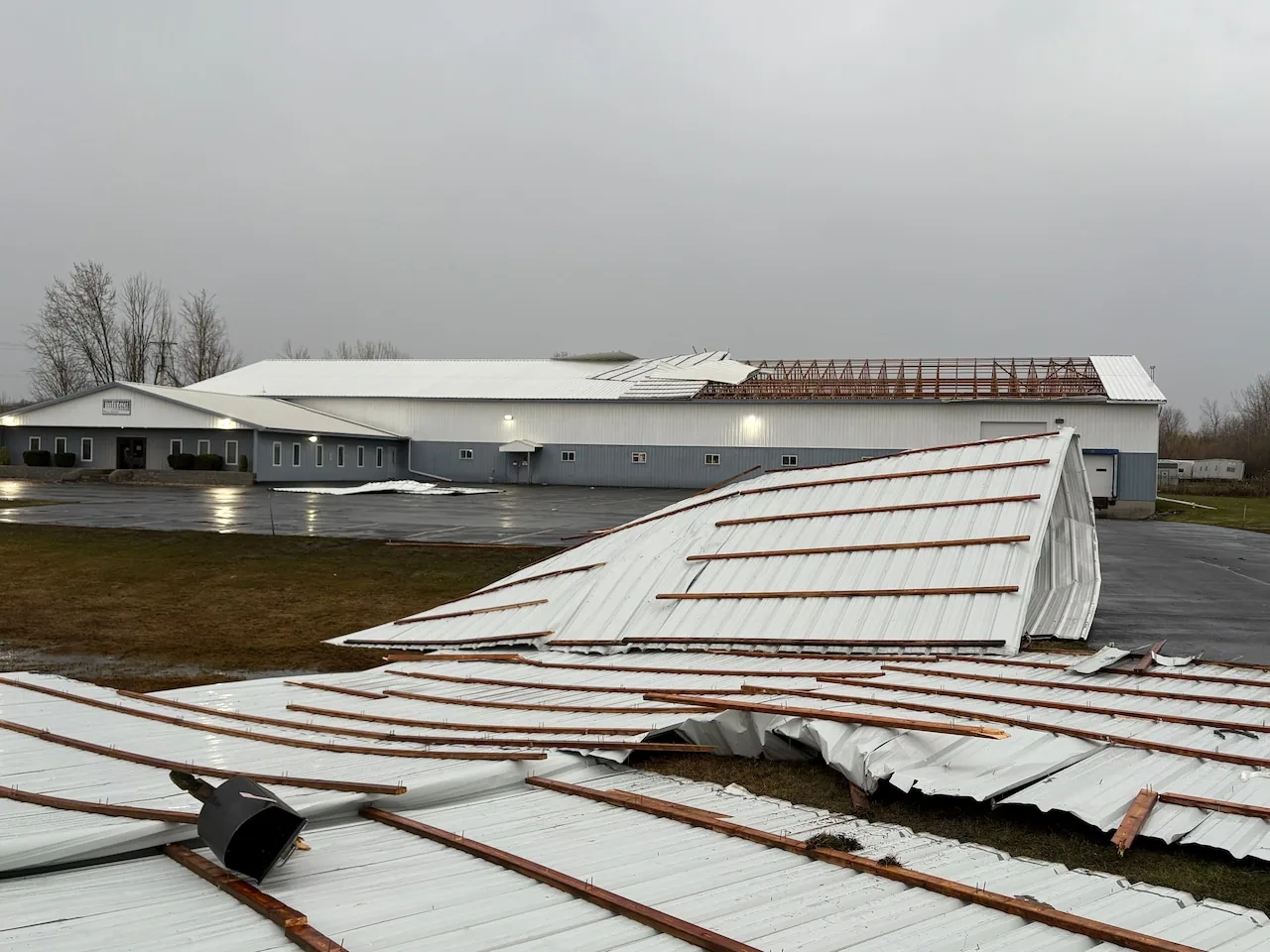
The May 22, 2024 tornado injured 30 people in Temple and damaged restaurants, shops, banks and strip malls, and that is regional context for the corridor, not evidence about any roof on it. The practical question for an asset manager is which roofs in the portfolio share an edge detail, a fastening pattern or a roof type, since a failure on one points to the same weakness on the others.
We log the failure point, set a holding repair and rank the rest by exposure. The wind damage record and the storm damage repair scope use the same photographs, and the permanent decision is priced against the capital plan instead of the weather.
What does the owner decide, and what does it cost?
Cost follows area, system, insulation condition and access, and on a corridor with active road work access can be the largest variable. A roof with sound membrane and dry insulation may need only cleaning and a seal at a few details. A roof with a repeat ponding problem may need tapered insulation or an added drain. A roof with wide wet areas needs a larger project, and the moisture map decides.
The written recommendation lists each option, the finding behind it and the date by which a temporary measure should be replaced. For a roof that has already been through several repairs, a recover or a replacement is compared with the running cost of patching. The decision is the owner's, and the file shows what drove it.
Whichever option is chosen, the recheck date goes on the calendar the day the work is accepted, so the roof is watched through its first season on the corridor.
Can roofs around the loop be handled as one portfolio?
Yes. Owners with buildings along the Outer Loop and on the Loop 363 corridor can use one register and one inspection format, and a roof condition report for each address makes comparison simple. Nearby Bioscience Park at Central Pointe can join the same schedule.
Commercial Roofing Questions
Does road construction nearby damage a roof?
Not directly in most cases, but it fills drains with dust and debris and can leave residue on membranes. We check outlets first, clear them and record the condition before and after.
What decides whether a ponding roof needs more than cleaning?
How long the water stays after the outlet is clear. A pool that remains for days points to slope or a low drain, and that calls for a correction priced separately from the cleaning.
How do you schedule deliveries on a divided road?
By confirming the approach direction, the turn-around and the laydown area, and by avoiding peak traffic. The route is written into the job file so the crew follows it.
Which roofs go first after a storm?
Those with open details and the costliest exposure. We rank by failure point, shared edge detail and what sits under the roof, then set holding repairs while the permanent scope is priced.
Can one inspection format cover buildings on different roads?
Yes. The register, photographs and moisture readings follow the same order at every address, which is what lets an asset manager compare roofs.