
Temple, TX
Service Areas
Commercial roofing coverage from Temple, TX through Belton, Harker Heights and Killeen, with local roof stresses and building types for each stretch.

Service Areas
A straight-line wind that crosses one town rarely stops at its city limit, so the first question on a failed roof is where else the same edge detail is sitting. Commercial Roofers Temple works out of Temple, TX and answers calls along the I-35 spine, around Loop 363, and west on US 190 toward Fort Hood. Each of these places carries its own mix of buildings and its own dispatch geography, and an asset manager with roofs in several of them can run one intake record across all of them.
Which roofs are inside Temple itself?
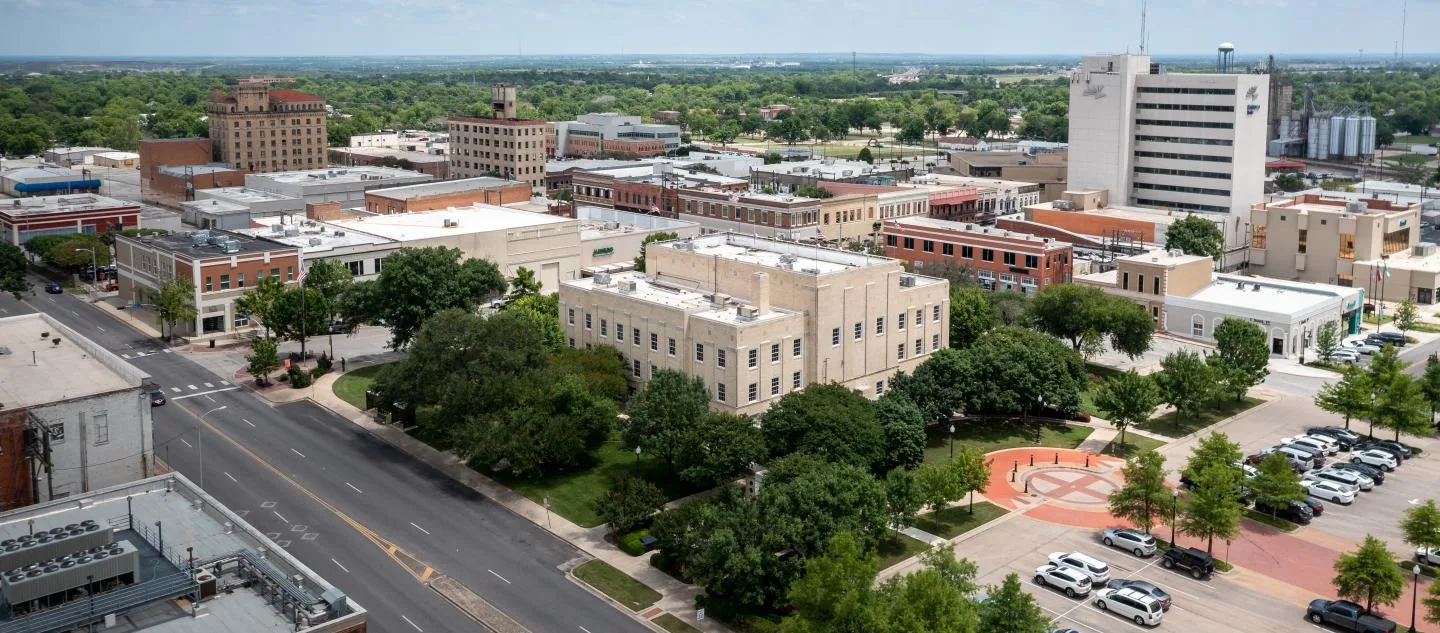
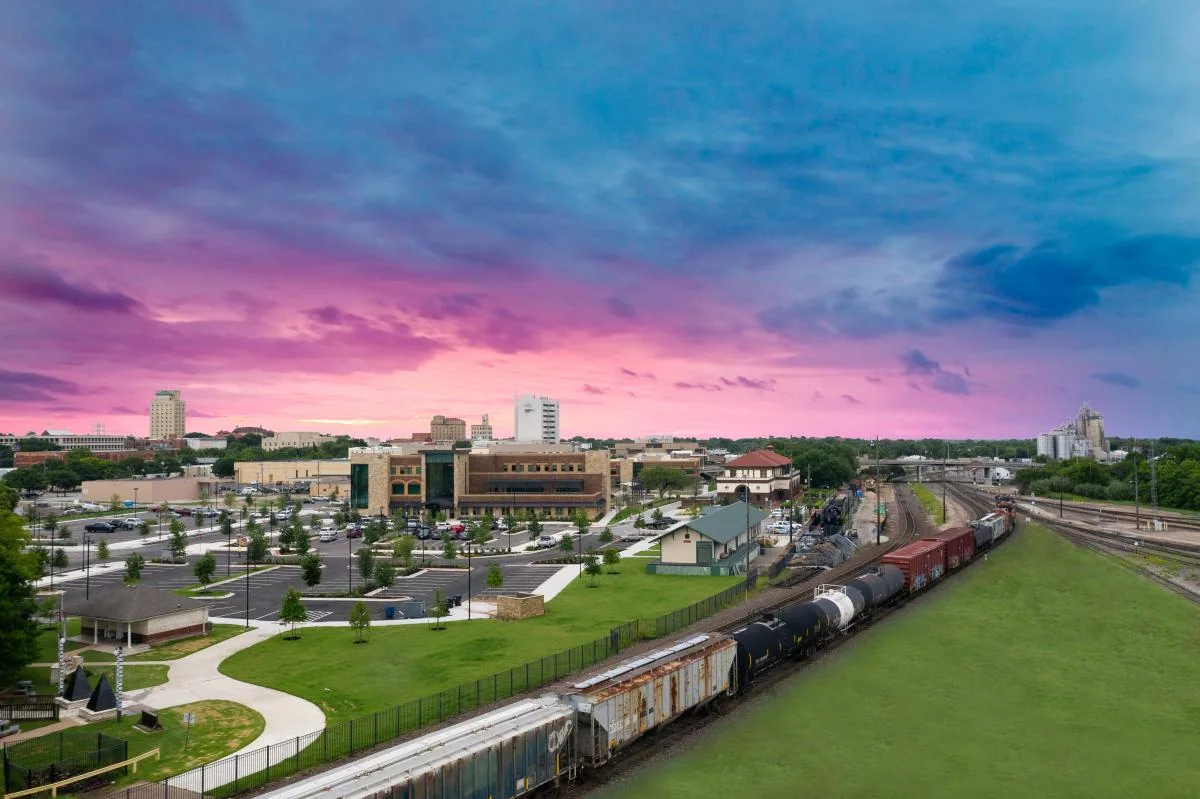
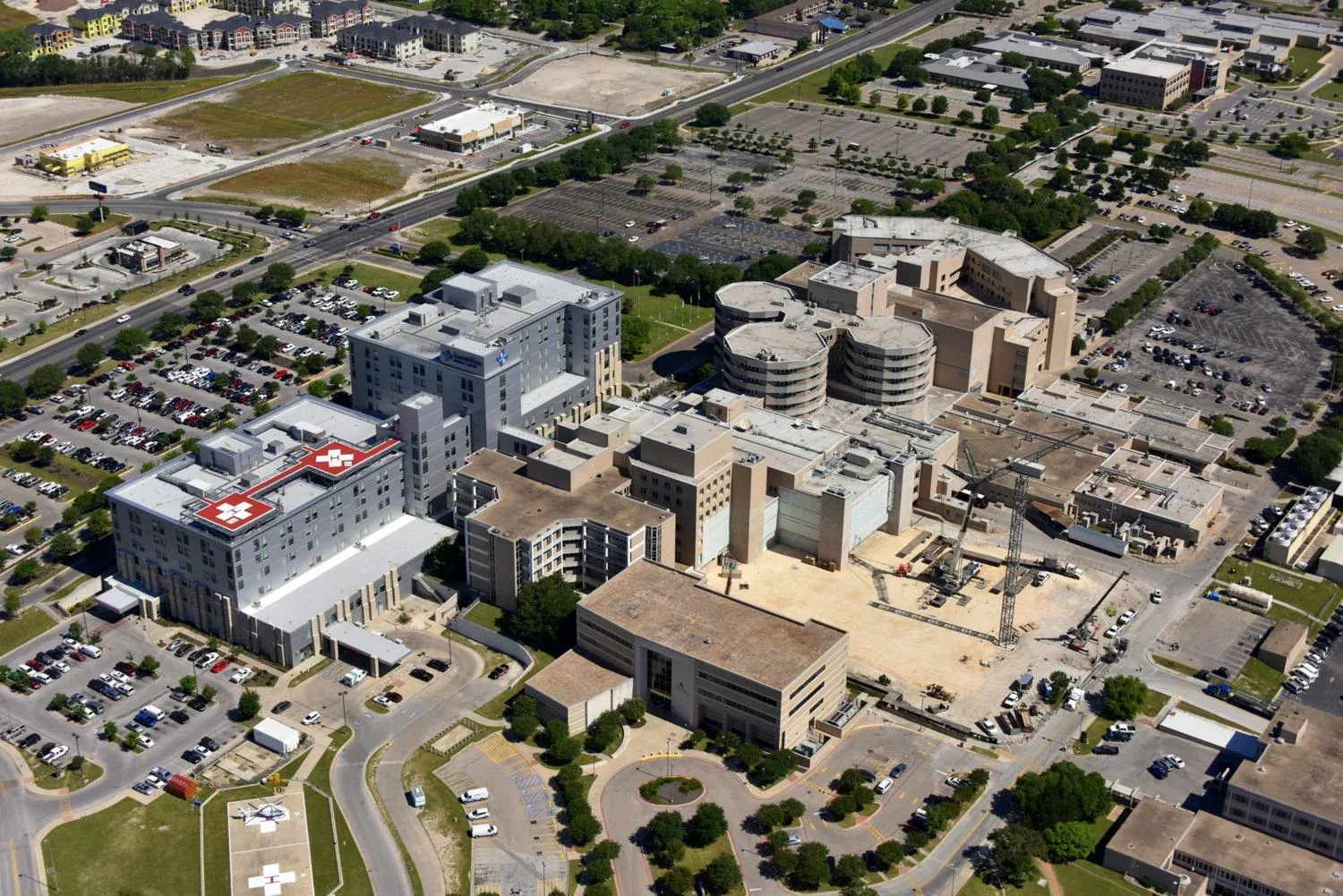
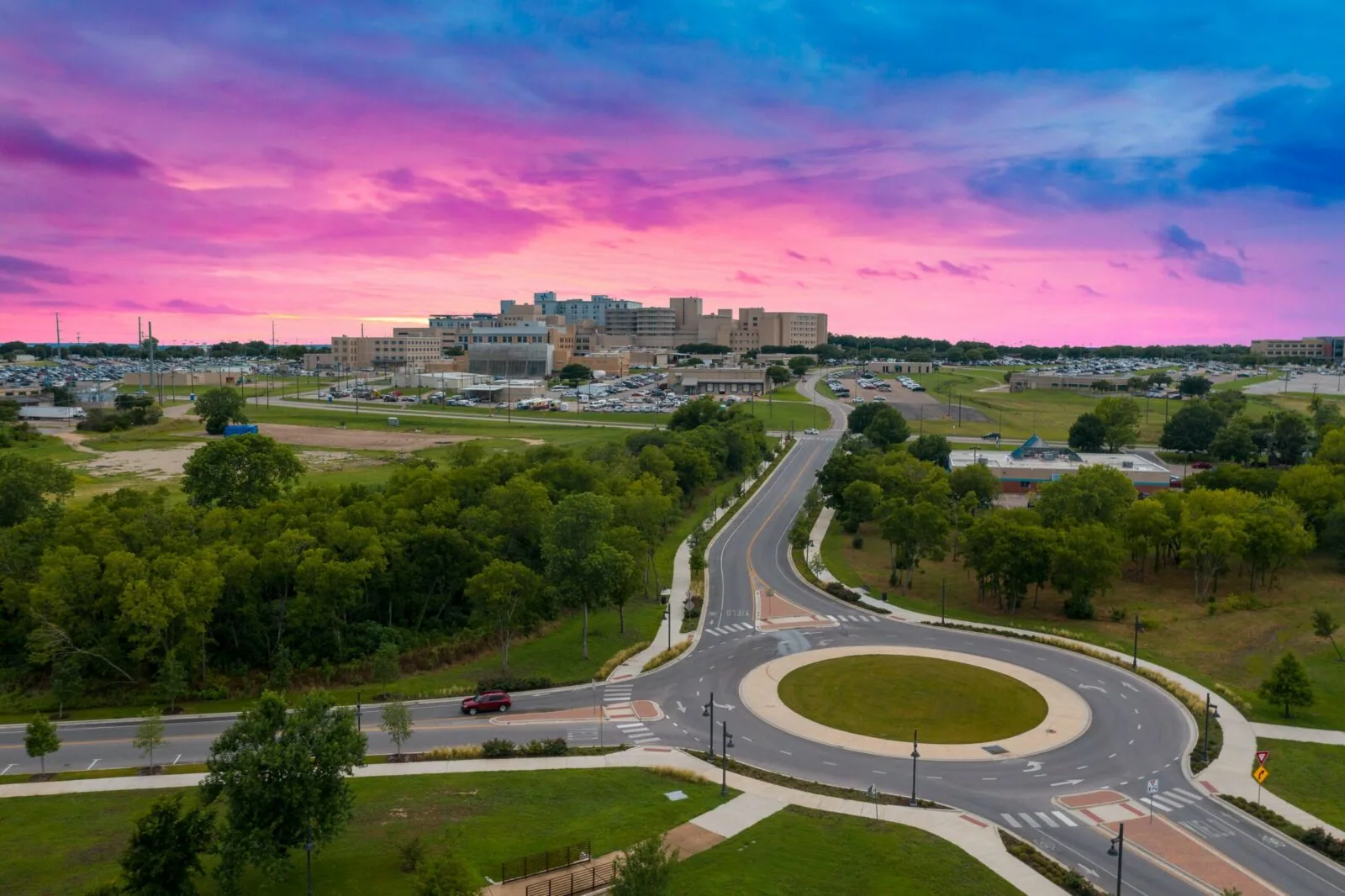
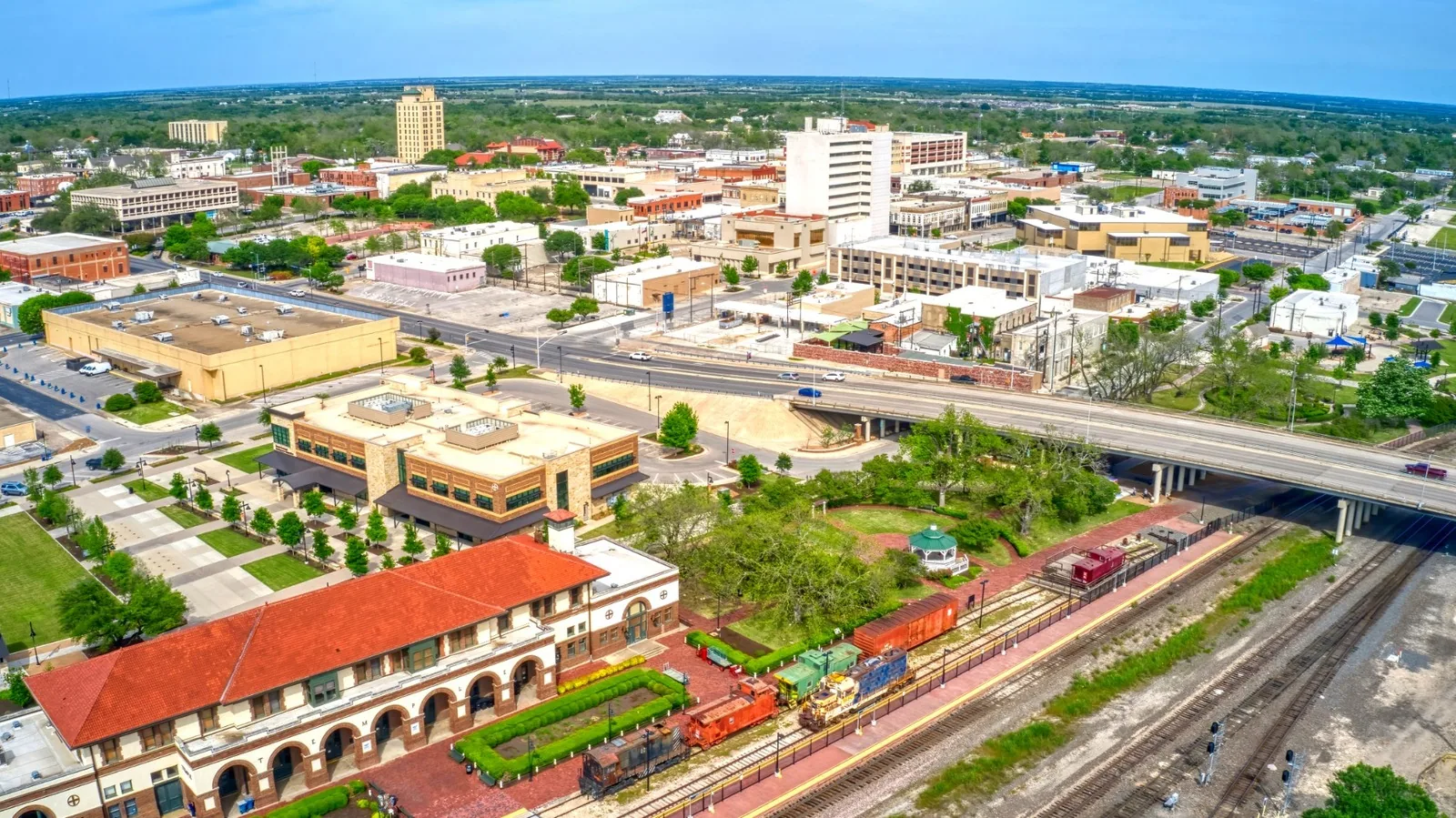
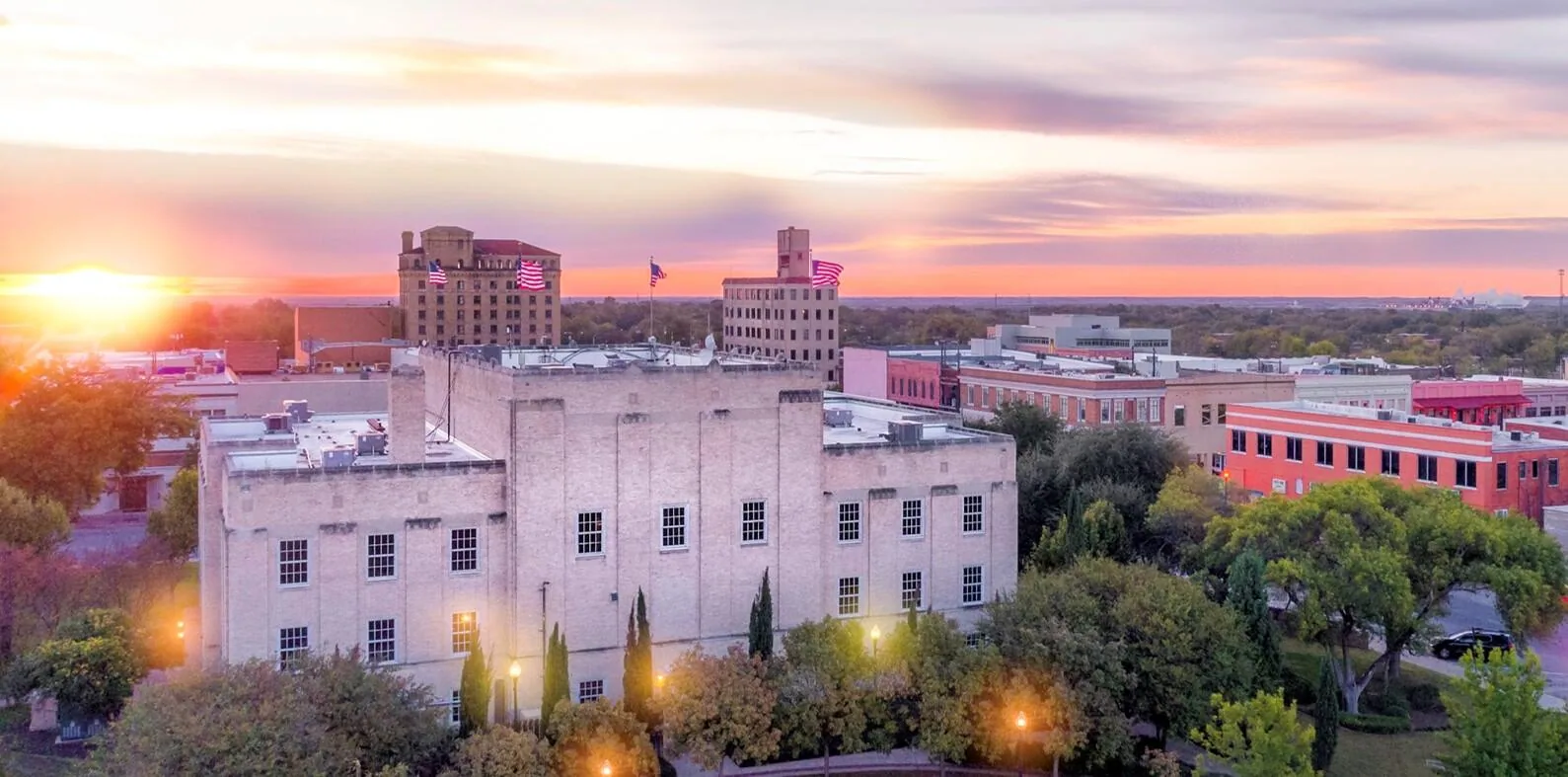
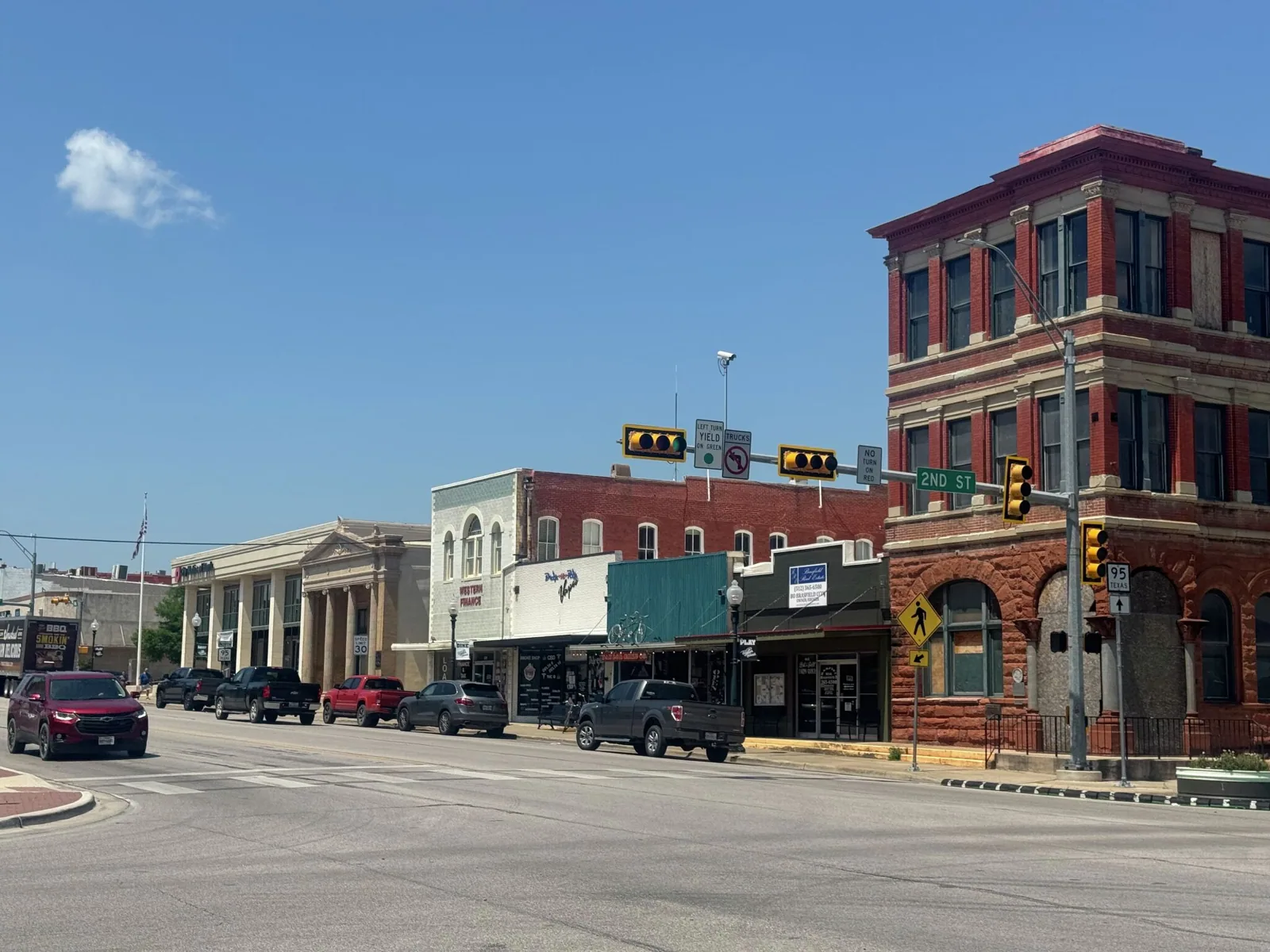
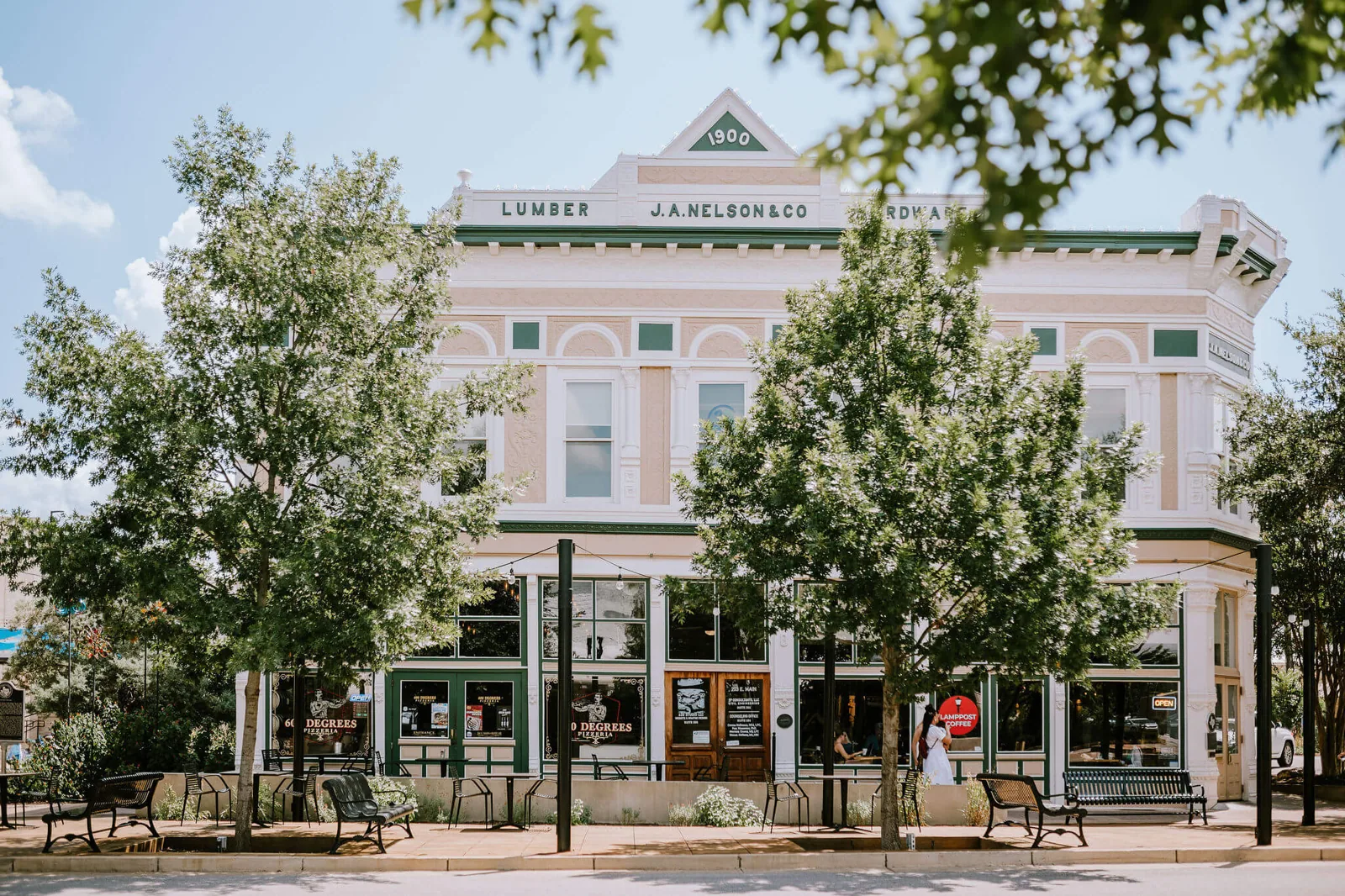
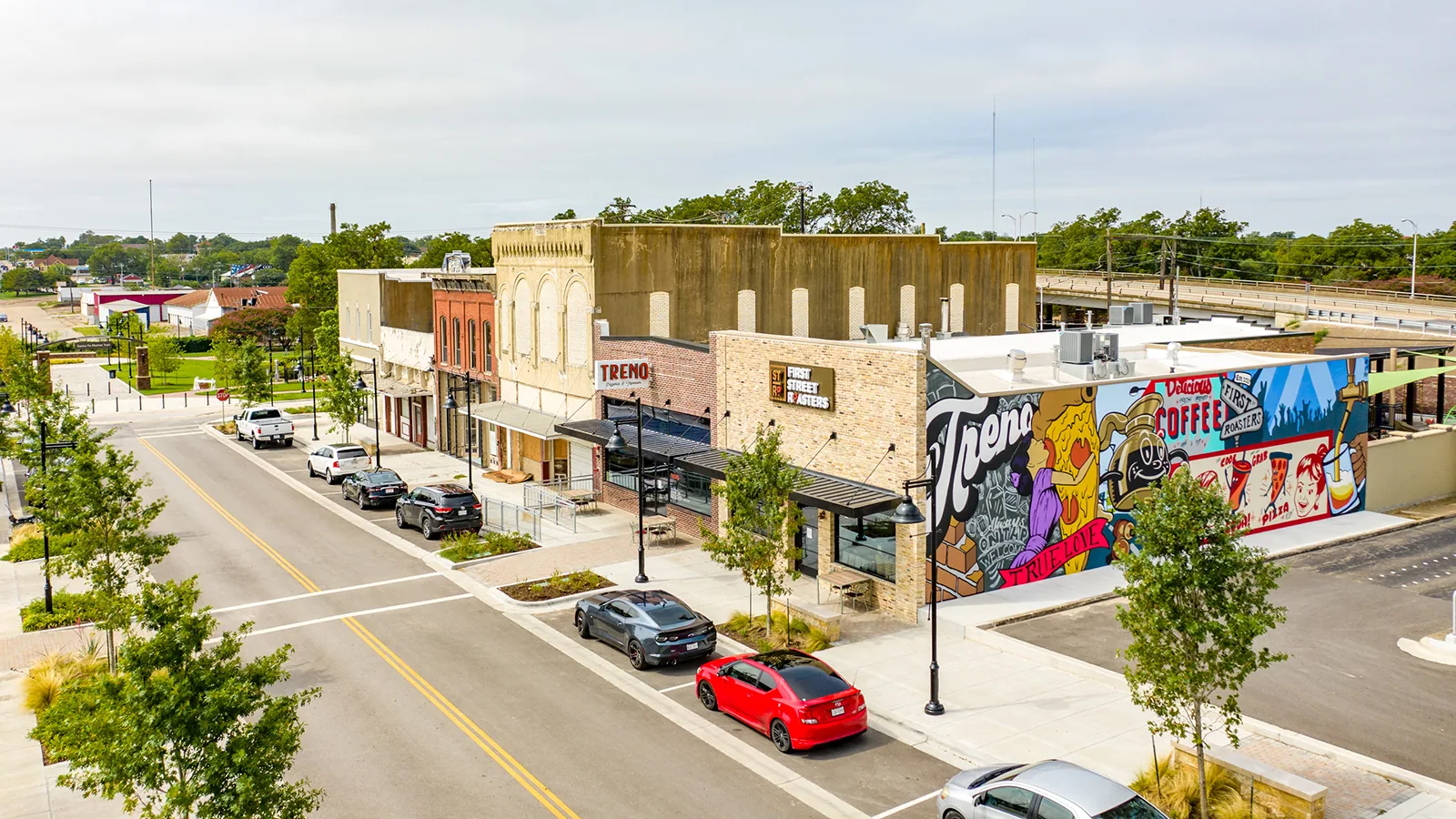
The city holds the widest spread of roof types in the area. Healthcare campuses lead the stock, and the Temple Medical and Education District puts hospital, college and lab roofs within one dense stretch next to downtown. Rail-served distribution buildings sit on the other side of town, where the Rail Park at Central Pointe draws freight service from BNSF. Older commercial blocks in Downtown Temple bring a different failure pattern: aged flashing, parapet walls and roofs that were patched many times before anyone ranked them.
The same May 2024 tornado that damaged restaurants, shops, banks and strip malls in Temple is the reference point for every make-safe conversation in the city.
What changes along the highways and into the next towns?
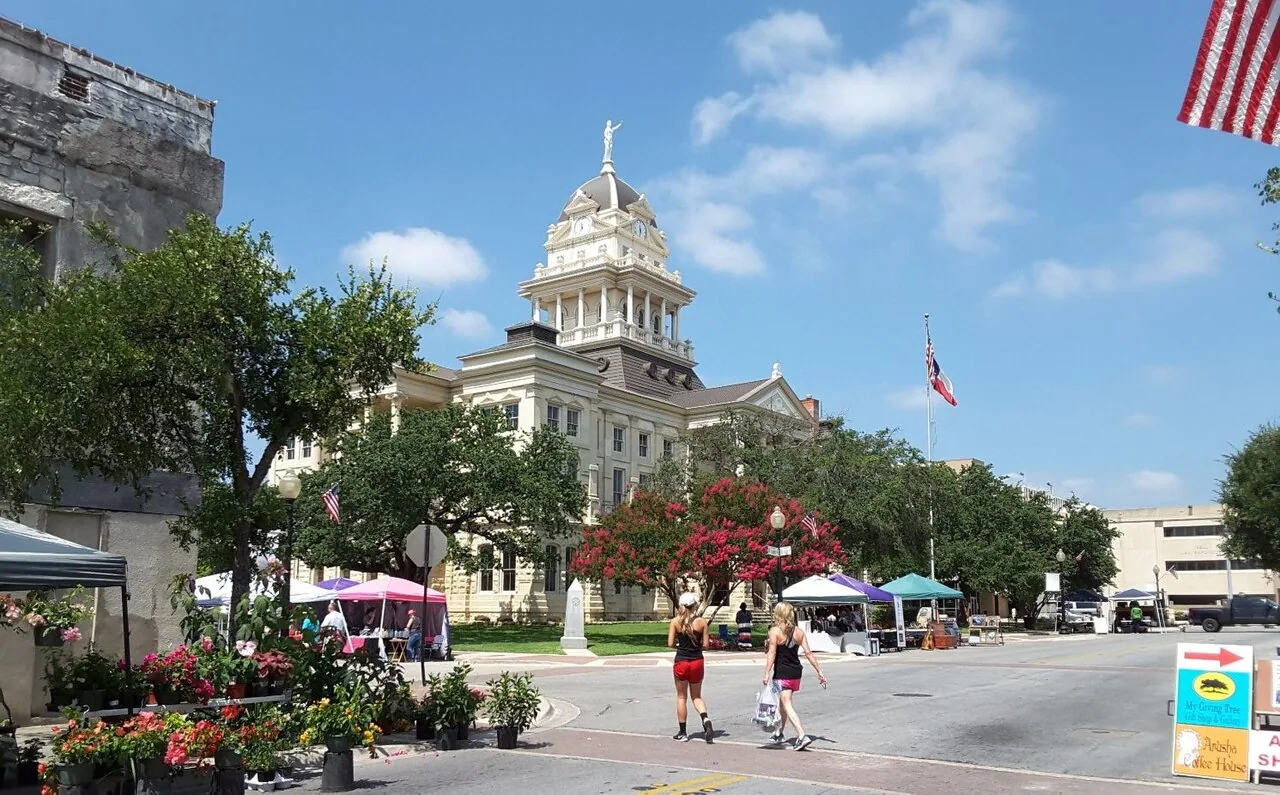
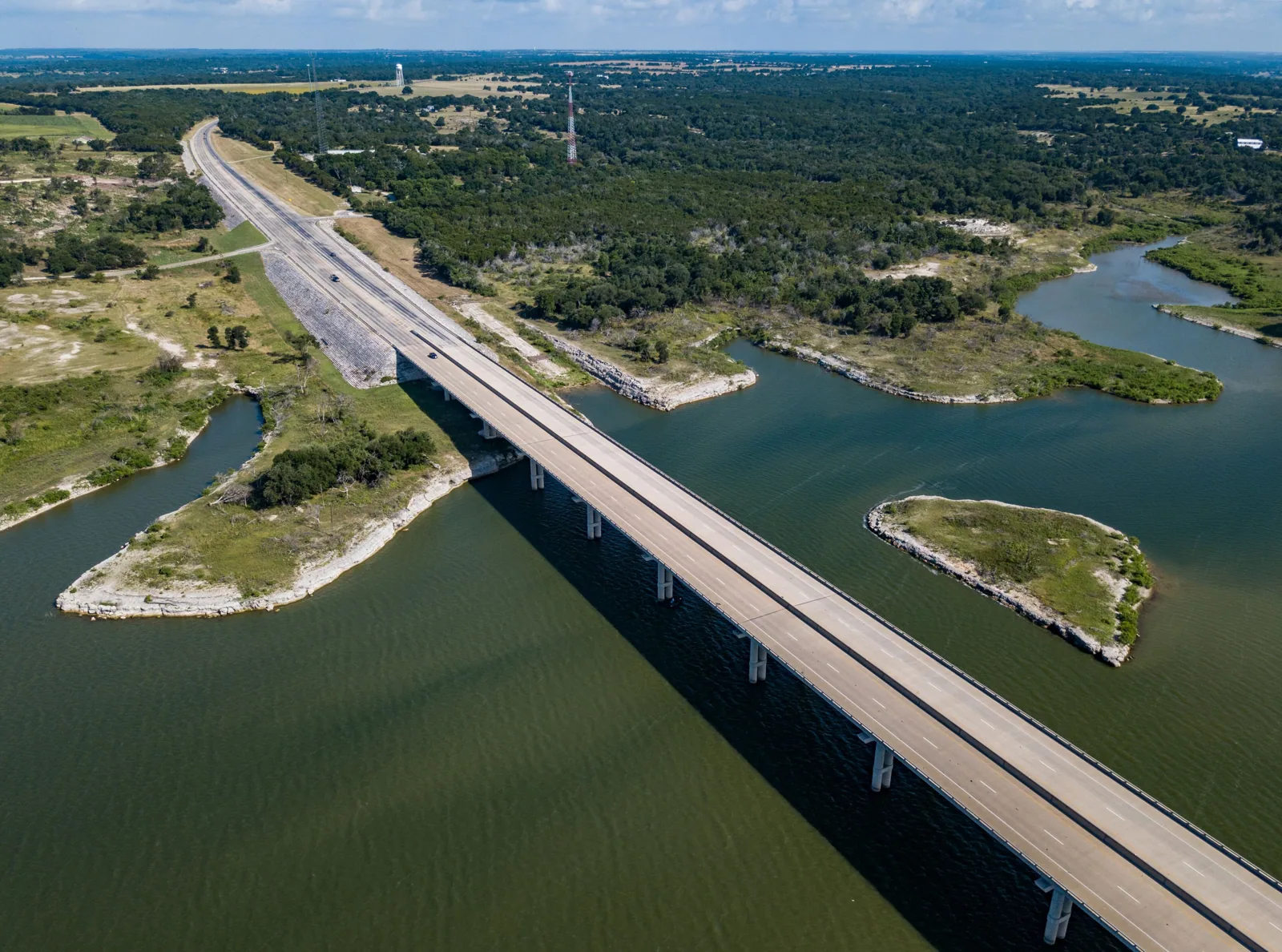
Along I-35 the next stops are smaller than Temple, and each has its own character. Belton adds a county seat, a university and a business park governed by masonry-oriented design standards, which affects how parapets and wall flashings are tied into any new membrane. South of Temple, Little River-Academy is the place where the second tornado of May 22, 2024 began, a useful reminder that wind damage in this region arrives in pieces across several jurisdictions.
West of Belton the work follows US 190 and the I-14 alignment. That stretch connects Nolanville, Harker Heights, Killeen and Copperas Cove, where much of the local economy is tied to Fort Hood.
What about the smaller towns off the main routes?
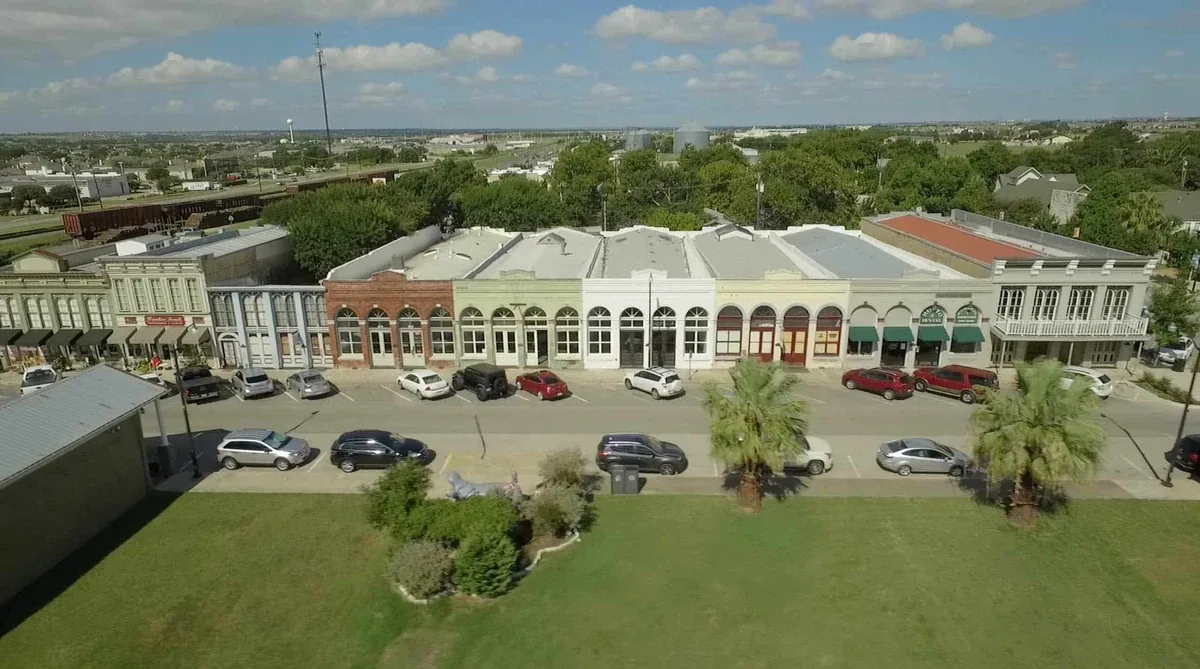
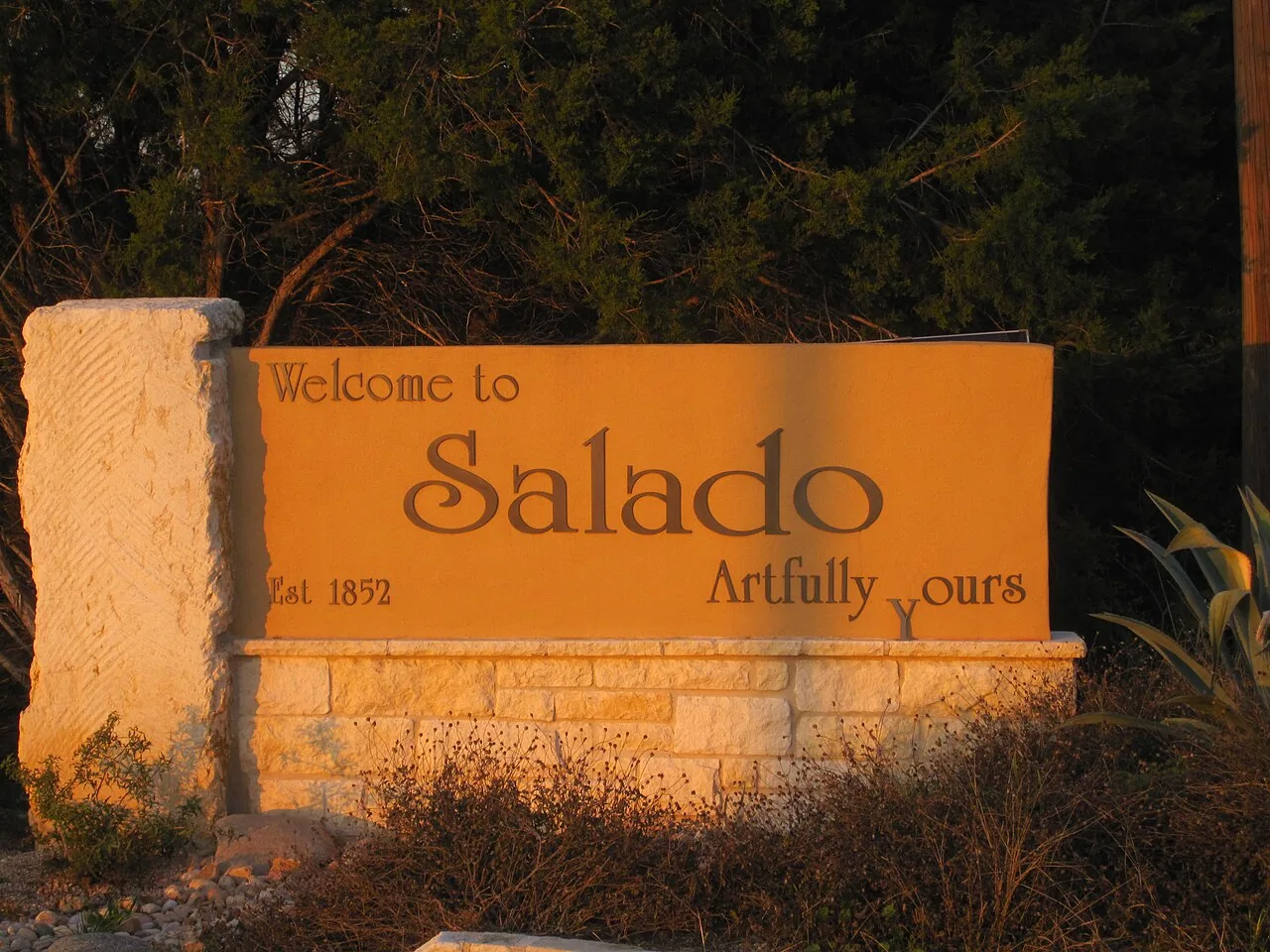
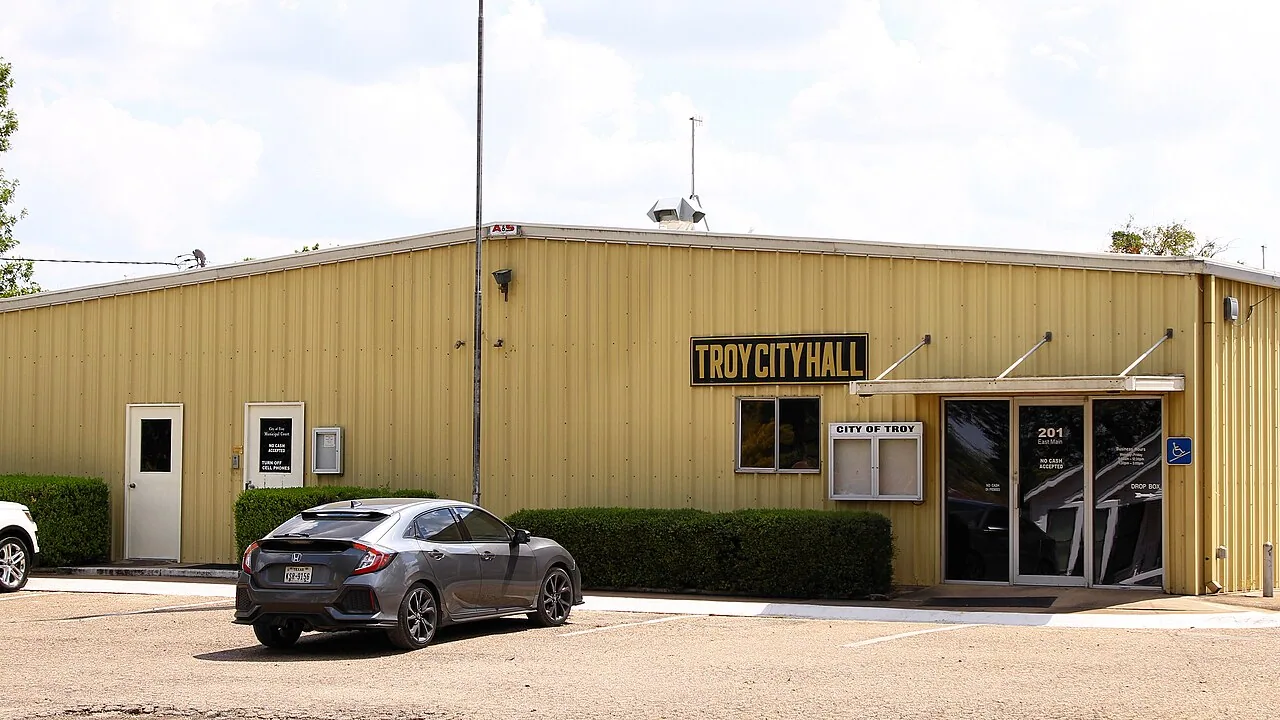
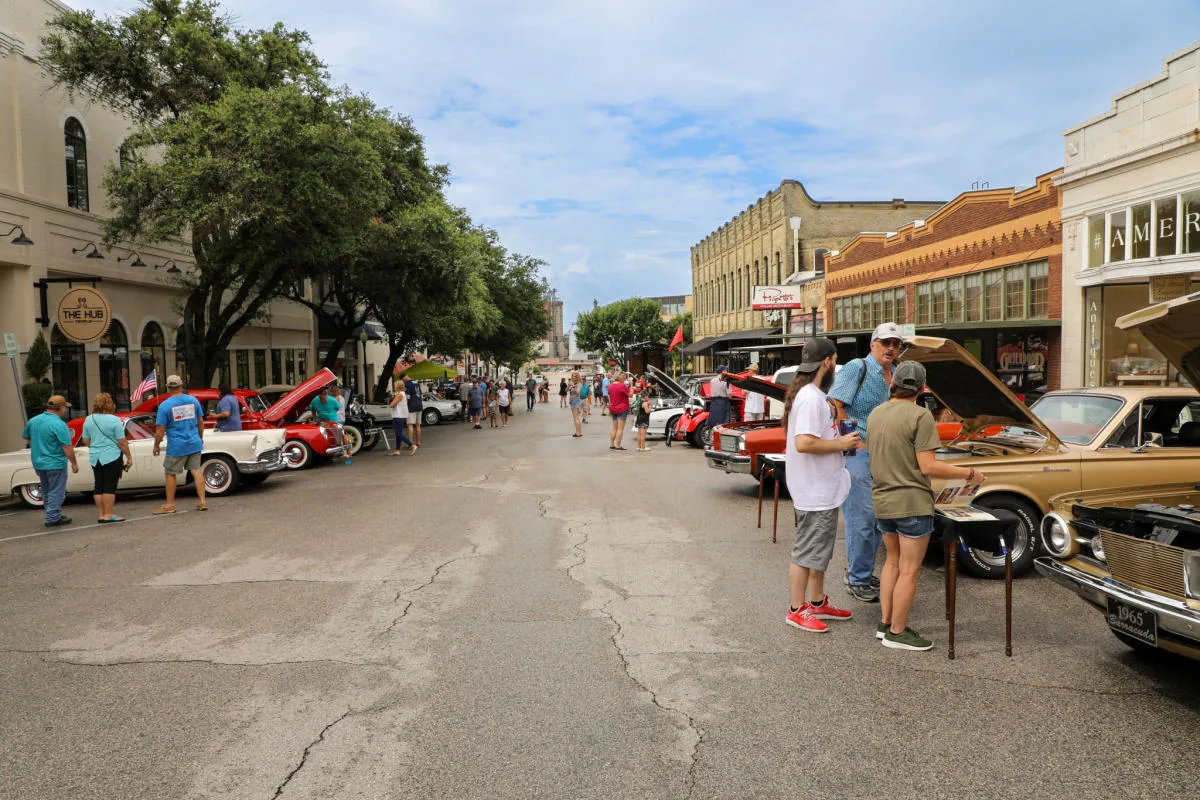
Rogers sits on US 190, Troy and Salado on Interstate 35, and Bartlett holds a commercial historic district of late nineteenth and early twentieth century buildings. Heat and wind reach these roofs the same way they reach Temple. A single historic storefront or roadside shop needs a short intake record, a moisture survey of the suspect area and a clear call on whether a patch holds until the capital budget allows more.
How does the Killeen side differ from Temple?
Killeen adjoins the main cantonment of Fort Hood, roughly 25 to 30 miles west of Temple, and its commercial development concentrates along Central Texas Expressway. A long commercial frontage puts many separate owners along the same highway, so one dispatch window can cover several of them.
Owners of regional portfolios can use one ranking across both sides. The multi-site roof program approach does that, and the emergency roof repair intake runs the same way regardless of which town the roof sits in.