General Contractors
Which trade has to be done before the roof can close, and which trade cannot start until it does? A general contractor in Temple, TX holds that sequence in a schedule, and the roof sits near its center. Until the building is dried in, interior finishes wait, and every day lost at the roof is a day lost everywhere. We work as a roofing partner who reads the schedule first, then writes a scope that fits it.
A scope for a general contractor differs from a scope for an owner. It names the interfaces: where the roofing ends and the sheet metal begins, where the roofer sets the flashing and the mechanical trade sets the unit, where the sealant is ours and where it belongs to the glazing contractor. Each interface has a drawing and a name. Disputes later in a project often trace to an interface that nobody wrote down, so we write each one down.
The same discipline applies to repairs on an existing building. When a tenant improvement exposes a roof penetration or a mechanical change adds a new curb, the roofer needs to know before the crew arrives, not after the leak. We take the first call, make the opening safe and put the failure point on paper for the contractor and the owner.
What Has to Happen Before the Roof Can Close?
A new roof needs a deck that is inspected and clean, penetrations that are placed and framed, curbs that are set and edge details that are agreed. A reroof needs the existing system to be tested, any wet insulation to be removed and the deck to be repaired. Each step has an owner, and each owner has a date. We ask for the structural drawings, the mechanical roof plan and the sequence of inspections, then build our scope to match.
Where a date slips, we adjust, and we tell the superintendent the same day. Material waits in a covered laydown area, strapped and off the ground. The crew starts the section that is ready. The remaining sections follow as the preceding trades release them. The schedule names who releases each section and who signs the dry-in.
Inspections add their own timing. The deck inspection comes before insulation, the insulation inspection comes before the membrane and the final inspection comes after flashing and edge metal. If an inspector is not available on the planned day, the crew holds at the next hold point and does not cover work that has not been seen. A day of waiting is cheaper than uncovering a section for a missed inspection.
Which Trades Touch the Roof?
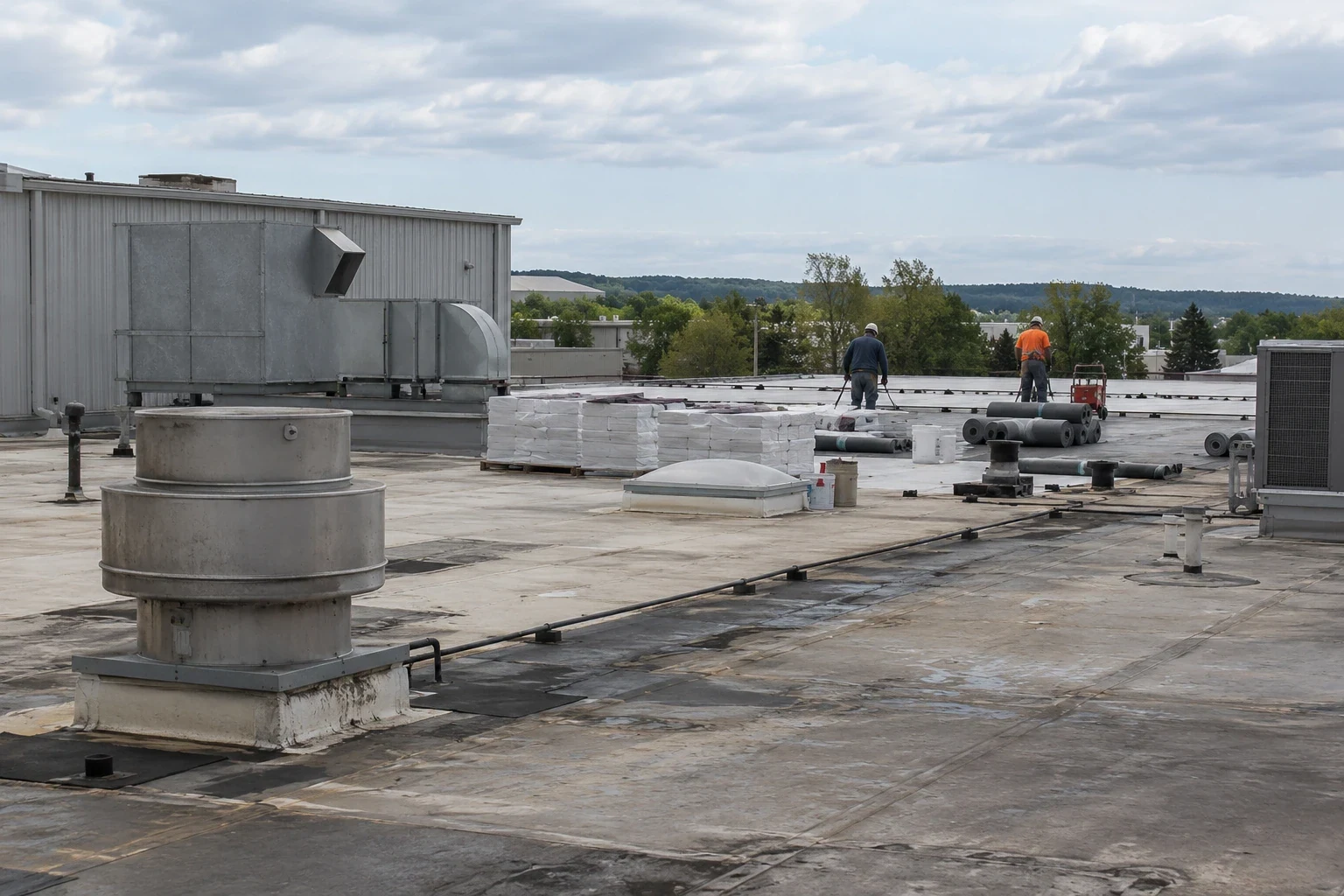
Mechanical contractors set rooftop units and connect ductwork. Electrical contractors run conduit and lightning protection. Plumbers set vent stacks and drains. Sign installers fasten brackets to parapets. Solar installers sometimes follow. Each can puncture or pinch the membrane. We coordinate with each trade, mark the penetrations on the sketch and issue a flashing detail for each. After each trade visit, we walk the roof and photograph any damage, so repairs are made while the cause is clear. Equipment curbs are a frequent problem. A mechanical contractor who sets a curb a few inches off the planned location leaves a flashing that no longer fits. We note the as-built location, correct the flashing and send the contractor the revised detail, so the next curb is set where the detail expects it.
The contractor receives a short punch list after each walk. Items are numbered and photographed, and each one names the trade responsible.
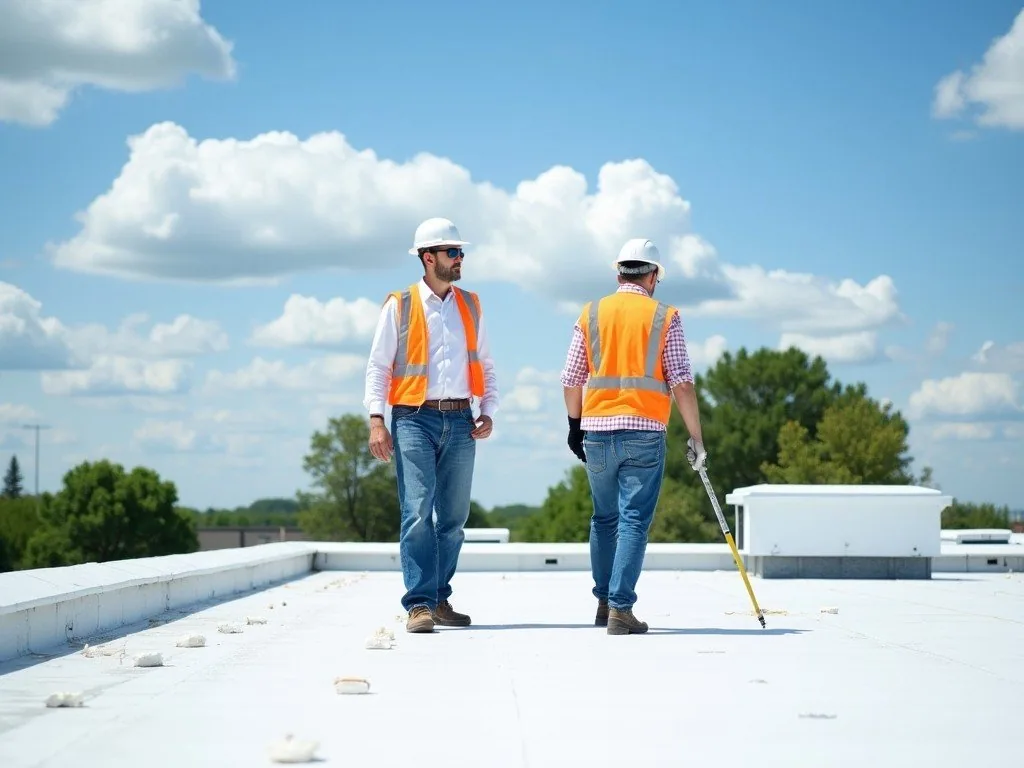
Our crew leads attend the weekly coordination meeting when the schedule calls for it. They bring the current dry-in status, the next two weeks of roof work and any hold points that depend on another trade. A superintendent who sees the roof plan in the meeting can reorder interior work without waiting for a phone call. If weather is forecast, the crew lead names the sections that will be sealed and the sections that will wait.
How Do Temple Conditions Affect the Schedule?
May is Temple's wettest month at 5.4 inches, so a spring schedule needs rain contingency built in. Late-summer heat, with highs around 95 F and roughly 80 days over 90 F, changes how adhesives and sealants behave and when crews can work. The May 22, 2024 tornado, an EF-2 rated near 120 mph, is a reminder to strap down loose materials and tarps at the end of each day, because wind that tears into strip malls also lifts a stack of insulation. Material that is stacked on a roof edge, insulation that is unstrapped and rolls that are unweighted become projectiles in a gust. Our end-of-day checklist covers each, and the crew lead signs it before leaving the site. The contractor receives a copy.
Who Handles Permits and Inspections?
Cities in Texas work under the International Building Code, and plan review at Temple's Building Department is where the roofing submittal gets its first read. The permit office states which edition governs a given project. We prepare roofing submittals for the contractor to include in the permit package and coordinate inspection dates with the building schedule. Inspection photos and punch-list closeouts are provided with each stage, and the contractor receives a turnover file at the end. Where an owner requires a manufacturer inspection or a third-party observer, we schedule it into the same calendar and keep the report in the file. If the project is a renovation of an older building, such as those near downtown Temple, the permit path may add a review, and we note it when the schedule is first built.
What Goes in the Turnover File?
The turnover file holds the system description, product data, photographs from tear-off or deck inspection through completion, penetration locations, drain log, edge metal details and inspection dates. The owner receives a copy, and the contractor keeps one. For a general contractor who builds for healthcare clients or for owners such as investors and REITs, the file is formatted to satisfy their closeout requirements, with product data, warranty forms and as-built sketches. A good file prevents warranty arguments months later, because it shows what was done and when. It also supports a warranty management program, which tracks what the roof requires to remain covered.
Where Does a Roofing Partner Fit in Temple Projects?
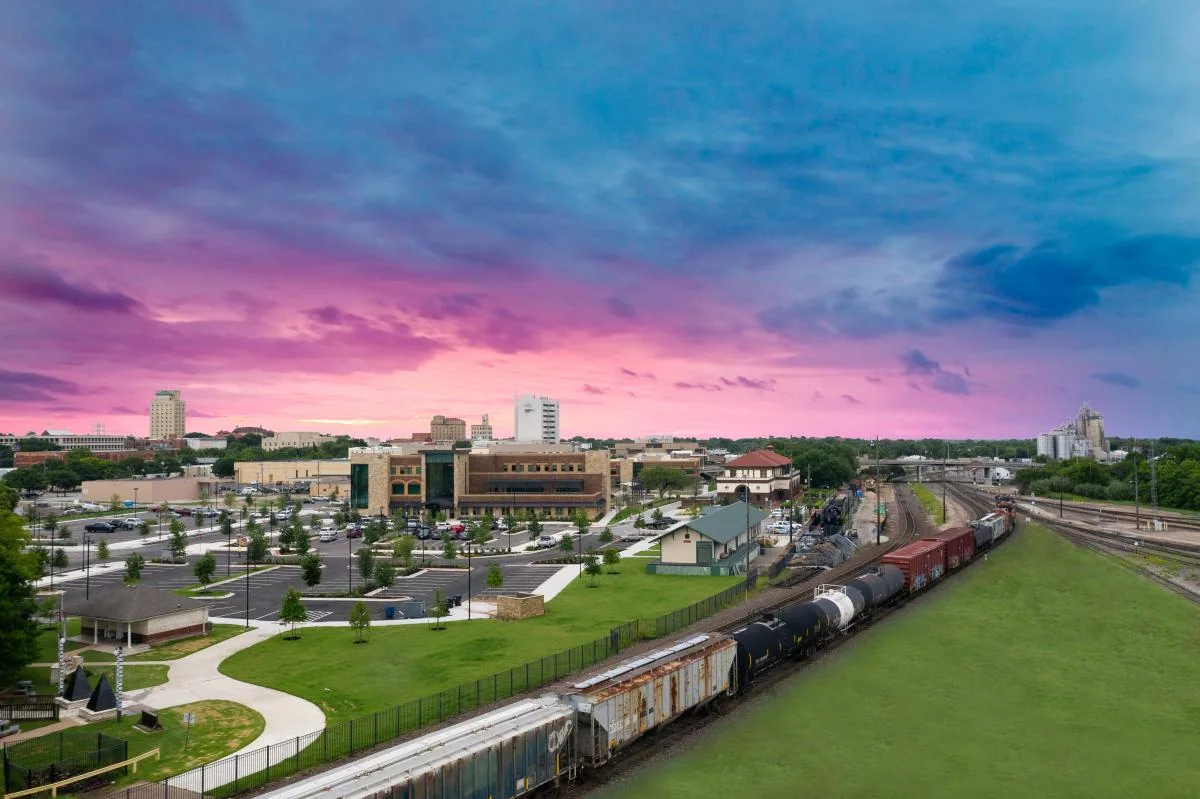
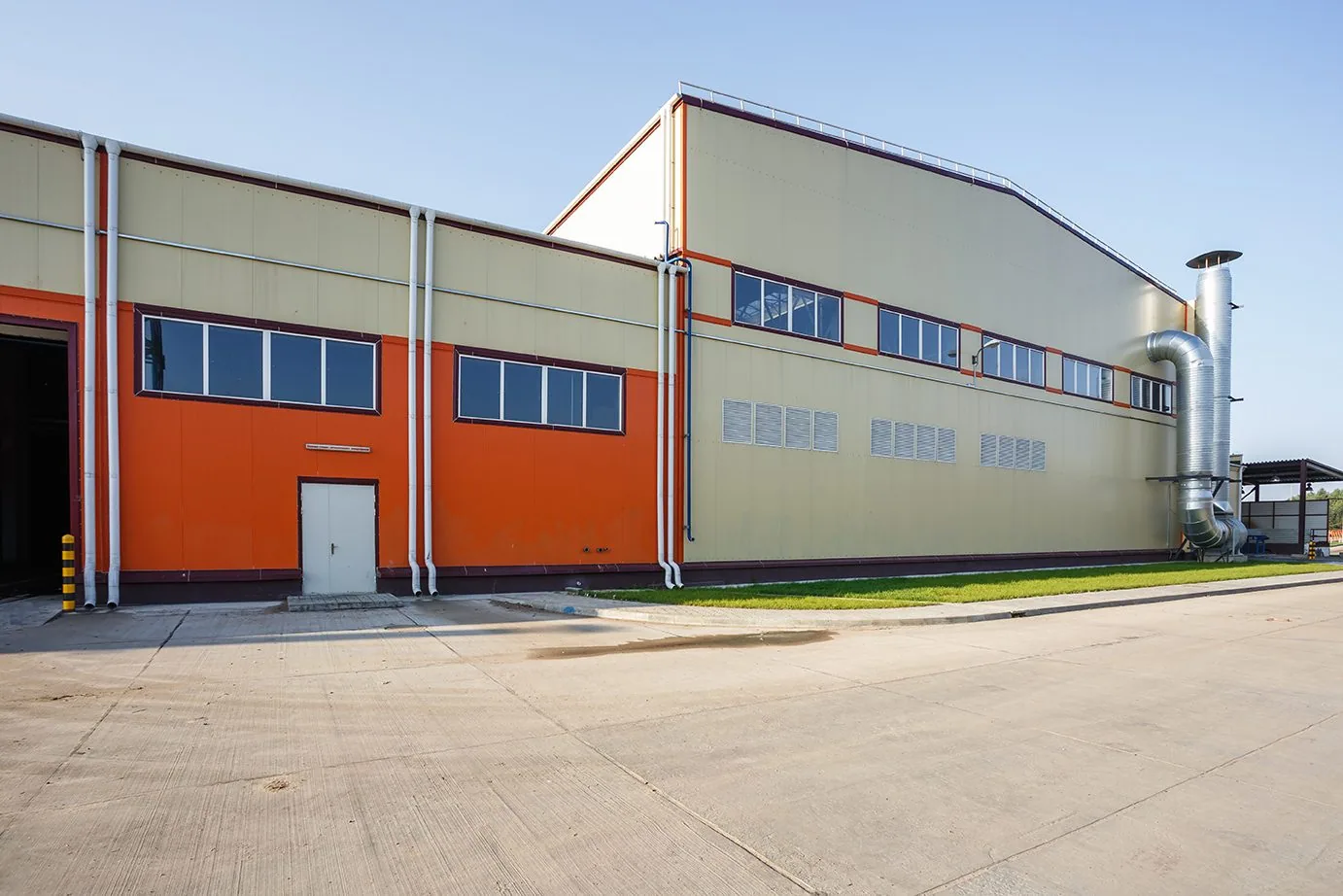
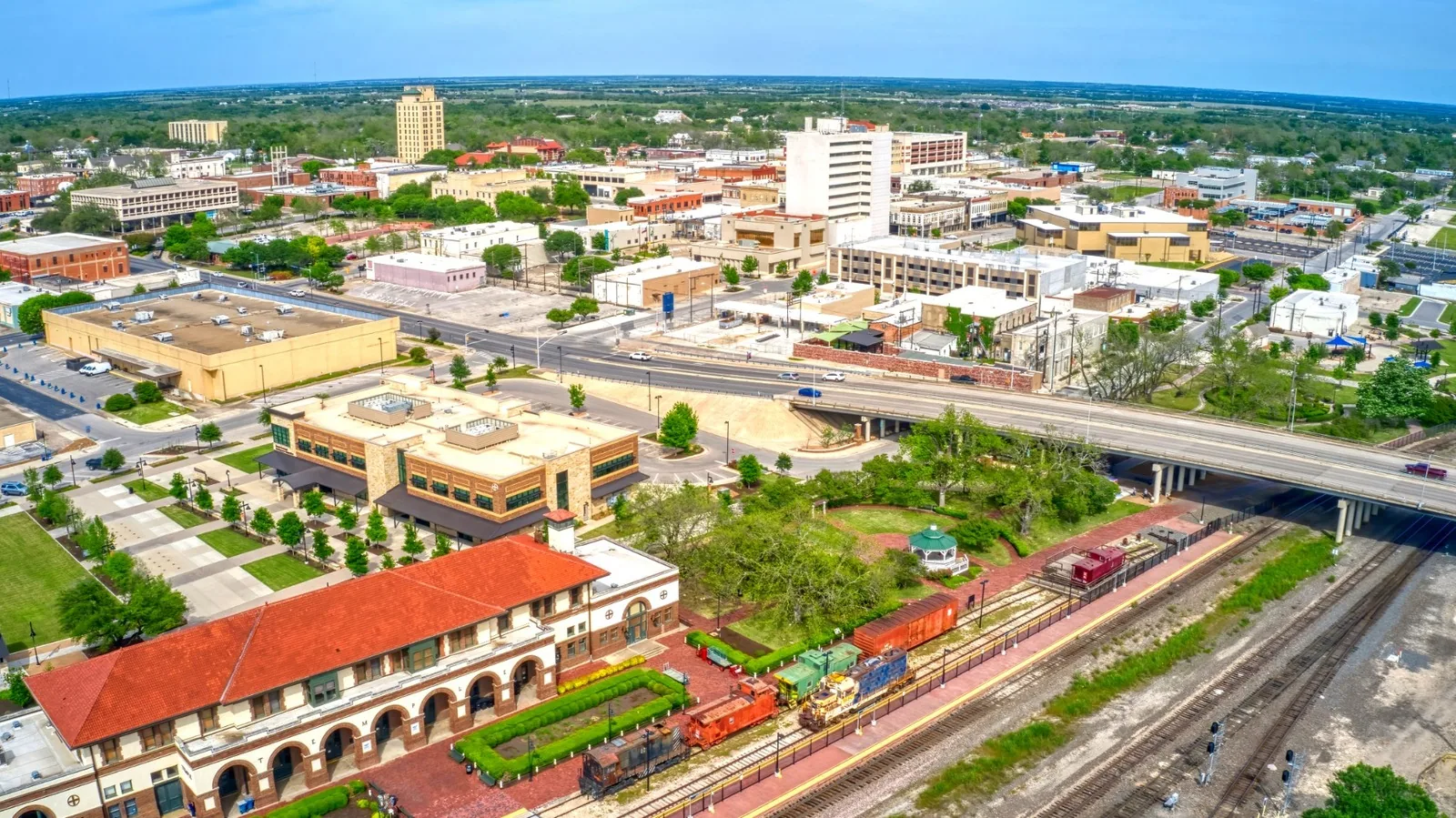
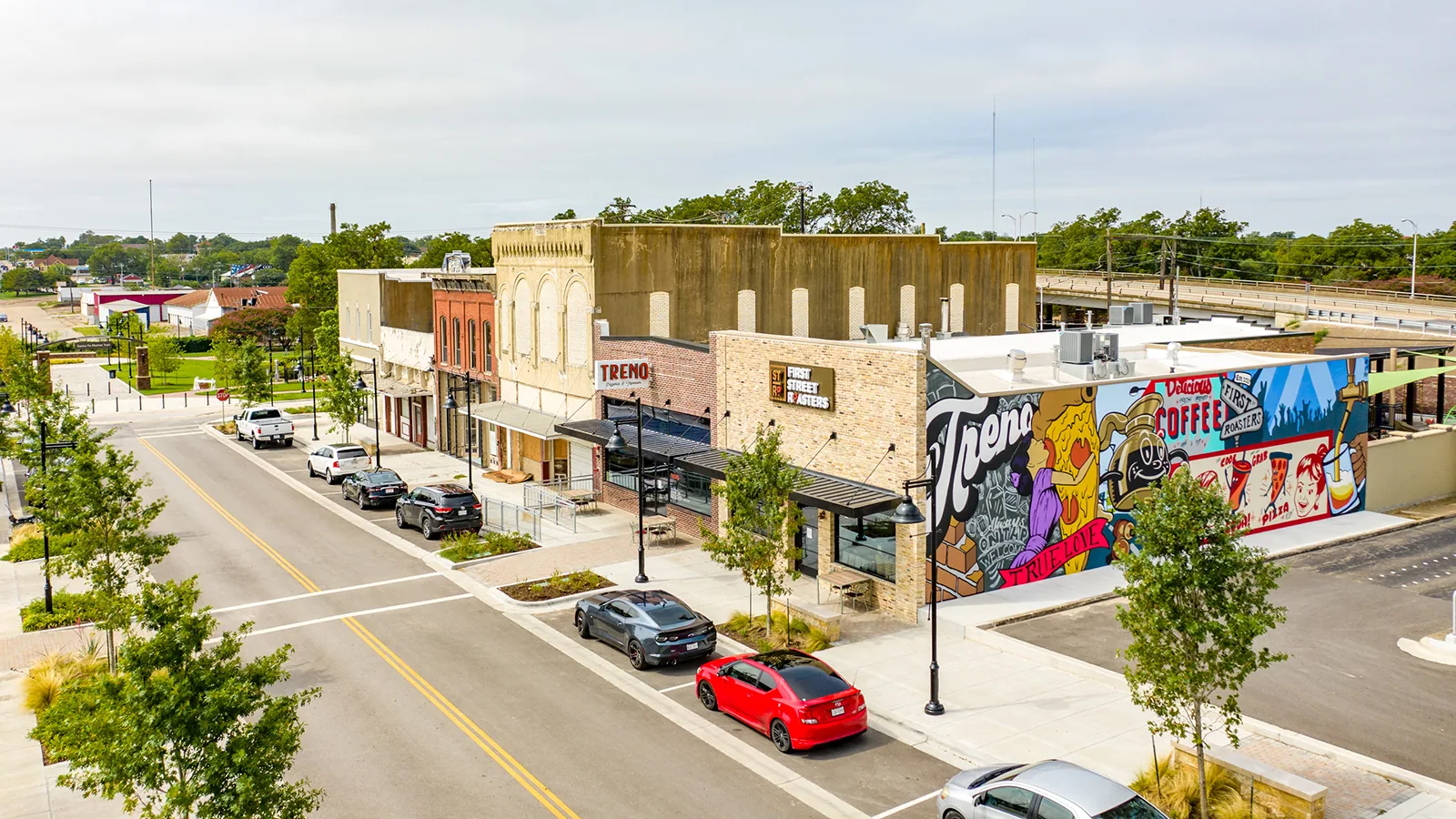
Projects in Temple, a city that Interstate 35 runs through and Loop 363 encircles, include healthcare campuses, distribution buildings near the BNSF and Union Pacific mainlines, rail-served industrial sites and downtown renovations. Contractors on Rail Park at Central Pointe or downtown Temple projects face different access conditions. Contractors also work alongside manufacturers and health systems as owners, and each has its own rules for site access.
Commercial Roofing Questions
What do you need from a general contractor before pricing?
Roof plans, the mechanical roof layout, the schedule with trade dates and any owner requirements for system, warranty or access.
How do you handle schedule slips?
Material stays covered, the crew starts any section that is ready and the schedule is reissued with new dates and release points.
Who is responsible for damage by other trades?
The responsible trade, as shown by the walk records. We photograph damage and note the visit that preceded it.
Can roofing proceed while interior work starts?
Yes, once a section is dried in. Interior work can begin below it, and the schedule shows which sections are released.
What does the turnover file include?
System description, product data, photographs, penetration list, drain log, inspection dates and the maintenance steps the owner should keep.