Roof Warranty Management
A seam opens on a warranted roof, and the first question is not how to fix it. It is who is allowed to touch it. A repair made without notice, or with the wrong materials, can put a manufacturer's coverage at risk on a roof the owner has not yet paid for in full. Warranty management exists for that moment, and for the months before it. In Temple, TX, where summer runs long and hot, a membrane works hard from spring to fall, and the paper trail around it matters as much as the sheet itself.
The work is mostly record keeping, done early and kept current. When a claim becomes necessary, the file is ready.
What does a roof warranty usually require?
Terms differ from one manufacturer and one system to the next, so we read the document before we touch the roof. Most commercial warranties share a pattern: the owner has to keep the roof maintained, notify the manufacturer before certain repairs, use compatible materials and avoid unapproved alterations such as new penetrations or rooftop equipment installed without flashing details. Many also exclude damage from events outside normal weathering, which brings wind and storm loss into a different category of coverage.
We list those conditions in plain sentences at the front of the warranty file. A facility manager who has never read the original document can then see what needs to happen before a unit is added, a drain is replaced or a repair is made.
One more habit helps: we photograph the warranty document itself and store it with the roof records, because originals have a way of vanishing in an office move. The summary page we prepare lists the system type, the roof sections it covers, the key conditions and the recheck dates, so a quick reading is possible without opening the long document.
Which records keep coverage intact?
Four kinds of record carry the weight. The installation documents show what system went on and when. Inspection reports show the roof's condition at intervals. Maintenance logs show that drains, scuppers and flashings were kept clear and sound. Repair records show what was changed, by whom, with what materials. We keep all four in the same place, tied to the roof section where the work happened.
Our preventive roof maintenance visits add a dated entry each time. The photographs repeat from the same positions, so a gradual change shows up in the sequence even when no single visit reveals it. A reviewer who opens that file finds a roof that was kept up on a schedule.
What if storm damage and a defect look alike?
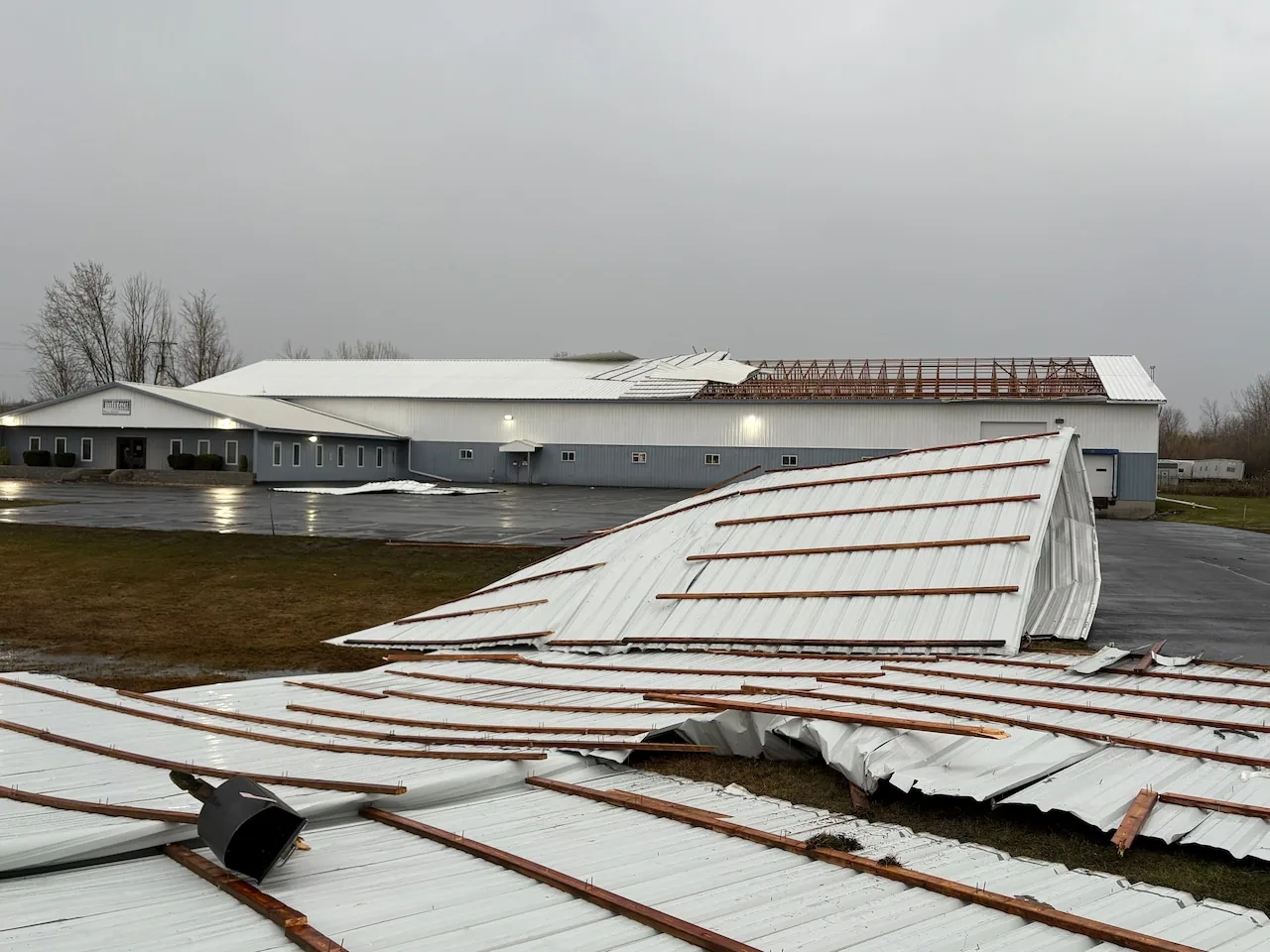
They often do. A lifted edge can be a defect in the installation or the first sign of wind loss, and the cost sits with a different party depending on the answer. The tornado that crossed Temple on May 22, 2024 makes the question practical, not theoretical. The record that answers it is a pre-event baseline: dated images of the edge metal and fasteners before the wind came.
Where the baseline exists, the comparison is simple. Where it does not, we document the damage as found, note the pattern, and let the owner and the manufacturer or insurer draw their own conclusions. Our storm damage repair work keeps the make-safe step separate from the permanent scope, so a temporary dry-in does not muddy a later coverage discussion.
When does the manufacturer need to be told?
Before a repair that changes the membrane, flashing or insulation, and often before a new penetration is cut through the roof. The warranty file lists the notification requirements next to the roof they apply to, along with the contact route if one is printed on the document. For emergency work the sequence changes: stop the water first, document what was done, then notify. We write that order into the file so nobody in the first hour has to hunt for it.
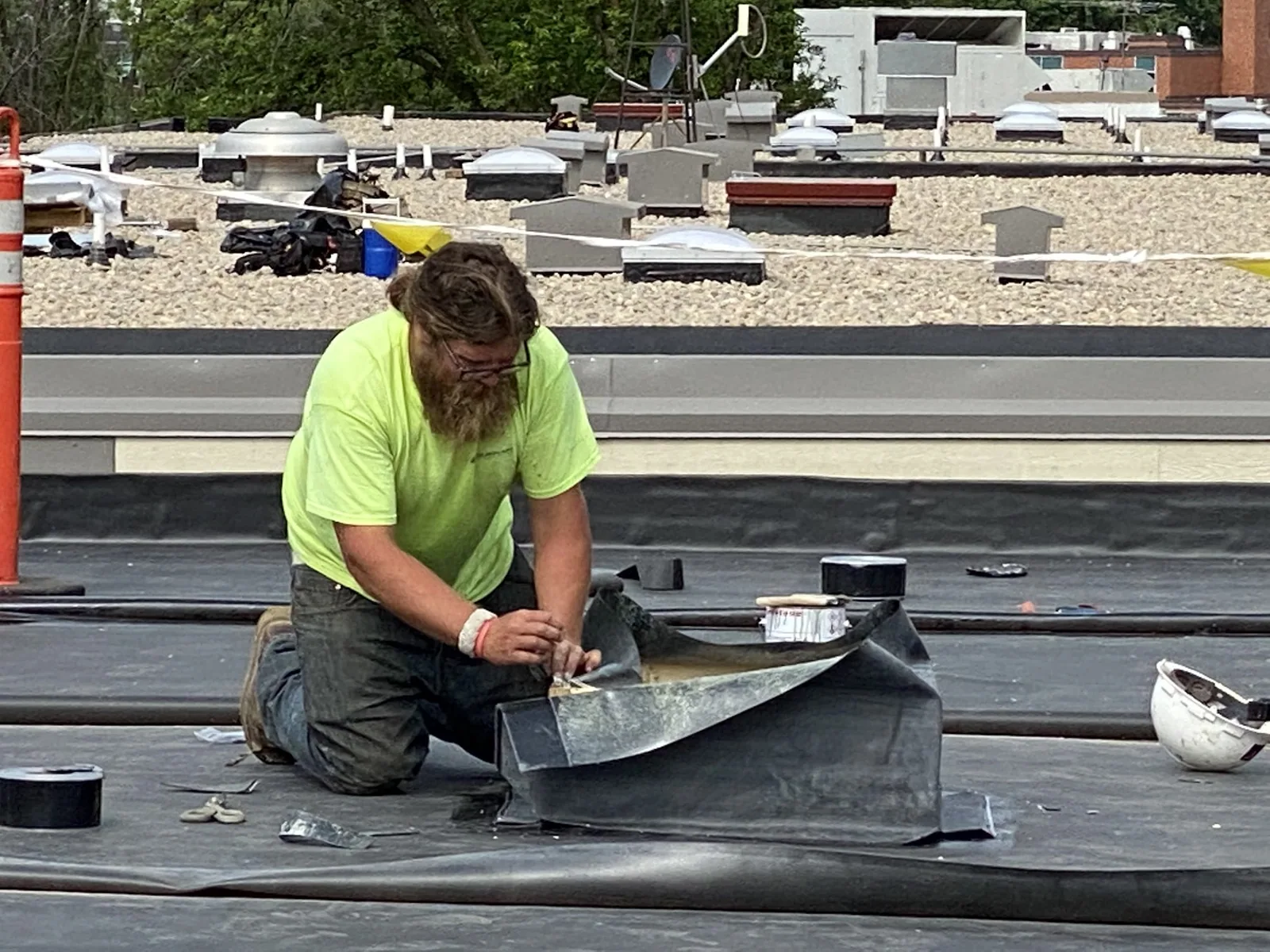
For roofs where penetration flashing work or rooftop equipment curbs are about to be changed, the notice goes out first and the work follows.
Who else can void coverage without meaning to?
Other trades are the usual cause. An HVAC technician replaces a unit and drops a curb into a new position. A low-voltage contractor runs conduit across the membrane. A solar installer drills fasteners through insulation. None of them intends harm, and most of them do not know a warranty exists. The fix is a short rooftop rule sheet kept at the roof hatch and in the facility manager's binder: who to call before work starts, which areas are off limits to fasteners and which walk paths protect the membrane.
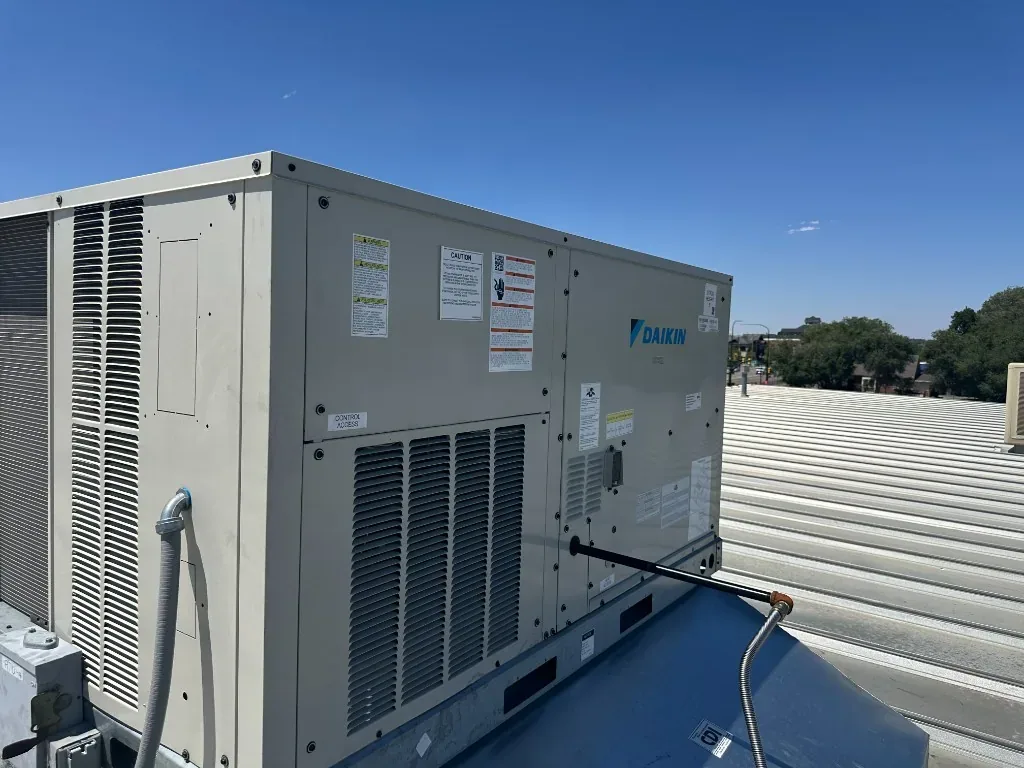
We also log every visit by another trade. Where a roof carries rooftop units, the log notes the date, the company and what they touched. If a leak appears at that curb a month later, the file already points at the likely cause, and the owner has a record to share with the responsible party.
How does this scale across a portfolio?
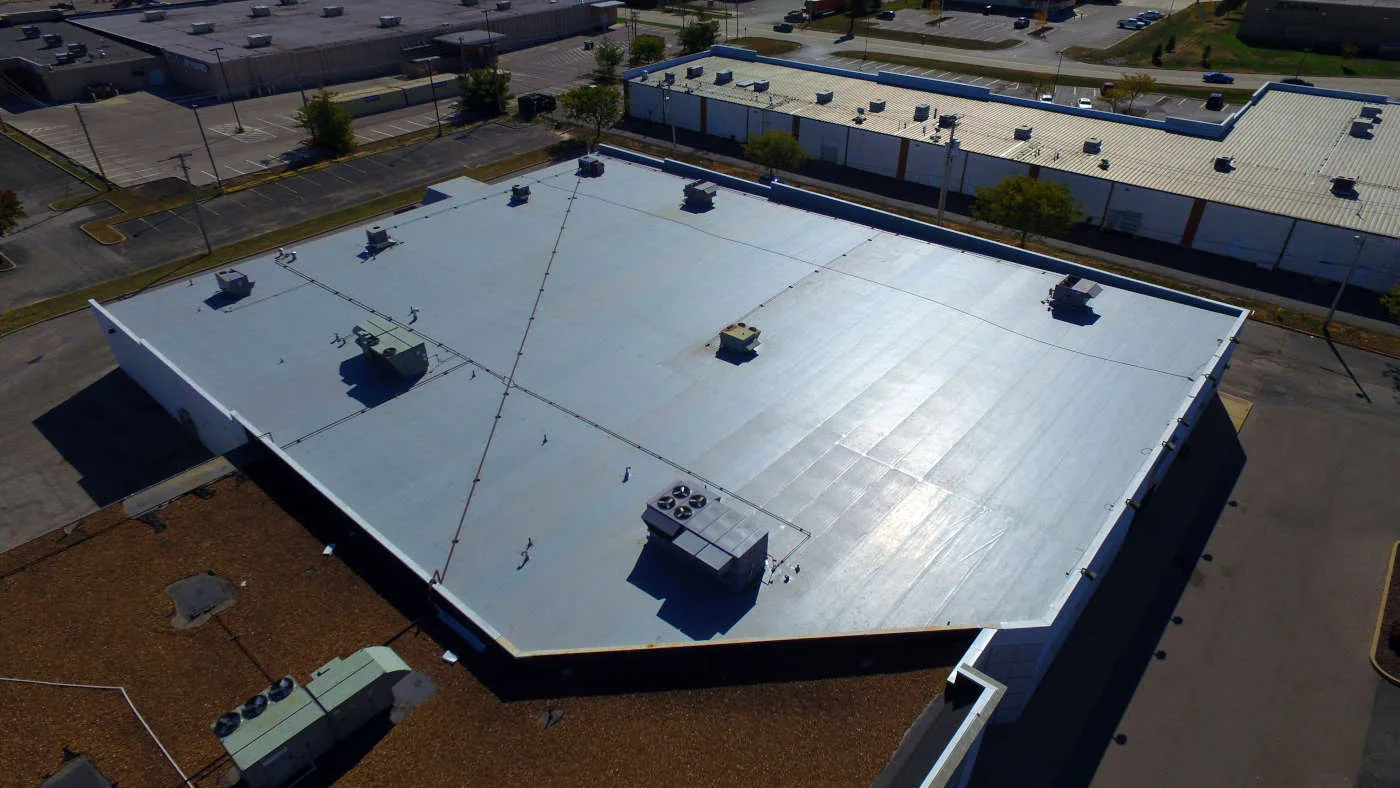
A manager with many roofs needs one view of which warranties are active, which are close to expiring and which have conditions that require a visit. The asset record carries that view, and the condition reports supply the evidence. For buyers and lenders, the due diligence survey reads warranty paperwork alongside the roof itself, because a transfer of coverage often has conditions of its own. Buildings in the Temple Industrial Park or along the Loop 363 corridor are added to the same schedule so each warranty has its own recheck date.
What happens to the warranty when the building changes hands?
Transfers usually come with conditions: a notice within a stated period, a fee, sometimes an inspection. A buyer who closes on a Temple distribution building or a medical office without checking will inherit whatever lapsed. We review the warranty paperwork during acquisition work and flag what has to be done to keep the coverage in place, so the transfer step can sit on the closing checklist next to the title work.
Sellers benefit too. A clean file with dated inspections and maintenance entries gives a buyer less reason to ask for a price reduction on the roof. It also keeps the seller from discovering, late in the process, that a repair done years earlier was never reported.
Commercial Roofing Questions
Does a repair by a different roofer end a warranty?
It can, depending on the terms. Most documents name who may repair the roof and what materials may be used. The first step is to read the document, and the second is to notify the manufacturer before work that changes the system.
What should be done in the first hour if a warranted roof leaks?
Stop the water with a make-safe step and photograph the condition before it is covered. Record the roof section, then check the warranty file for notice requirements. Permanent work waits for the notice and the scope.
Can maintenance records be rebuilt if they were lost?
Partly. A fresh inspection documents the present condition, and any surviving installation paperwork fills in the history. Gaps are noted, and from that visit forward the file stays complete.
Does a coating over an old warranted roof affect coverage?
It may. Coating or recovering a warranted roof is an alteration, and the warranty document says whether it is allowed and who must approve it. We read the terms before recommending either path.
Who holds the warranty file?
The owner does. We organize it, keep copies with the roof records and update it after each visit, so the file travels with the building if it is sold.