Real Estate Investors and REITs
What does a buyer's lender see when it asks about the roof on your Temple, TX asset? If the answer is a stack of invoices and a stain on a ceiling tile, the roof is a negotiating point against you. If it is a dated condition record, a moisture survey and a capital line, the roof is a managed item. Investors and REITs hold properties across many markets, and Temple adds heat, tornado exposure and a stock of healthcare, distribution and rail-served industrial buildings that each age differently.
We work for the asset manager first. The sequence is failure point, make-safe step, written record and decision, and the record is shaped for people who will never visit the roof. A committee in another city can read it in ten minutes and learn what the roof needs, what it costs and what waiting does. Many assets are leased to tenants who also need to hear a clear message, and the same record supplies it.
What Does Diligence Look for on a Temple Roof?
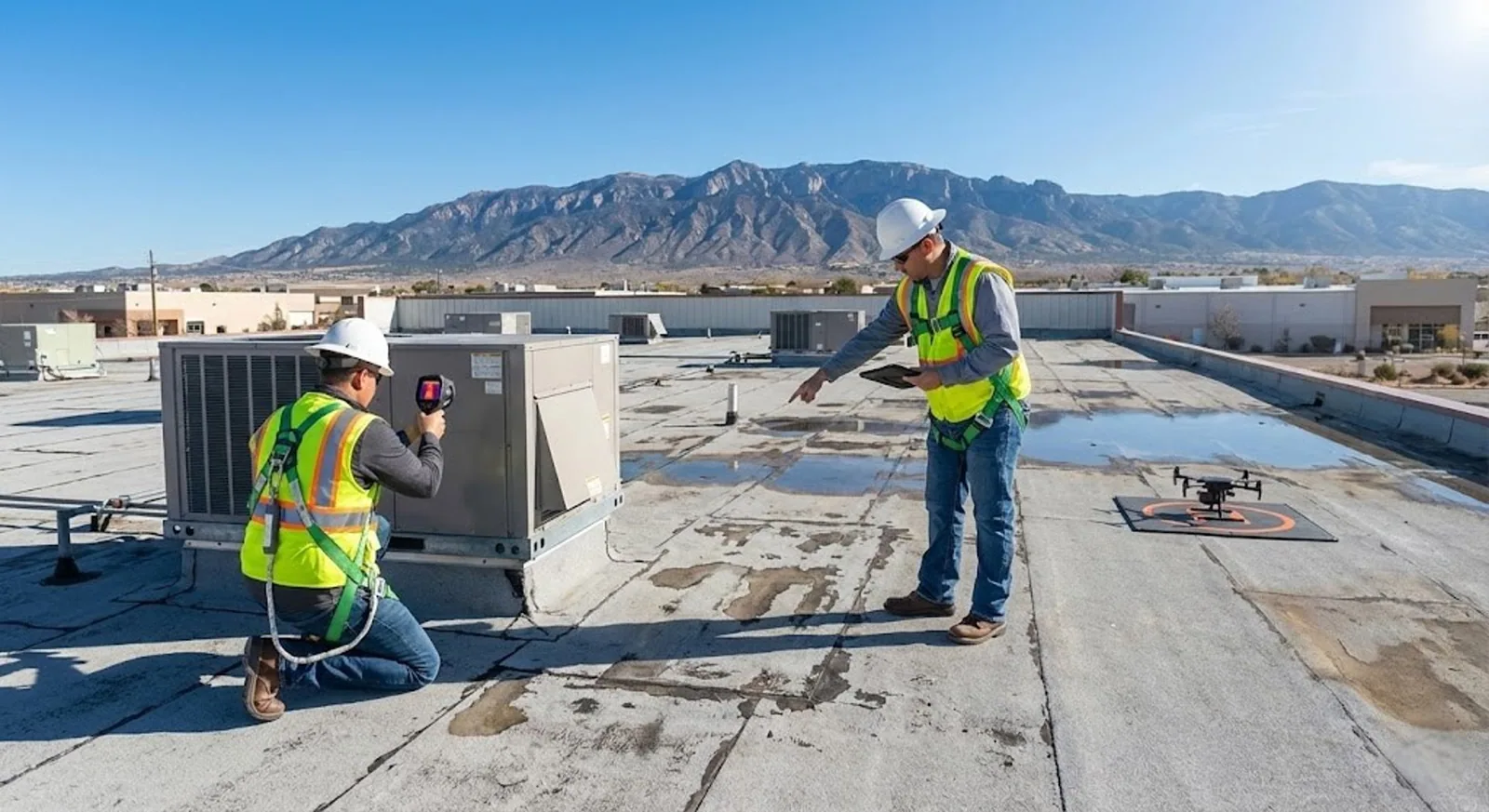
A buyer or lender tests roofs in three ways: age, condition and cost to carry. Age is easy and often misleading. Condition takes inspection, with core samples, seam probes and a moisture survey. Cost to carry means the repairs already due and the replacement coming. A due-diligence roof survey assembles all three into one document with photographs and a price for each item, so the negotiation is about numbers instead of guesses.
Core samples show how many layers sit on the deck, how thick the insulation is and whether any layer is wet. Seam probes show whether welds on a single-ply sheet are tight. Moisture mapping shows the boundary of any wet area. Each reading is tied to a numbered location on the sketch, and each location has a photograph. The buyer's engineer can retrace our steps on a visit without guessing which spot we meant.
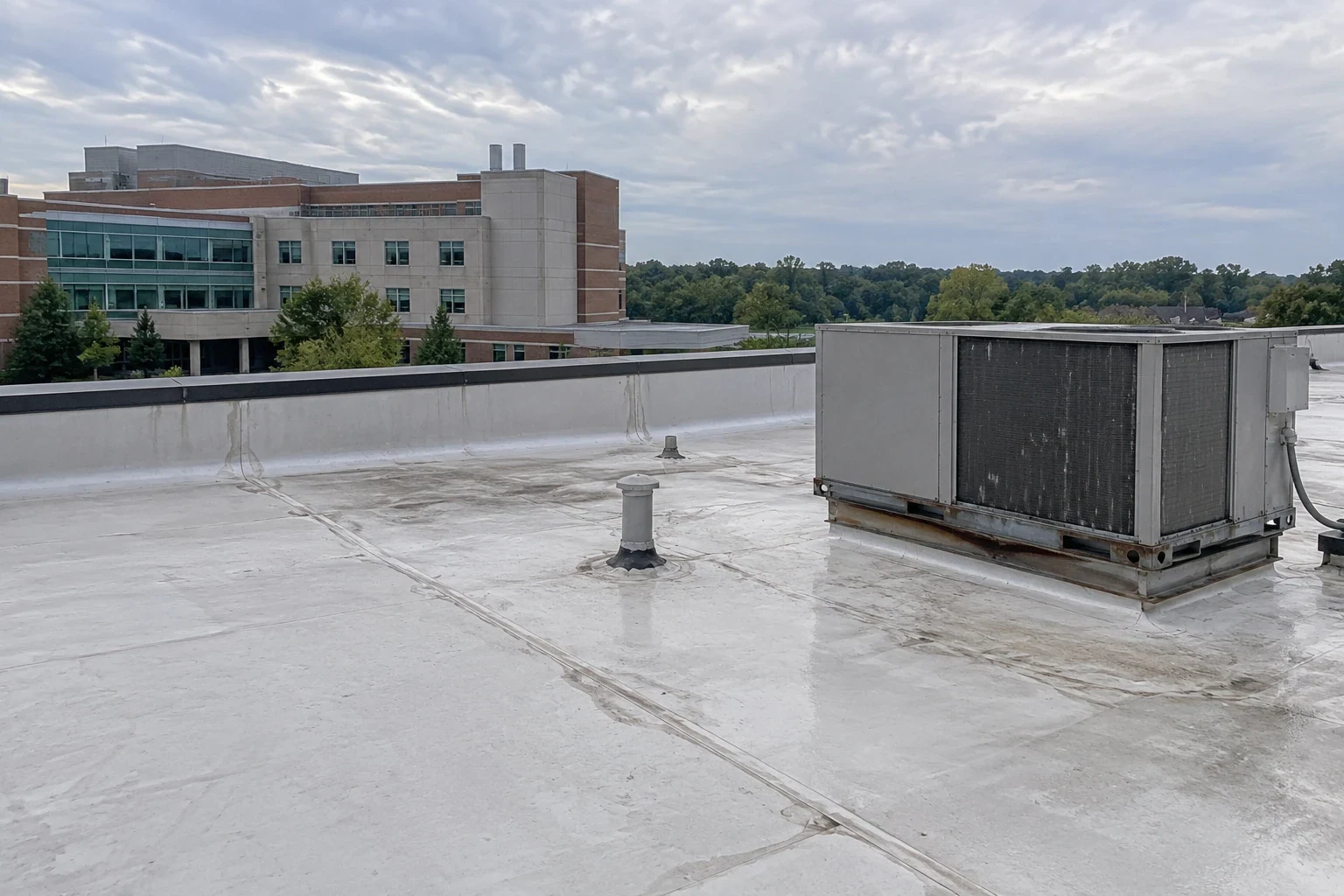
Where a roof has history, we read the history, because history explains the pattern of failure. Patches, penetrations added after the original install and ponding marks all go into the record with dates.
The survey ends with a table of findings. Each row names a location, a condition, a cost to correct and a recommended timing: now, within a year or within the hold period. Rows tied to life safety or tenant operations are flagged. The buyer sees the same table the seller sees, which shortens the negotiation and reduces the chance of a late price adjustment.
Which Temple Stresses Belong in the Underwriting?
August highs near 95 F, about 80 days a year above 90 F and roughly 39 inches of rain describe the slow wear that sets remaining life. The sudden risk arrived on May 22, 2024, with an EF-2 tornado near 120 mph that damaged restaurants, shops, banks and strip malls, plus straight-line winds estimated at 80 to 90 mph. Those facts belong in an inspection plan as reasons to check edges and attachment. They do not prove damage on any particular roof.
We also record freezing nights, about 26 a year, because they affect sealants and exposed flashings.
For underwriting, the sensible approach is to assume ordinary wear at a measured pace and to price a reserve for wind events at the building level. A roof with a documented attachment pattern and tight edge metal is a better risk than one with unknown attachment, and that difference can be measured with fastener pull samples taken at the corners and perimeter. The inspection produces the documentation, and the owner decides how much reserve to carry.
How Do You Rank a Portfolio Across Asset Types?
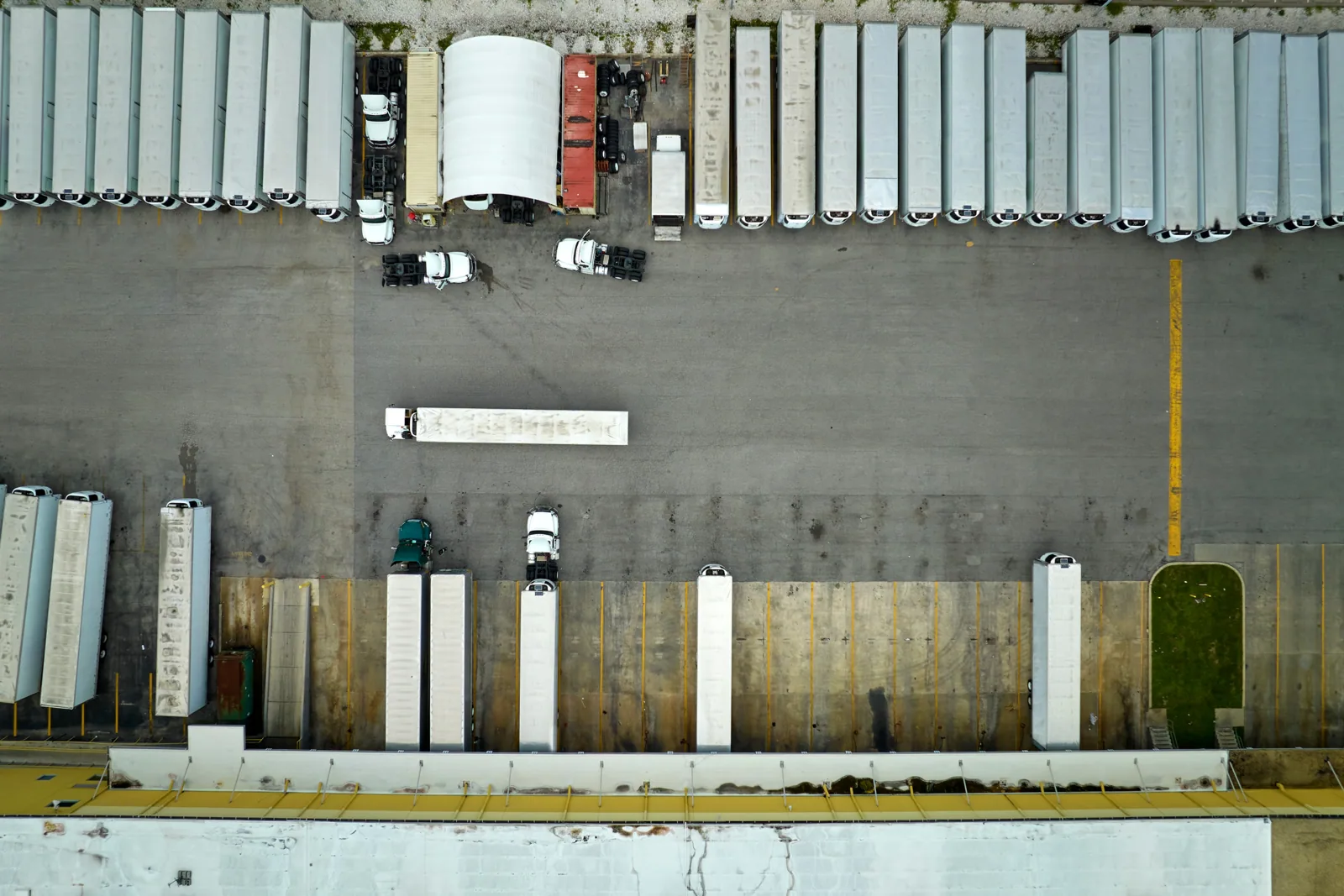
Temple's stock leans toward healthcare campuses, distribution and logistics buildings, manufacturing plants and downtown historic commercial buildings. A distribution roof has long drainage runs and few penetrations. A medical building has many penetrations and tenants who dislike noise. A historic building has parapets, older details and permitting questions. We rank by condition and consequence of failure, with a column for each asset type's special concerns.
The ranking feeds a roof capital plan, which shows what to spend this year, what to spend next year and what only needs a calendar.
For investors who hold assets in both Temple and neighboring cities such as Belton or Killeen, the same plan can span the group, and one condition format makes a ranked list possible. Owners of healthcare-adjacent assets can compare it with the health system approach, and owners with tenants in the logistics sector can compare it with the logistics operator approach.
What Happens During a Hold Period?
Between acquisition and sale, a roof has to be kept dry and documented. A preventive maintenance program clears drains, checks seams and flashing, and updates the record on a schedule. After a storm, a post-storm walk compares new photographs with the baseline. If damage is found, we set a holding repair, document the cause and separate storm damage from age, which helps the owner and the insurer reach a faster, cleaner scope.
When it is time to sell, the file is ready and the questions a buyer asks have answers. It holds dated photographs, repair history, moisture surveys and the remaining-life estimate, formatted so a buyer's engineer can follow it.
A short quarterly note on open items keeps the file honest between inspections, and it lets a partner who never visits the building see that the roof was watched all year.
How Do Specific Temple Asset Types Differ?
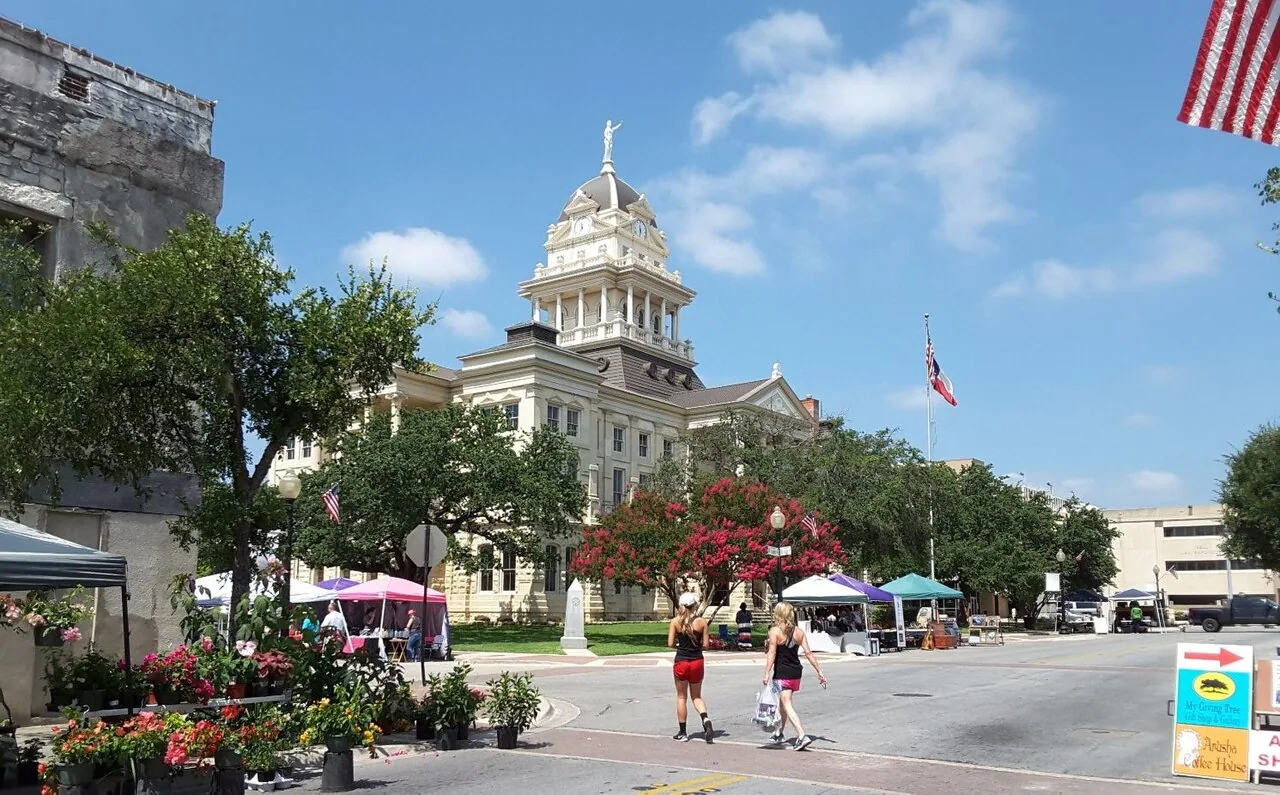
Near Rail Park at Central Pointe and the industrial parks, warehouse roofs and rail-served buildings matter most. The distribution stock in Temple includes buildings of about two million square feet, though floor area says nothing about a roof's condition. Near the medical and education district, healthcare buildings ask for dust control and quiet hours. In downtown Temple, historic commercial buildings need careful tie-ins.
What Decision Is Left for the Asset Manager?
We stop at the point where judgment about capital belongs to the owner. The record shows what failed, what is at risk and what each option costs, with a short summary on the first page for readers who stop there. The decision to repair, replace, coat or wait is the asset manager's, and the record is designed to make that decision easy to defend to a partner. Nothing in our process asks the owner to commit before the facts are on the table, and every figure in the file can be checked against a photograph or a reading, so no cost that will matter at the sale stays hidden.
Commercial Roofing Questions
What does a lender want in a roof file?
Dated photographs, a moisture survey, a repair history and a remaining-life estimate with a replacement cost. Those four items answer most questions without a site visit, and a lender can compare two assets using the same four.
Can a roof survey change a purchase price?
Yes. Deferred repairs and near-term replacement are priced into the survey, and the buyer can use the figures to negotiate.
How is storm damage separated from age?
By pattern and photographs. Lifted edges, torn flashing and debris impact point to the event, while chalking, shrinkage and thin coating point to age.
How often should a hold-period roof be inspected?
Twice a year suits many roofs, once before the hottest months and once after the main storm season, with the dates set in advance so the visits happen whether or not anything has gone wrong. A post-storm walk is added after any named event.
What goes in a capital line for a roof?
The system, the quantities, a unit price range, the year of expected replacement and the findings that support the year.