School Districts
Who in the district gets the first call when a classroom ceiling drips in October, and what do they need to know in the first hour? A school facilities lead in Temple, TX works with a roof inventory spread across elementary, middle and high school campuses, athletic buildings and administrative offices, and a limited calendar in which large work can happen. The summer break is the main window for large work, and a roof replacement can use much of it. That math explains why a leak in autumn is a decision about holding repairs, not a decision about replacement.
We separate the two. First the water is stopped and the room protected. The intake record documents the failure point, so the board can see what happened. The permanent scope is priced after a moisture survey and scheduled for the next break, with the sections in order of risk.
What Happens When a Classroom Starts Leaking?
A teacher reports a stain, a custodian finds a bucket, and the principal calls facilities. We ask a short set of questions: where is the water showing, what is below it, is any electrical gear nearby and how long has it been dripping. The crew then puts a temporary patch, a tarp or a cleared drain in place and takes photographs before covering anything. The crew works outside the building and avoids classroom hours for any noisy step.
The facilities lead then receives a note with the cause, what was done and what remains at risk. If the area is unsafe for students, the note says so plainly, so the principal can decide whether to move a class.
Custodians are the early warning system for school roofs, and a short note that tells them what to look for helps. We give the custodial lead a one-page guide: which stains matter, which drains to check after a storm and who to call. A custodian who reports a stain on Monday can save a district a week of damage and a repainting bill.
How Much of a Summer Window Does a Roof Need?
A summer window is short and crowded: custodial deep cleaning, painting, flooring, mechanical work and sometimes whole-building renovations share it with roofing. The plan for a school roof therefore starts months earlier, with a survey, a scope and a permit submittal, and the survey is repeated shortly before tear-off in case conditions changed over the winter. Material is ordered ahead, and tear-off is sectioned so each part of the roof is dried in the same day. The schedule names the date the last section is closed and the date of the final inspection, and it leaves a few days of buffer for rain.
Rain peaks in May at 5.4 inches, so the first weeks of summer can still be wet. A buffer is not padding. It is a hedge against a wet June.
Gymnasium roofs and other high-risk sections go first in the sequence. If the weather turns, the earlier sections are already closed, and the later sections are low-risk areas that can wait for a drier week. The sequence is part of the plan and is shared with the principal and the custodial lead.
Which School Roofs Need the Most Attention?
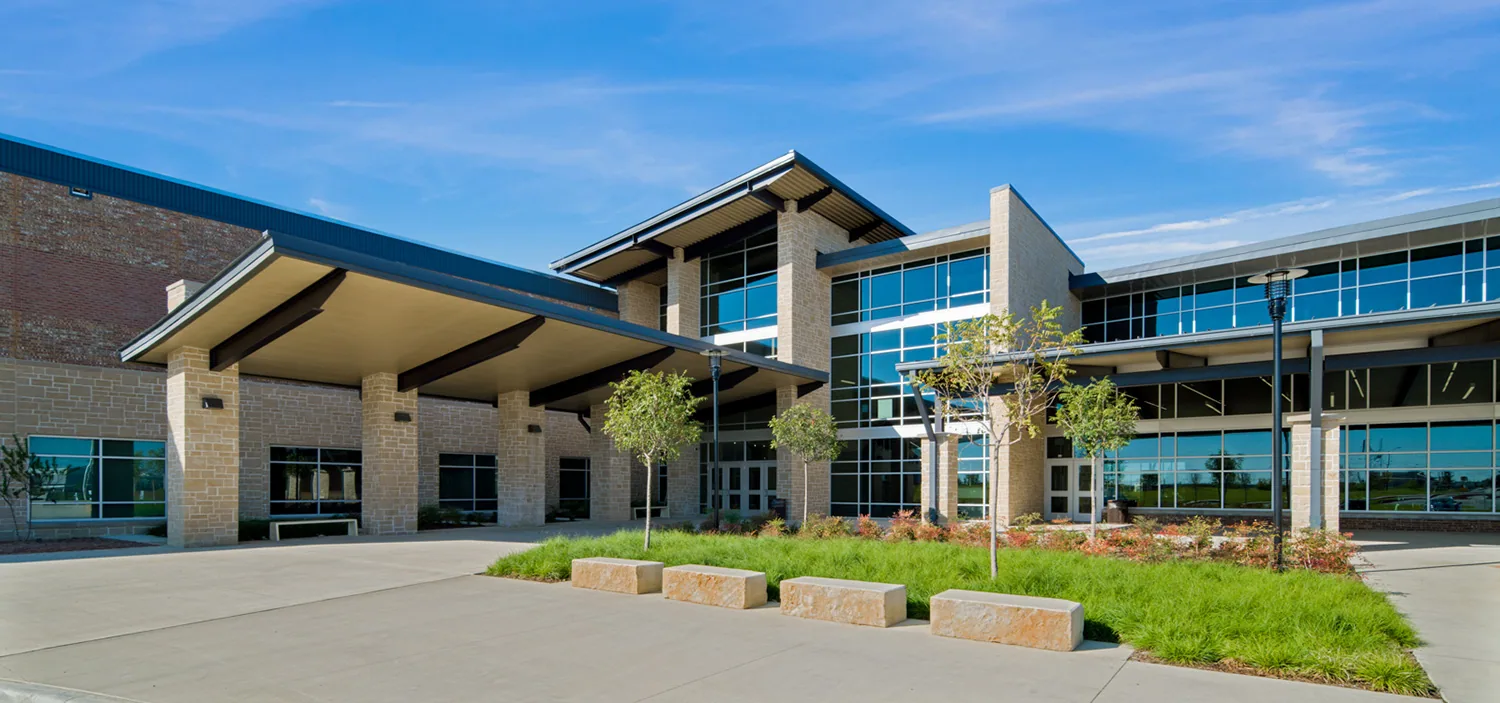
Gymnasiums and auditoriums have tall walls and long spans, with flashing at heights that need lifts or scaffolds. Cafeterias have kitchen exhaust. Classroom wings have rows of rooftop units, and roof drains serve long runs. Covered walkways and canopies are exposed to wind and often neglected. We map each building type on the sketch, check the drains and penetrations and record the condition of the sheet at each. Belton ISD, for example, operates three high schools, four middle schools and nine elementary schools, so the inventory of roofs grows quickly. The school roofing record keeps the same format for every campus.
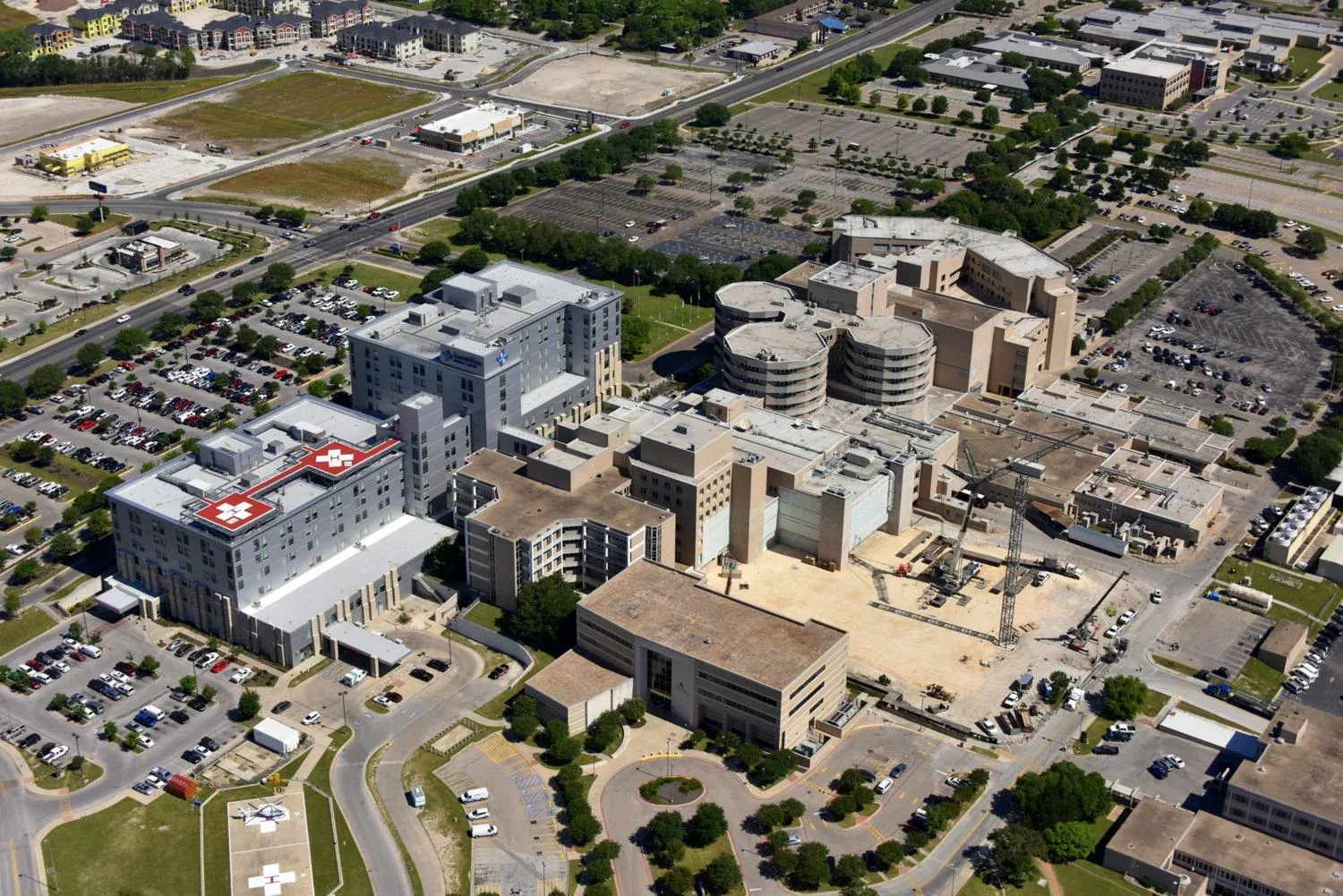
Where a campus sits near the medical and education district, the plan checks access and traffic with the neighbors before a crane date is set. Bus lanes, pickup lines and parent parking all shape where a crane can set up and when deliveries can arrive. For a campus along the Loop 363 corridor, trucks coming off the loop would turn onto school streets, so the delivery window avoids bus and dismissal times and the flagger is posted at the turn.
The condition summary for each campus becomes a line in the district's roof capital plan.
What Does Central Texas Weather Mean for Schools?
The hottest weather of the year, near 95 F in August, bakes roof surfaces just before classes resume. About 26 freezing nights a year add a smaller stress on sealants and flashing. The tornado of May 22, 2024 reached EF-2 strength in Temple, and wind estimates elsewhere in the city ran from 80 to 90 mph. Those events do not prove damage on any particular campus, and no one should assume a roof is damaged or sound because of them. They are reasons to inspect edges, equipment and canopies each spring, before the next storm season, and to record the results in the same sketch each year. Metal canopies and covered walkways are included because they catch wind, and their fasteners loosen as the metal moves through temperature swings.
How Does the Record Reach the Board?
School boards read packets, not roofs. We write the condition summary in plain language with photographs, a repair price, a replacement estimate and a ranking against other campuses. The summary fits into a board packet without rewriting, and it answers the questions trustees ask: what is wrong, how urgent is it, what does it cost and what happens if we wait. Public purchasing rules differ from private ones, and we match the scope to the format the district requires so bids can be compared fairly. Districts also work with other public agencies and general contractors on larger projects.
What Does Permitting Involve?
Building permits for work inside the city come from Temple's Building Department, which applies the International Building Code in plan review. Which edition applies is confirmed up front, so the permit path is settled before material is ordered. For work on district property, the district may have its own procedures, and we follow them.
The permit status goes into the board packet beside the scope, so trustees see the approval step and the construction step on the same page.
Commercial Roofing Questions
When should a district start planning a summer replacement?
At least six months earlier, with a survey in the fall, a scope by winter and material ordered in spring. That gives the permit office time, leaves room for a revised submittal and protects the calendar if a product is slow to ship.
Can a leaking roof wait until summer?
Sometimes, with a holding repair that keeps the room dry. The make-safe step is documented so the board can see what was done and what remains.
How are students kept safe during roof work?
Work areas are fenced, deliveries are scheduled outside arrival and dismissal and the crew stays out of occupied zones. Noisy steps happen after hours, and the campus receives a notice before each new phase begins.
What does a board packet need from a roofer?
A photograph-based condition summary, a repair price, a replacement estimate and a ranking against other campuses.
Who signs off the daily dry-in?
A named person from the district and a named person from the crew. The schedule lists both, and each signs the daily closeout sheet that shows which sections were opened, which were dried in and which tarps remain on the roof overnight.