Cities, Counties and Public Agencies
Who has authority to approve emergency work on a public building at two in the morning, and where is that authority written down? In Temple, TX, the city, the county and several agencies own roofs on public buildings; the county seat, Belton, is a short drive away. Public owners hold roofs on offices, maintenance yards, libraries, fire stations and community buildings, and each works from a procurement process with its own thresholds. A roof leak does not wait for a council meeting, so the first decision is often a short, documented make-safe step authorized under an existing emergency provision.
We keep the emergency step separate from the permanent scope. The make-safe step keeps the water out and is recorded. The permanent scope is priced after a moisture survey, written to match the agency's procurement format and presented at the pace the agency's process allows. The intake record is formatted the same for a fire station and a library.
What Does the First Hour Look Like on a Public Building?
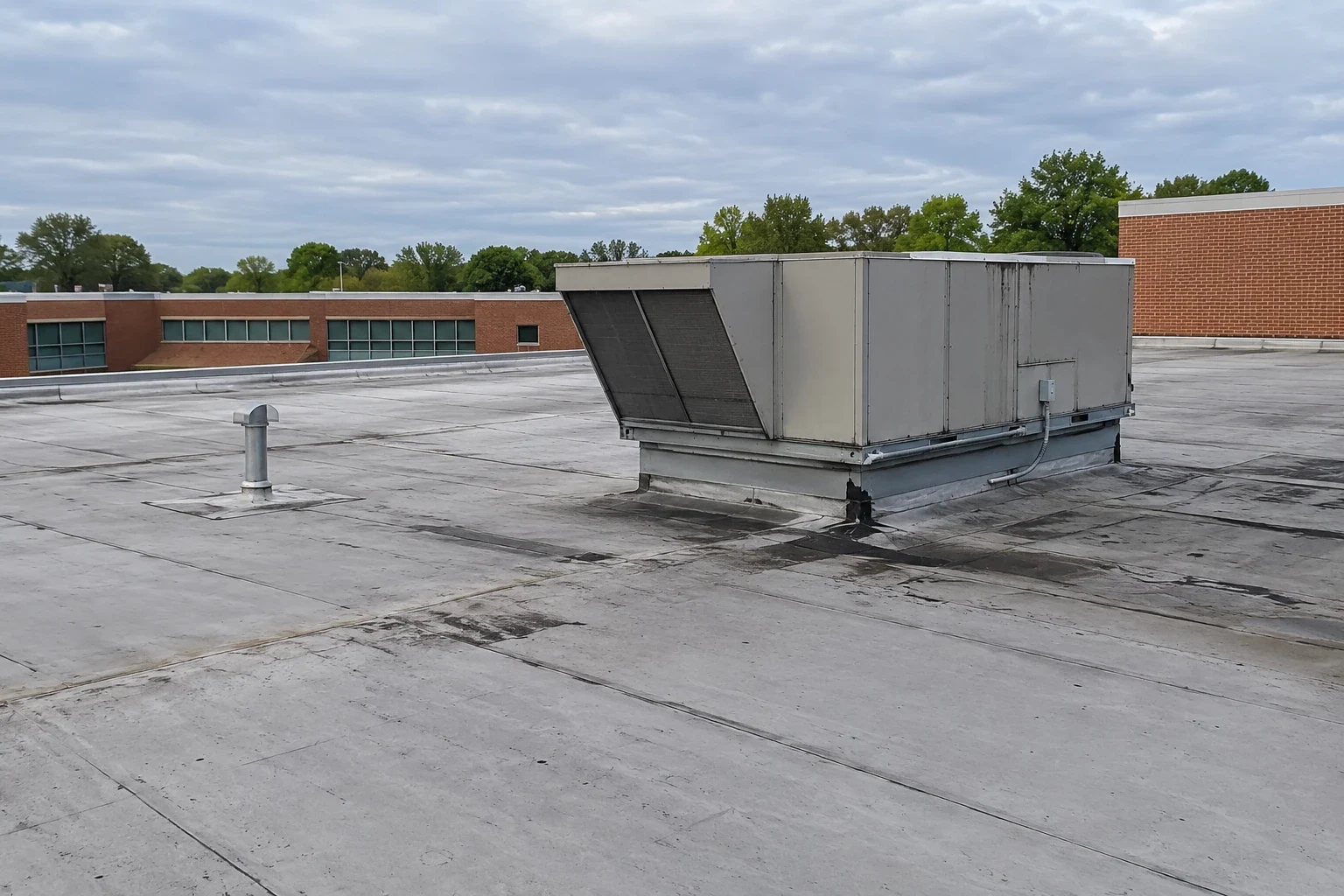
A leak in a records room, a dispatch center or a council chamber has consequences beyond the ceiling. We open with three questions: where the water shows, what is beneath it and whether critical equipment is at risk. Next a crew installs a temporary patch, a tarp or a cleared drain, with photographs taken before anything is covered. The agency's facilities lead receives a short note that can go to a supervisor or a department head.
If the building is an essential facility, such as a fire station or an emergency operations center, the dry-in takes priority and the note says so. If it is a general office, the make-safe step may be simpler and the permanent work can follow the normal calendar.
How Should a Scope Be Written for Public Procurement?
A public scope has to be clear enough that three bidders can price the same work. We write quantities for each item: square feet of membrane, linear feet of flashing and edge metal, number of drains and curbs, depth of insulation. We state the condition found, with photographs, and the standard to which the work will be built. Alternates are listed separately, so a council or board can choose among them, and they are written so a bidder can price them without asking questions. Allowances for deck repair are stated per square foot, so a soft spot found at tear-off does not trigger a dispute.
The record then stays in the building's file. A new facilities lead, a new council or an auditor can read it years later and see why decisions were made.
Technical submittals follow the same discipline, and an agency that also hires general contractors for renovations can attach the roofing submittals to the contractor's package. Product data, shop drawings for edge metal and a description of the attachment pattern are assembled before work begins, so the reviewer has what is needed. When the permit office requests a revision, the material order waits. The submittal log is part of the file and shows who reviewed what and when.
Which Budget Calendar Governs the Work?
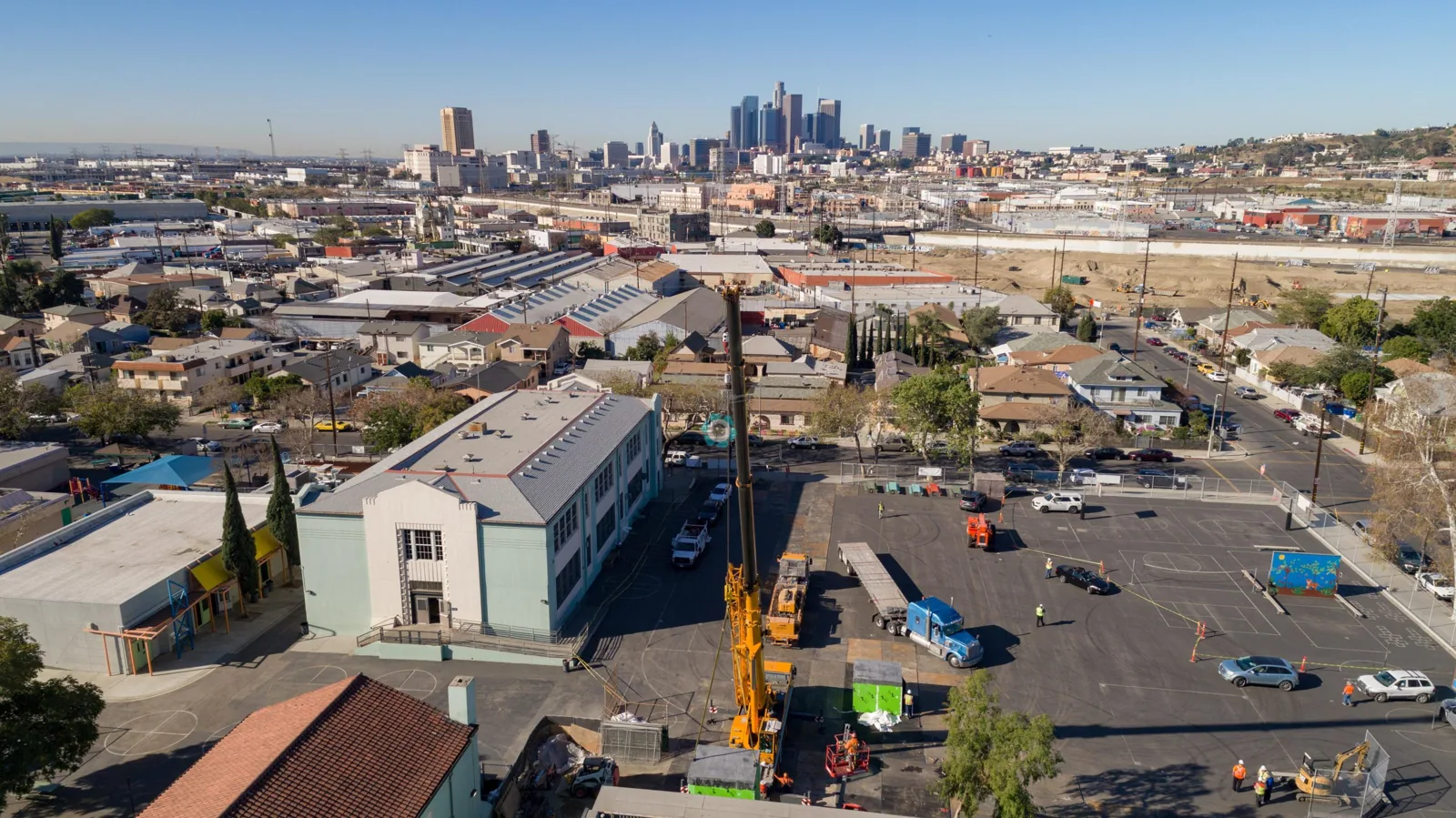
Public budgets run on cycles, and roof projects must fit them. An agency that learns in March that a roof needs replacement may not have money until the next fiscal year. The condition summary gives the agency a basis for a budget request, stating the problem, the cost and the consequence of waiting. We also rank a portfolio of buildings, so an agency with many roofs can spread the work across years and present a plan rather than a list of emergencies, which is a stronger case at a budget hearing. The ranking weighs consequence of failure alongside condition: a fire station, a records room or a dispatch center ranks above a storage shed with the same roof. A multi-site roof program serves that purpose, and agencies that also manage school buildings can compare the approach with that of school districts, whose calendars are shaped by breaks rather than fiscal years.
Grant-funded projects add another layer. A grant may require a specific specification, a prevailing-wage statement or a schedule tied to a draw. We read those requirements first, build them into the scope and note where they affect the price, so the agency can plan the match required. If an item is not eligible, the scope says so, so the agency knows what the local budget must cover.
What Weather Facts Belong in a Public Roof Plan?
With August highs near 95 F and some 80 days a year past 90 F, roof surfaces degrade steadily. About 39 inches of rain fall in a year. A tornado rated EF-2 struck Temple on May 22, 2024, and gusts elsewhere in the city that evening were pegged between 80 and 90 mph. The plan therefore includes a spring edge and equipment check, a fall drain check and a post-storm walk after any severe event. Each walk produces a short report with photographs and a list of items, sorted by urgency, and the report goes into the building file. Over several years the files show which buildings repeat the same problem, which supports a case for replacement over another patch.
Which Public Buildings Need Special Planning?
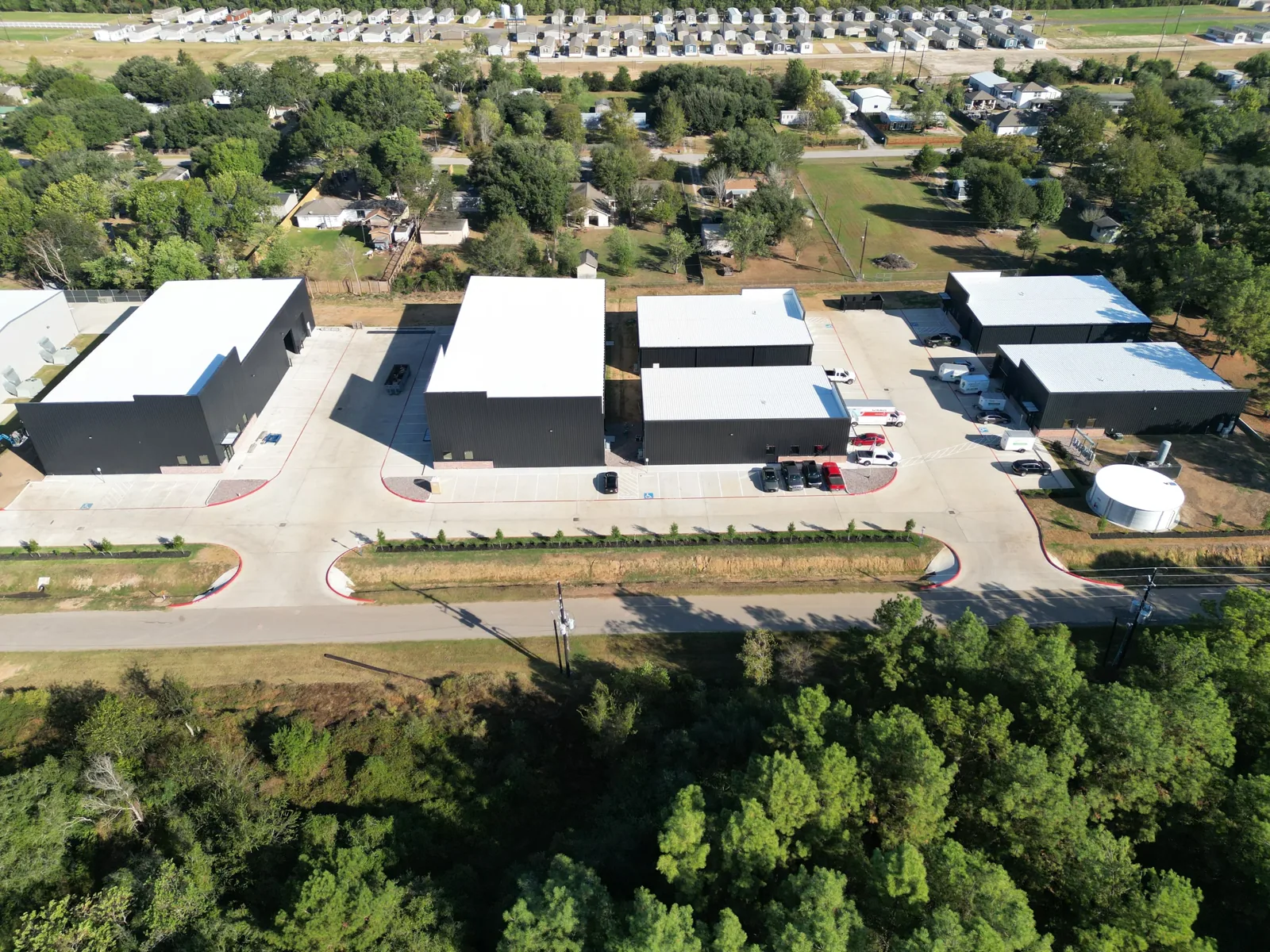
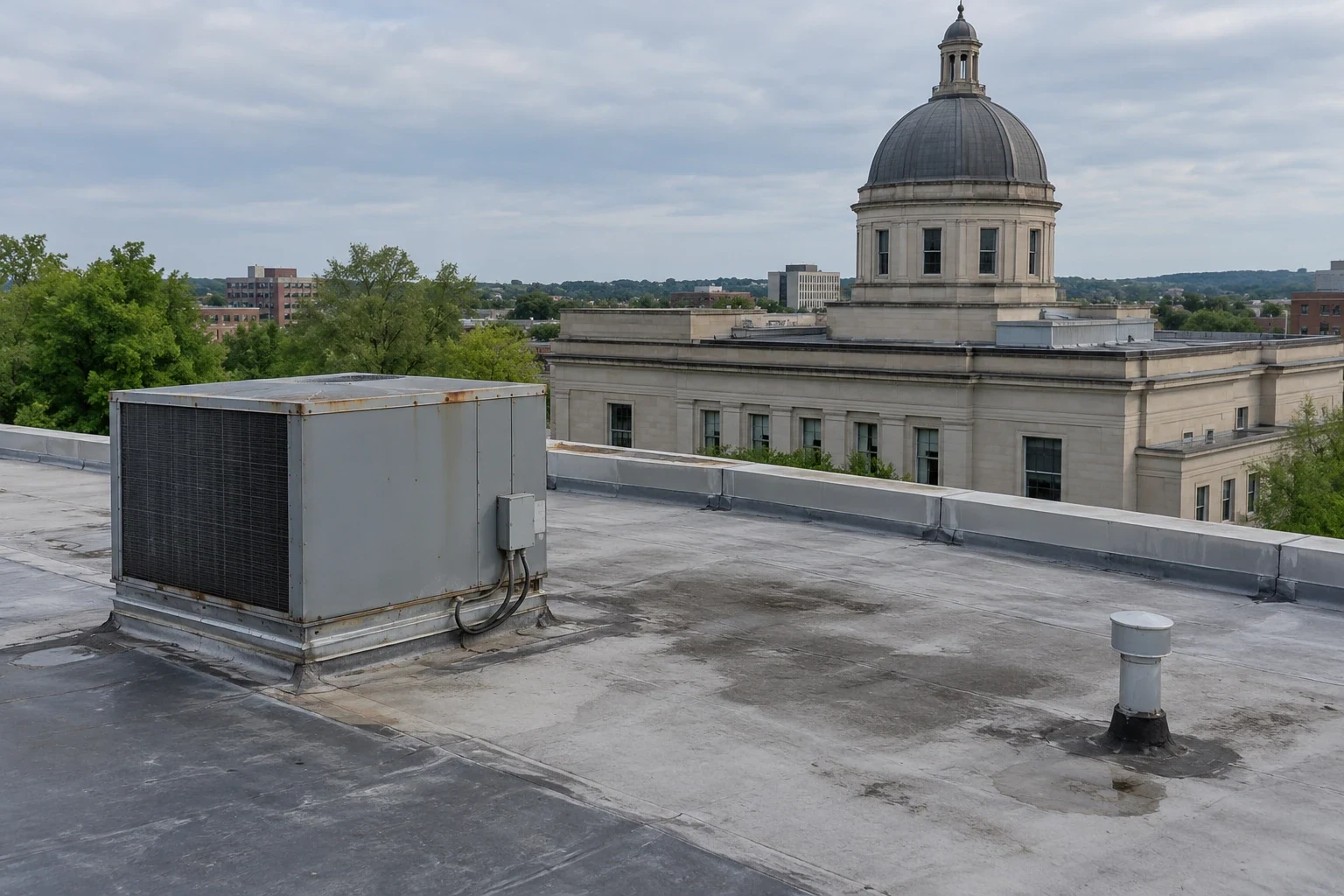
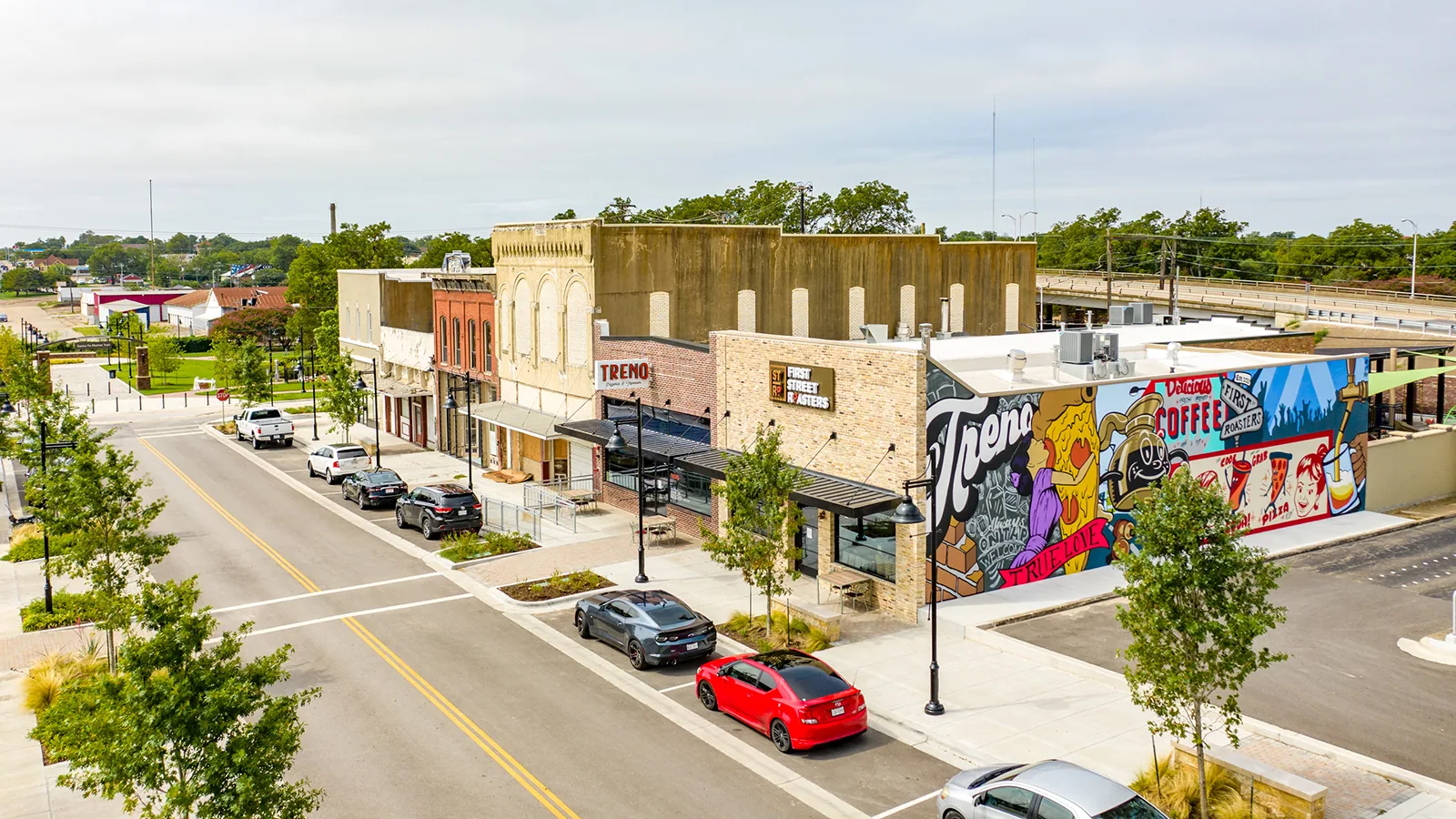
Libraries and records rooms need dry ceilings above shelving. Fire stations need roofs that are open for equipment on short notice. Maintenance yards often have metal buildings with different details than offices, and a building on Loop 363 or Interstate 35 gets a staging plan drawn around truck and traffic access. Government building roofing varies by function, and each building type gets its own checklist. Work in downtown Temple may also involve historic buildings and tight street access. Roofs on buildings like these may call for careful tie-ins, protection of masonry and a permit path that confirms what the city requires.
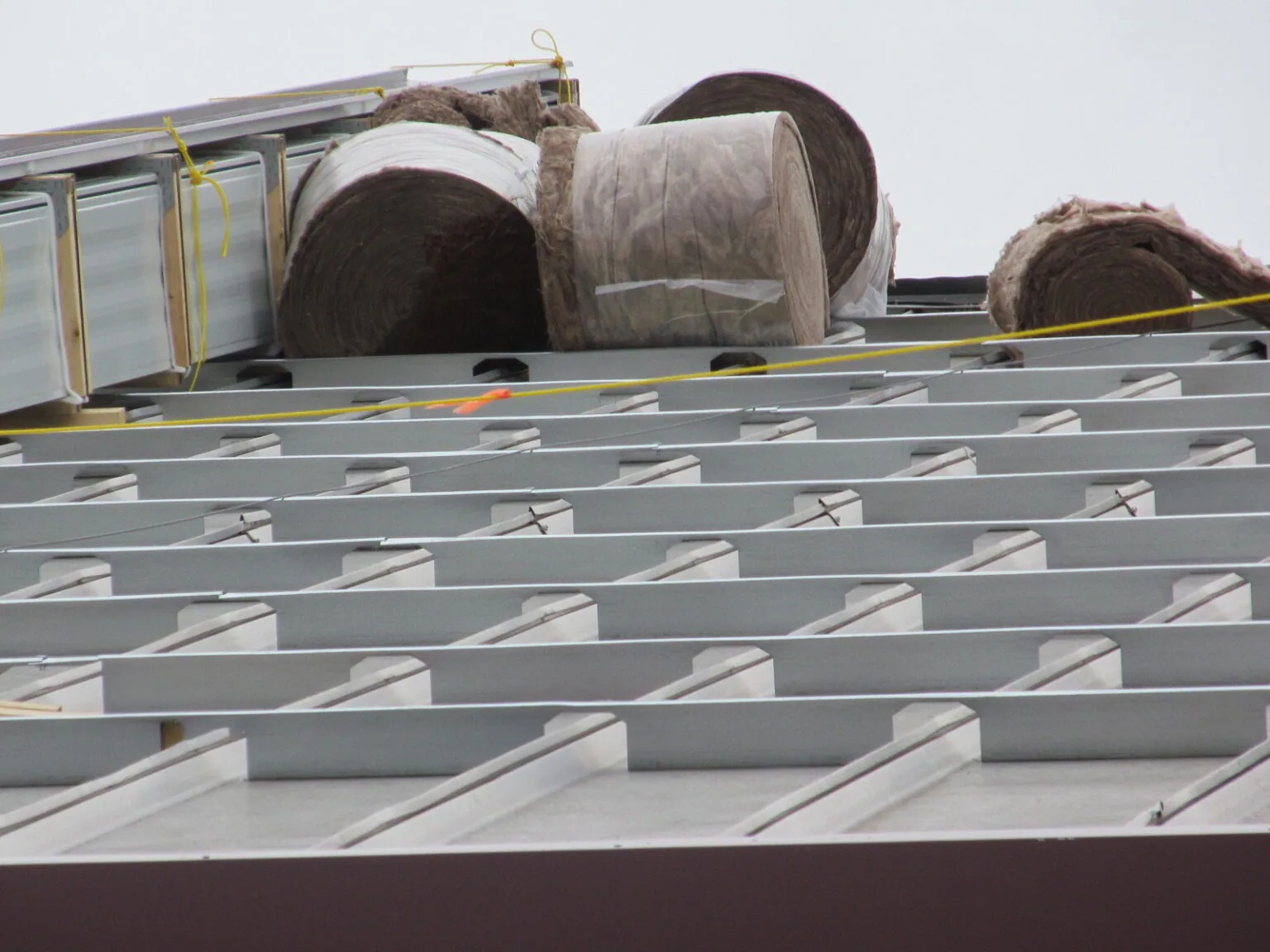
Maintenance yards and public works buildings often have metal roofs with exposed fasteners. Those roofs loosen over time as the metal expands and contracts, and the washers under the screws age. A metal roof retrofit or a re-screw program can extend their life, and the cost is generally lower than a replacement.
Each of those buildings gets its own entry in the register, with the roof system, last walk and open items, so a new facilities lead can pick up the history in an afternoon.
Commercial Roofing Questions
Can emergency work be authorized quickly on a public building?
Many agencies have an emergency provision. We document the make-safe step against that provision and keep it separate from the permanent scope, so the approval trail is clear to an auditor and the permanent work still follows the normal bid process.
How are alternates handled in a public scope?
Each alternate is priced separately, with a statement of what it adds. The board or council can pick the base scope or any combination, and the pricing is arranged so that selecting one alternate does not change the cost of another.
What happens if the deck is soft at tear-off?
The crew photographs and measures the area, and the contract's unit price for deck repair applies. The agency sees the quantity before the work is paid.
How long does a public roof record stay useful?
For the life of the roof. It should be filed with the building records and updated after each repair, so the next facilities lead inherits the history rather than a mystery.
Who inspects the final work?
The agency's representative, plus the permit office where required. Our final photographs and punch list support the inspection, and any item that fails is corrected and photographed again before the agency accepts the work.