Duro-Last Roofing Systems
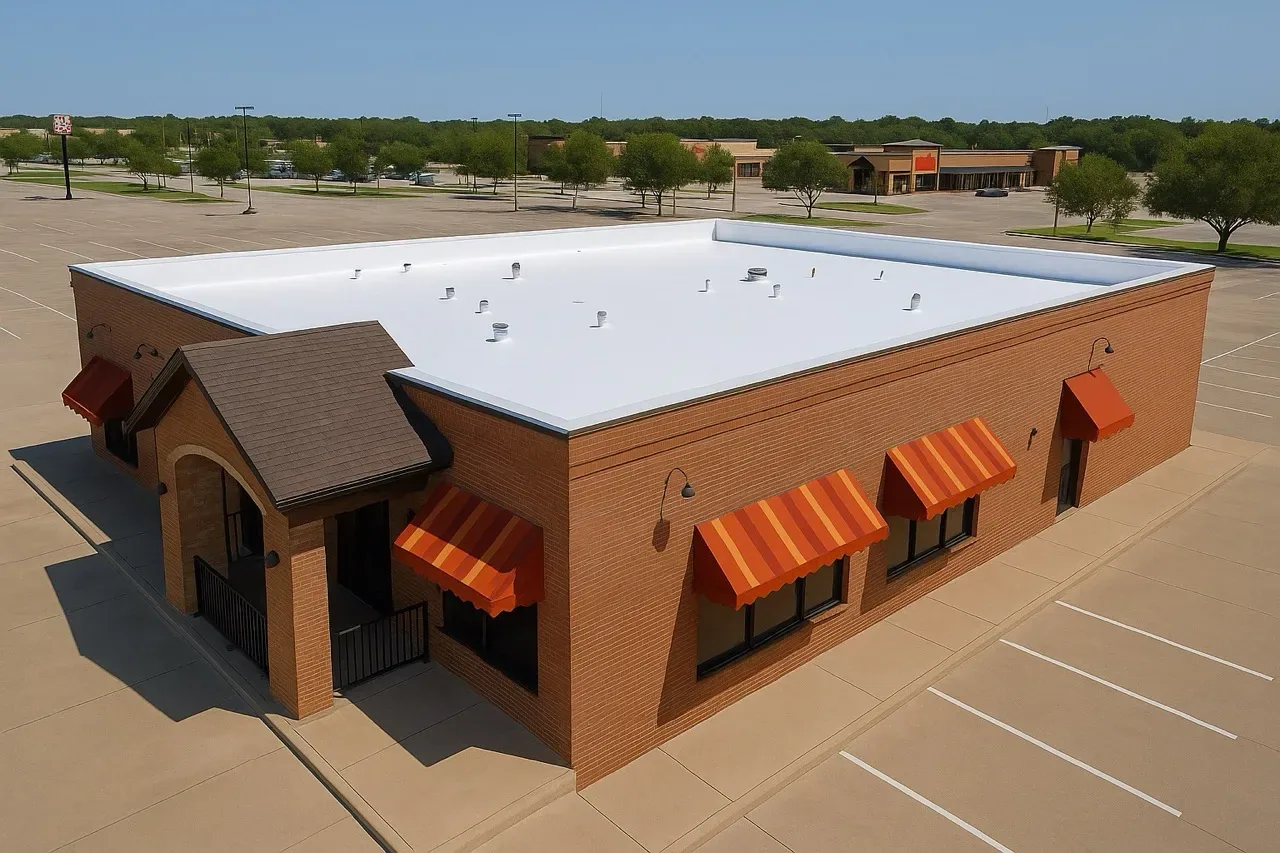
Most single-ply roofs are cut and welded on the roof. A Duro-Last roof is mostly made before it arrives. The maker measures the building, fabricates PVC sheets and detail pieces to fit, and ships them ready to fasten and weld at the seams. For a commercial owner in Temple, TX, that changes where the risk sits. There are fewer field seams to fail and more factory-made corners and boots to check, and an inspection on a prefabricated roof begins with a different map than it does on a roll-and-weld job.
How does a prefabricated PVC roof go together?
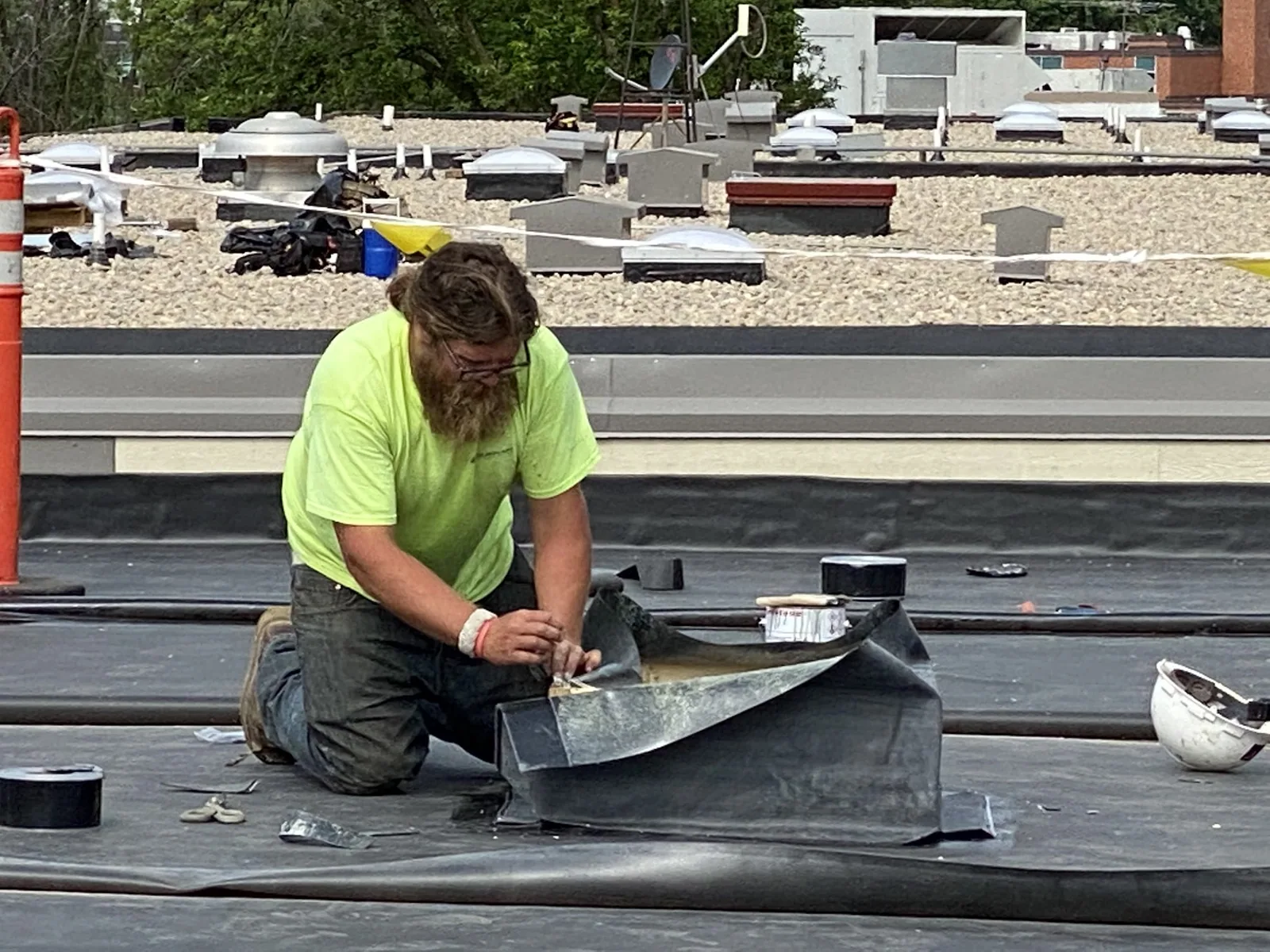
The sheets are fabricated in widths and shapes matched to the roof plan. Pipe boots, curb wraps, and corner pieces come already formed. On site, the installer fastens the sheets along their edges, laps them, and hot-air welds the seams. Because most of the welding was done in a factory setting, the field work is mainly the laps and the details at edges.
That arrangement tends to shorten installation, which helps on occupied buildings where a long open roof is a risk. It also means each custom piece must fit, and mismeasurement shows up at install. For repairs, the same logic applies in reverse: a replacement boot or wrap may need to match the original geometry, and the file records the sizes.
What do we check on this kind of roof?
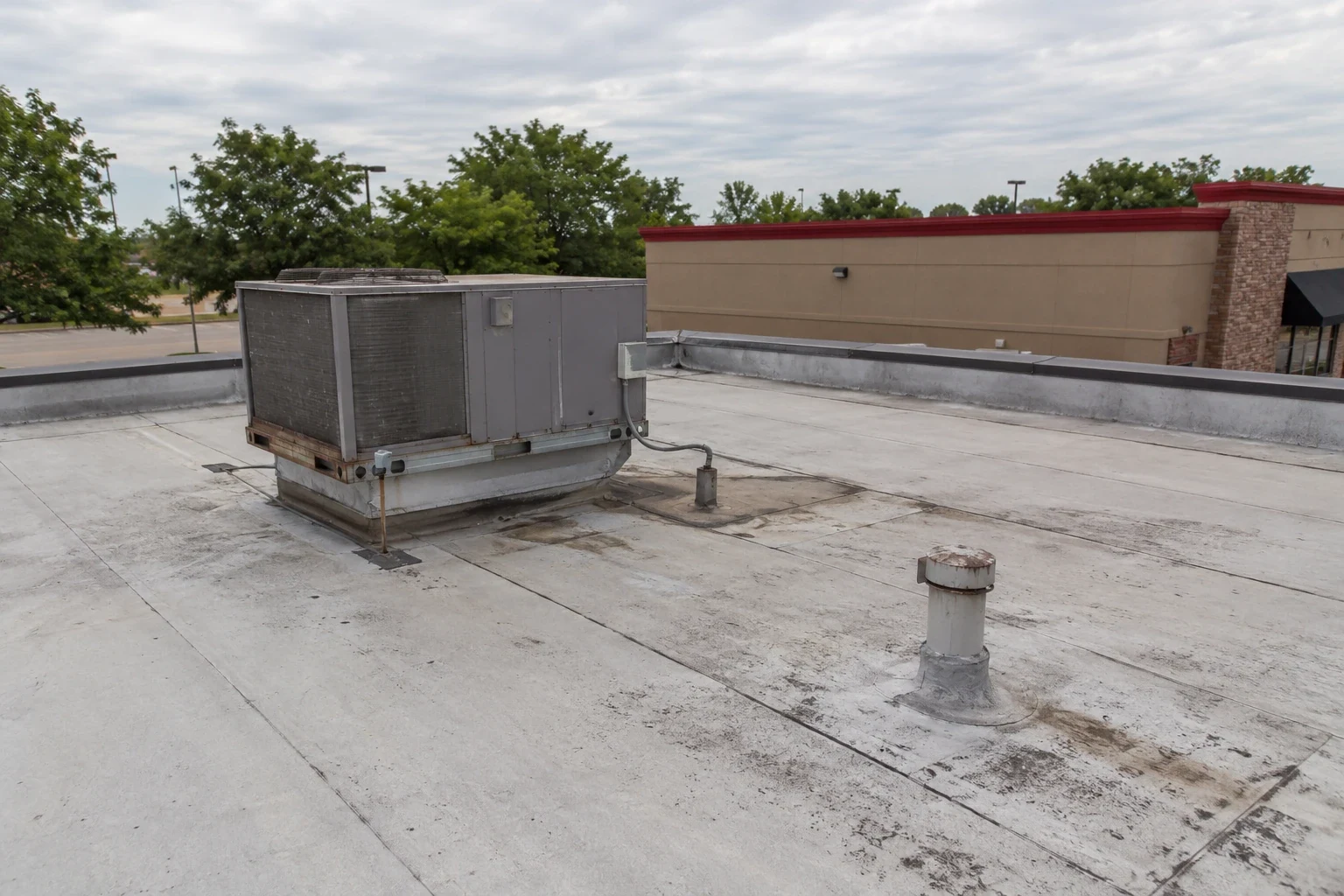
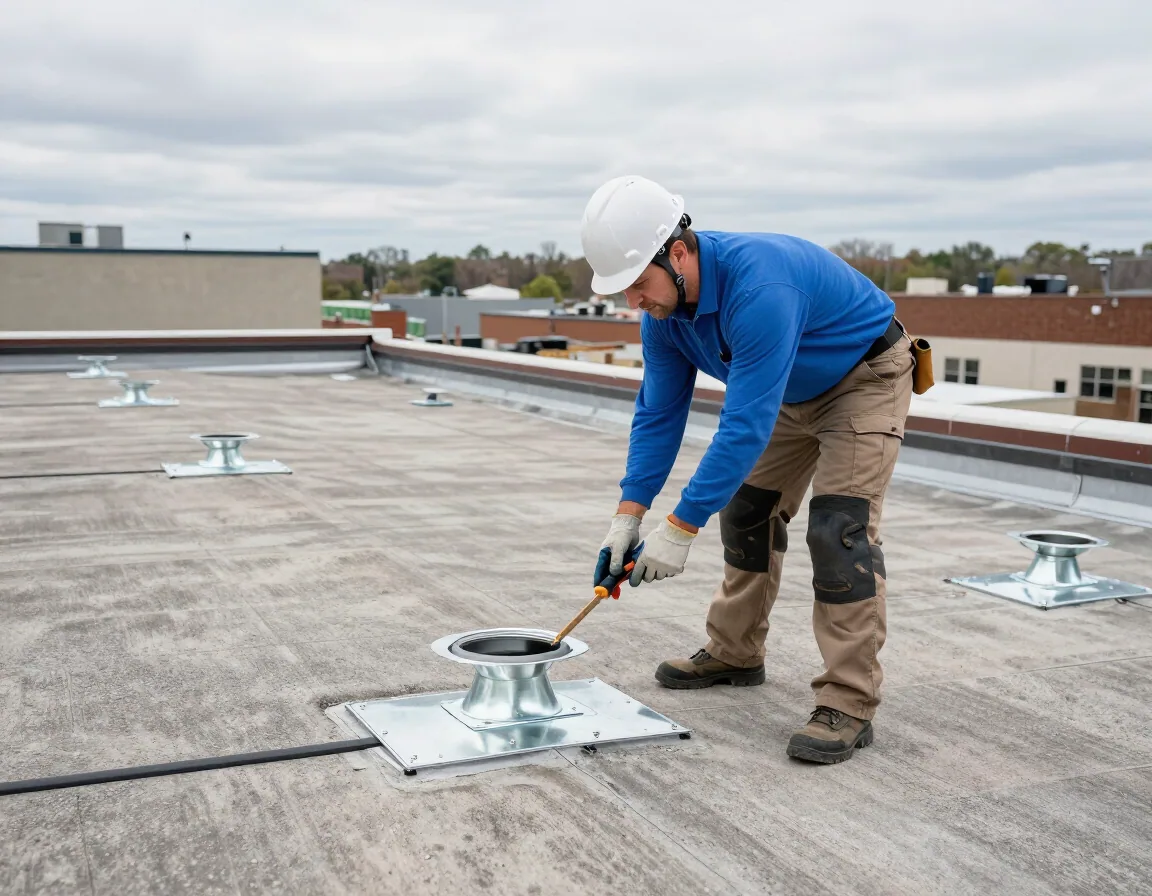
Field laps and edge welds first, since those are the seams made on site. Then the factory-formed details: boots, curb wraps, and corners, for cracking, shrinkage, and loose clamping. Then the fasteners along the sheet edges, which carry the wind load. A probe along each lap and a hand check of each detail shows what the eye misses.
The roof is divided into numbered sections on the sketch, and each defect is located and photographed. Because the sheet is PVC, the same cleaning and weld rules apply as on any other thermoplastic roof. The surface chemistry follows the usual PVC roofing rules, and the prefabricated geometry of the boots and wraps is added to the file as sizes and locations.
Fasteners and edge terminations get a pull check on a sample. A sheet fastened to a weak substrate can look fine and still lift in wind, so the sample result goes in the file. Rust on metal edging, loose termination bars, and cracked sealant at the top of the wall flashing are all logged, with photographs, so the owner sees the whole perimeter on one page.
Why do restaurants and processors choose PVC?
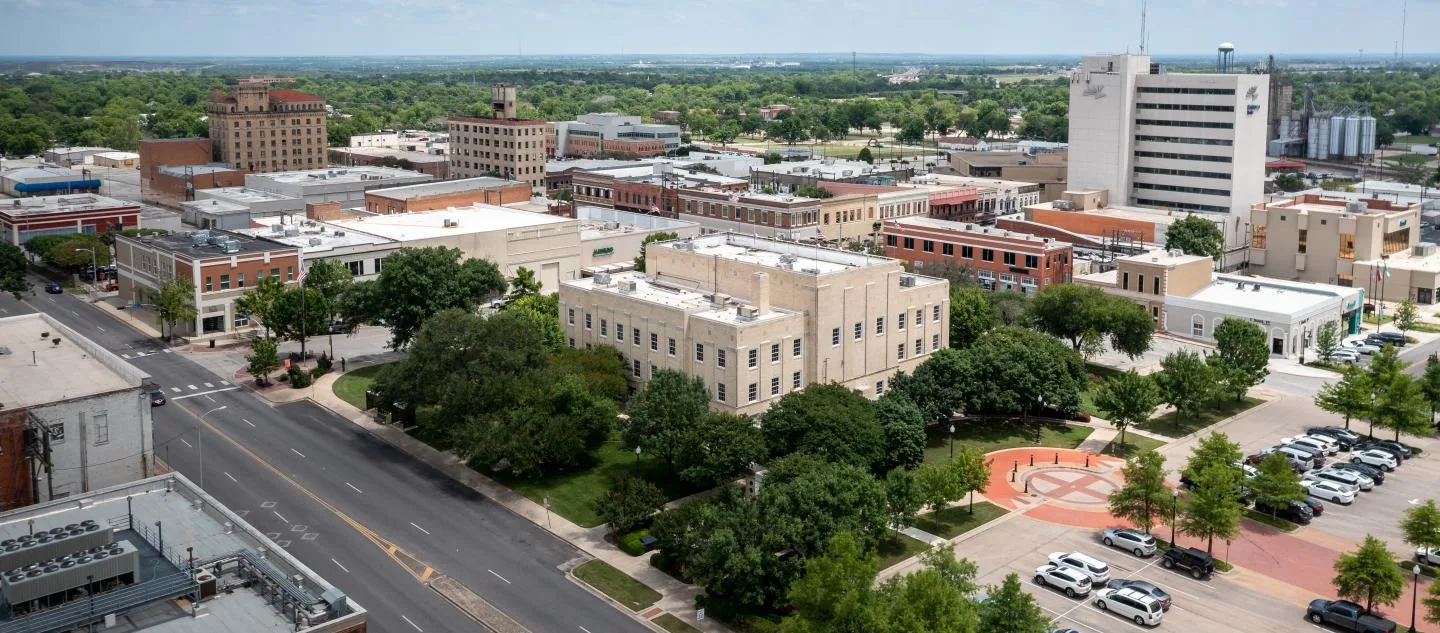
Because it resists many fats, oils, and chemicals that soften other sheets. A restaurant roof sees grease from kitchen exhaust. A food or packaging plant vents oils and steam. Temple's building stock includes manufacturing and packaging plants, and restaurants and strip malls were among the buildings the May 2024 tornado damaged.
The inspection marks every exhaust fan and stack and photographs the sheet around it. Deposits are cleaned on a schedule, and the sheet's condition is compared from visit to visit. If the sheet near an exhaust shows swelling, the repair material and the schedule change. A restaurant roofing project sets the cleaning interval from what the first few visits show.
How does a white PVC sheet hold up in a Temple summer and a freeze?
Summer in Temple peaks in August near 95F, the thermometer tops 90F on about 80 days a year, and roughly 26 nights dip below freezing. A white sheet reflects much of the heat and stays cooler than dark roofing, but the daily and seasonal swings work every seam and detail. PVC goes stiff when it is cold, so a winter repair means warmed material and a dry deck.
Weld work waits for workable conditions, and temperature and weather go in the log. Seams and flashings are checked before and after the hot and cold seasons. The preventive roof maintenance visits update the file, and a change in stiffness or color at a corner is flagged while it is still a small repair.
What happens after a wind event?
Plan against what Temple actually saw on May 22, 2024: an EF-2 tornado, plus straight-line gusts put at 80 to 90 mph around it. Prefabricated sheets are fastened along edges and seams, so edge metal and fastener rows decide how the roof holds. We check termination bars, fastener spacing, and edge trim after any wind event.
Punctures from debris are patched with welded PVC after cleaning. Lifted sections are re-fastened and welded, and any torn detail piece is replaced with a matching one. The findings go into a ranked list for the owner, and the make-safe work is kept separate from the permanent repair. Rooftop units that shifted get reported to the mechanical contractor the same day. Properties in Temple and in Belton and Killeen receive the same list format.
What belongs in the owner's file?
The roof plan the manufacturer used, the sizes of custom pieces, the installation date, the fastener pattern, the warranty documents, and the inspection and repair history. Warranties set rules about who may repair and what must be reported. Owners should read them before authorizing work, and our records document the condition so the questions can be answered.
For a portfolio with Versico or Sika Sarnafil neighbors, the file keeps each roof's papers apart and ranks the roofs by open items and remaining life. That is how a manager sees which building should be reroofed first and which can wait.
Drainage closes the loop. About 39 inches of rain and other precipitation fall on Temple in a normal year, most heavily in May, and a flat PVC roof lives or dies by clear drains and scuppers. Outlets are cleaned and logged at each visit, ponding is measured after rain, and any low spot that keeps holding water is flagged for tapered insulation or an added drain before it begins to age the seams.
Commercial Roofing Questions
Does a prefabricated roof have fewer leak points than a field-welded one?
It has fewer seams made in the field, but the details still need inspection. Factory-formed boots and corners can crack, and edge fasteners can back out. The overall number of weak points depends on roof shape and penetrations, so we count and photograph them instead of assuming.
Can a custom detail piece be replaced individually?
Usually, if the replacement matches the original geometry and the surrounding sheet will weld. The file records the size and shape of custom pieces, which speeds ordering. If the sheet nearby is aged, a larger repair may be needed to get a sound weld.
How do we handle repairs when the original installer is unknown?
We identify the system by inspection and a core sample if needed, document the condition, and repair with compatible PVC. Warranty terms, if any, are the owner's to review. The record shows what was found and what was done, so a manufacturer or insurer can follow.
What does exhaust do to a PVC roof near a kitchen?
Fats and oils collect on the surface, and over time they can stain and, in heavy cases, affect seams. PVC resists them better than many sheets, but cleaning and inspection still matter. We photograph the sheet near each fan and set a cleaning interval based on what we find.
Is a prefabricated roof a good fit for an occupied building?
It can be, because the field work is shorter and the open area smaller. The same rules apply: phased zones, protected intakes, and daily closeout. The plan names noisy phases and the tenants affected, and the owner approves it before work starts.