Preventive Roof Maintenance
Which roof in the portfolio fails next, and who finds out first? A maintenance program exists to answer that question before a storm does. Most commercial leaks start as something small and visible from the roof: a drain bowl packed with grit, a seam lifting at a corner, a sealant bead that cracked in the heat. Each one is cheap on a Tuesday afternoon and expensive at two in the morning. In Temple, TX, scheduled visits turn those small items into a short, ranked list that an asset manager can price and approve without waiting for water to make the decision.
What does a maintenance visit actually do?
A visit is a working walk, not a drive-by. The technician clears every drain, scupper, and gutter, then records what came out and how fast the water moved afterward. Seams, laps, and field patches are checked by hand. Flashings, coping joints, curb corners, and pipe boots get a close look, because that is where most commercial roofs actually open up.
Small repairs happen on the spot: resealing a pitch pocket, replacing a loose fastener, patching a scuff. Anything larger goes on a list with a photograph, a location on the roof sketch, and a plain description of what failed. The list is the product. The owner leaves each visit knowing which items were closed, which are being watched, and which need a decision.
When should the visits happen in Temple?
Two windows matter most. The first is late spring, before the heat sets in. Temple's wettest month is May at about 5.4 inches, and a roof that goes into a May storm with clogged drains is asking for ponding. The second window follows the summer. August is the hottest month, with highs near 95F and roughly 80 days a year above 90F, and a membrane that has baked through that season shows its wear in seams, sealant, and surface.
A third visit after any severe wind event is worth adding. A tornado or straight-line wind does not need to touch a building directly to loosen edge metal or shift a rooftop unit. A short post-event walk compares what the roof looks like now against the last visit and decides whether anything needs a make-safe step.
What does tornado and wind exposure change?
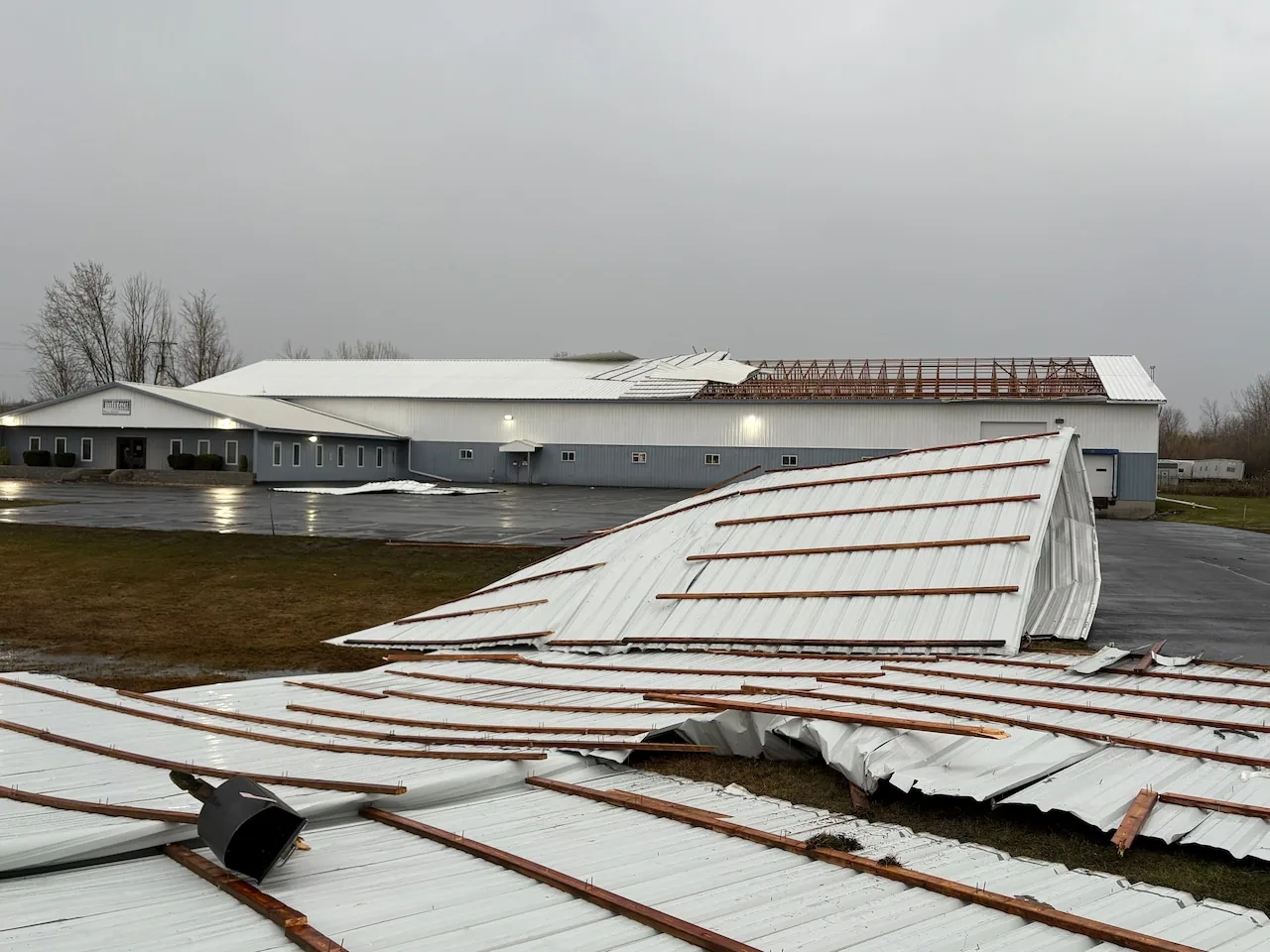
The tornado that struck Temple on May 22, 2024 earned an EF-2 rating from forecasters, with gusts near 120 mph and damage to restaurants, shops, banks, and strip centers. Straight-line gusts estimated at 80 to 90 mph swept the city that same night. That is context for a maintenance plan, not a verdict on any given roof. What it means in practice is that edge metal, coping, and rooftop equipment anchorage deserve a hand check every visit.
Loose perimeter metal is the cheapest wind repair there is, and the costliest one to skip. A coping joint that is already open will peel under wind pressure, and the membrane under it follows. What we look for before the season mirrors what tornado damage roof repair would later have to fix, and the findings sit in the same record as the routine items. After a wind event, the storm damage roof repair list starts from that record instead of from memory.
Why do drains get so much attention?
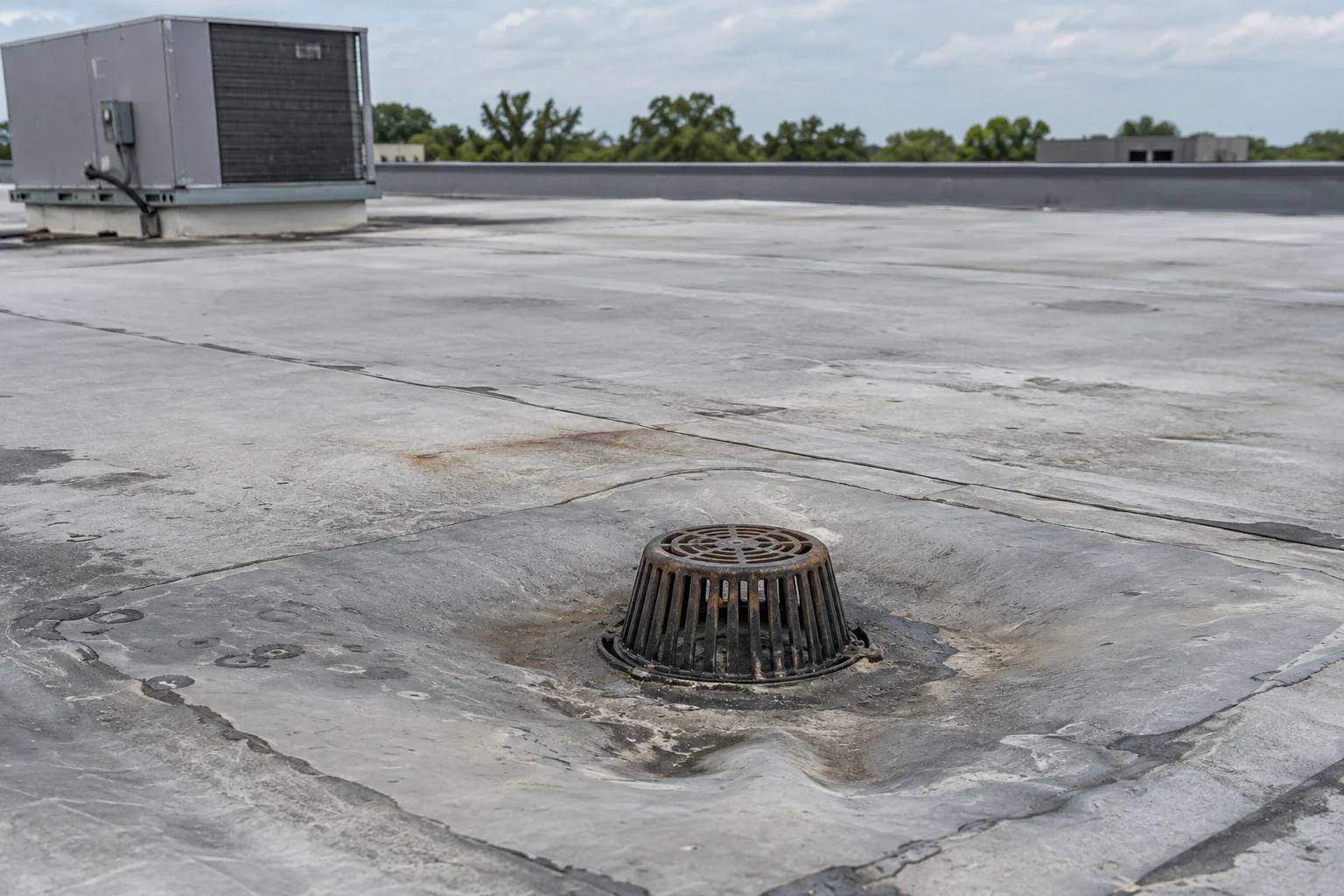
Because water that stays on a roof does the slow damage. Roughly 39 inches of precipitation falls on Temple in a typical year, and about 26 nights drop below freezing, so a roof holding water through a freeze-thaw night is working harder than it was designed to. Debris collects at the lowest point first, so we log each drain, scupper, and overflow with a photograph.
The log pays off over time. A bowl that fills with leaves in the same spot every visit points to a tree, a parapet, or an equipment screen that needs attention. A scupper that is always damp points to a low spot. Those patterns feed the roof drains and scuppers work and sometimes the ponding correction scope that follows.
How do multi-building owners rank the work?
A portfolio owner needs a ranking more than a report. After each round of visits, we score every building by exposure: how old the membrane is, how many open items it carries, what sits under it, and how quickly it can be made safe if something fails. Healthcare campuses, distribution buildings, and rail-served industrial properties usually rank high because the cost of a leak is highest there.
The ranking keeps repairs and capital planning in the same conversation. A roof that has been patched three times in a year looks very different on a spreadsheet than one with a clean record, and the visit history shows that difference with dated photographs. Roof capital planning draws directly on those records.
Does the roof system change the routine?
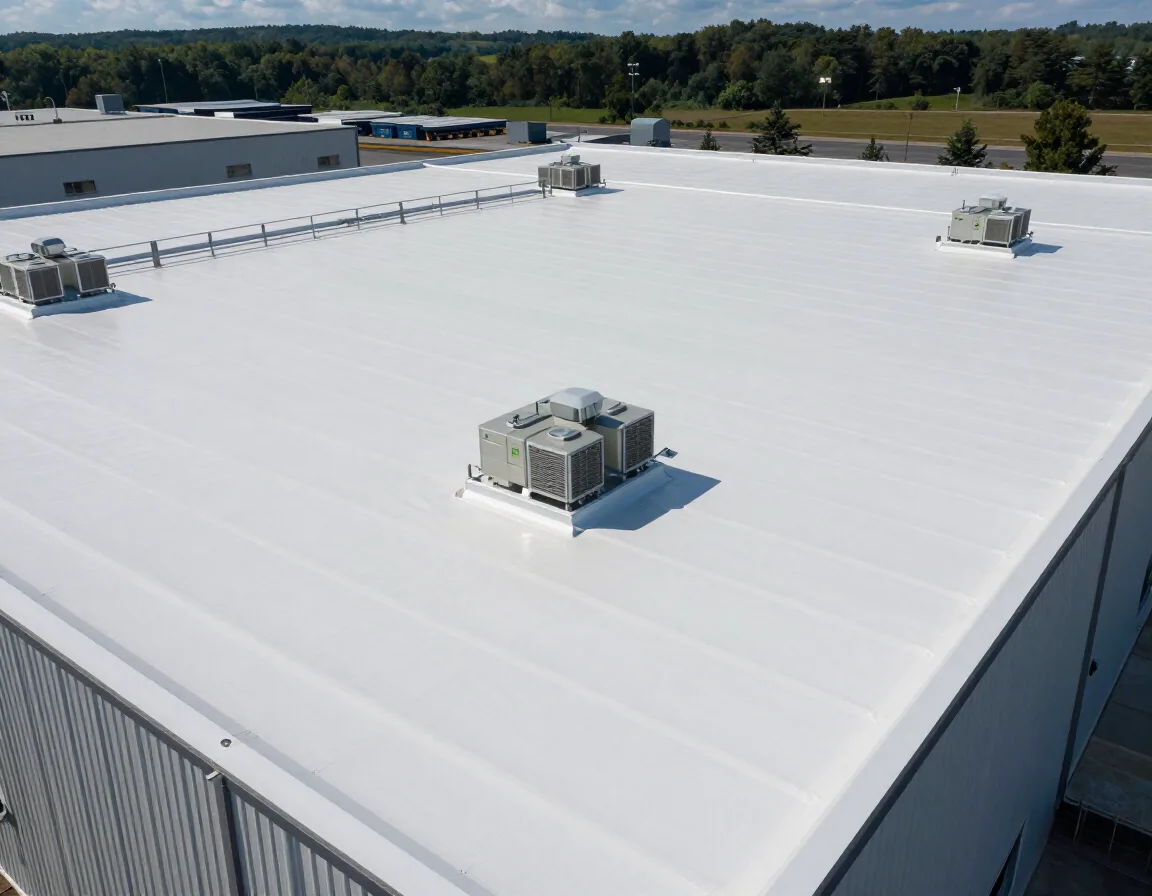
It does. A TPO roofing system needs seam probing and attention to heat-aged welds. Modified bitumen needs a look at granule loss and lap edges. Metal roofs need fastener and sealant checks, while a coated roof needs film inspection. We build the checklist around what is actually on the building and record the system type in the file so the next technician starts with the right assumptions.
Buildings in the Temple Medical and Education District, the Rail Park, and downtown historic blocks each carry different roof mixes and different access constraints. A hospital roof needs infection-control sequencing and quiet hours. A distribution roof needs dock traffic respected. Maintenance schedules follow those realities, which is why they differ building by building even inside one owner's portfolio. Owners with property across Temple and nearby Belton get one record format for all of it, so a warehouse and a clinic can be compared on the same page.
Commercial Roofing Questions
How many visits a year does a Temple commercial roof need?
Two scheduled visits suit most roofs, one before the heat and one after it, with an extra walk after any severe wind event. Roofs with trees, heavy rooftop equipment, or a history of ponding may justify a third. The right count is the one that keeps the open-item list short.
What gets fixed during the visit and what goes on a list?
Small items that take minutes and a few materials get fixed on the spot: loose fasteners, cracked sealant, minor patches, blocked drains. Anything that needs staging, a crane, a permit, or a wider repair is photographed, located on the sketch, and priced separately for the owner to approve.
Does maintenance extend the life of a roof that is already old?
It slows the decline and gives a clearer date for replacement. A roof near the end of its life still leaks eventually, but a maintained one fails at a known point instead of a surprising one, and the owner can budget for the change instead of reacting to an emergency.
Can maintenance records help with an insurance claim?
Dated photographs of a roof's condition before an event make it easier to show what changed. The records do not decide a claim, but they give an adjuster and the owner a shared picture of the baseline, which can shorten disagreements about what was damaged and what was already worn.
What does a program cost to run?
Price follows roof area, access, the number of drains and penetrations, and how many visits are scheduled. Repairs found during visits are quoted separately. We write the scope for each building so an asset manager can compare programs across the portfolio on the same terms.