Holcim Elevate Roofing Systems
The label on an older roof may say Firestone, and the paperwork may say Holcim Elevate. Both names point at the same line of commercial roofing, and an owner in Temple, TX who holds a file with either one needs to know it is the same family. The company moved from Firestone Building Products to its current name after a change of ownership, and roofs installed under the earlier brand are still in service. The first question on any call about such a roof is not who made it, but what exactly is on the deck and what has failed.
What does the product family cover?
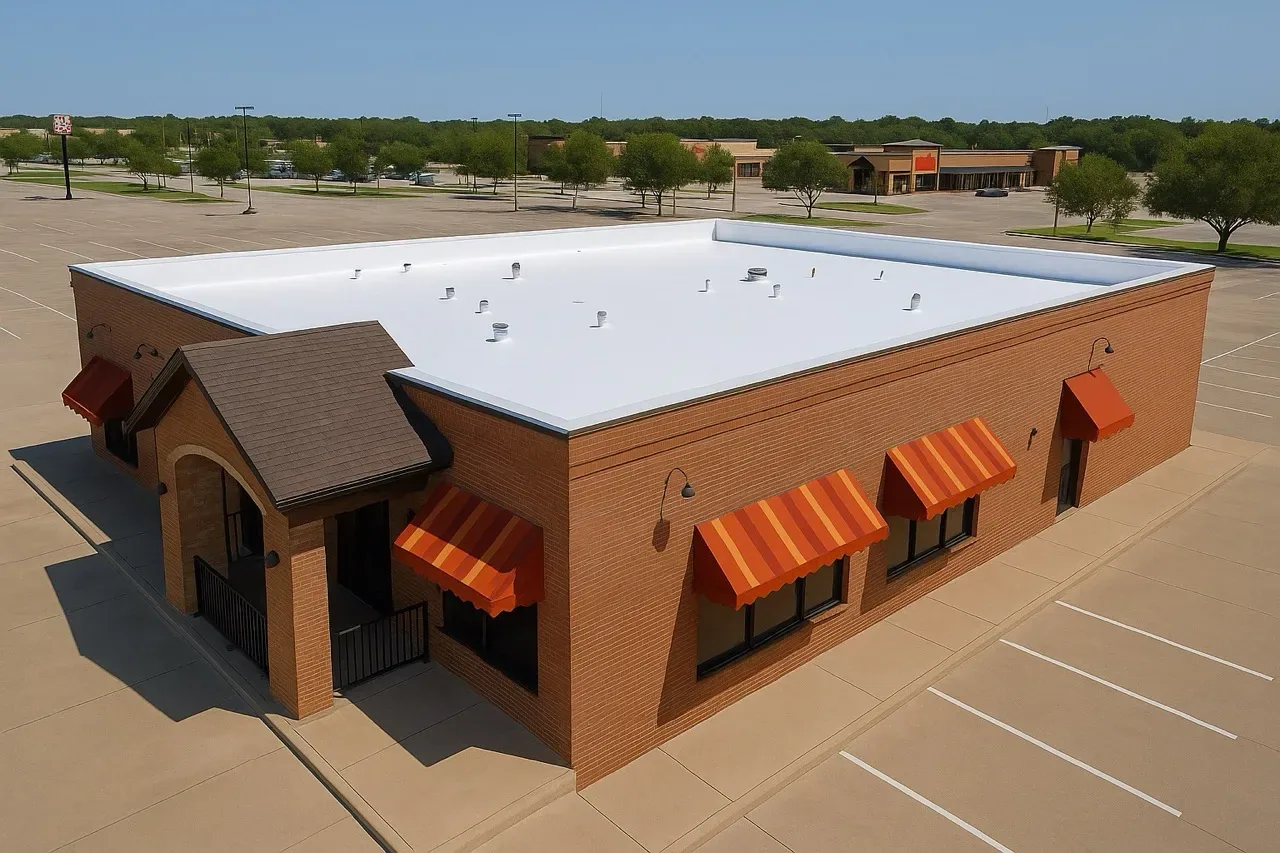
Single-ply membranes lead the line: EPDM rubber, TPO, and PVC thermoplastics, with UltraPly among the best-known TPO and PVC names. Polyisocyanurate insulation boards, cover boards, adhesives, fasteners, and flashings complete the assemblies. The company also supplies metal roofing and edge products, which matters on buildings where a membrane roof meets metal trim.
That breadth means a single building can carry several pieces of the same maker's catalog. The inspection records each component separately: membrane family, insulation type, edge metal, and accessories. A crew that knows the edge metal is a manufactured system and the membrane a welded thermoplastic can pair repair materials correctly, which avoids the incompatibility that sinks many patches.
Thickness and reinforcement count as well. A thicker sheet with polyester reinforcement carries more weathering reserve than a thin one, and a core sample shows which is on the roof. The reading goes into the file so a coating or recover decision rests on a measurement, and a later owner can see exactly how the roof was built before anything was changed.
How do we read the membrane on an older roof?
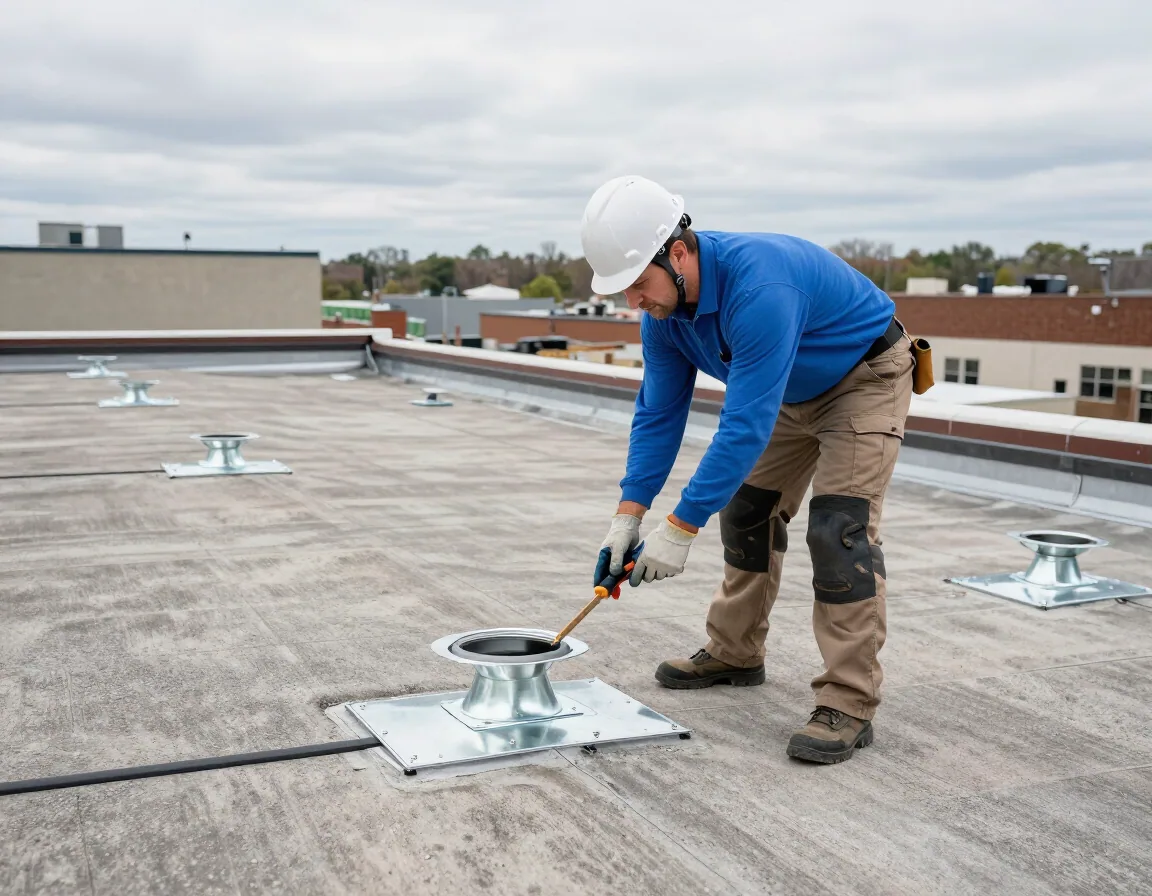
By touch and by tool. A thermoplastic sheet gets seam probing and a check for surface chalking. A rubber sheet gets tape and splice checks and a measurement of shrinkage at walls. We look at color, gloss, and flexibility, and we note any area where foot traffic has worn the surface. Photographs are tagged to a numbered section.
Age shows in predictable ways. Plasticizer loss stiffens a thermoplastic sheet and makes it prone to cracking at corners. Rubber hardens and shrinks. When the surface is sound but dull, a coating can restore reflectivity, and the PVC roofing and EPDM records show which has been done before. When the sheet no longer flexes, replacement is the sound recommendation, and the findings explain why.
Where does metal trim meet the membrane?
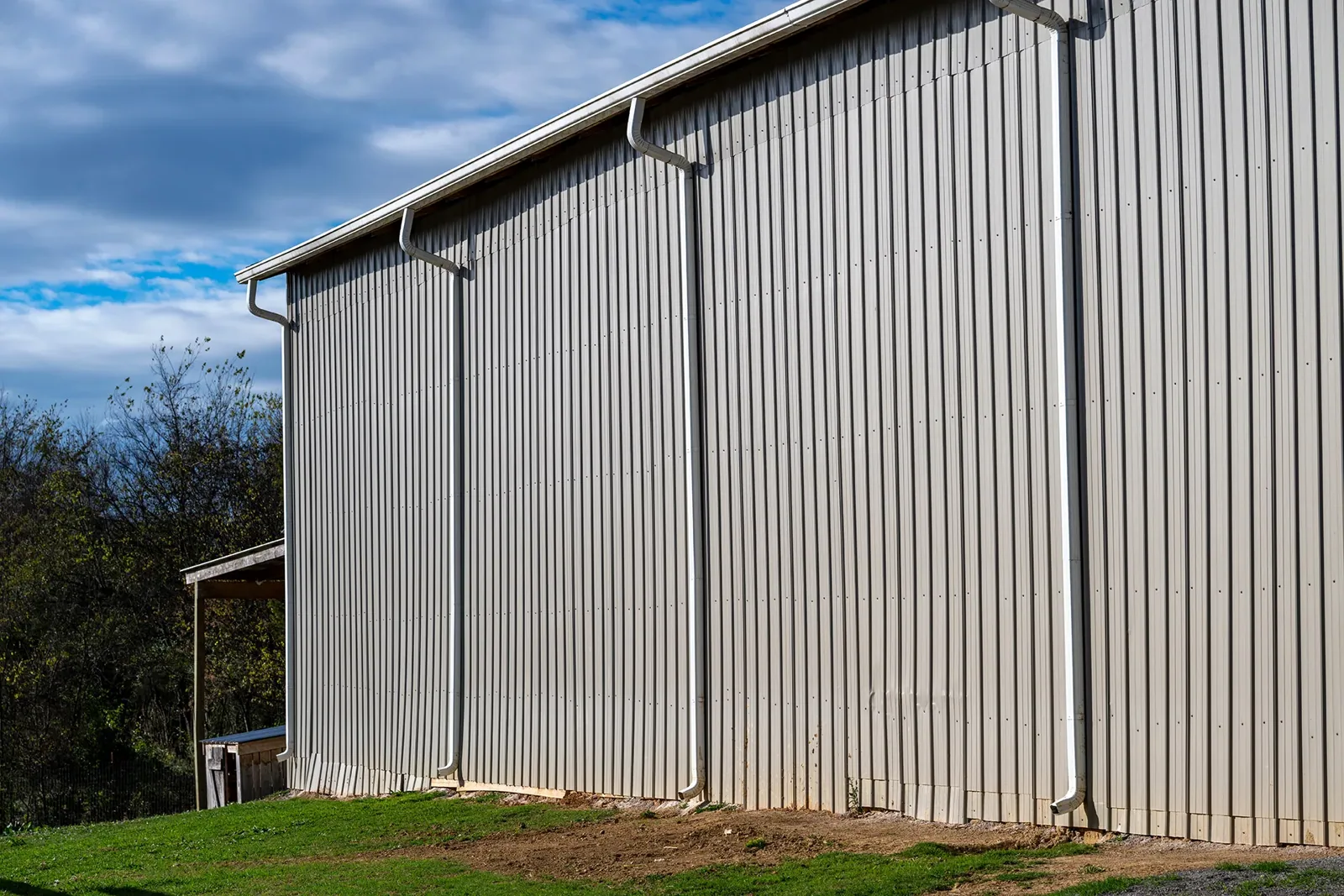
At the roof edge, the parapet cap, and the transition to wall panels. Manufactured edge metal is fastened to a cleat, tied to the substrate, and sealed at joints, and its job is to hold the membrane edge down in wind. The EF-2 tornado over Temple on May 22, 2024, plus gusts estimated at 80 to 90 mph, made edges the main question on roofs afterward.
We pull sample fasteners, check joints and cleats, and note any section that flexes under hand pressure. Loose metal is the cheapest repair and the costliest to skip. The edge metal, coping, and gutters findings feed directly into the storm preparation list, so a roof goes into the next season with its perimeter tight.
How do manufacturing and rail-served buildings use these systems?
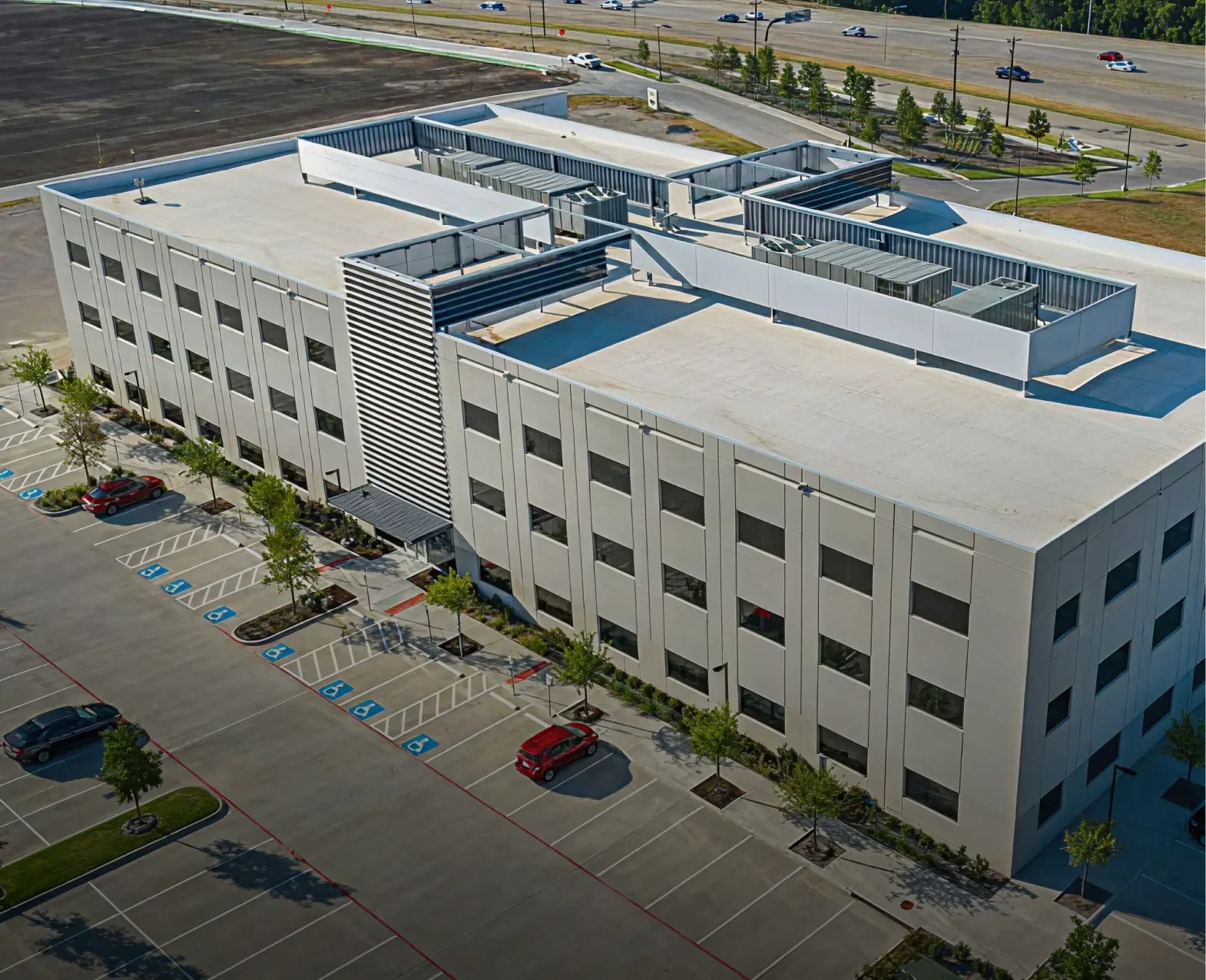
Temple's building stock includes manufacturing and packaging plants and rail-served industrial property, along with regional distribution centers. Industrial roofs carry exhaust, equipment, and heavy traffic, so membrane choice follows what leaves the building. PVC handles fats and many chemicals. TPO suits milder exposure. EPDM suits simple roofs.
The Temple Industrial Park, set up with road, water, sewer, and railroad line access, and the Rail Park at Central Pointe, served by BNSF and the short-line Patriot Rail, are examples of the ground where such buildings sit. Owners in the Temple Industrial Park can ask for a plant-roof record that lists each exhaust point and the sheet around it.
What does a summer in Temple do to a white or black sheet?
With August highs around 95F and some 80 days a year over 90F, the membrane takes sustained heat. White sheet runs cooler and ages slowly. Black sheet absorbs more and moves more with the daily swing. Neither is immune. Seams, flashings, and fastener rows are where the movement accumulates.
We compare the roof's surface to earlier photographs, check for blisters and chalking, and flag areas where a reflective coating or a cool roof installation would reduce the load. Rooftop units serving conditioned space benefit most. The file records unit age and surface color at the start, so owners can compare utility history afterward without relying on a promised figure.
Condensation and interior humidity enter the picture on plants and kitchens. A cool, reflective roof over a humid interior can sweat on its underside, and the symptom looks like a leak. A moisture reading and a look at the vapor layer separate the two. If the cause is interior moisture, no amount of sealant on top will help, and the scope shifts to ventilation or a vapor retarder.
What should the owner keep on file?
The product names as they appear on the roof, the installation date if known, the warranty documents, the inspection history, and any repair records. Holcim Elevate, Firestone, and other brand names can appear on the same building across different decades, and the file should show which applies to each section.
Warranty terms set rules about who may repair and what maintenance is expected. Owners should read them before authorizing work. Our records document the condition and the work in a form a manufacturer or an insurer can follow. A building next to a Versico or Sika Sarnafil roof is tracked the same way, with each roof's papers kept apart. Dates for the next walk go at the top of each page, so the file also works as a schedule, and a manager can plan labor and budget for the year from a single glance at the page.
Commercial Roofing Questions
Is a roof marked Firestone the same as a Holcim Elevate roof?
They belong to the same product family under different brand eras. The company's name changed, while many installed roofs still carry the earlier branding. The membrane type, thickness, and installation date matter more for repairs than the name, and we record them from the roof itself.
How do we find out the thickness of an older membrane?
From a core cut or a small sample, measured with a gauge. Thickness affects how much weathering the sheet can still absorb and whether it accepts a coating. The measurement goes on the sketch and in the written findings, along with a photograph of the cut.
Can a thermoplastic roof be extended with a coating?
Sometimes. The sheet must be sound, the seams tight, and the insulation dry. A test patch confirms adhesion. Coating restores reflectivity and adds protection, but it cannot repair wet insulation or open seams. Findings state which situation applies.
What does edge metal have to do with the membrane warranty?
Many warranty programs set conditions for edge details, and wind is a common cause of loss. The owner should read the terms. We record edge metal type, fastening, and condition so the file supports any conversation about how the perimeter was built and maintained.
How does a recover work over an older single-ply roof?
The existing roof must be dry and attached. A separation layer or cover board goes over it, and a new membrane is installed. Code limits layers and weight, so the permit office confirms the rules. Moisture survey and core cuts support the decision.