Edge Metal, Coping, and Gutters
What fails first when the wind comes up? On most commercial roofs it is the edge. A strip of metal a few inches wide, fastened every so often along the perimeter, is the only thing holding the outer edge of the membrane down against the wind. When a coping joint opens or a fascia cleat pulls, the wind gets under the roof edge and the rest of the system follows. In Temple, TX, where tornado and straight-line wind risk is real, the edge deserves more attention than its size suggests.
How does an edge actually fail?
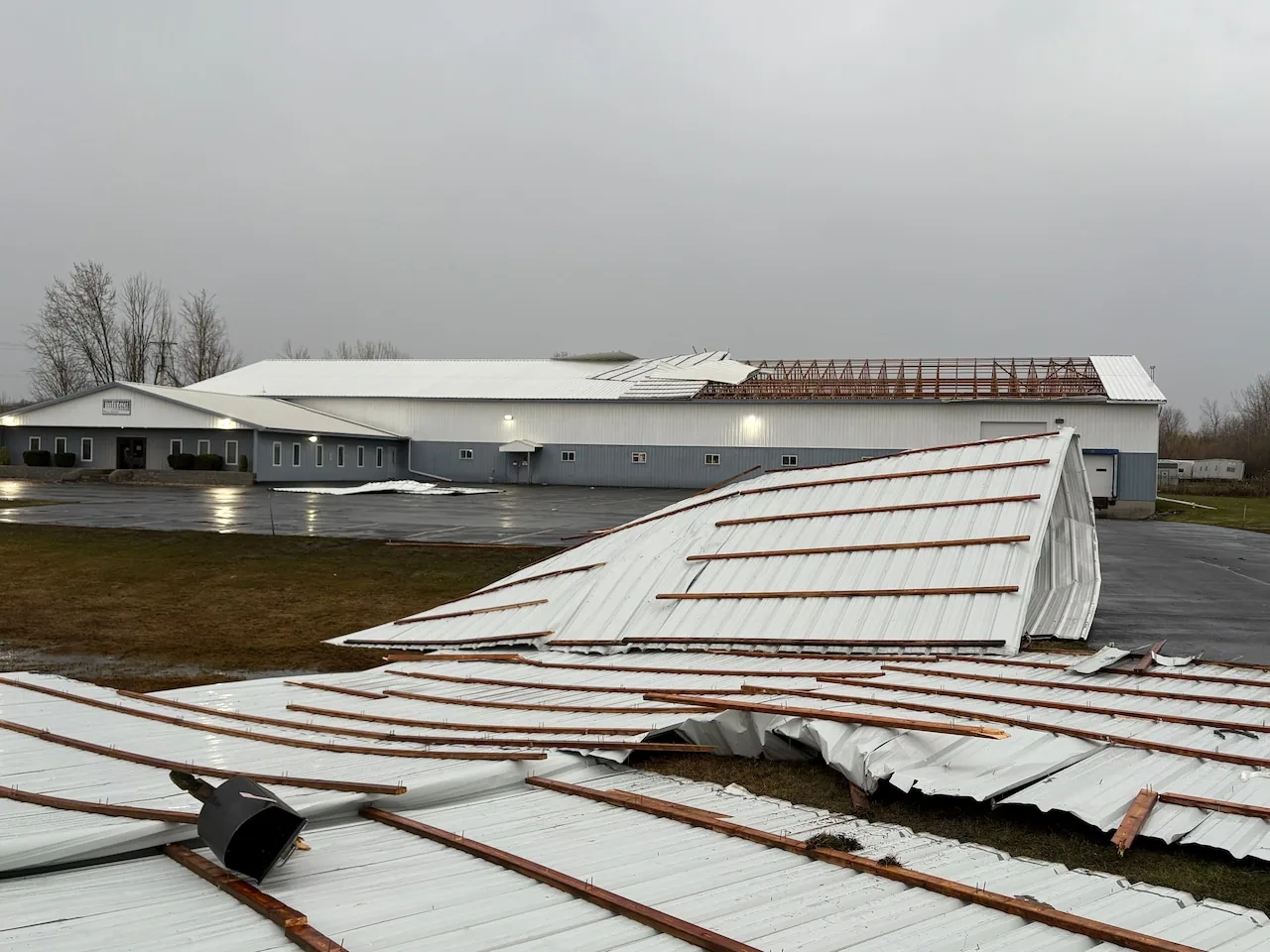
Wind pressure is highest at corners and perimeters. A loose piece of edge metal flutters, works its fasteners out, and eventually peels. Once it is gone, the membrane edge lifts, and the uplift travels inward along the seams. A failure that started as a six-foot strip of metal can end as a section of exposed insulation, and the interior damage that follows is out of all proportion to the original opening.
The fasteners themselves are often the weak link. Screws installed through the face of the metal can corrode, back out, or pull from soft substrate. Sealant at joints dries and cracks in the sun. Cleats that were never tied to structure let the whole assembly move. We look for each of these by hand, not by sight alone, because a coping joint can look closed and still lift with a finger.
What does the 2024 tornado say about perimeter detail?
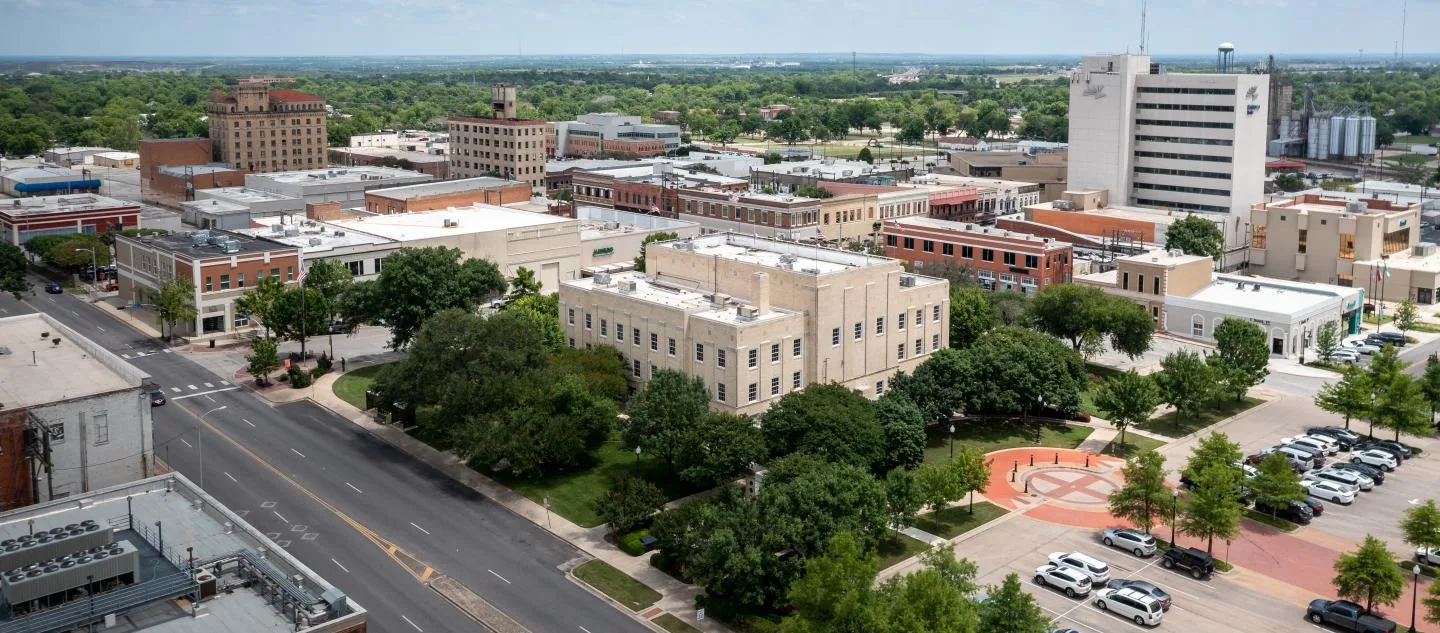
The EF-2 tornado that crossed Temple on May 22, 2024 carried peak winds near 120 mph and damaged restaurants, shops, banks, and strip malls. Straight-line winds of 80 to 90 mph were estimated across the city. Whatever the specific damage on any building, the roofs most exposed to that kind of event are those with weak perimeters.
Edge metal that meets modern wind-resistance testing standards is fastened at specified spacing into solid blocking, with continuous cleats where appropriate. Older edges often have none of that. When we walk a roof, we pull samples of fastener holding strength at the perimeter, because a fastener that spins in its hole offers nothing. The findings flow into the wind damage roof repair scope when repair is needed.
What is coping and why does it leak?
Coping is the cap that covers the top of a parapet wall. It sheds water over the wall's edge and protects the wall from the weather. The joints between coping pieces are the vulnerable points. A joint with a failed splice plate or a dried sealant bead lets water enter the wall cavity, where it can wet insulation, rot blocking, and stain interior finishes.
We check coping slope, fastening, joint covers, and end dams. Where the metal is sound, resealing and re-fastening bring it back. Where it is bent, oxidized, or undersized, replacement is the better answer. The parapet itself also matters: a cracked masonry cap or loose blocking behind the metal will defeat even a new cover. Those conditions go on the list with photographs.
After a severe wind event, coping is among the first items a storm damage roof repair crew checks. A cap that shifted an inch can leave a gap that stays invisible from the ground, and the first sign is often a stain on an interior wall a week later. Photographing each joint before and after an event lets the owner show exactly which pieces moved.
How do gutters and downspouts fit in?
On buildings with sloped metal sections, canopies, or low-slope roofs with perimeter gutters, the gutter is the drain. It collects water from the roof edge and carries it to downspouts. A gutter that has pulled away from the fascia, filled with debris, or lost its slope turns into a source of leaks and a hazard for walkways below.
We log hanger spacing, joint condition, slope, and downspout connections. Discharge locations are checked so water does not undermine foundations or flood entries. Freezing nights, about 26 a year in Temple, can split gutters that hold water, so clearing and sloping them has a seasonal purpose. The work links naturally to roof drains and scuppers, since the same system carries the same water.
Which materials and finishes hold up best?
Galvanized and coated steel, aluminum, and stainless each have a place. Steel is strong and economical but needs a good finish, since cut edges and scratches can rust. Aluminum resists corrosion but dents more easily and expands noticeably in heat. Heat matters here: August in Temple runs near 95F, with about 80 days a year above 90F, so thermal movement at joints is part of the design.
Expansion joints, floating cleats, and flexible sealant let metal move without tearing loose. Edge metal should also match the roofing system. A standing seam metal roofing assembly has its own trim details, and a single-ply roof needs edge flashing that integrates with the membrane. Mismatched details are a quiet cause of leaks.
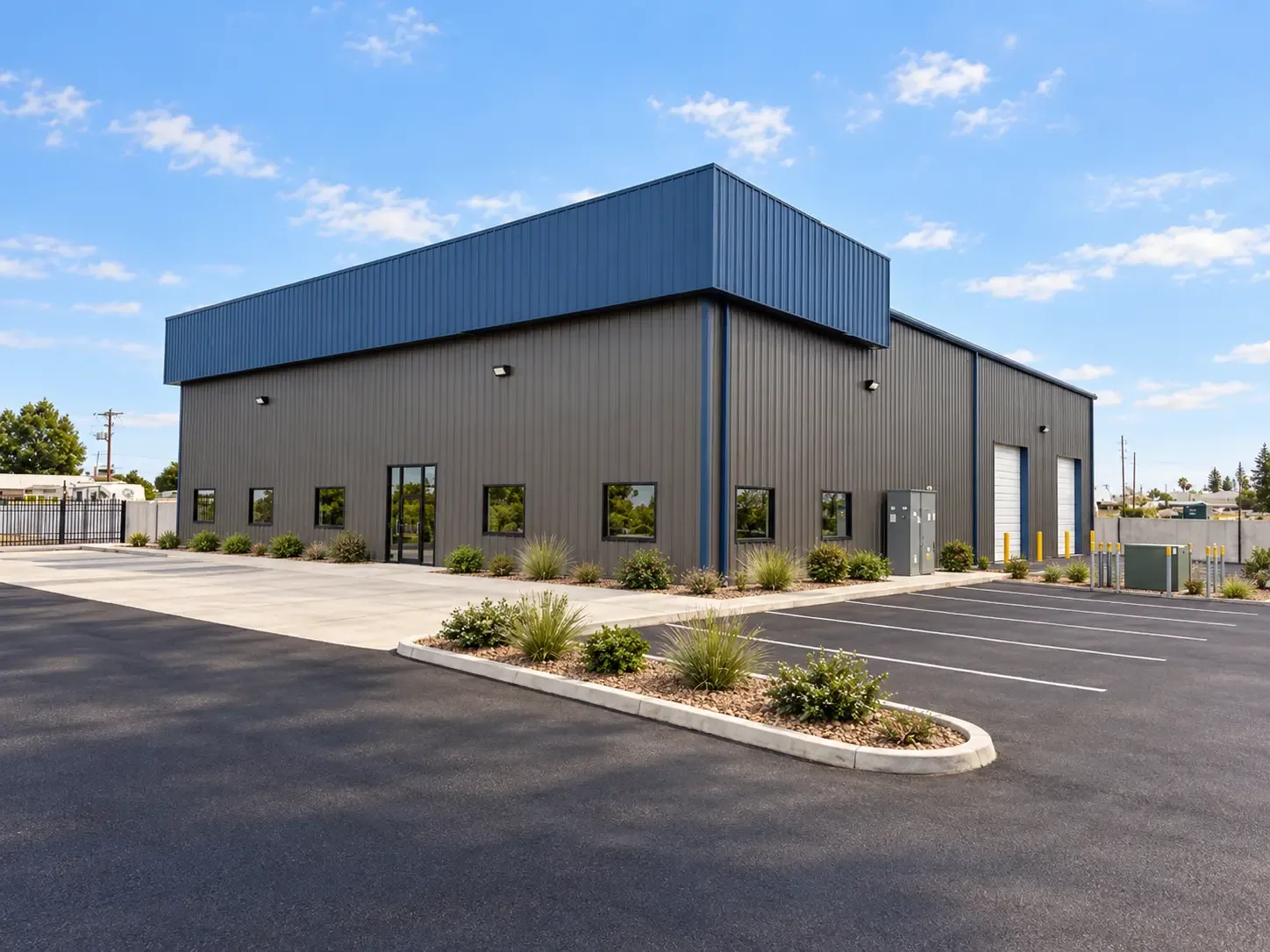
Large buildings change the arithmetic. A long warehouse wall may carry several hundred feet of coping and fascia, each with its own joints, and a warehouse roofing program has to treat the perimeter as a system with a set fastener schedule. We measure the total run, count the joints, and price the work by linear foot, so a repair of one corner and a replacement of one elevation can be compared on equal terms.
How is edge work scheduled across a portfolio?
Edge metal is often the best first-dollar investment before storm season. A building with an open coping joint is a better target for repair than one with a sound edge, and a short list across a portfolio shows where to start. We rank by exposure: tall buildings, corner locations, healthcare and distribution roofs, and anything with a history of lifted metal.
Work can proceed without tearing off the roof. Metal is replaced in sections, refastened, sealed, and photographed. Owners with property in Temple, Belton, and Killeen get one condition format for all of it, and the record tells the next inspector exactly which edge was touched and when.
Commercial Roofing Questions
How can an owner tell whether edge metal is secure?
Look for gaps at joints, bent or lifted sections, missing sealant, and fasteners backing out. A technician also tugs on the metal to feel for movement. A piece that moves under hand pressure will not resist wind. We record the check by location, so weak sections are easy to prioritize.
Can edge metal be replaced without disturbing the roof?
Often, yes. The metal is removed in sections, new cleats are fastened to solid substrate, the new metal goes on, and the membrane flashing is resealed. Some roofs need adjacent membrane work, and the scope says so. Tenants rarely notice, because most work happens at the outside edge.
Why do fasteners matter more than the metal?
The metal is only as strong as its attachment. A heavy gauge piece fastened with weak screws will still peel. Fastener type, length, spacing, and substrate hold all count. We test pull strength at sample points and specify the attachment before choosing the metal itself.
Does gutter cleaning belong in this scope?
Where gutters exist, yes. A clogged gutter overflows at the fascia and stains the wall, and the extra weight strains hangers. Cleaning belongs in maintenance visits, and repairs or slope corrections belong here. The two feed each other, which is why one record covers both.
What should a post-storm edge check include?
Every coping joint, fascia section, corner, and downspout, plus the membrane edge just inside the metal. We compare each against the earlier photographs, mark any lifted piece, and note anything that blew onto the roof or off it. Findings are ranked for make-safe work first.