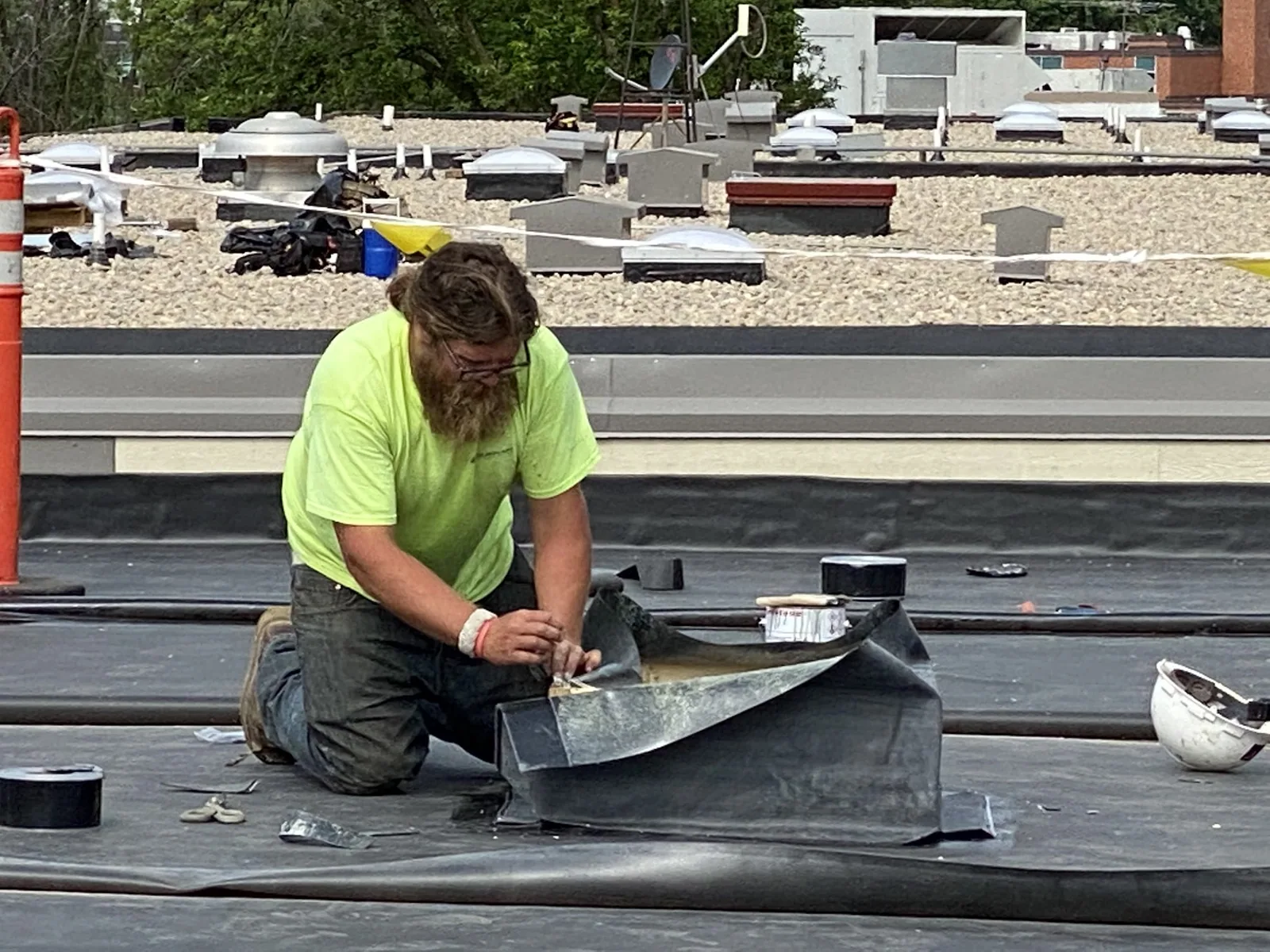
Cool Roof Installation
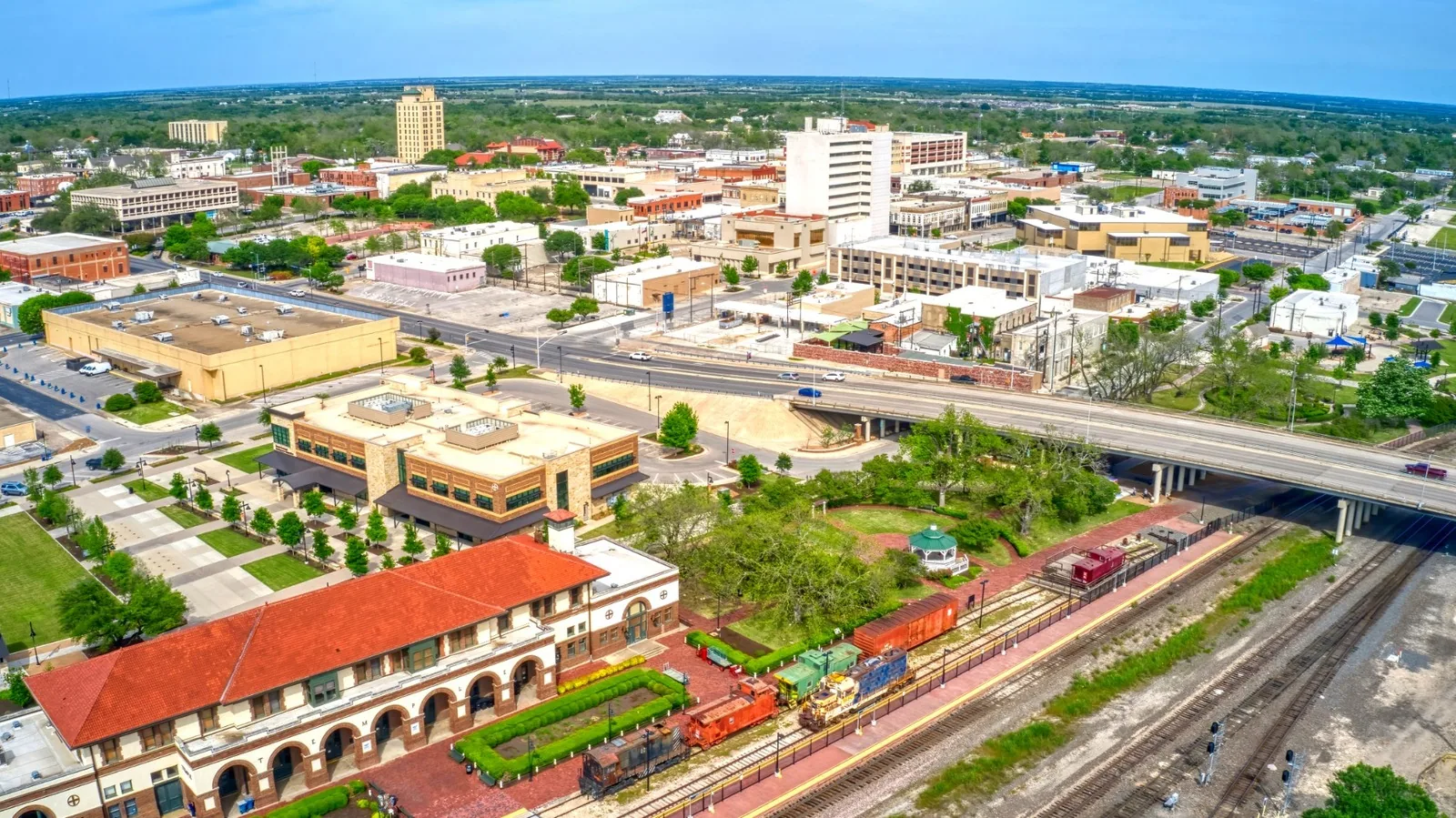
How hot does the roof actually get, and who pays for it? On a dark commercial roof in Central Texas, the surface can run far hotter than the air above it, and the building below pays through compressor runtime, uneven comfort on the top floor, and faster aging of the membrane. A cool roof answers that with a reflective surface that sends more sunlight back into the sky. For an asset manager in Temple, TX, the decision is rarely about a slogan. It is about a roof that is due for work anyway and a surface that can make the coming summers easier on the building.
What makes a roof cool?
Two properties: solar reflectance and thermal emittance. Reflectance is the share of sunlight the surface bounces back. Emittance is how readily it releases the heat it does absorb. White and light-colored single-ply membranes, reflective coatings, and light-toned metal all score high on both. Dark asphalt, black rubber, and weathered gravel score low.
Surfaces lose reflectance as they age. Dirt, pollen, and mildew dull a white roof, and a roof that tested bright on day one can fall noticeably within a few years. That is why cleaning and recoating belong in a cool roof plan, and why we record the surface condition at installation and at every visit. A roof that is cool on paper but dirty in the field delivers less than the label promises.
Why does a Temple roof benefit from reflectance?
Because the heat season is long. Temple's August highs sit near 95F, and the city records about 80 days a year above 90F. The roof soaks up sun from morning to late afternoon on most of those days, and the daily swing between a hot surface and a cool night works every seam and flashing.
A reflective surface lowers the peak temperature and narrows that swing. The membrane ages more slowly, seams see less movement, and the insulation below carries a lighter load. Rooftop units that had been working over a hot deck can run under less strain. We avoid quoting savings, because ceiling height, insulation, and equipment age change the result, but we record the roof surface and unit condition at the start so owners can compare utility records afterward.
Roofs that have already suffered from the heat are good evidence. Blistered asphalt, chalky single-ply, and checked sealant all point to a surface that ran too hot for too long, and the heat and UV roof damage repair findings often become the starting point for a cool roof plan. An owner with buildings in Belton, Killeen, and Temple can line up surface condition across all three and start with whichever roof runs hottest.
Which cool roof routes are open to an owner?
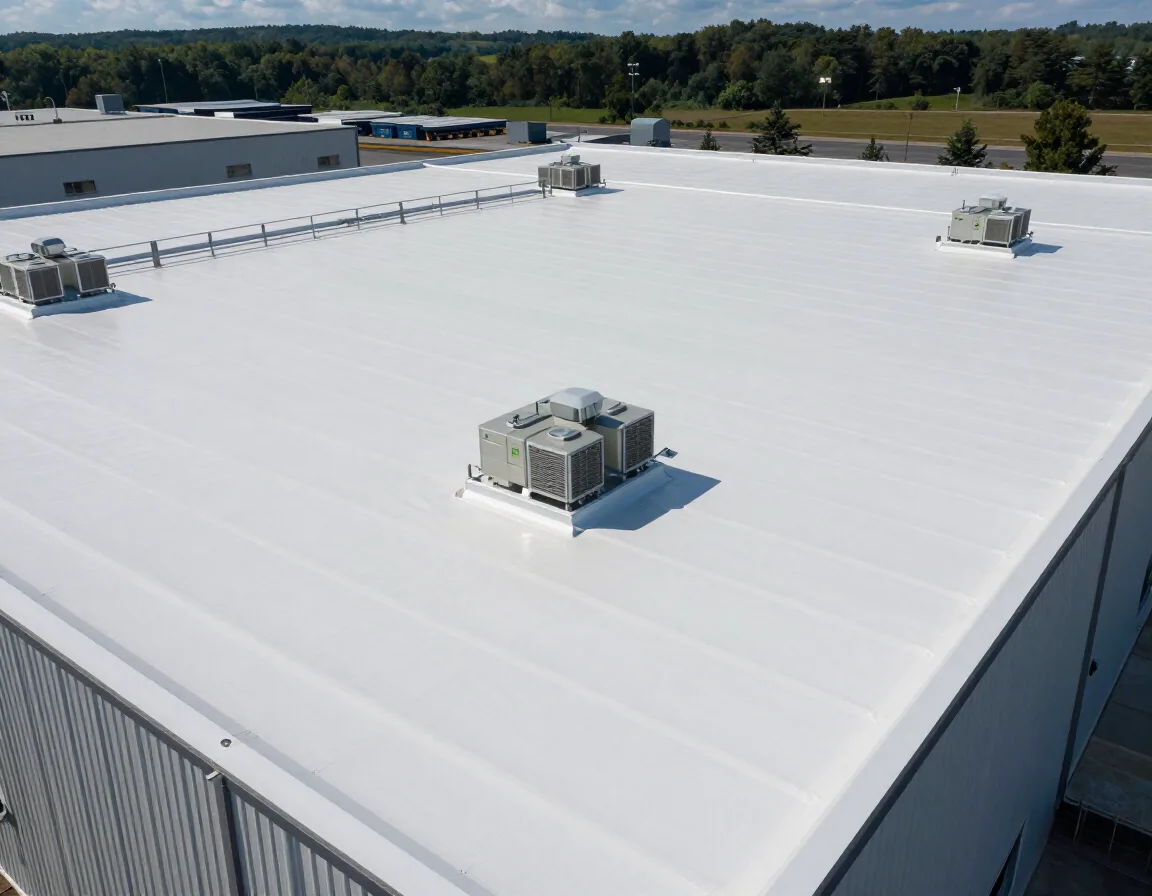
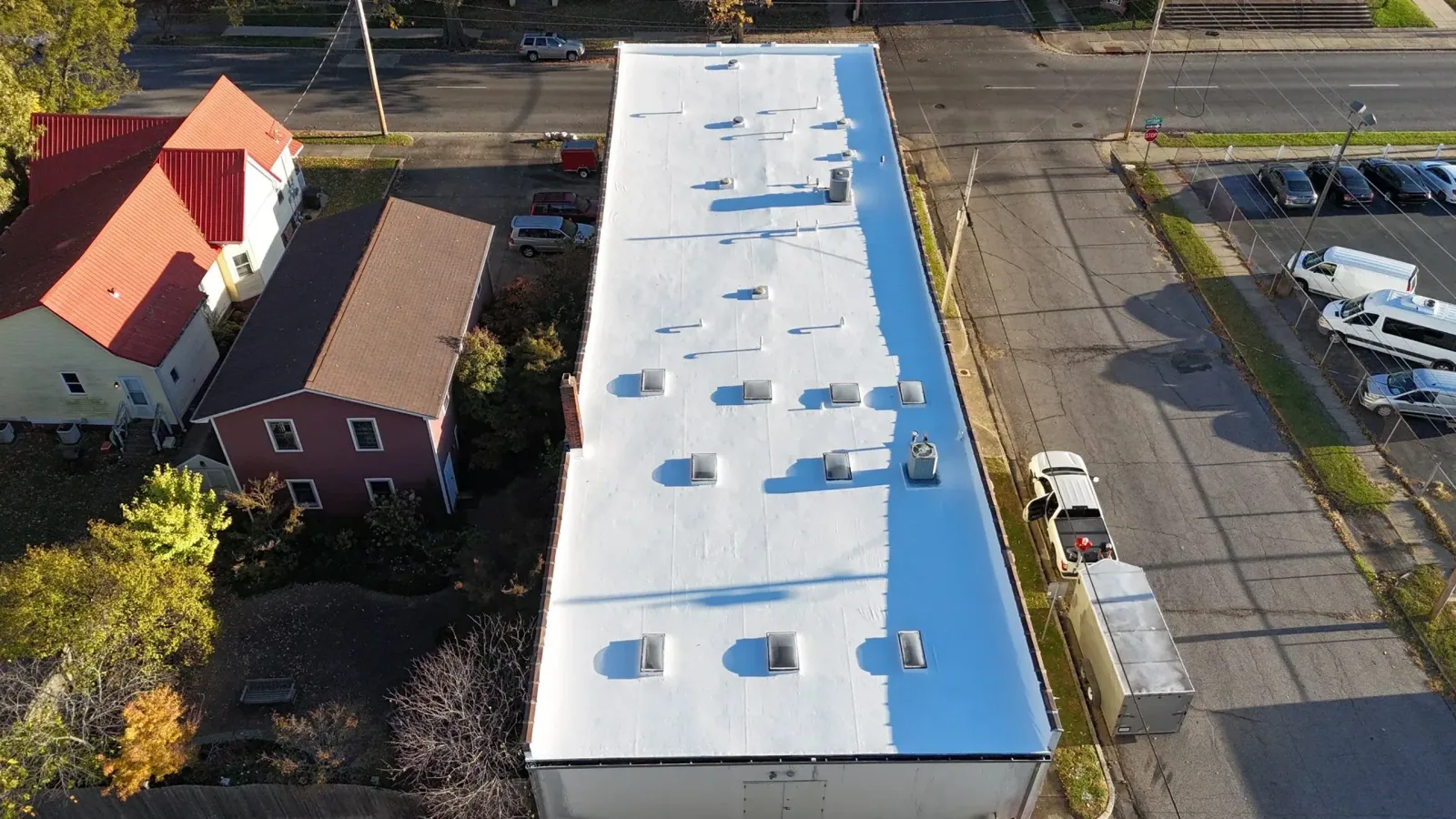
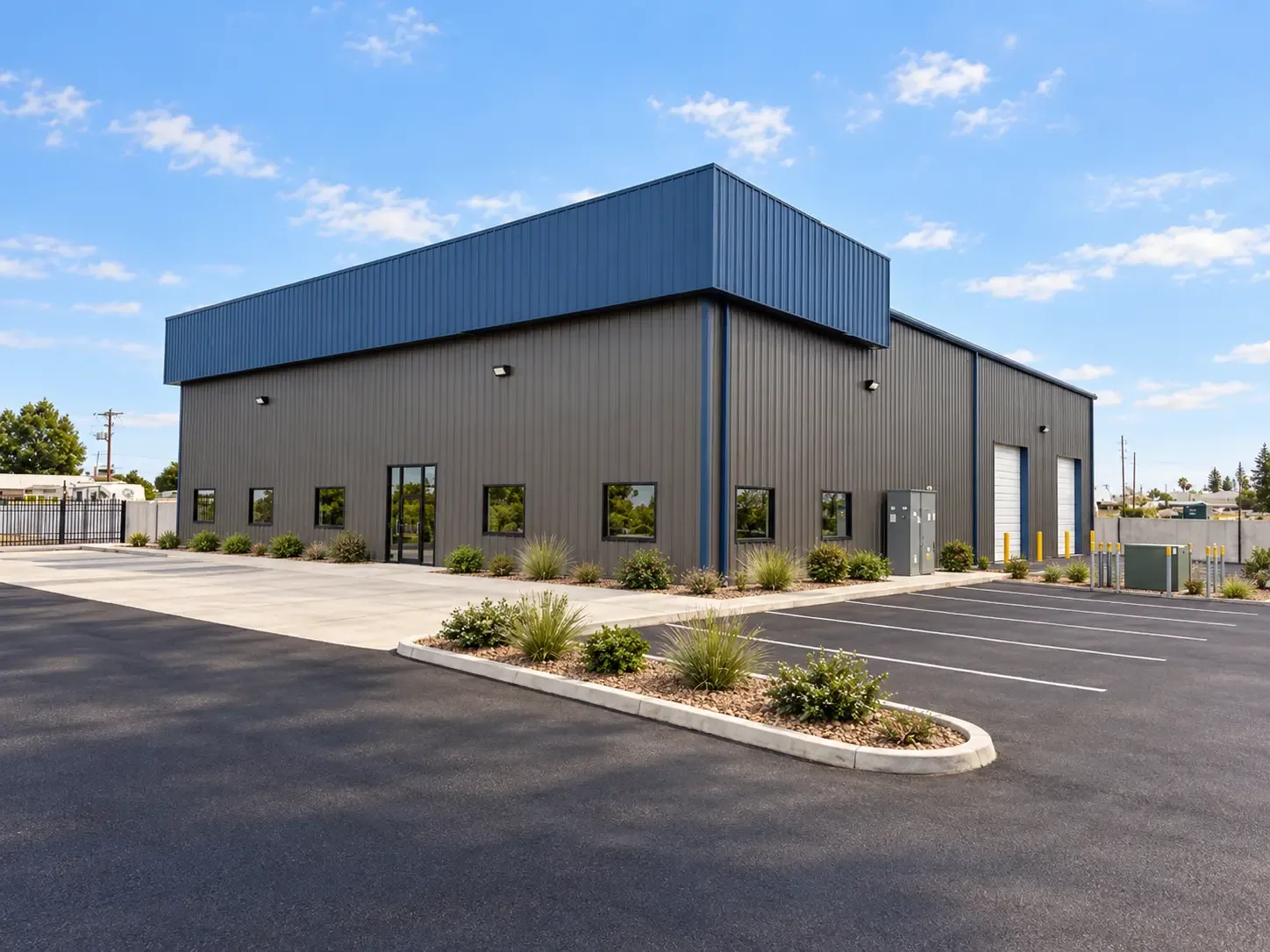
Three common routes. The first is a new white single-ply membrane at replacement, such as TPO roofing or PVC, which carries high reflectance from day one. The second is a reflective coating over a sound existing roof, covered in roof coating restoration. The third is a light-toned metal panel, factory-finished, on roofs that are metal already or are moving to metal.
The right route follows the roof's condition. A dry, sound roof is a coating candidate. A worn, wet one is a replacement. A recover may also fit when the old roof is dry and the structure can carry the weight. The comparison appears in writing with the findings behind each option, so the asset manager can weigh them on cost, schedule, and expected service life.
Building type changes the weighting. A conditioned office or clinic with large rooftop units benefits from a cooler roof every summer. A cold storage dock benefits as well, since its compressors fight the same sun. A warehouse roofing project with little conditioned space gains mostly in membrane life. Each case is written up on its own facts, without a blanket promise.
Does code require a cool roof?
Energy requirements for roofs depend on the code edition and local amendments. Across Texas the International Building Code governs in every city, though a local government can adopt a later edition, and the permit office is the place to confirm which one is in force. During plan review Temple's Building Department applies the IBC, which is where energy provisions get checked.
We do not guess. Before design, we ask the permit office what applies to the specific building and write the answer into the scope. Some projects must meet reflectance or insulation minimums. Others have flexibility. Either way, the written plan states what the roof will have and why, so the owner is not surprised at inspection.
What happens during installation?
The sequence depends on the route. A coating job washes and repairs the roof, then applies primer and coats, with film thickness checked at marked points. A new membrane job strips the old roof as needed, replaces wet insulation, and installs the sheet. A metal job fastens panels over the prepared deck or sub-framing.
In every case we protect rooftop equipment, keep intakes clear of fumes, and schedule noisy work around tenants. The finished roof is photographed in sections, drains are cleaned and logged, and the product data sheet with its reflectance figures goes into the file. A distribution building near the Rail Park at Central Pointe gets a file that answers a lender or insurer asking exactly what went on the roof.
What can a cool roof not do?
It cannot add wind resistance, and it cannot fix wet insulation. Against winds like those of the May 22, 2024 EF-2 tornado, which peaked near 120 mph, the weak points on a roof are attachments and edges, not surfaces. A reflective coating over a loose edge is a bright, loose edge. Edge metal and fasteners get repaired first.
Cold also matters. About 26 nights a year in Temple drop below freezing, and a highly reflective roof will not warm up as fast on a winter morning. For most commercial buildings that tradeoff is acceptable, but a building with heavy heating demand and a mild cooling load should be reviewed. A preventive roof maintenance plan keeps the surface clean and the benefit intact.
Commercial Roofing Questions
Is a cool roof worth it on a building that is mostly warehouse space?
It can be, mainly for the roof's longevity and for rooftop units serving office or conditioned areas. Unconditioned warehouse space gains less from lower cooling load. The main benefit is a cooler membrane. We review use, insulation, and equipment before recommending it.
How long does a white roof stay white?
It depends on dirt, tree cover, mildew, and the surface chemistry. Reflectance falls as the surface ages and collects residue. A periodic wash restores much of it. We photograph the surface at installation and at each visit so the owner can see the real rate of change.
Can a black EPDM roof be made cool without replacement?
Often, with a compatible reflective coating after cleaning and priming. The roof must be dry and well attached, and a test patch confirms adhesion. If the EPDM is shrinking, cracked, or wet underneath, replacement with a white membrane is the better route.
Do cool roofs cost more than standard roofs?
A white membrane often costs about the same as a dark one of the same type, and a coating adds a line item. The question is the total over the roof's life, including energy and maintenance. We price the options on the same terms, so the comparison is clear.
What documentation comes with a cool roof job?
Product data on reflectance and emittance, installation photographs by section, film or seam records, a drain log, and a baseline of surface condition. The package supports permit inspection, lender requests, and any utility or tax program the owner pursues.