Cold Storage Roofing
Ice on the underside of a freezer roof deck is the failure to look for, because it means water vapor is getting into a building that depends on staying dry and cold. The roof of a cold storage building does a different job from an ordinary roof. It keeps rain out, and it keeps warm, humid air from reaching a surface held below freezing. When either job fails, insulation soaks, ice builds and refrigeration works harder. In Temple, TX the person with the first decision is the facility manager who knows what the product is worth by the hour.
We triage the same way every time: make the roof safe, record what failed and set the permanent scope against the building's temperature, not just its leaks.
Why is a cold storage roof different from a dry warehouse roof?
A large temperature difference sits across the roof assembly. Inside, a freezer or cooler holds product at a low temperature. Outside, Temple summers peak near 95F in August with roughly eighty days above 90F. Moisture moves from warm, humid air toward the cold side, and anywhere the assembly leaks air, the moisture condenses and freezes. Insulation that stays wet loses most of its value, and the refrigeration plant pays for it.
The assembly therefore depends on a continuous air and vapor control layer, thick insulation and sealed penetrations. Every pipe, conduit and refrigerant line that passes through the roof is a path for warm air, and every one of them is flashed on the outside and sealed on the inside. A small failure at a penetration can freeze into a large ice mass over the following weeks. Insulation thickness is high in cold buildings, so flashings stand taller and curbs sit higher than on a dry warehouse, and each added layer is another place for a seam to fail if it is not detailed with the vapor layer in mind.
Where do cold storage roofs fail first?
At penetrations, panel joints and the membrane's seams. Refrigeration condensers and piping sit on the roof, and their supports, curbs and line penetrations carry both foot traffic and thermal stress. A cracked boot or a split flashing admits rain at the top and warm air at the bottom, and the damage shows up inside as frost, stains or ice rather than as a drip.
Surface symptoms include ponding near equipment, blistering and punctures along service routes. The intake record numbers each one on the plan and ties it to the interior location, where possible, by noting frost lines or ice on the ceiling. The roof and the building interior are surveyed together, because the interior evidence points to the entry point faster than the roof surface does. Roofs with a fully adhered membrane over thick board stock can hide a fastener back-out that lifts the sheet in a line, and the line is often the only visible sign that the board beneath has shifted.
How do we find wet insulation above a freezer?
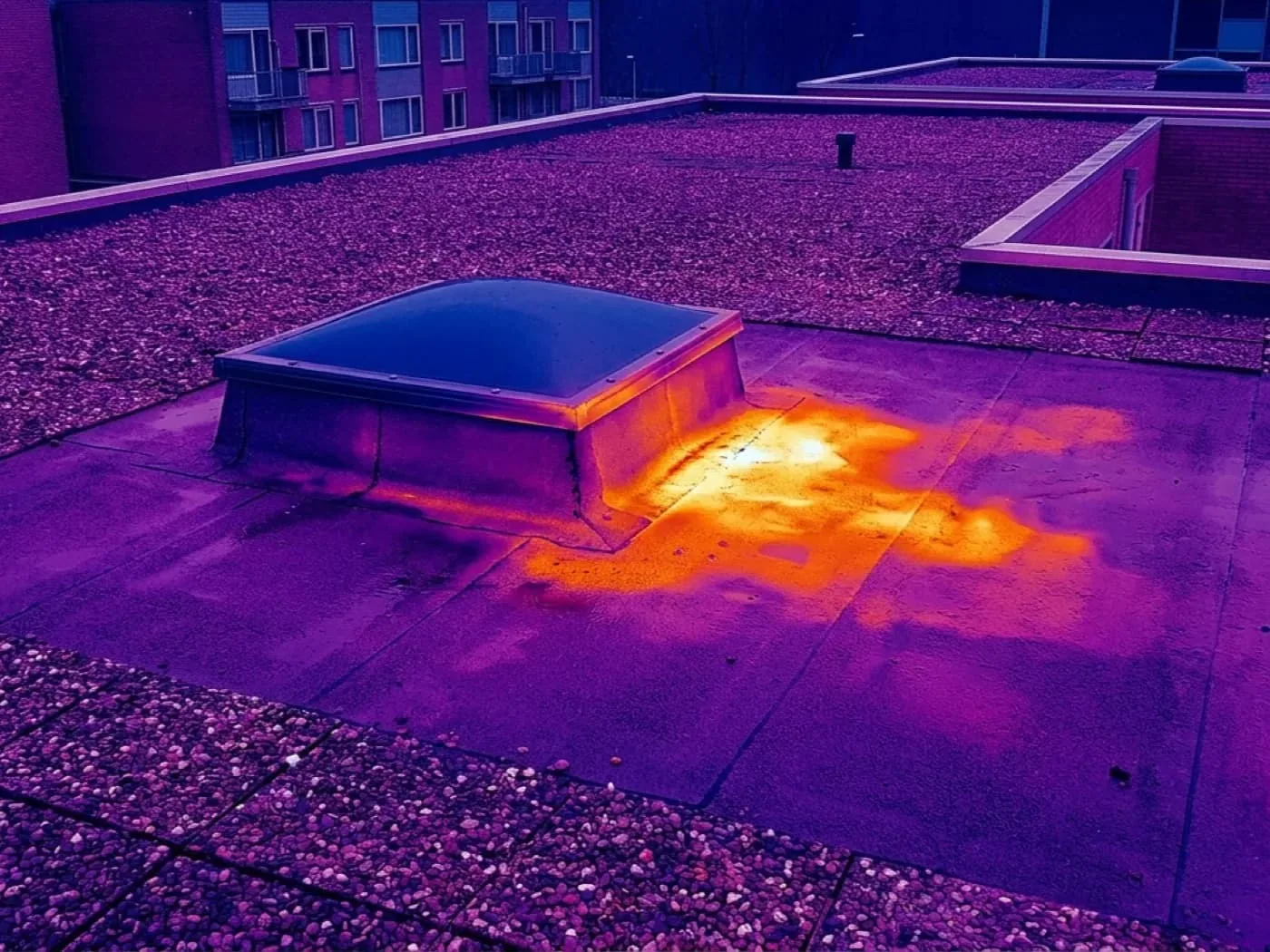
An infrared moisture survey from the roof, ideally under conditions with a strong temperature contrast, maps suspect areas. Core cuts confirm them, and each cut is patched the same day with a sealed plug. The interior check adds ceiling photographs, frost mapping and moisture readings at the deck line, within the facility's entry rules for people and temperature.
The results go on one roof plan that overlays the wet areas on the refrigeration zones. If the insulation is wet in a limited area, the scope cuts it out and replaces it with matching board and a sealed vapor layer. If the wetness is widespread, a commercial roof replacement with a rebuilt vapor control layer is the likely answer, and the plan says why.
How does the work protect temperature and product?
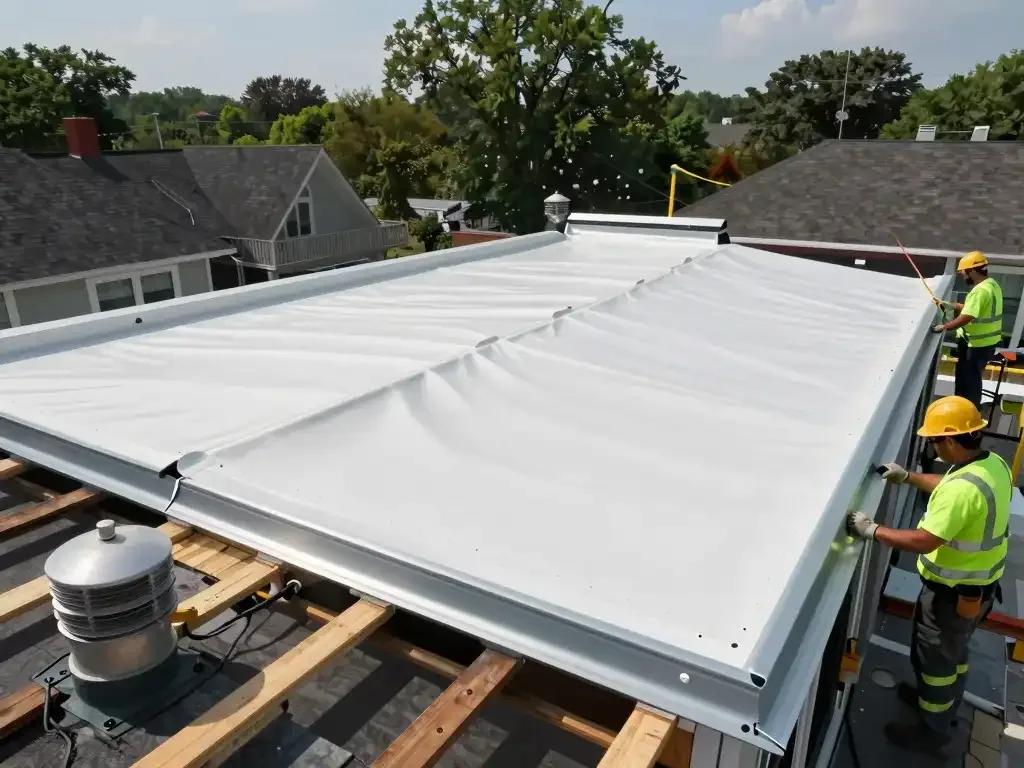
Roof openings are kept small and sealed fast. A section of roof is opened, the damaged material removed, new insulation and vapor layer installed and the membrane closed in one shift. The facility's refrigeration team sets limits on how much of the assembly may be open at once and on how long the interior zone can be exposed to warm air.
Material staging avoids loading docks and cold-chain traffic. Crane picks, hoists and dumpsters sit away from dock doors that open to refrigerated trailers. Hot work is limited, since freezers contain insulated panels and refrigerants that react badly to heat. Torch-free methods are the default. Before the first opening, the plan names the person in refrigeration who authorizes it, and the foreman confirms with that person again before each section is closed. Interior temperature readings taken at the start and end of the shift go into the record with the roof photographs.
What does a holding repair look like?
A holding repair stops the water or air path and buys time: a re-flashed penetration, a sealed joint, a temporary cover over a failed section. It is written as a bridge, with a review date and a note of what would bring that date forward. After a hard freeze or a wind event, we check the penetrations and edges. A hard freeze, like the nine days at or below freezing that Central Texas saw in February 2021, shows weak points that summer hides.
Where do cold storage buildings sit in Temple's logistics base?
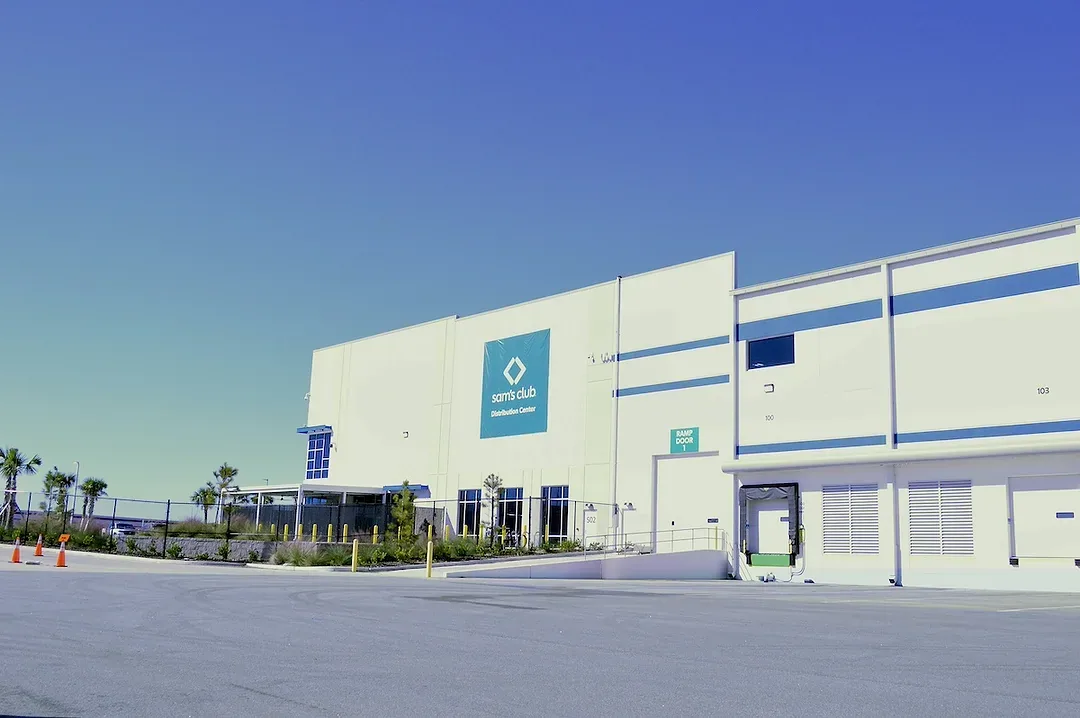
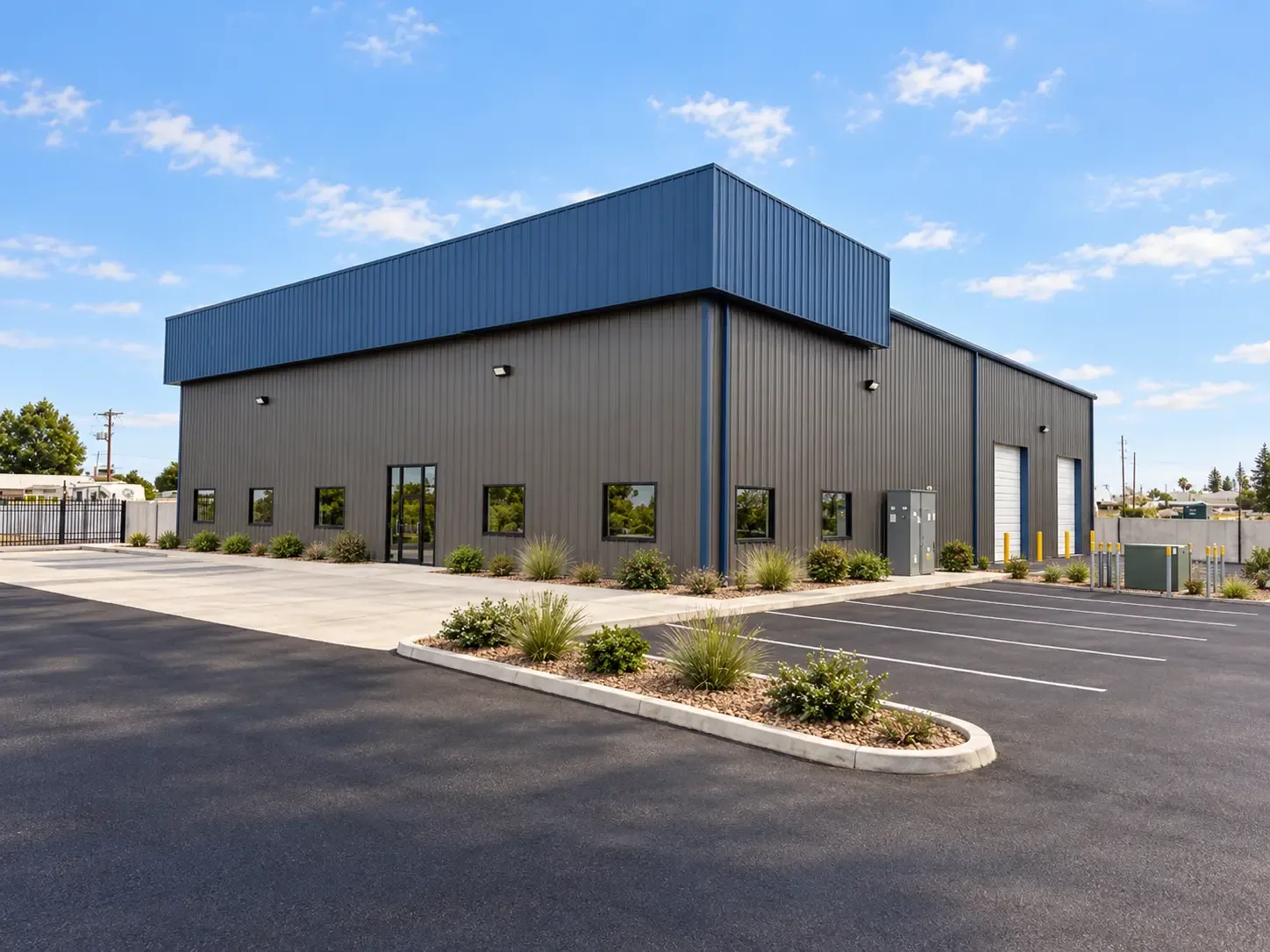
Large regional distribution operations sit among Temple's major employers, and the Railhead of Central Pointe offers build-to-suit options for small and large users. Which buildings hold refrigerated space is the first question in the survey of any distribution center roof or warehouse roof, along with where the refrigeration plant sits.
The same record, with refrigeration zones marked on the plan, serves an owner with a building in the Temple Industrial Park or out at the Rail Park at Central Pointe.
How are cold storage roofs ranked?
By product at risk, energy cost and condition. A roof over a freezer with active leaks and ice ranks first, since the loss grows with time. A sound roof over a dry zone ranks low. The report ends with the next decision and its date. Roofs on buildings with the refrigeration plant on top rank above those with ground-mounted equipment, because every service visit adds foot traffic and every line penetration adds a risk. Where an owner holds both cold and dry space, the ranking shows them in one list so the capital plan reflects the real exposure.
Commercial Roofing Questions
Why does a small roof leak matter so much over a freezer?
Water that enters turns to ice inside the assembly, wets the insulation and raises the refrigeration load. Frost or ice on the ceiling can be the first sign that a roof defect has been active for weeks.
Can a cold storage roof be repaired without warming the building?
Yes, with small openings, fast sealing and limits set by the refrigeration team. Interior conditions are monitored, and work stops if limits are reached.
What is the vapor control layer, and why does it matter?
It is the sealed layer that keeps warm, humid air from reaching the cold side of the roof. If it leaks, moisture condenses and freezes in the insulation, so every penetration and joint must be sealed.
Does summer heat affect a cold storage roof?
It adds load. Hot roof surfaces increase the temperature difference across the assembly, and a reflective surface or coating can reduce it. The scope compares the options.
How long can a temporary cover protect a failed section?
For a defined period set in the record, since temporary covers move in wind and age in sun. The permanent repair is scheduled around the first dry window and the refrigeration team's limits.