Commercial Roof Replacement
A roof reaches replacement the way most failures arrive: quietly, then all at once. A seam opens along one edge, a drain stays wet for a week, a tenant calls about a stain, and suddenly the asset manager is asking whether this is a repair or the end of the roof. For owners in Temple, TX, that question usually lands between a hot summer and a windy spring, and the answer decides the next ten years of the capital plan.
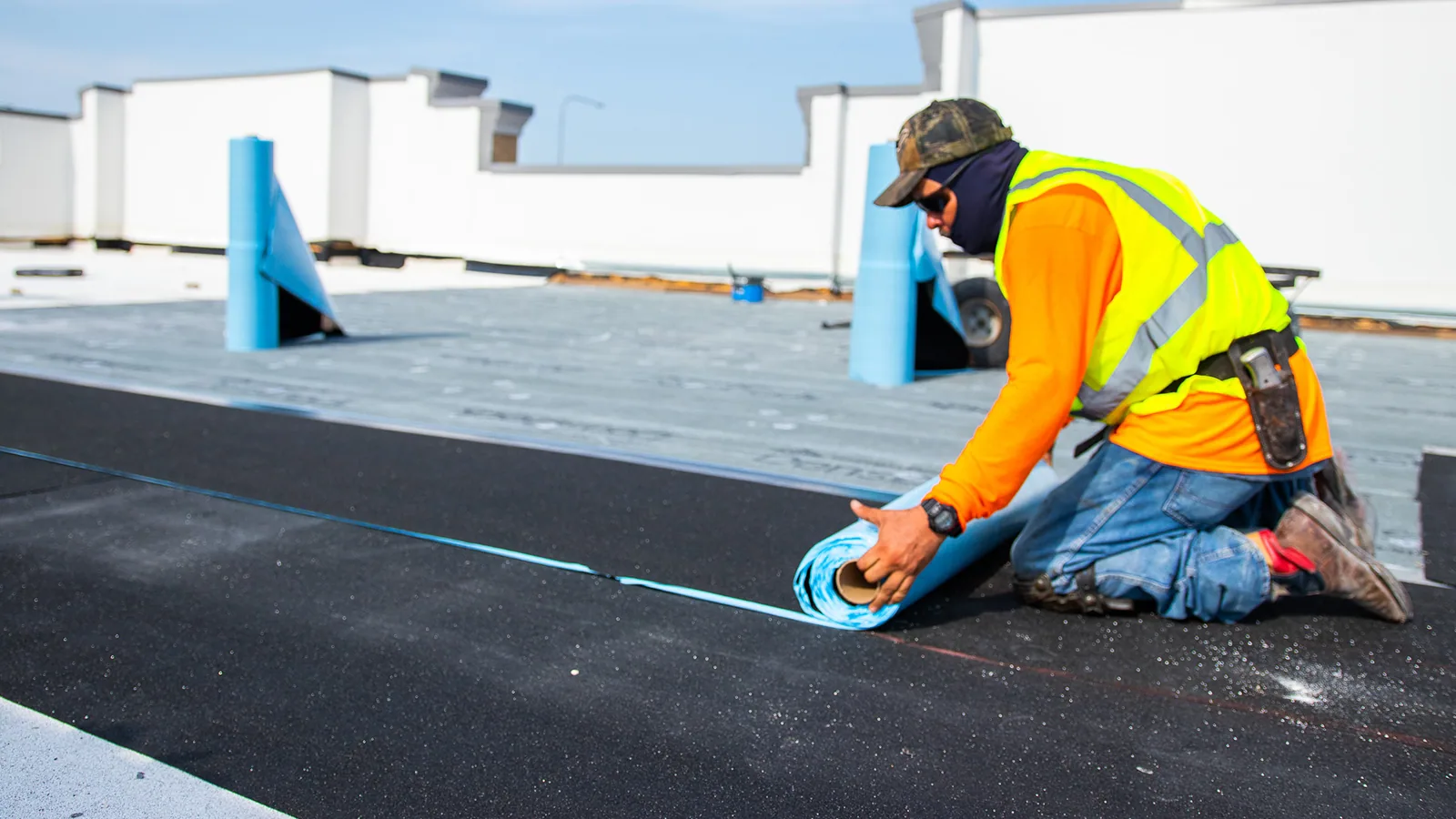
Replacement is a full tear-off of the old membrane, a decision on the insulation and deck beneath it, and a new system installed to a detail list written for that specific building. We start with the failure point, not the sales pitch. Where did water enter? How far did it travel? What did it soak? Those answers tell us whether the building needs a new roof or a smarter repair and a firm date on the calendar.
Is this roof a repair candidate or a replacement?
The first call is a triage call. We want to know what failed, when it was first noticed and which parts of the building share the same roof section. A single leak at a pipe penetration is a repair. Wet insulation across a whole field, a membrane that has lost its flexibility, and seams that open again within one season point the other way.
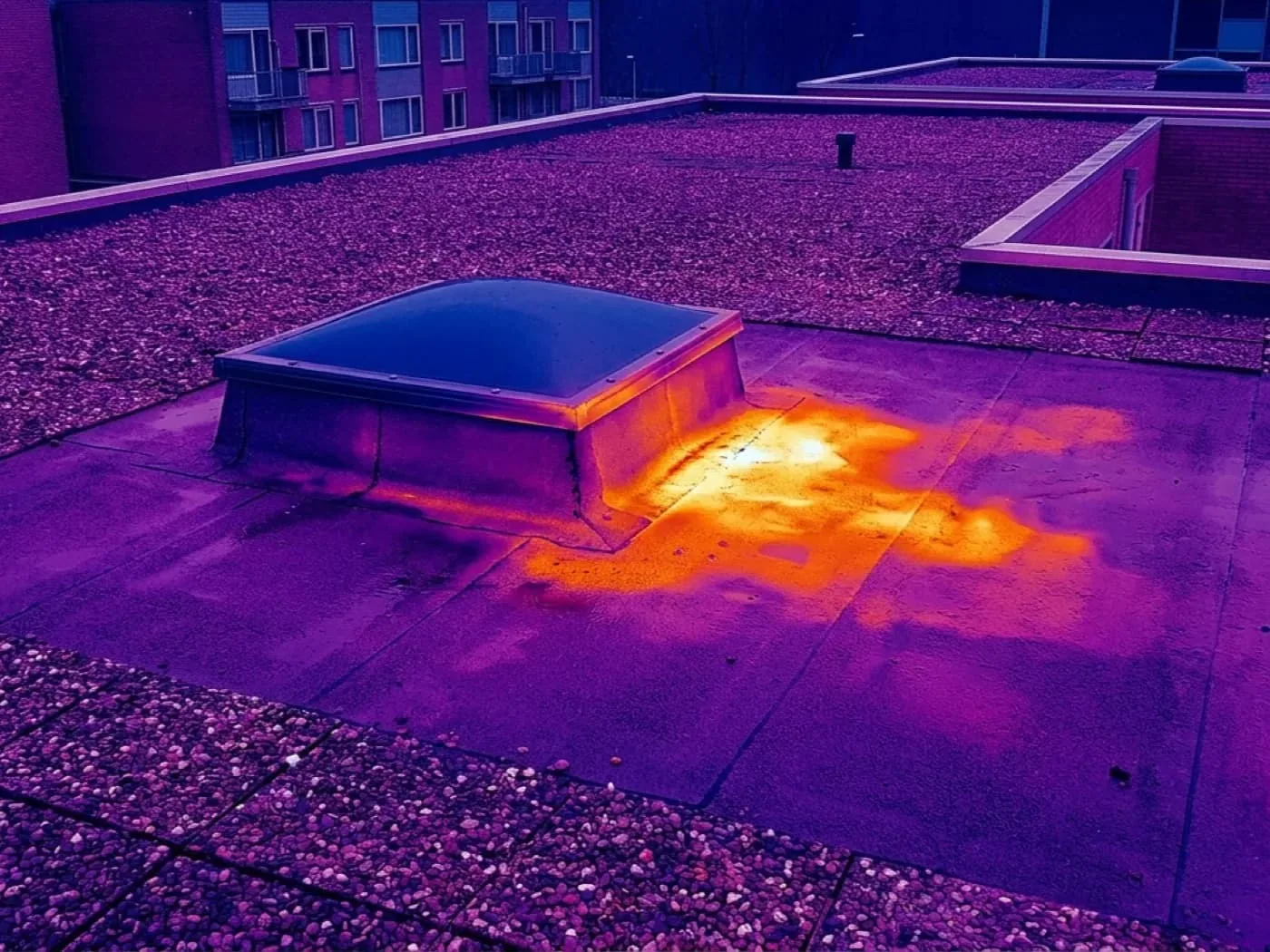
A moisture survey settles most of these arguments with evidence. Infrared scanning and core cuts show where the insulation has taken on water and where it is still dry. If a small share of the roof is wet, a targeted replacement of that area may be the better dollar. If the wet area is large or spread across several sections, patching it turns into a recurring expense. The infrared moisture survey gives the asset manager a map to rank sections against each other and against the rest of the portfolio.
What does Temple heat do to a roof that is already tired?
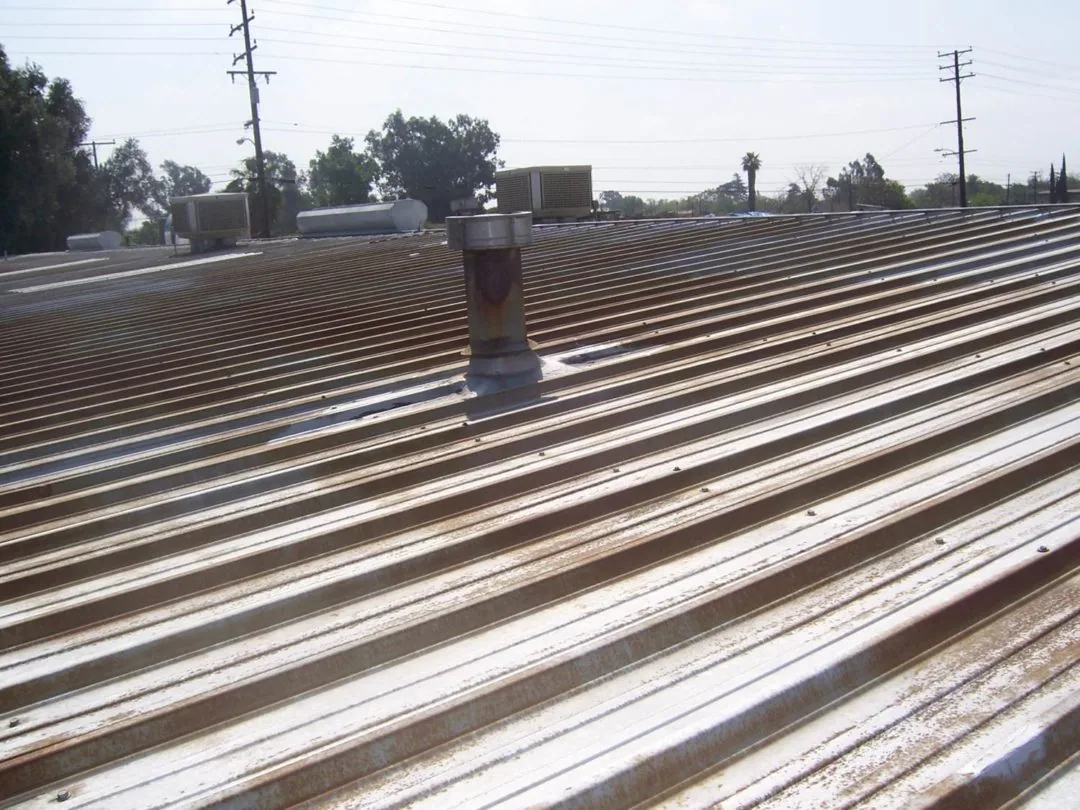
Temple's 1991 to 2020 normals put August highs near 95F, with about 80 days a year above 90F. A dark membrane on a flat roof runs far hotter than the air above it, and that surface heat works on seams, flashings and sealants every afternoon. Over years it dries out plasticizers, shrinks membranes away from their terminations and cracks the sealant bead at curbs and parapets.
Those are failure patterns we look for on every tear-off candidate. A membrane that pulls tight at a parapet wall or splits along a lap has told you where the next leak will be. Heat also decides how we schedule the work: hot adhesives and curing times change with the weather, and crews plan the day around the roof surface rather than the clock.
Where do wind and storm exposure change the scope?
The May 22, 2024 tornado in Temple damaged restaurants, shops, banks and strip malls, and the National Weather Service estimated straight-line winds of 80 to 90 mph across the city that evening. Wind attacks the perimeter first. Edge metal lifts, the membrane peels back from the flashing, and the roof loses its seal at the corners. When we replace a roof, we price the perimeter as its own item: edge metal, attachment pattern, and the termination bars that hold the membrane to the wall.
On a building near Loop 363 or I-35, as anywhere in a city that took 80 to 90 mph straight-line winds, perimeter work deserves its own line in the estimate. We show that number on the first walk rather than discovering it in the middle of the tear-off. Repairs after a wind-damaged roof secure the edge first, and the replacement spec is where that lesson turns into lasting detail.
How do we choose the replacement system?
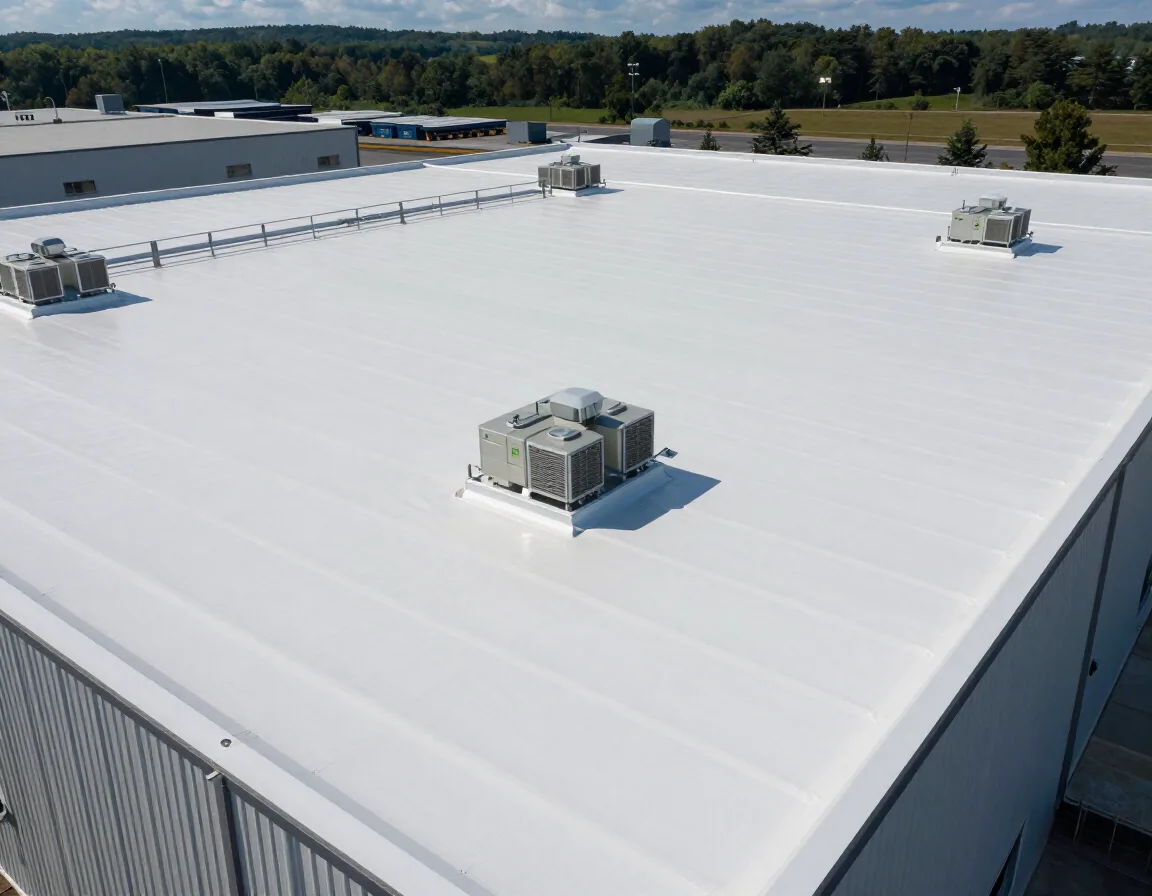
System choice follows the building, not a favorite product. A distribution building with a large clean field and few penetrations suits a single-ply membrane such as TPO roofing, which reflects heat and installs quickly. A roof crowded with rooftop units, curbs and drains may do better with a heavier assembly like modified bitumen, where detail work around equipment is more forgiving.
We also look at what is under the membrane. If the insulation is wet, it comes out. If the deck is rusted or rotted, it is repaired before anything goes on top. A cover board is added where foot traffic or equipment service wears on the membrane. The point of the replacement spec is to remove every known cause of the old failure, not just to cover it with something new.
What about tenants, access and the schedule?
Most buildings stay open during a reroof. That means staging areas that avoid loading docks, crane picks timed away from peak deliveries, and a plan for noise, dust and odors that tenants can live with. Healthcare buildings in the Temple Medical and Education District have different sensitivities than distribution buildings in the Rail Park at Central Pointe, and the schedule should reflect.
We break large roofs into zones and finish each zone with a watertight tie-in before leaving it for the day. Weather is the other variable. A forecast of storms or high wind means the crew closes the open area first and works to a hold point, so no section is left exposed overnight.
What should the owner expect to decide?
Replacement involves four decisions for the asset manager. The first is scope: full tear-off, partial replacement, or a roof recover where the existing roof allows it. The second is system and warranty path. The third is schedule and access. The fourth is funding timing, because the right month for the work and the right month for the budget are not always the same month.
We lay those four decisions out in a written scope with photos from the inspection, the moisture findings and a line-item breakdown of the perimeter, drains and penetrations. If the building belongs to a multi-site owner, the same findings can be folded into a roof capital plan so replacement dates across the portfolio stop colliding.
Commercial Roofing Questions
How long does a typical tear-off and replacement take?
Duration is set by roof area, access, weather and how many zones can be open at once. A small retail roof may close out in days. A large distribution building runs in weeks, with each section sealed before the crew leaves it. We give a schedule with hold points once the inspection and the staging plan are done.
Can a roof with wet insulation be saved without a full replacement?
Sometimes, when the wet area is small and the membrane around it is sound. A moisture map shows the boundaries, and we cut out the wet material and rebuild that area. When the wet insulation covers a large share of a section, the membrane above it is usually near the end of its life too, and a partial fix just moves the problem.
What do wind events mean for the replacement specification?
They raise the priority of the perimeter and corners, where uplift pressure concentrates. After the May 2024 tornado and its straight-line winds across Temple, owners have good reason to ask about edge metal, fastener spacing and attachment at the walls. We write those details into the scope rather than leaving them to the crew.
Will a replacement create a new warranty, and who holds it?
The manufacturer of the chosen system issues the warranty, and its terms depend on the system and the installation details. We document the install with photos and keep the paperwork organized so the owner has a clean record when a claim or sale makes it relevant.
How does the process change for a building with several tenants?
Tenant coordination moves to the front of the plan. We identify sensitive spaces, schedule noisy work away from them, protect interior finishes where needed and give property management a daily update on which zone is open. A single contact on our side handles access questions as they come up.