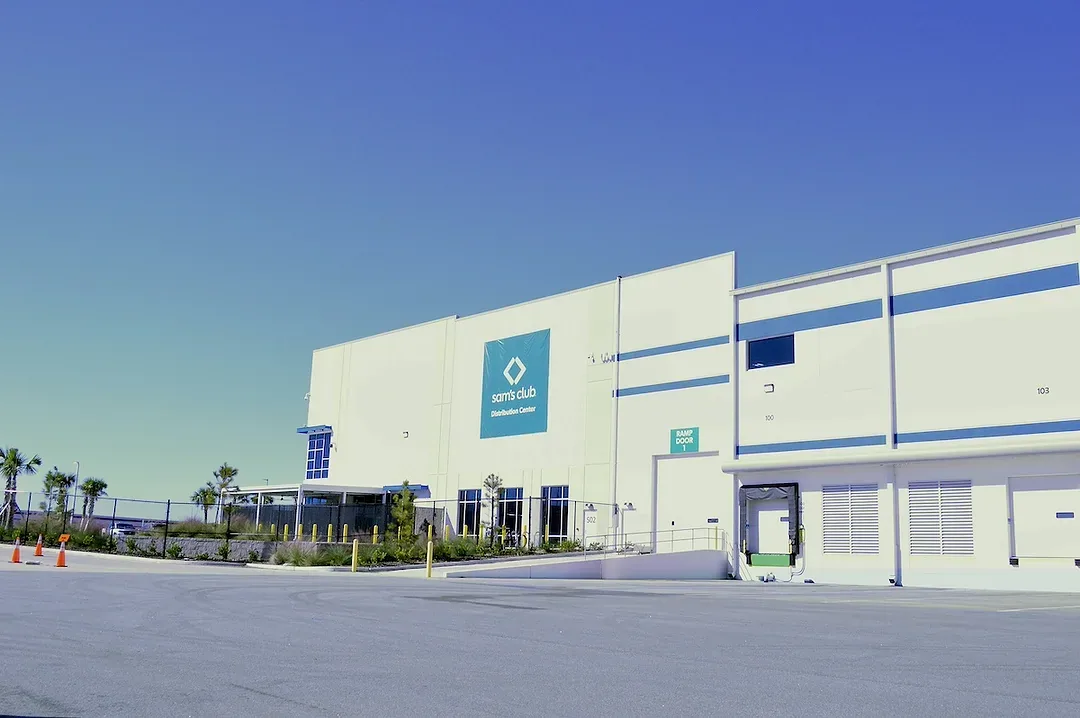
Warehouse Roofing
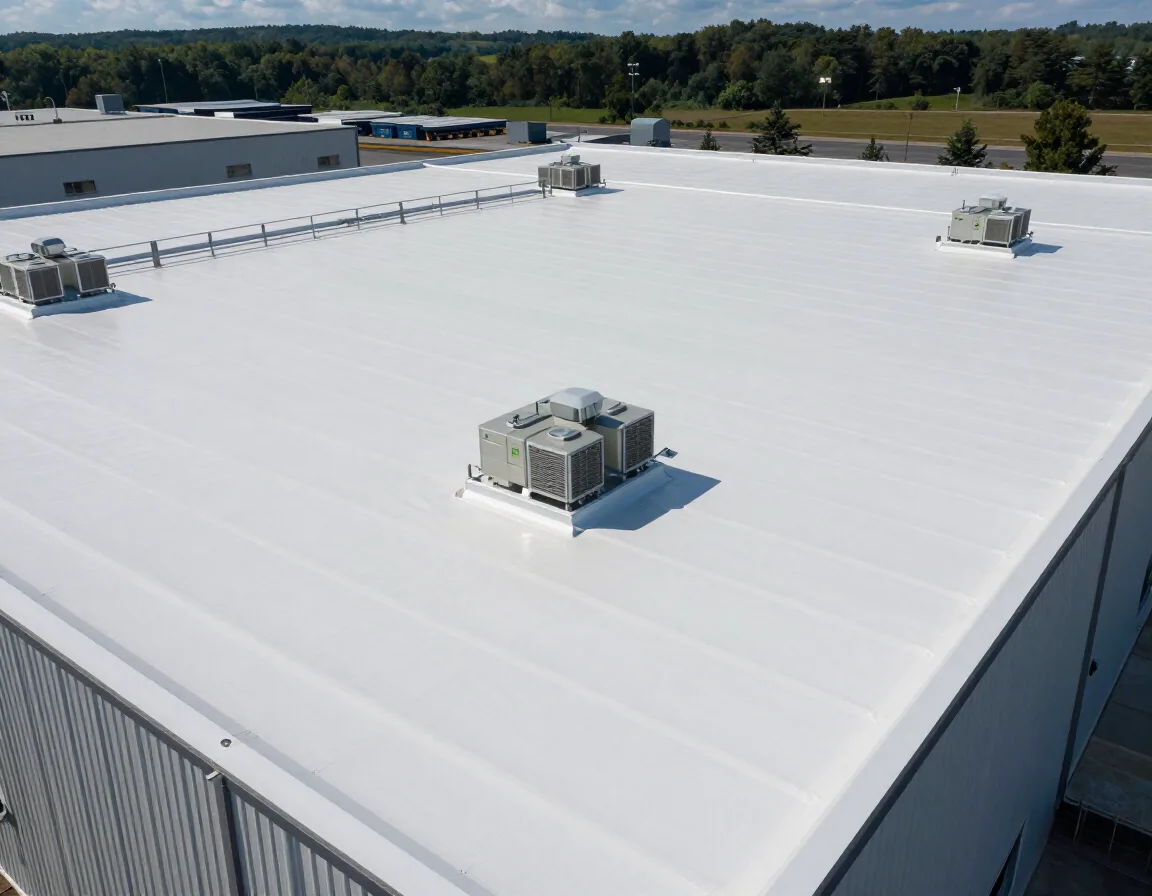
A leak over racked inventory is the failure a warehouse owner cannot wait on, and the first decision in the first hour is who moves the product and who gets on the roof. Water that enters at a seam or a curb falls onto pallets, shrink-wrap, electrical gear and the sprinkler system, and the loss compounds each hour the roof stays open. In Temple, TX, a city on Interstate 35 with two mainline railroads, the people on that call are usually asset managers and operations leads with more than one building to look after.
We separate the hour into three steps: make the roof safe, record what failed and decide what the permanent scope will be.
What fails first on a warehouse roof?
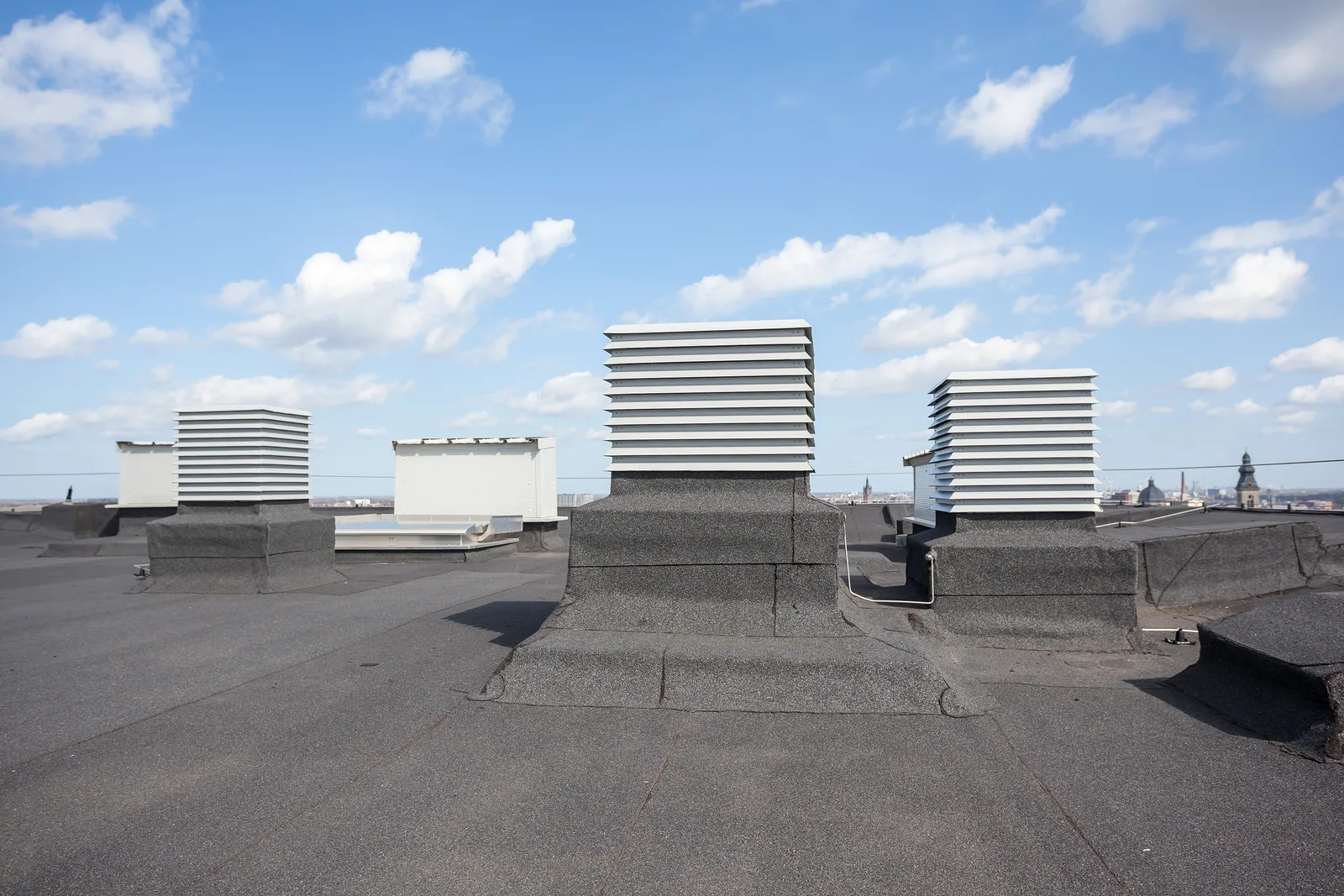
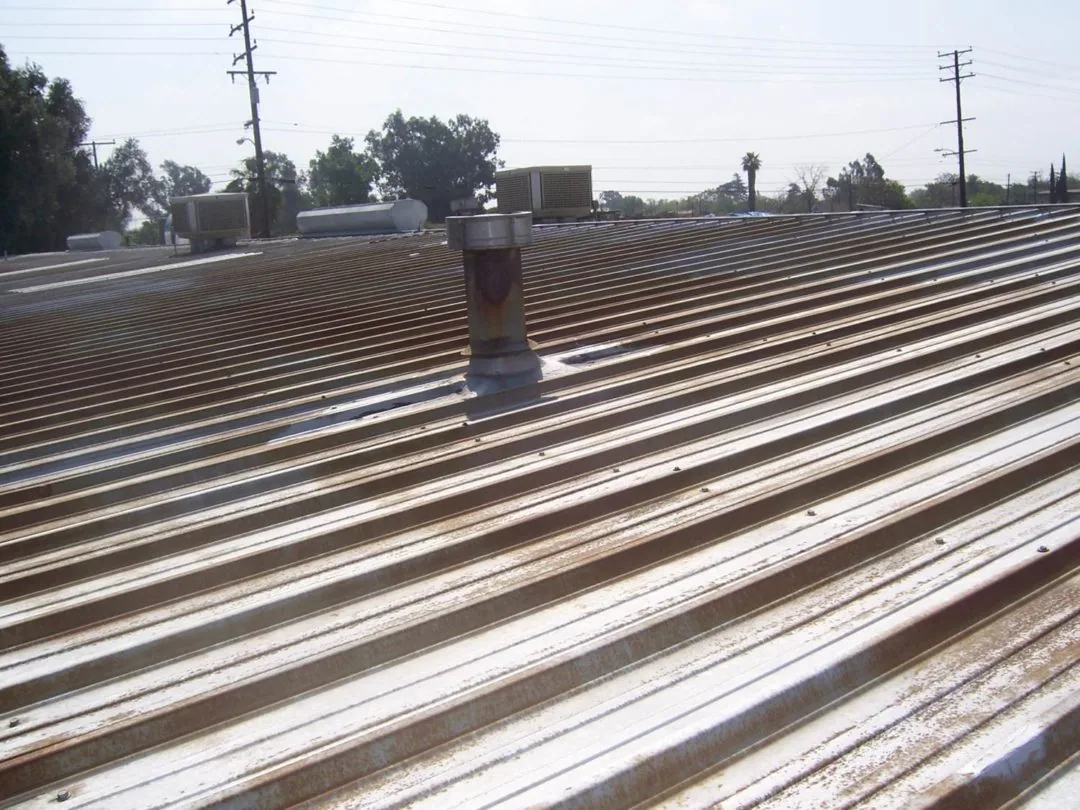
Drains, curbs and dock edges. A large flat roof sheds water to a few interior drains, and a clogged strainer turns the roof into a pond. Rooftop units, skylights and exhaust fans each sit on a curb that is flashed by hand, and a cracked bead of sealant lets water in. The edge above a dock door carries wind uplift and the traffic of loading equipment below, so coping and edge metal loosen there first.
The roof's size hides the problem. A leak can travel under the membrane for many feet before it shows up on the ceiling, so the stain on the floor tells little about where water enters. We start at the drains, then the curbs, then the seams, and we number every defect on the roof plan. Skylights, if the building has them, are the third suspect, since a cracked dome or a failed curb gasket drips straight onto the aisle below.
What does the make-safe step involve?
It covers the opening and keeps water off the stock. That can be a tarp tied down to the structure, a temporary patch bonded to dry membrane or a dry-in of a wider area with sheet goods. The crew photographs the opening before covering it, because the photograph is the record of what failed. Product below is moved or covered by the tenant's staff while the roof crew works above.
Hot work is separate. A warehouse full of combustible packaging is not a place for an open flame, and any torch work needs a permit, a fire watch and the insurer's approval. Where a cold-applied or heat-welded repair serves, we use it. The make-safe cost and the permanent scope are written as two documents, so the first does not get buried inside the second. A named person on the tenant's side confirms when the product is clear, and a named person on ours confirms when the cover is on. Both times go into the record.
What does the intake record capture?
The record has the roof plan, numbered defects with photographs, the drain log, the curb and penetration list, the membrane type and condition and any prior repairs. It adds the operating context: where racking sits under which roof section, where sprinklers and electrical panels run and which docks are busiest. That context turns a list of defects into a ranked list of risks.
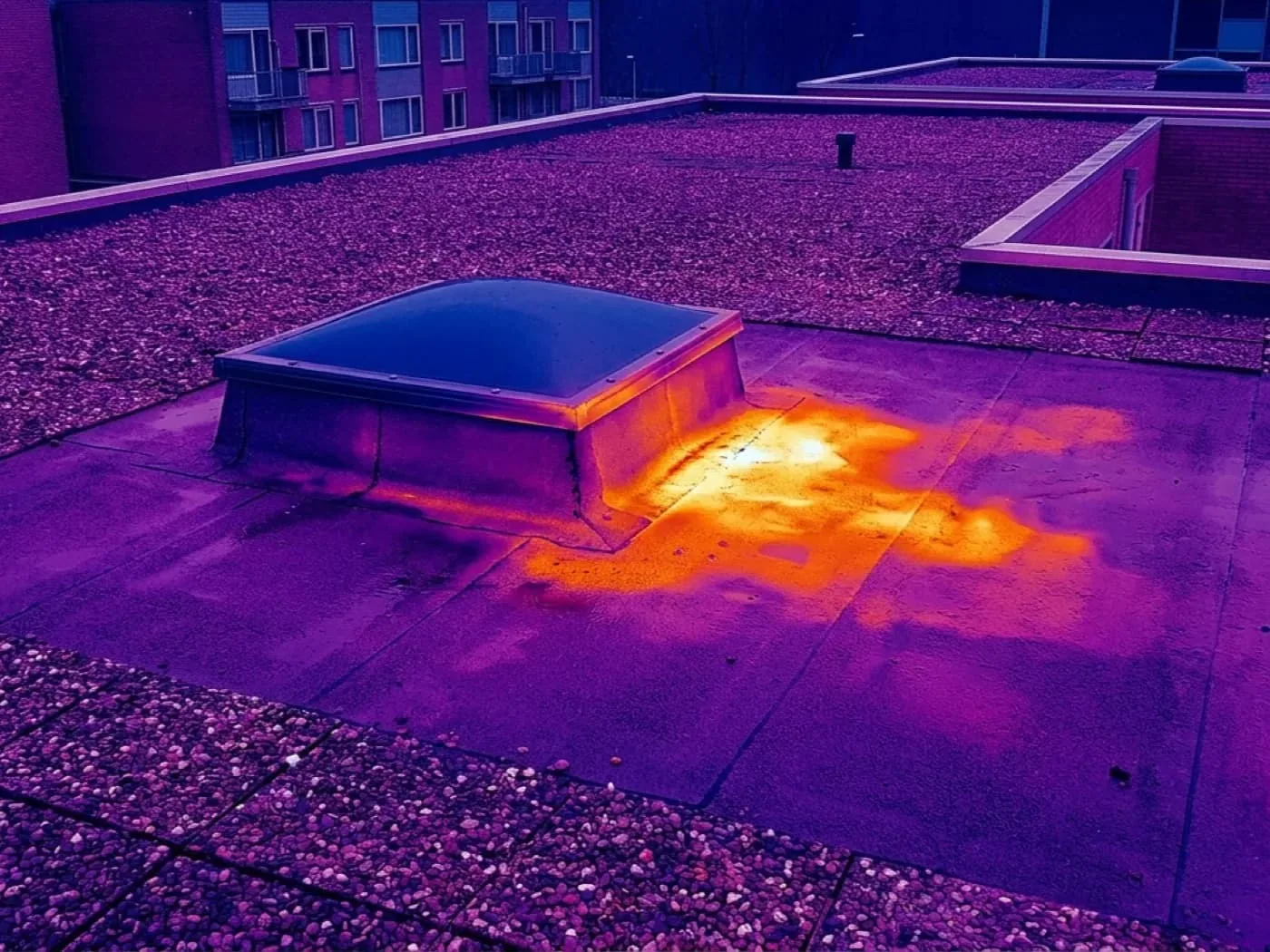
An infrared moisture survey, confirmed with core cuts, adds the wet insulation map. The roof's age matters less than what the survey shows. Many warehouse roofs carry a membrane such as TPO or EPDM, and the record states which one is up there. Prior repairs are mapped as well, since a cluster of patches in one area usually points to a drain, a curb or a seam that was never fixed at its cause.
What does high wind do to a warehouse roof?
The National Weather Service rated the May 22, 2024 storm EF-2, with peak winds near 120 mph and 30 people injured, and counted damage to restaurants, shops, banks and strip malls. Across town it put straight-line winds somewhere between 80 and 90 mph. A warehouse has long walls, wide edges and dock canopies that catch the wind, and a roof edge that lifts exposes the insulation to rain.
After such an event we walk the perimeter first, looking for lifted coping, displaced edge metal and torn membrane, then the field and the rooftop equipment. Findings go onto the plan with the date. A wind damage roof repair is scoped from that record, and the holding repair that closes the openings is priced on its own.
How does Temple's logistics base shape the work?
Temple is home to a long list of logistics operators, and McLane Company runs more than 80 distribution centers from its Temple headquarters. BNSF Railway employs 1,500 in the city, and a BNSF yard and locomotive maintenance facility sit here. That base means warehouses in Temple work to dock schedules and rail deliveries, and a roof job has to fit them.
We set the dispatch window by receiving and shipping. Crane picks avoid dock aprons, material is staged away from truck courts and noisy work is placed in the quietest hours. The plan names the person who clears the access and the person who takes the call if the schedule slips. A distribution center roof adds conveyor lines and a busier dock face, and a flex industrial roof adds office space under part of the same membrane.
What does a holding repair buy on a warehouse?
A defined period of dry stock. It can be a re-flashed curb, a new drain, a re-welded seam or a patch on a punctured membrane, with the date it should be reviewed and the conditions that would end it. A repair over wet insulation is labeled a bridge.
The decision left for the asset manager is whether to replace, recover or restore. The record shows the survey results, the number of earlier repairs and the cost of each path, so the decision is made with evidence. The record also lists items that cannot be repaired from the roof, such as a leaking sprinkler riser or a failed wall flashing that is the building envelope's job, so the owner knows who needs to act on each.
How does the portfolio ranking treat warehouses?
Roofs rank by what a failure would cost: stock at risk, downtime, tenant obligations and repair history. A warehouse with active leaks over racking is first. A warehouse in the Temple Industrial Park or near the Rail Park at Central Pointe with a sound roof and a dated maintenance plan is lower. The report ends with the next decision and its date.
Commercial Roofing Questions
How quickly can water damage inventory after a roof opens?
Within minutes in a heavy rain, since water falls straight onto stock and electrical gear. That is why the make-safe step and the product-protection step run at the same time.
Should a warehouse roof be recovered or replaced?
Core cuts and the moisture survey answer it. Dry insulation and a sound deck allow a recover, while saturated insulation means the wet areas have to come out.
Can roof work continue while the warehouse operates?
Yes, in sections, with dock traffic, forklifts and sprinklers respected. The plan sets crane picks, staging areas and quiet-hour work so shipping continues.
What documentation helps an insurer after storm damage?
Dated photographs from marked positions, the numbered roof plan and the log of the cover-up work. Together they record which parts lifted, which were secured and what is still open.
Why does a leak show up far from where water enters?
Water travels along the deck and under the membrane before it finds a way down. The moisture survey and core cuts trace the path, so the repair goes to the entry point.