Flex and Light-Industrial Roofing
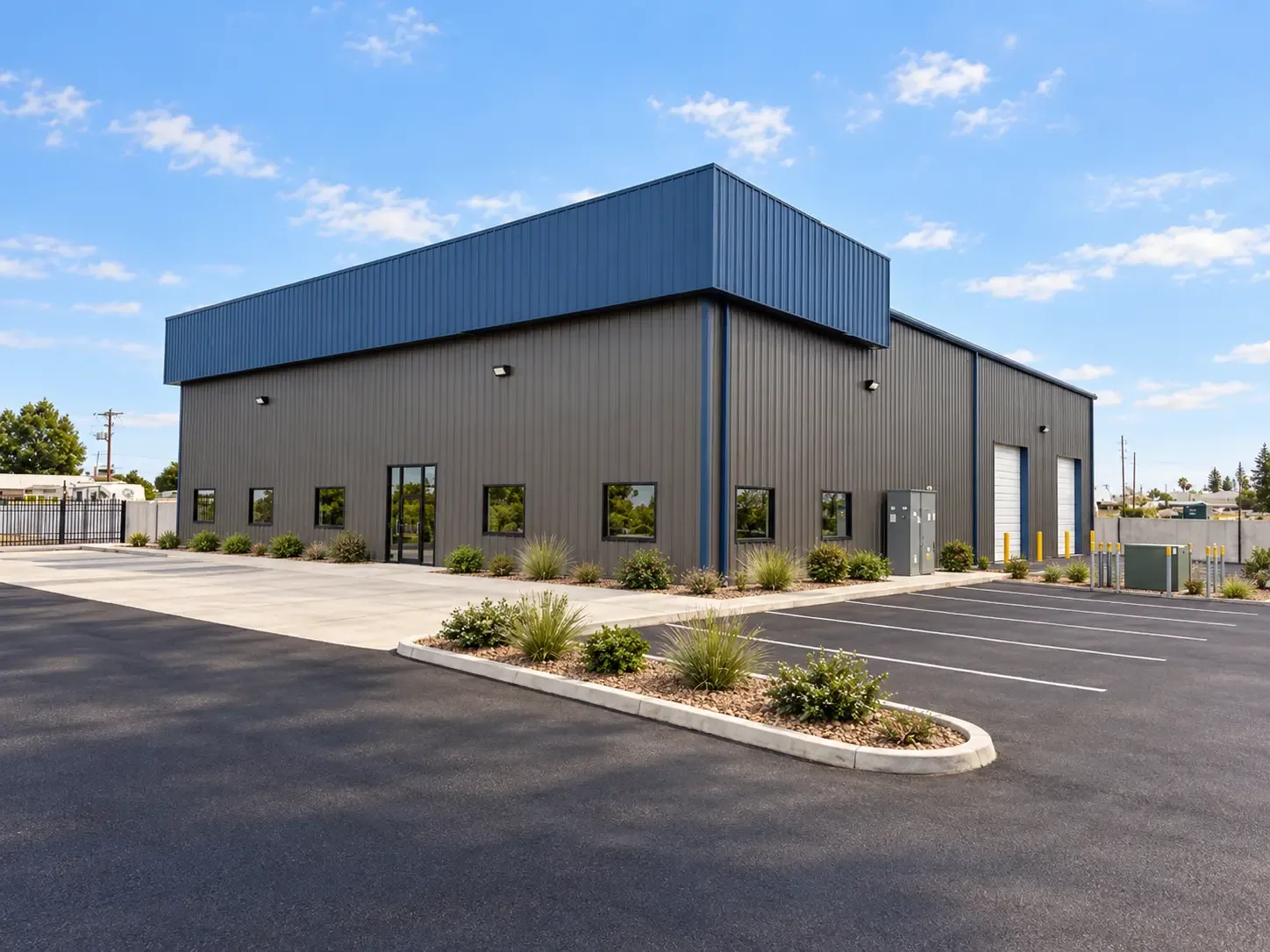
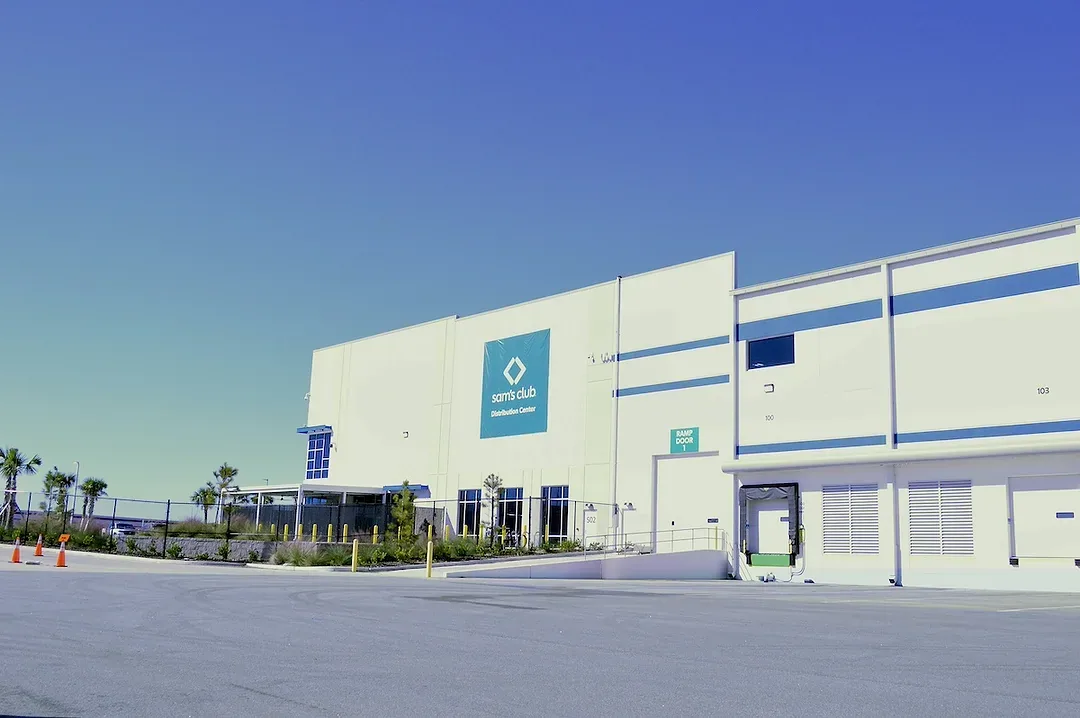
A tenant's office ceiling is stained, the warehouse side is dry, and the landlord has to decide in the first hour whether it is one roof problem or two. Flex buildings are built that way: an office or showroom front, a warehouse or light-industrial back, and a roof that changes character somewhere in the middle. In Temple, TX, where industrial parks and rail-served sites are part of the building stock, the question that opens the roof record is simple. Which section failed, and which tenants share the exposure?
What fails first on a flex building roof?
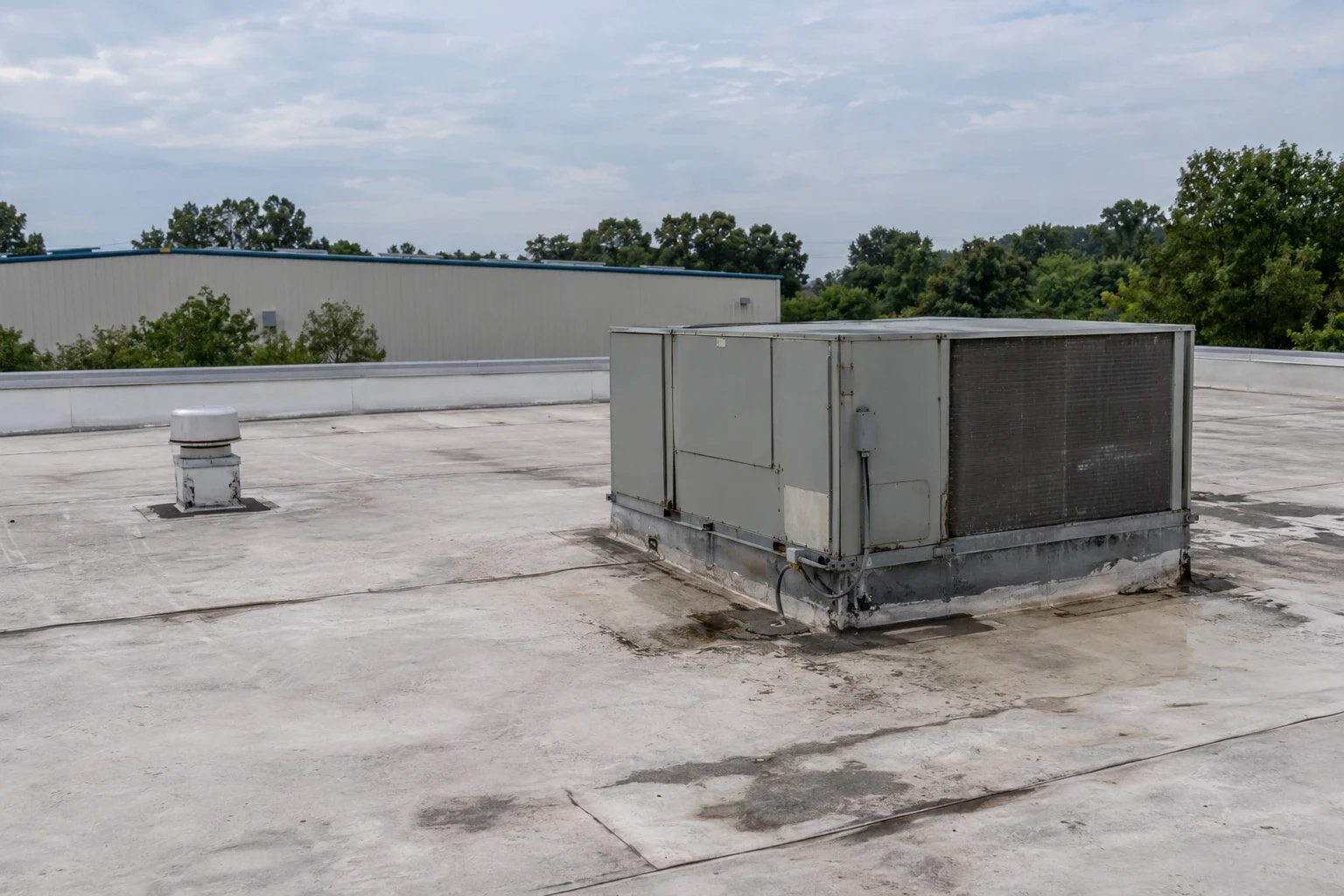
The transition between the office roof and the warehouse roof, and the demising walls between tenant bays. Flex buildings often have a lower office section tied into a taller warehouse wall, with a flashing at the junction that has to handle movement between two different structures. Rooftop units serve individual tenants, each with a curb, and the drains serve a roof that was drawn for the building as a whole.
The first walk takes each tenant bay as its own roof. We photograph the transitions, probe flashings and sealants, count drains, and match rooftop units to the bays they serve. Seams and sealants wear from May on in a Temple summer, when August afternoons reach about 95F and some 80 days a year pass 90F, so inspections are set before and after the hot months. A leak that appears in one tenant's office is traced to the roof section above it, which is often one bay over.
Drains deserve a separate pass. A flex roof is often drawn with a few interior drains for a large area, and a single blocked outlet floods a whole section. We log each drain, test it with a hose, and measure standing water nearby. Overflow scuppers at the parapet are checked for height and clear openings, because they are the roof's second line when the main drain fails. Any bay with a history of ponding is marked for a drainage correction before the next season.
What is the make-safe step for a leaking bay?
The crew works from the roof and does not enter tenant space. A sealed patch or temporary dry-in stops the water, while the tenant looks after the interior by moving stock, covering equipment, and documenting the damage. Before covering the opening we photograph it, note the bay and suite number below, and list the materials.
The intake record is shared with the landlord, the property manager, and, if needed, the tenant. A holding repair carries a date and a plain note of what it covers, and it is labeled temporary. The permanent scope follows after the survey. In a multi-tenant building the decision often involves a lease question about who pays, and the record separates the facts from that discussion.
How are wet roofs found on large warehouse sections?
No one can core every square foot of a big roof, so the survey carries the weight. An infrared scan on a clear evening reads the full surface in one pass, and core cuts at suspicious areas confirm the findings. The result is a moisture map that sizes a repair to the wet area. The map is dated and filed with bay and suite numbers.
For the office section, the survey includes a check of the ceiling space below where access allows, because office roofs often have more penetrations per square foot than warehouse roofs. A small wet area is cut out and replaced. A widespread one points toward a larger scope. A later survey shows whether the boundary has moved after repair. For a landlord, that dated comparison is the cheapest evidence there is that a repair worked or did not, and it settles questions with tenants about whether a leak was fixed.
What do Temple's industrial parks mean for roof planning?
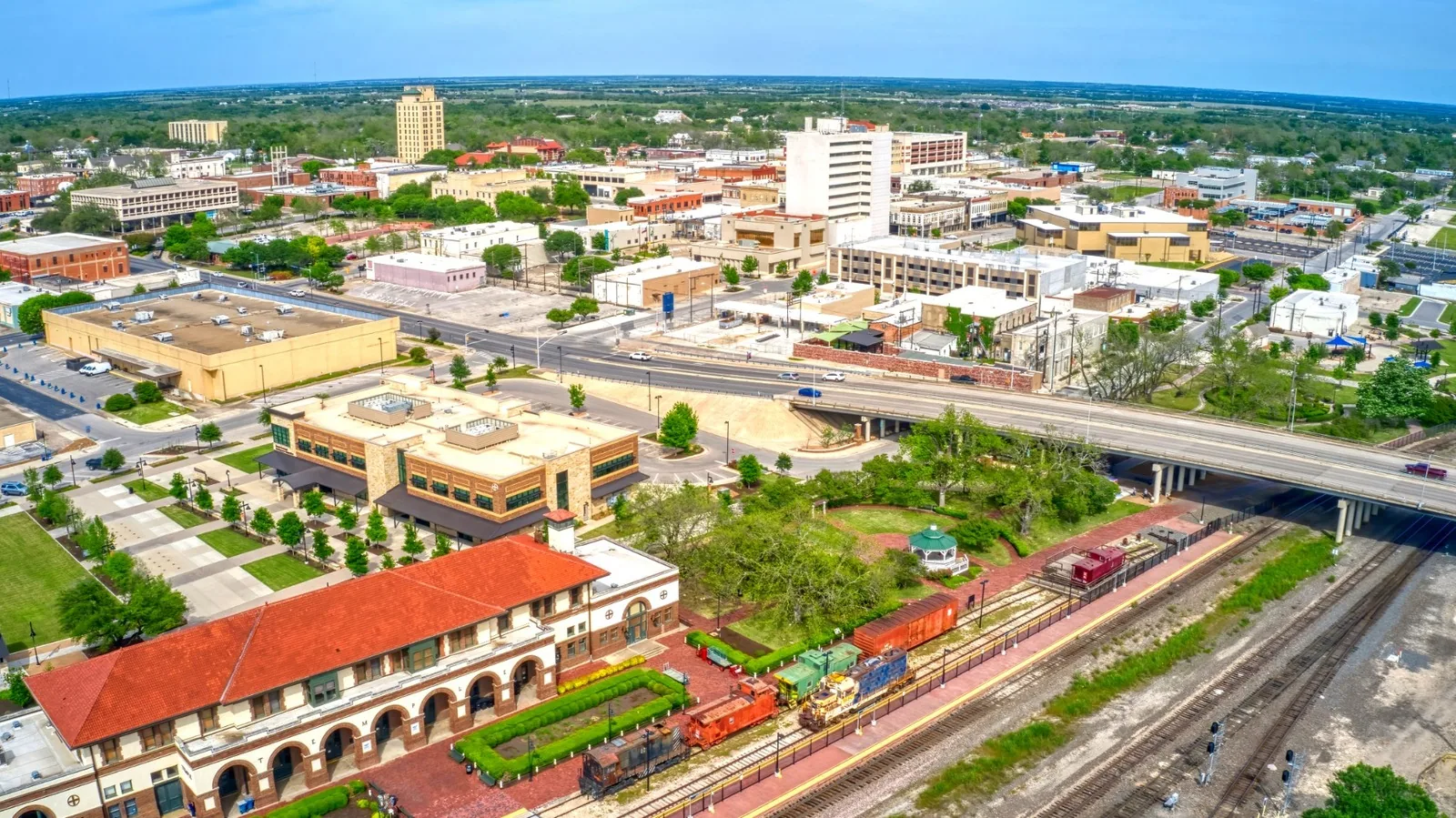
Temple EDC set out to buy 147 acres in the Temple Industrial Park at the southwest corner of Moores Mill and Wendland roads, a site described as supplied with roads, water, sewer, and railroad line access. The Railhead of Central Pointe is a 168-acre industrial distribution development with rail spurs completed, and its developers offer design-build and build-to-suit options. In Belton, the Belton Business Park includes speculative industrial buildings built for sale or lease, with plans reviewed against covenants that include masonry construction.
For a roofer, parks like these are a reason to keep one rating sheet for many buildings. A flex building in the Temple Industrial Park, the Rail Park at Central Pointe, or the Belton Business Park is walked on the same sheet.
What does the 2024 storm record mean for flex buildings?
On May 22, 2024 the National Weather Service tracked an EF-2 tornado through Temple, with peak winds near 120 mph and damage to restaurants, shops, banks, and strip malls. The weather service also logged an EF-1 tornado that began near Little River-Academy that evening, with gusts estimated at 80 to 90 mph over Temple itself, which matters for the tall wall where the office roof steps down. That is regional context. It is not a finding about any building.
For a flex building the review concentrates on edges, parapets, and rooftop units. The tall warehouse wall and the lower office roof create a step where wind pressure changes, and the flashing at that step is checked for movement. Photographs taken after a storm are lined up against earlier ones to show what shifted. A warehouse section with a large open area gets a close check at its perimeter fasteners.
How does a landlord rank buildings across a park?
A landlord with several flex buildings needs one rating sheet. Membrane and seam condition, transitions, drains, rooftop unit curbs, and moisture feed a single score, and buildings fall into three groups: fix now, watch, or plan to replace. The photographs travel with the ranking. A building with manufacturing tenants shares concerns with a manufacturing plant, and one used for storage and shipping reads like a distribution center.
Plan review for a flex reroof checks the drawings against the International Building Code, and the city's permit office names the edition in force. Cost drivers appear in plain terms in the scope: roof area, penetrations, wet insulation to remove, access, and the hours tenants can accept. Work is phased by bay so one tenant's repair does not shut down the building.
Commercial Roofing Questions
Who decides whether a bay leak is a patch or a bigger scope?
The roof owner, usually the landlord, with input from the property manager. We provide the findings and the cost of each path. A single-cause leak with dry insulation points to a patch. A leak that recurs or wet insulation across several bays points to a larger scope.
Can one tenant's roof section be repaired without disturbing others?
Usually, yes. Work is phased by bay, and the crew stays on the roof. Tenants are notified in advance. Shared drains and demising walls are the exception, since a repair there touches neighbors, and the plan names who is affected.
Why does the office-to-warehouse junction leak so often?
Two structures move differently, and the flashing at their meeting point takes the difference. Heat expands the metal and membrane daily, and sealants age. A well-detailed counterflashing and a regular sealant check slow the damage.
What is a holding repair for a flex building?
A stopgap for one wet spot. The record names the bay, the materials, and the date, and it lists what is still open, so the permanent work can be scoped after the survey is complete.
Do tenants get access to the roof records?
The landlord controls the record and can share it with a tenant. Most records are shared in summary form: photographs of the section above the tenant's space and the planned work. The full file stays with the owner.