Hotel Roofing
A guest calls the front desk at 11 p.m. because the ceiling above the bed is wet, and the night manager has one decision to make before anyone reaches the roof: move the guest or keep the room? That choice, and the dozen that follow it, is the real subject of hotel roofing. A hotel in Temple, TX sells rooms by the night, so every wet ceiling is a lost room, a complaint, and a possible claim, and the roof record has to support a decision made at midnight.
What fails first on a hotel roof?
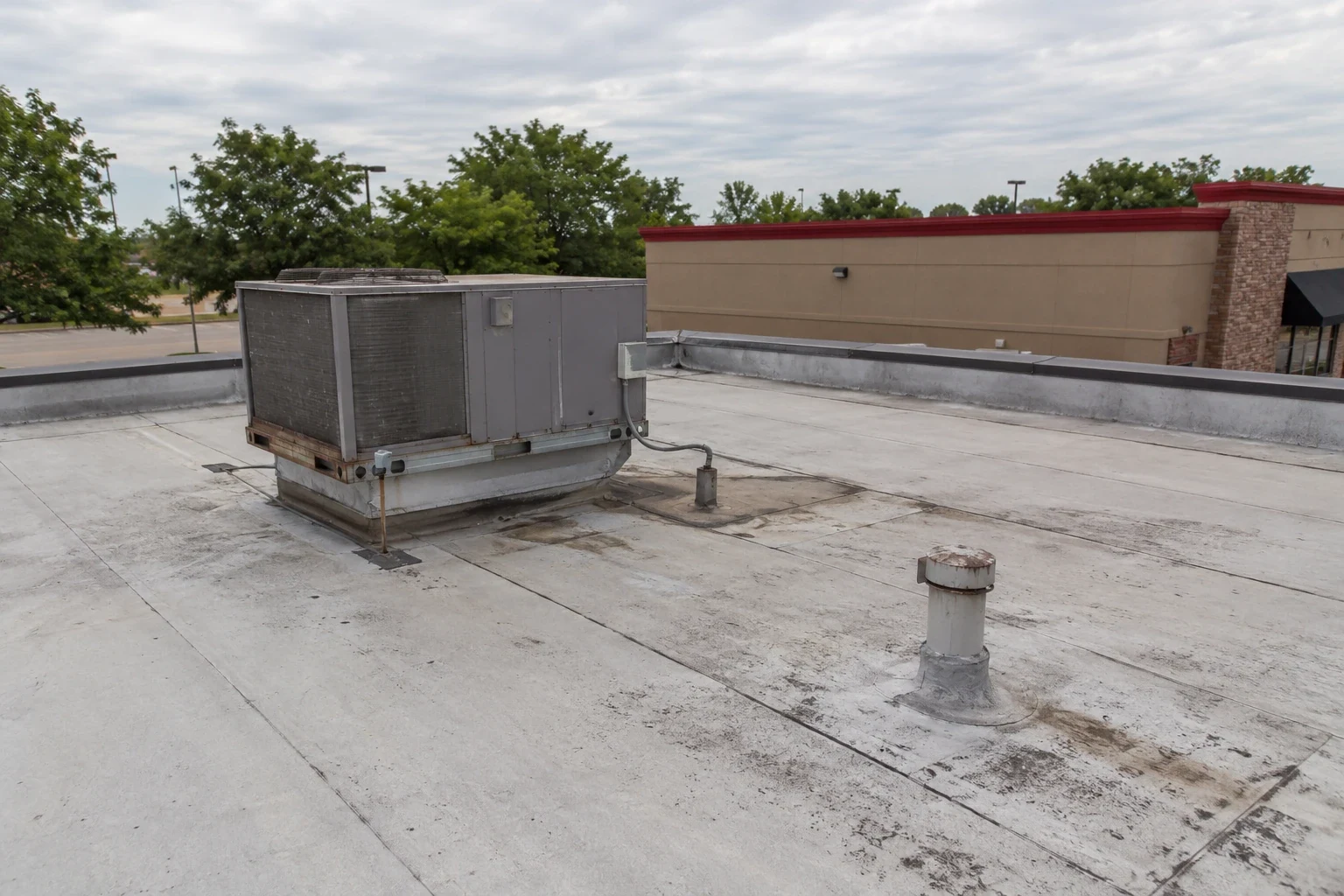
Flashings at the many places where the roof meets something else. A hotel roof has stair towers, lift-shaft housings, pool equipment rooms, rooftop units on a podium, and often a mix of low-slope and steeper roof areas. Each of those is a junction where movement and heat open a gap. Drains on the flat sections are the second failure point, since a pond over a guest floor is a stain waiting to happen.
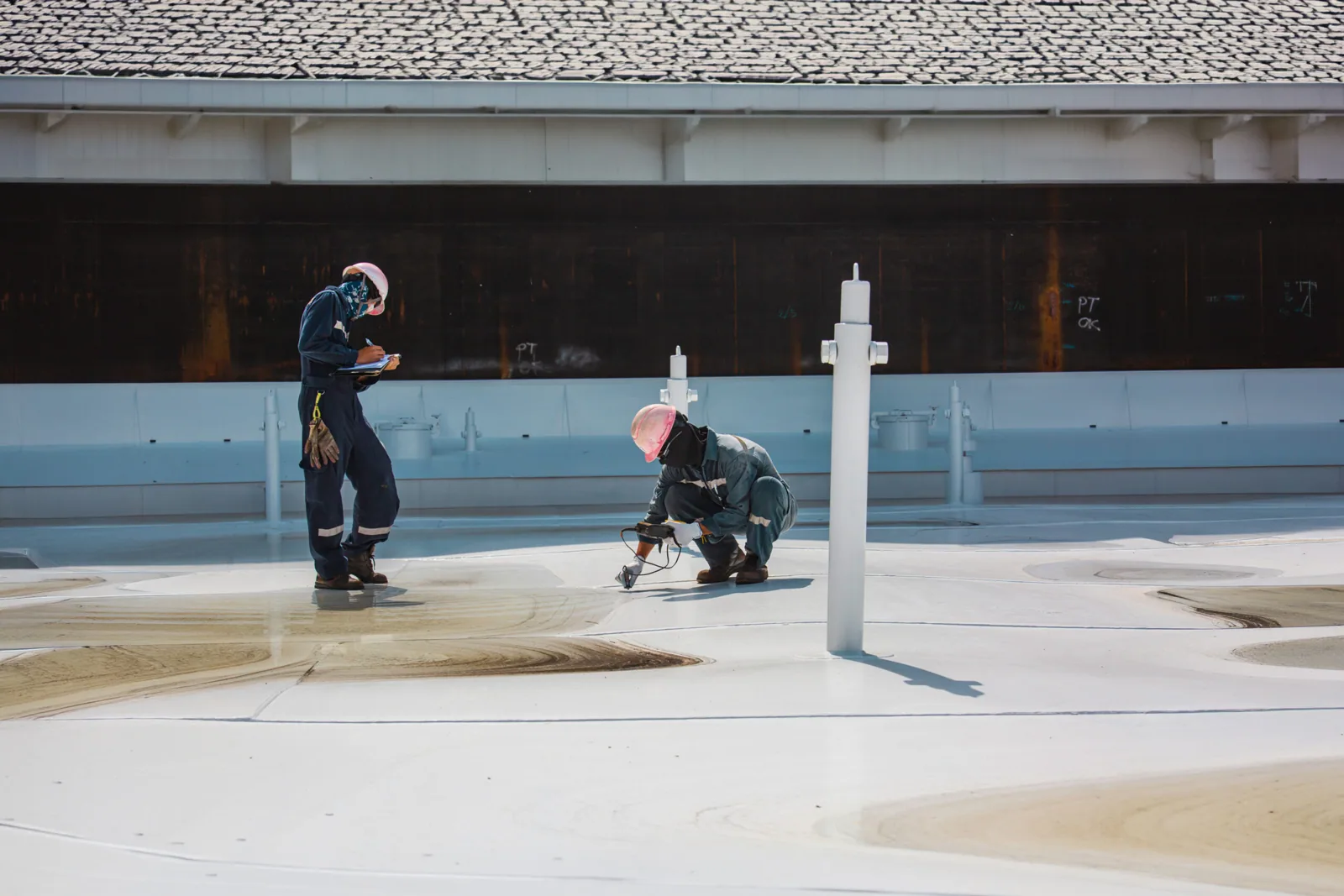
The first visit treats each roof section as a separate roof. We photograph seams and flashings, count drains, probe sealants, and match the room numbers below to the roof sections above them. Temple's long summer, with roughly 80 days a year over 90F and August highs close to 95F, stresses sealants and single-ply seams from May, so inspections come before and after the hot months. A record tied to room numbers lets the front desk know which rooms to hold when rain is forecast.
What is the make-safe step over a guest room?
The roof crew stops the water; the hotel handles the room. The roof crew puts a temporary dry-in or sealed patch over the opening from above and never enters the building. The hotel moves the guest and places barriers. The opening is photographed before it is covered, and the room or corridor below is recorded so the intake file can be matched to the interior damage report.
That record supports the hotel's claim file if there is one, and it supports the permanent scope. The holding repair is labeled as temporary, with the date, the materials, and a plain statement of what it leaves open. The permanent decision comes after the survey, and it belongs to the asset manager, not to the night shift. Until then, the front desk has a one-line status for each affected room: dry-in in place, monitoring after next rain, or cleared for sale.
How are wet ceilings traced to wet insulation?
A stain in a room is where the water came out, not where it came in. Water can travel along the deck for a long distance before it finds a gap. An infrared survey on a clear evening maps the warm, wet areas of the roof, and core cuts confirm them. The map ties the interior stain to the roof source, so the repair goes where the water enters.
The map is dated and filed with the room numbers affected, and a second survey after the repair confirms that the boundary held. If a ceiling in a guest room has already been replaced, the filed photographs show whether new staining is old water or new. If the survey shows limited wet insulation, the repair is cut out and patched. If moisture is widespread, the record supports a larger scope. Insurance claim documentation uses the same map, which is one reason hotels should survey before the claim, not after.
How does the 2024 storm record shape a hotel roof review?
Parapets and rooftop signage on a hotel meet the same winds that the National Weather Service recorded on May 22, 2024, when an EF-2 tornado reached peak winds near 120 mph in Temple and damaged restaurants, shops, banks, and strip malls. That evening a separate EF-1 tornado formed near Little River-Academy, and wind estimates in Temple ran 80 to 90 mph in straight lines. This is inspection context and says nothing about any single hotel.
On a hotel roof the review covers the perimeter, the rooftop equipment, and any signage or screen walls on the roof. Parapet caps and edge metal are tested for movement. Pool and mechanical equipment covers are checked for latches. Once a wind event has passed, photographs from the walk are set against earlier ones to show what moved. Temple has Interstate 35 running directly through it, and a hotel along that frontage is seen by a lot of traffic, which makes loose edge metal a visible problem as well as a roofing one.
What about older and historic hotel buildings?
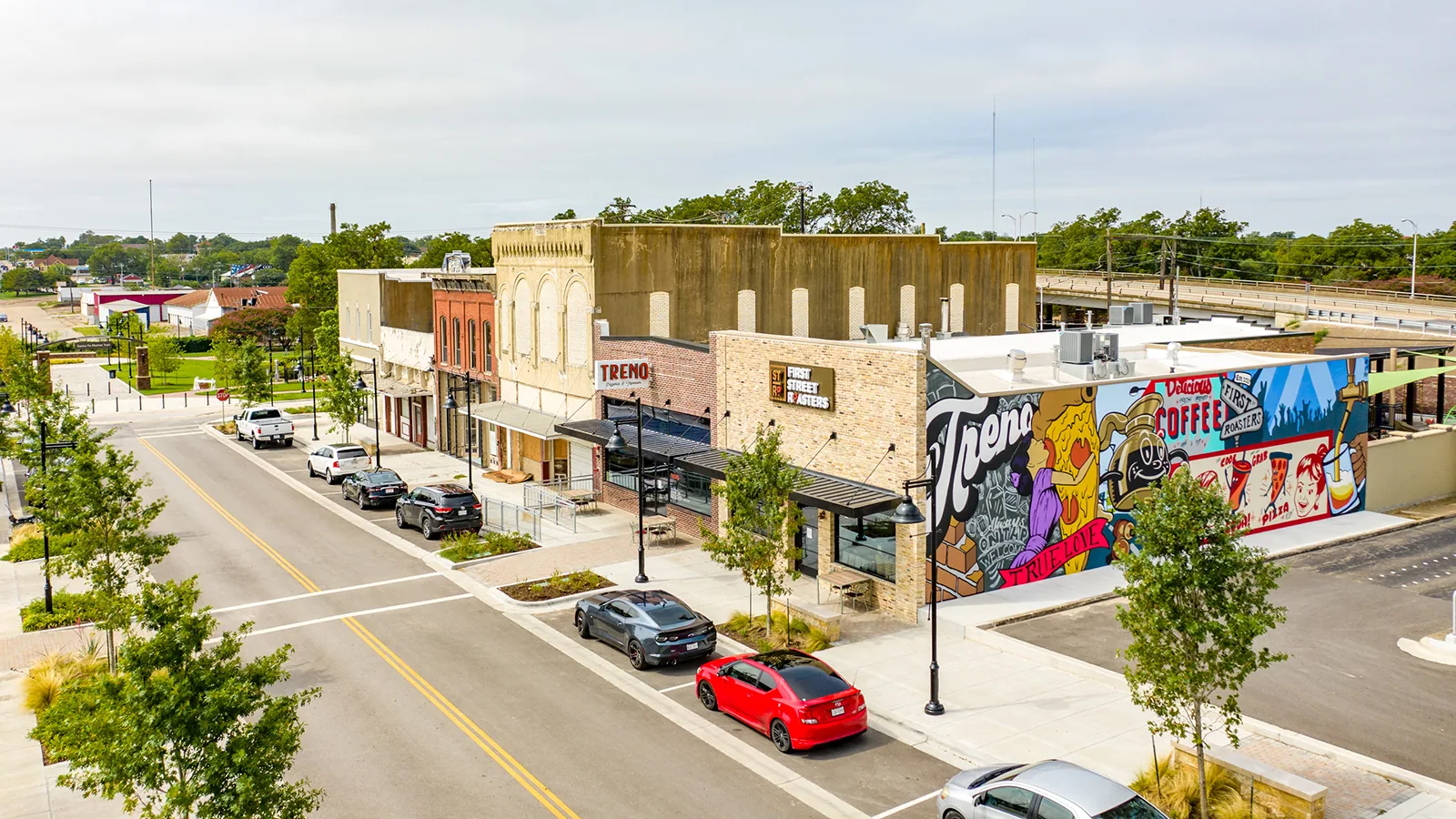
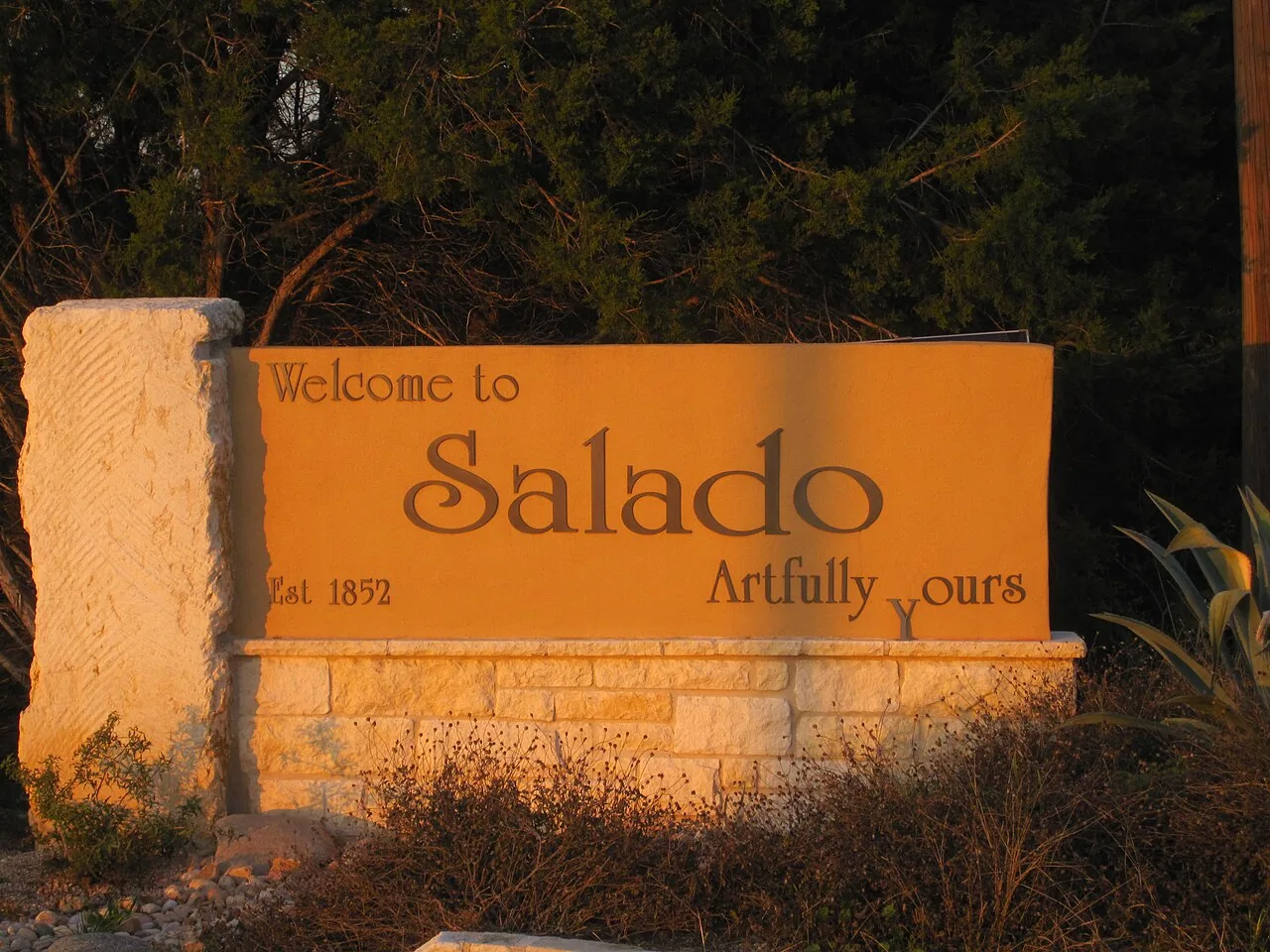
The City Center project in downtown Temple takes in the historic Hawn Hotel, Arcadia Theater, and Sears Building, about 85,000 square feet of historic space being redeveloped as residential and retail. Salado adds its own history: the Stagecoach Inn is described as the oldest continuously operating hotel in Texas, and nineteen locations in the village appear on the National Register of Historic Places.
An older hotel building calls for a closer look at the roof assembly. Core cuts show the layers, the deck condition, and any past patches. Parapet masonry is probed for loose mortar. Where a building is protected, the scope respects its character and the owner's approvals. The same review applies to an older commercial building in downtown Temple or in Salado.
How does a hospitality group rank its hotels?
A group with several properties needs a common record. Each roof section is scored on membrane and seam condition, flashings, drains, and moisture, and the hotels are then grouped as fix now, watch, or plan to replace. The ranking is the budget tool for hospitality groups, and the photographs travel with it.
Reroofing an occupied hotel is phased by wing or floor, with rooms held out of inventory only below the work area. Noisy tasks are timed for check-out hours. Guest lifts, entrances, and pool decks stay clear. The scope lists cost drivers plainly: roof area, penetrations, wet insulation to remove, access, and hours. Permits and plan review follow the International Building Code through the city's building department. A hotel with an attached restaurant or apartment-style wing gets a combined plan.
Commercial Roofing Questions
Which rooms should a hotel hold when rain is forecast?
Rooms under roof sections with known weak points: past leaks, ponding, or aging flashings. A record that ties room numbers to roof sections makes that list quick to produce. It also helps the front desk answer a guest complaint with a fact.
Can a hotel reroof without closing?
Often, in phases. Sections of roof are opened and closed within the day, and rooms beneath the work area are held out of inventory. Noisy tasks happen during check-out hours, and entrances, guest lifts, and pool decks stay clear. The plan names who is responsible for what.
What does a holding repair do for a hotel room?
It closes one opening and nothing beyond it. The file lists the room or corridor beneath, the materials, and the date, and that keeps the room sellable until the permanent scope is approved and scheduled.
Is a hotel roof leak an insurance matter?
Sometimes. The intake record, photographs, and moisture map support a claim, and the insurer decides coverage. We document the roof and the damage and do not speak for the insurer. A hotel with a baseline record from before the event has a stronger file.
How do older buildings change the approach?
They need more investigation before any scope. Core cuts show the layers and deck condition, and masonry is probed for loose mortar. If the building is historic, approvals and character rules can shape the materials and details, and the scope reflects them.