Salado
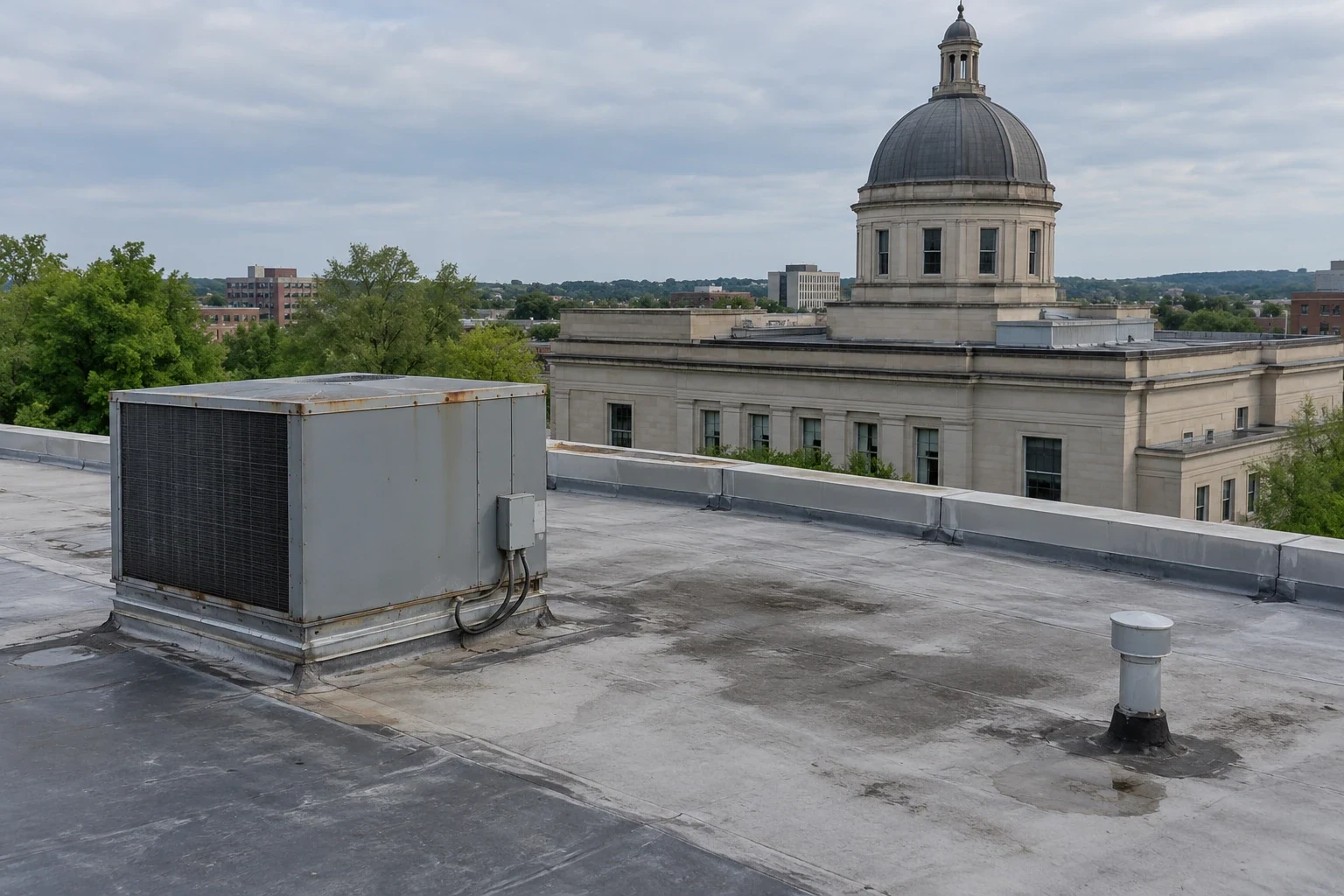
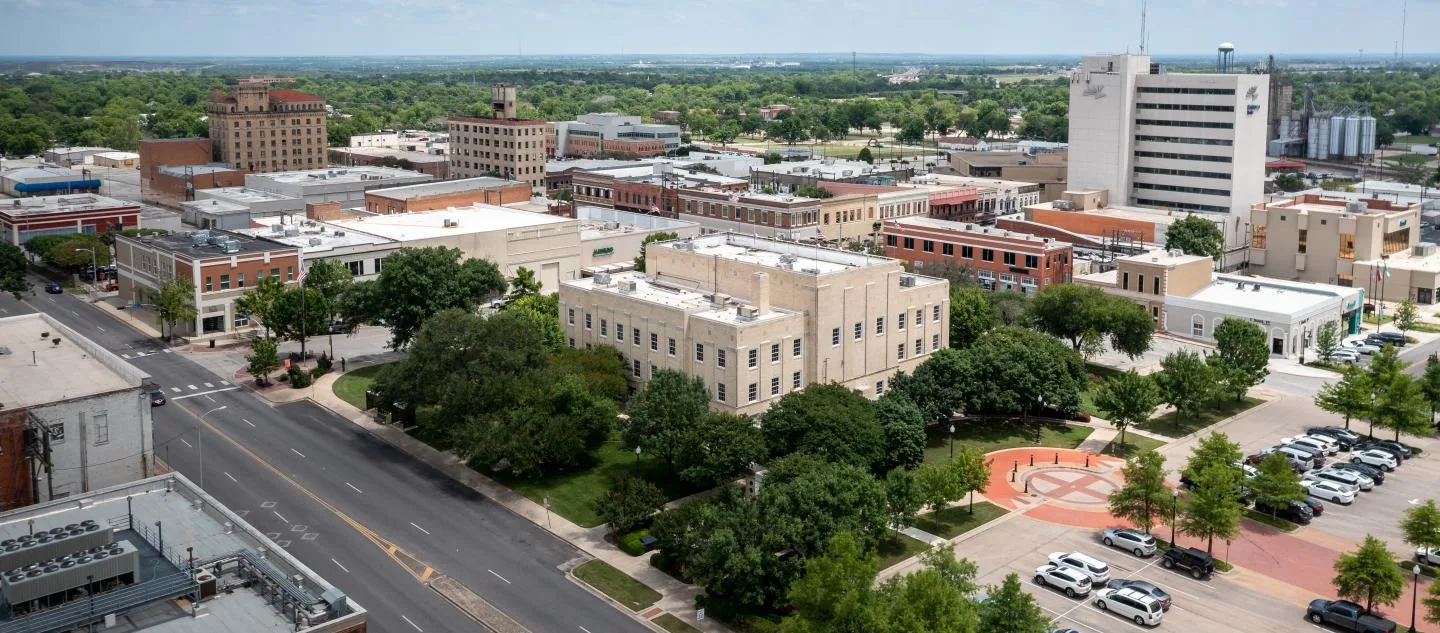
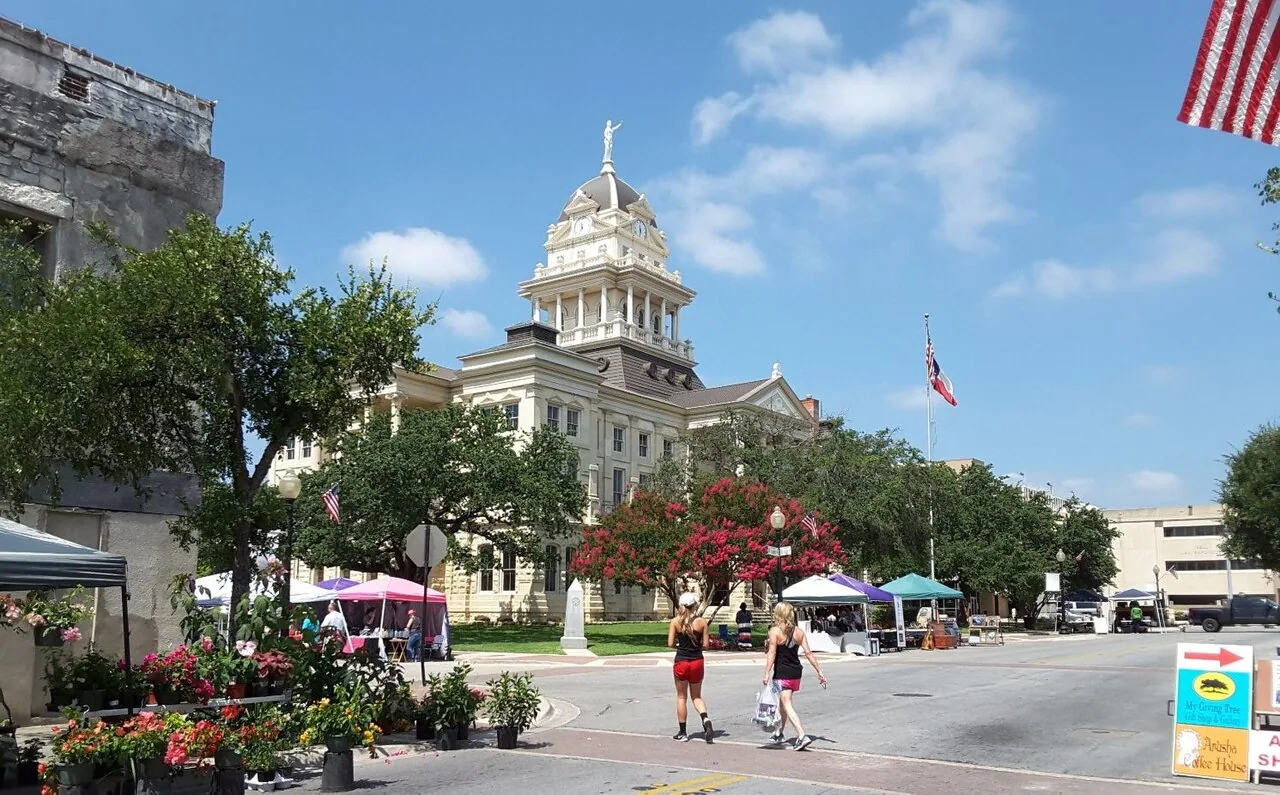
Does a roof repair on a listed building change what the street sees? That is the first question on a Salado job, and it has to be asked before the estimate. Salado had 2,394 residents in 2020 and Interstate 35 runs through the village, and nineteen Salado locations are on the National Register of Historic Places. The village is also described as home to the oldest continuously running hotel in Texas, and its civic center is in downtown Salado, so hotel roofs and government building roofs are both part of the roofing picture.
A roof on a building like that carries two responsibilities. It has to keep water out, and it has to avoid changing what makes the building worth keeping. We handle the first with a make-safe step and a record, and we handle the second by naming the question early and leaving the answer to the owner and whoever has authority over the work.
Which roof changes are visible from the street?
A repair that restores a roof to the way it was is a different matter from one that changes what shows. Visible changes include a new material, a new color, a changed profile, new rooftop equipment and altered edge or coping details. Hidden changes include new membrane under a parapet, replacement flashing behind a cap and new insulation below the surface.
We sort the scope into those two groups and mark the first group for confirmation. If the building is on the Register or in a district, the owner checks whether review applies before the work is scheduled. We note the contact, the date and the answer. The point is not to decide for anyone, and not to leave the owner discovering a review requirement after the crew has started. It is to make sure that the roof file shows the question was asked, so the work does not stall or get undone later.
What should the record capture on an older building?
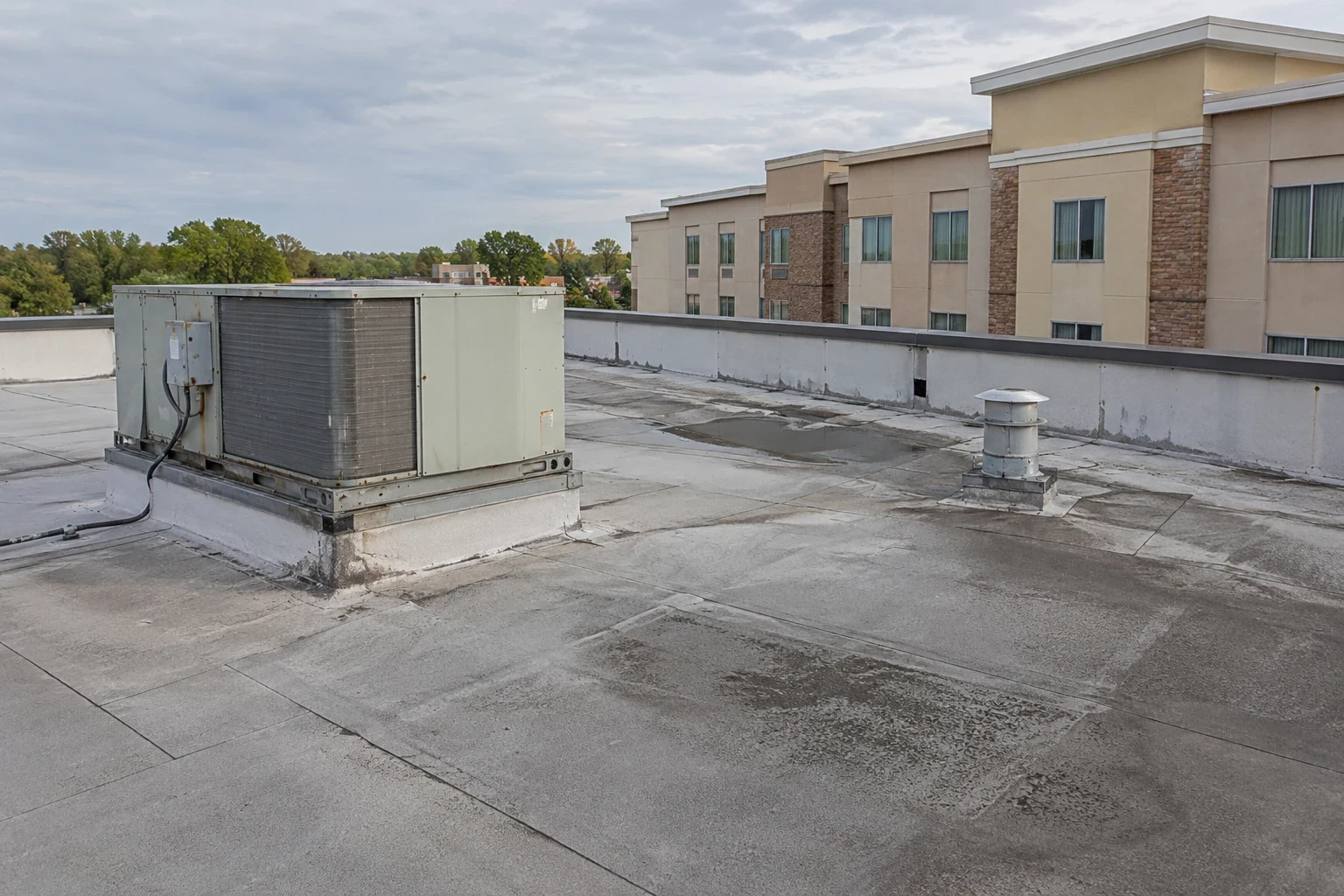
The record on an older building starts with what is there. We photograph the roof from set positions, identify each material, sketch parapets, valleys and penetrations, and note the condition of every flashing and joint. A historic building is not automatically masonry, and a historic roof is not automatically original, so the walk finds out what is actually there.
Moisture readings are taken at likely entry points: behind parapets, at wall bases, around chimneys and vents. The sketch shows where readings were taken and what they found. If an old patch is failing, it is photographed and dated, so the repair shows what was replaced. If original material is still in place, it is noted, since it may influence what the owner chooses to keep.
What does a freeze season do to an older roof?
Winter brings about 26 freezing nights a year to Temple, the market city, and February 2021 put 9 days at or below freezing across Central Texas, including Killeen. Before winter we walk the joints, seal what is open and clear the drains, which leaves the cold with less to work on.
After a hard freeze, we walk again and compare. New cracks, lifted flashing and stained plaster below are logged. If the water is still entering, a holding repair stops it. Once it has stopped, the permanent scope can be priced without hurry, photographs beside it. This sequence works for any age of building, but it matters most where a roof has many joints and few spare inches.
What goes into the intake record before any work?
The intake record is the first document and the one that keeps the job honest. It lists the building, the roof sections, the materials we could identify and the ones we could not, the access route, the occupancy and the hours when noise is acceptable. It states the reason for the call: a leak, a failed joint, a storm, a sale. It names who decides what.
Photographs are tagged by section and dated. A rooftop sketch shows the position of each finding. Moisture readings are marked on it with their values. The record ends with a short list of open questions that the owner can answer in one sitting, such as whether review applies, whether the original material is still present or whether a warranty exists. Each is assigned to someone, usually the owner, with a date by which the answer is needed, so the work is not held up by a question nobody knew was open.
For an asset manager with several historic or listed buildings, the same format makes comparison simple. The roof with the oldest joints and the highest consequence comes first, and the register shows why.
How does wind season change the plan?
The EF-2 tornado of May 22, 2024 brought peak winds near 120 mph to Temple, and straight-line winds of 80 to 90 mph were estimated across that city. Near Little River-Academy that night, a weaker EF-1 tornado also formed. None of this is a finding about any roof in Salado, but all of it argues for a pre-season look.
On an older building, the details that move first are chimney caps, parapet copings, loose slate or tile, and light rooftop items. We check them before the season and photograph them. After a storm, the walk repeats and the two sets are compared. A displaced cap is a make-safe item. Sourcing a matching material takes time, so the holding repair has to carry the building through, and the recommendation states for how long.
What are the options, and what drives the cost?
Cost follows area, material, access and whether a visible change needs approval. A repair that uses a matching material costs more than one that uses a common substitute, and the difference is stated in the estimate so the owner can choose. A roof condition report gives the board or owner a basis for deciding.
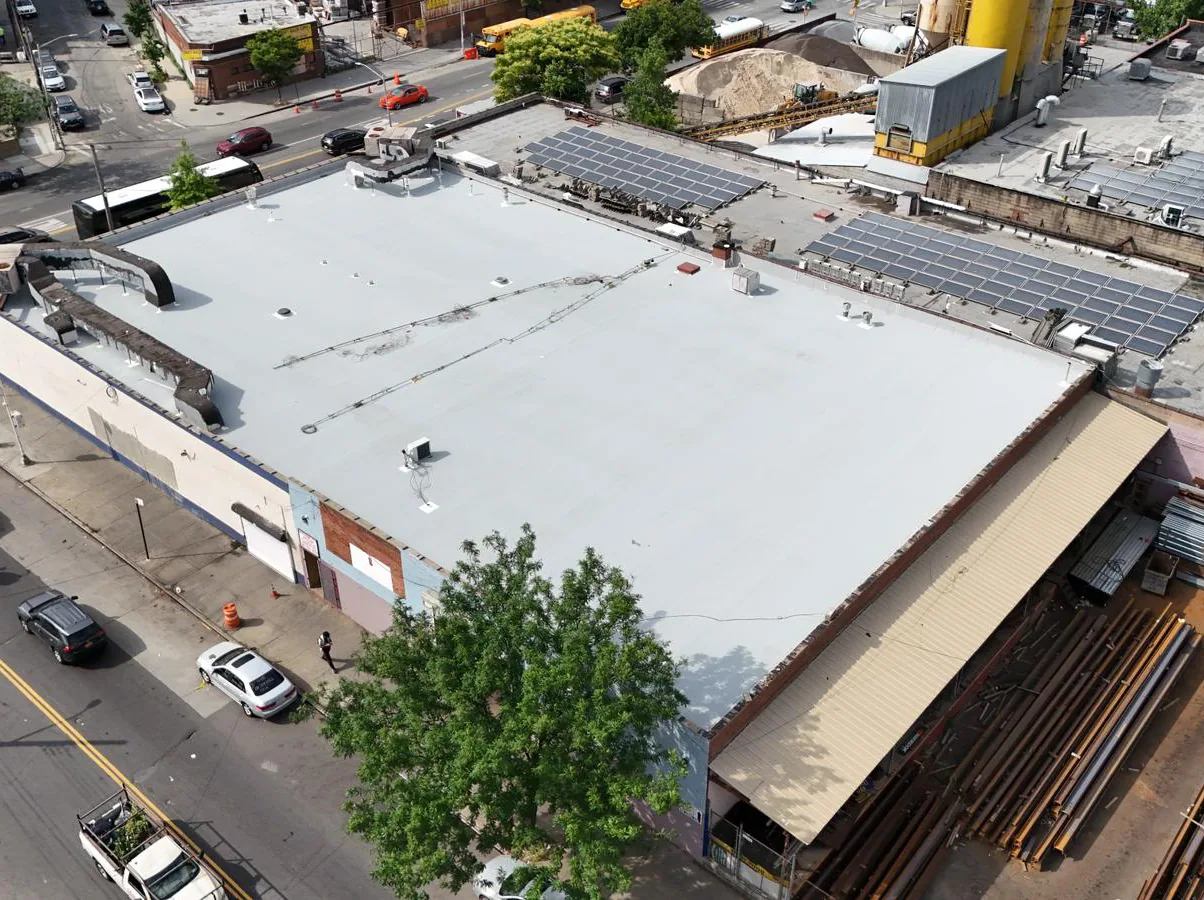
Where the building is occupied, the plan works around visitors and events. Occupied building reroofing is done in sections with protection at entrances. Neighboring Belton and Troy follow the same format, and a commercial roof repair in Salado starts with the same walk.
Where several historic buildings share an owner, the register ranks them together so the roof with the oldest joints and the most at risk inside is funded first.
Commercial Roofing Questions
Does a listed building need special approval for a roof repair?
It can, depending on the work and who has authority over it. We sort the scope into visible and hidden changes, flag the visible ones and ask the owner to confirm before scheduling.
Can modern materials be used on a historic building?
Sometimes. The answer depends on the building and any review that applies. The estimate shows the cost of a matching material beside a substitute so the owner can decide.
What is the first step after a leak in an older building?
Make it safe with a tarp or temporary dry-in, photograph the opening before covering it, and then trace the leak. The permanent repair waits for the findings.
Why compare photographs before and after winter?
Freezing opens small gaps. The comparison shows which joints moved, which sealants failed and which drains held, so the repair is based on what changed.
Who decides the permanent scope?
The owner, with whatever review applies. We supply the findings, options and prices, and we log the decision with the date.
How are rooftop items handled on a listed building?
Vents, units and caps are photographed and mapped before the walk ends. Any new item that would be visible from the street is flagged for confirmation, and the file shows the date of the question and the answer.