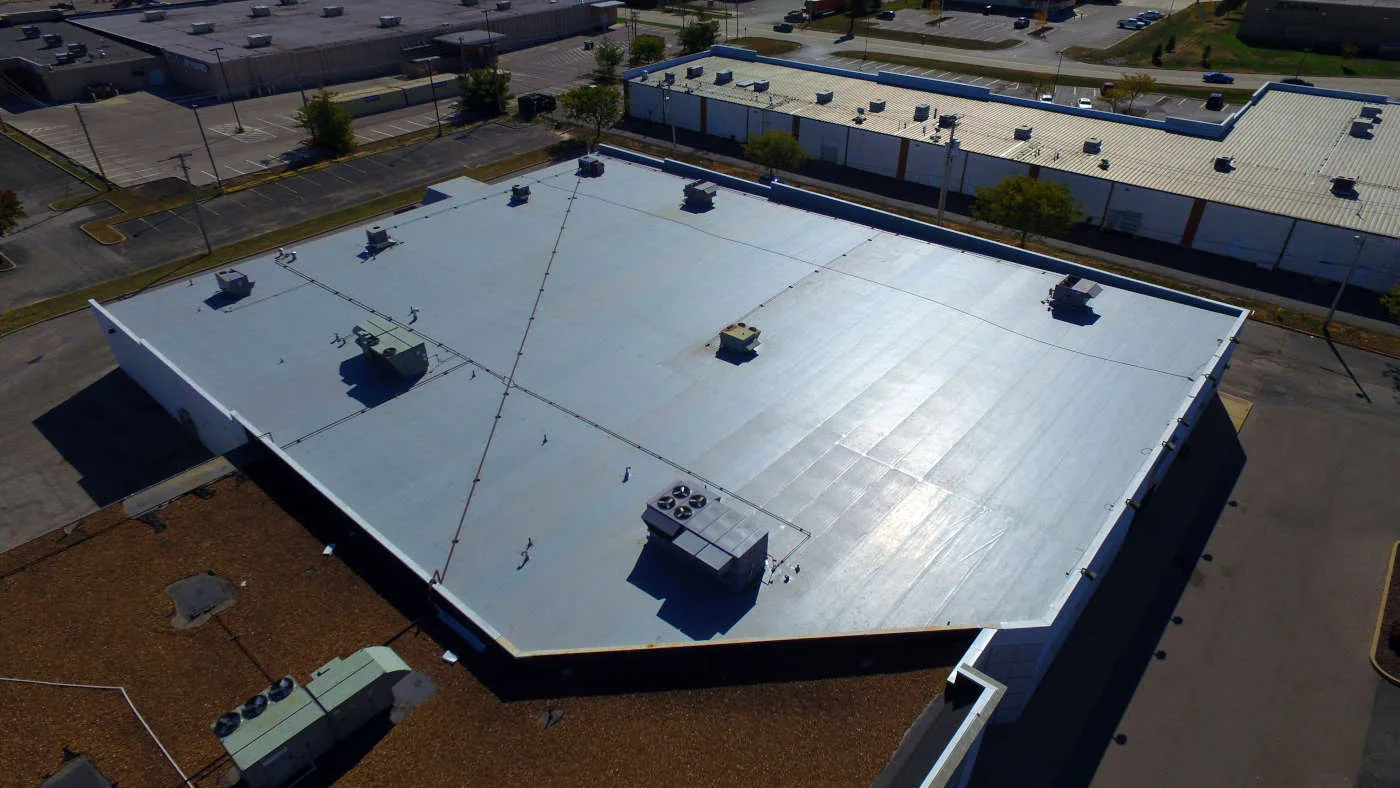
Due Diligence Roof Surveys
The inspection window on a Temple, TX building closes in ten days, and nobody on the buyer's side has been on the roof. Whoever walks it now is writing the first page of the next owner's capital plan. A due diligence survey has a narrow job: find the failure points, rank them, and tell the buyer or lender what the roof is likely to ask of them in the first few years. Temple gives that job real content: a long hot summer, and a tornado on May 22, 2024 that showed how quickly a roof can change its story.
The survey is built to be read by people who will not visit the roof.
What does the survey cover on a short clock?
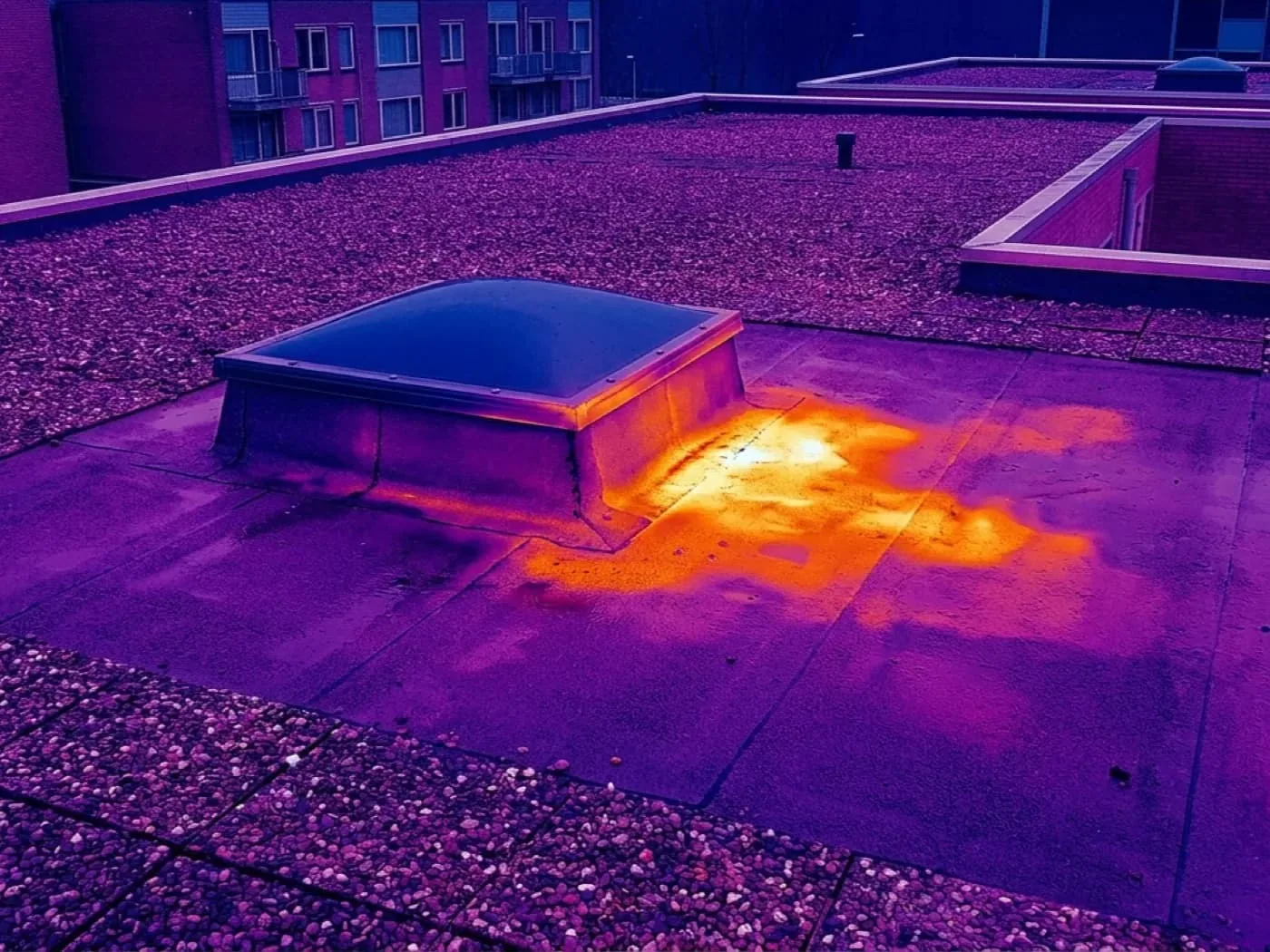
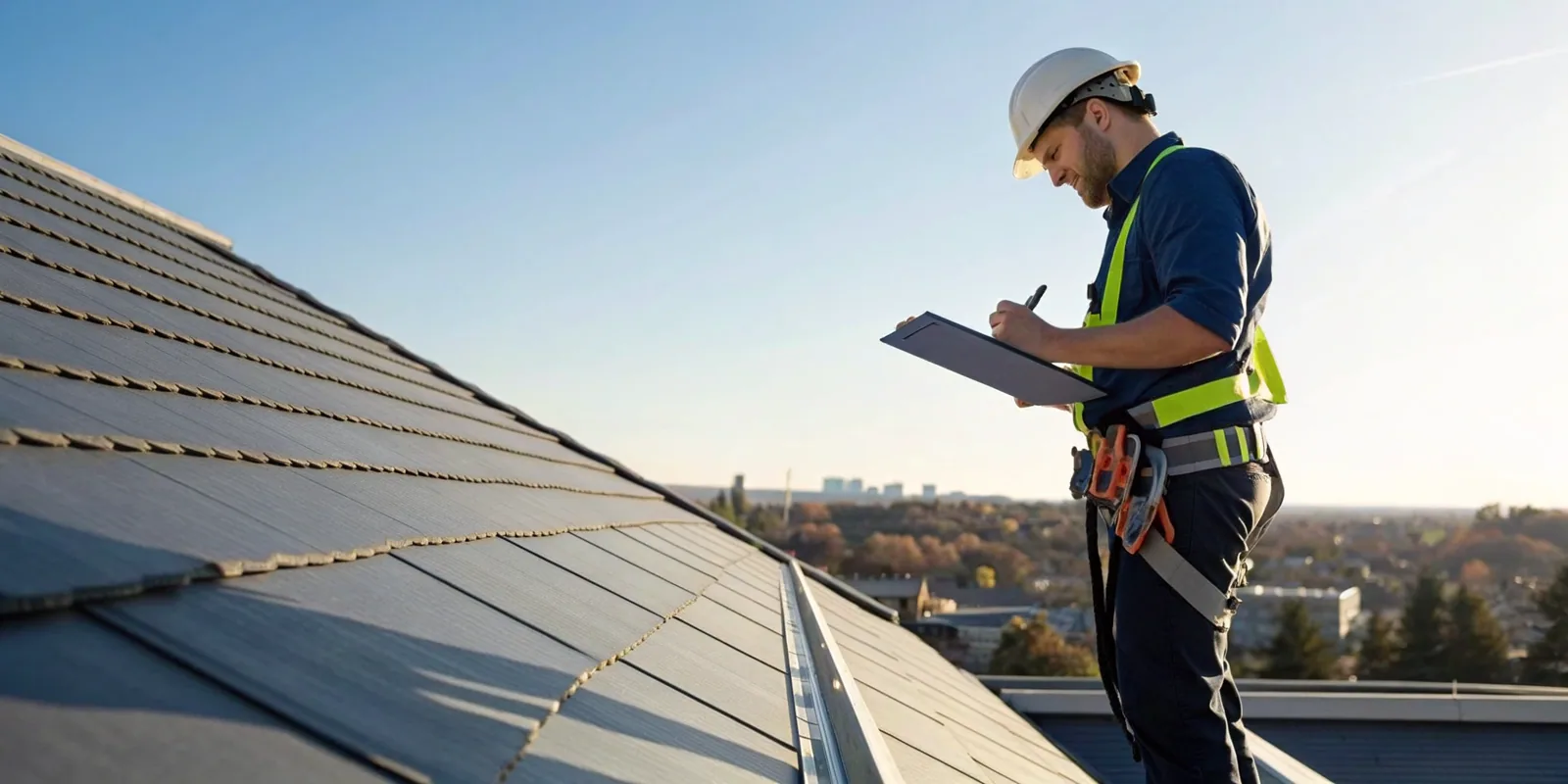
Every accessible roof section is walked. We photograph seams, laps, flashings, edge metal, penetrations and drains, and we run an infrared moisture survey where conditions allow, since wet insulation is the finding most likely to change a price. Where parts of the roof cannot be reached safely, a drone inspection supplies overhead images. Rooftop equipment, curbs and the connections between them and the roof are logged, because a line set or conduit run is a potential opening.
We also ask for what the seller has: prior reports, repair invoices, warranty documents and the history of leak calls. Missing paperwork becomes a line in the report, not a surprise at closing.
On-site, we keep notes on how the roof is used. Foot traffic paths worn into the membrane, stacked material, abandoned equipment and ad hoc cable runs are all signs that the roof has been treated as a work surface, and they affect both the repair outlook and the questions to put to the seller.
How does the buyer see what matters first?
The first page ranks every roof by what it will need and when. Immediate items are conditions that will let water in before the next visit. Near-term items belong in the first budget year. Later items are visible wear that the buyer can plan for. A short list of hold points marks conditions that are acceptable today and need rechecking by a stated date.
Each ranked item carries a scope line and a cost driver, not a price. Prices depend on the buyer's schedule, tenants and access, so we describe the work and let the buyer price it against the deal. For lenders, the same page answers whether the roof is likely to need major spending during the loan term.
When a portfolio is large, the ranking also shows how the roofs compare with each other. A buyer evaluating a package of buildings can see which two carry most of the near-term exposure, and decide whether to price the package as a whole or to carve those buildings out. The same sorted list gives the lender a way to size a reserve without reading every page.
What does Temple's stock bring to a survey?
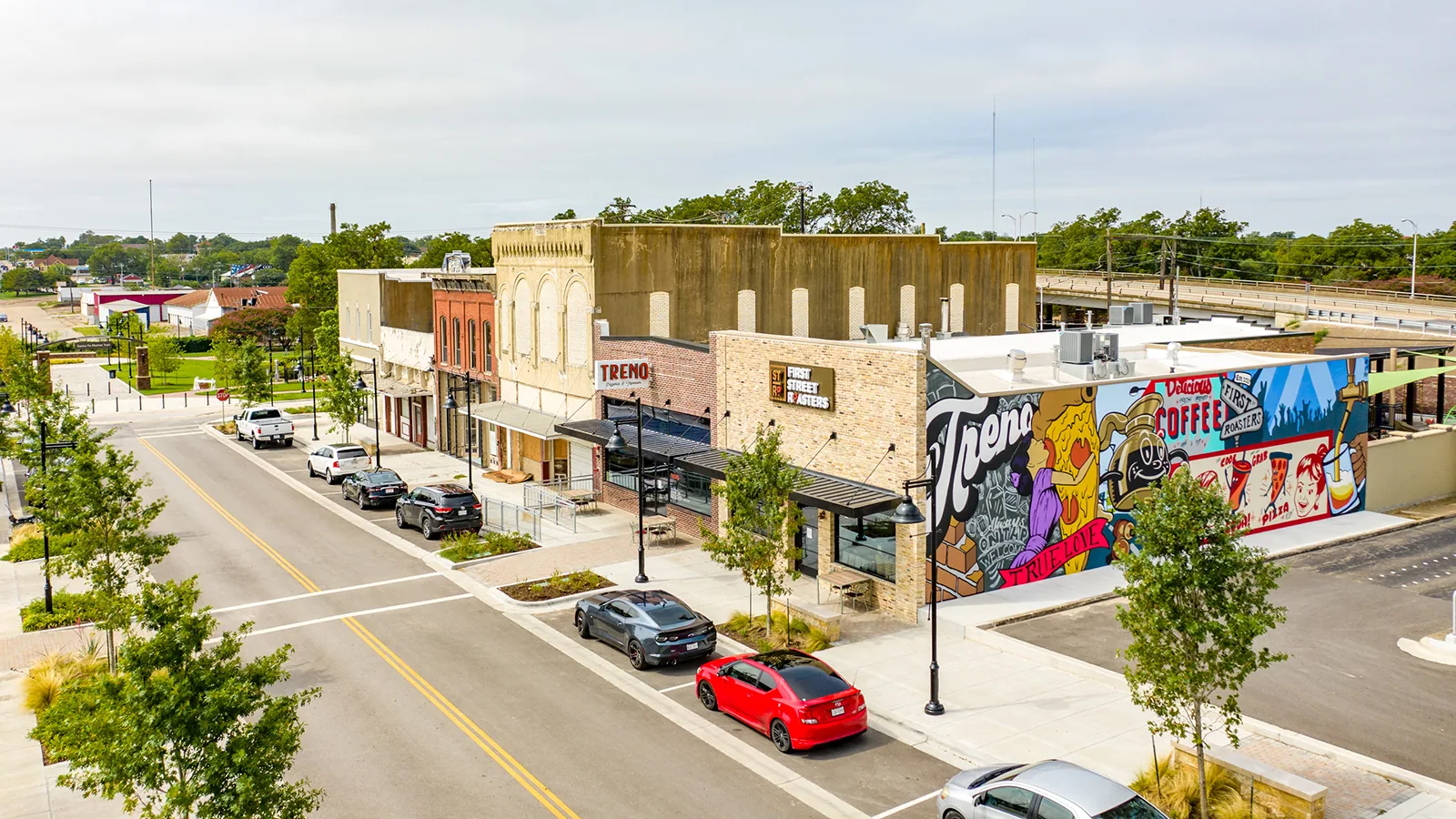
A Temple acquisition might be a clinic near the medical district, a distribution building tied to the rail lines, or a historic commercial building downtown. Downtown, the Hawn Hotel, Arcadia Theater and Sears Building are part of a redevelopment covering about 85,000 historic square feet, and a roof survey in the downtown Temple district reads parapets, drainage and old flashing details with that mix in mind. In the Temple Industrial Park, where roads, water, sewer and rail access are part of the site, the survey looks at dock areas, rooftop equipment and drainage on larger flat roofs. None of that tells us what a specific roof has; the walk does.
Does location along the corridors change the survey?
It changes the logistics more than the findings. Interstate 35 runs directly through Temple, and Loop 363 encircles the city for 17.1 miles, so a buyer with several candidate buildings can have them surveyed in a single route. The Loop 363 corridor is a practical way to sequence visits, and buildings near BNSF and Union Pacific mainlines are noted for rail-adjacent access and staging.
Wind exposure is a survey topic no matter where the building sits. Edge metal, copings, fasteners and rooftop equipment anchorage are checked on every roof, because the May 2024 tornado showed what a gust can do to commercial buildings. We treat that as context for what to inspect, not as a statement about any specific roof.
What if the roof cannot be fully reached?
Then the report says so and ranks the uncertainty. A section hidden by tenant equipment, a locked access or unsafe conditions becomes an open item with a recommended follow-up. A buyer is better off seeing that line than finding the gap later. An open item can be handled by a price adjustment, an escrow or a post-closing visit, all of which are easier to negotiate before closing.
We separate observations from inference. A stain on a ceiling tile is an observation. The assumption that the roof above it is leaking is an inference, and the report labels it as such until a probe or moisture reading supports it.
What happens after closing?
The survey becomes the first entry in a record. Immediate items go to repair, near-term items go into a capital plan, and the building joins the owner's asset record. Warranty paperwork is reviewed with warranty management so that a transfer deadline is not missed. For an owner buying several buildings in one deal, a multi-site program lets the surveys feed one schedule.
The first months after closing are when the survey earns its cost. A new owner who has the ranked findings in hand can order the immediate repairs, notify tenants of upcoming work and set the first inspection date without starting over. Without that record, the first sign of trouble is usually a leak, and the first decision gets made under pressure.
Where the survey recorded a hold point, the recheck date goes onto the owner's calendar the day the deal closes. Those small dates are what keep a tight seam from turning into an open one unnoticed.
Commercial Roofing Questions
How soon can a survey start after the inspection window opens?
That depends on access and the dispatch window we can hold that week. Tell us the closing date and the roof access details on the first call, and we confirm what can be completed inside the window.
Will the survey estimate the remaining life of the roof?
It gives a condition-based outlook: what the roof shows, what is likely to fail first and what that means for the next few budget years. A number of years offered without evidence is not part of the report. Owners who want a tighter outlook can add a moisture survey, which tests the one assumption that most often moves a replacement date.
What does a lender usually want to see?
A summary stating the roof's condition, the near-term repair items and whether major replacement is likely during the loan term. Photographs and moisture findings follow in the body of the report.
Can the survey be used to negotiate price?
Yes. The ranked findings and scope lines give the buyer a factual basis for a credit, a repair before closing or an escrow. The seller can respond with their own documents, and the conversation stays about the roof.
What if the seller will not allow roof access?
The report relies on ground and drone observations and records the limit. A buyer can then decide whether to extend the inspection period, price in the uncertainty or walk away.