Tornado Damage Roof Repair
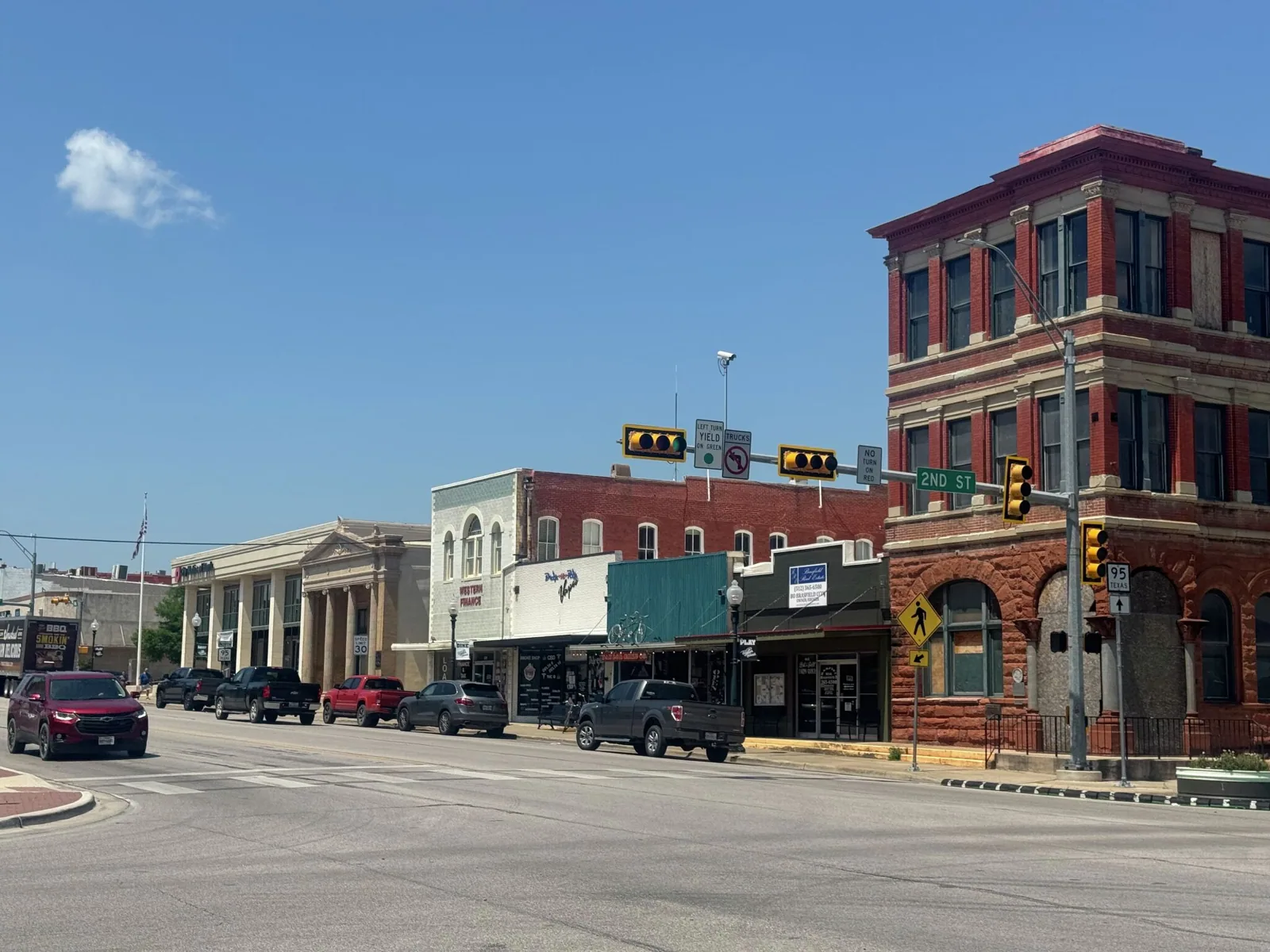
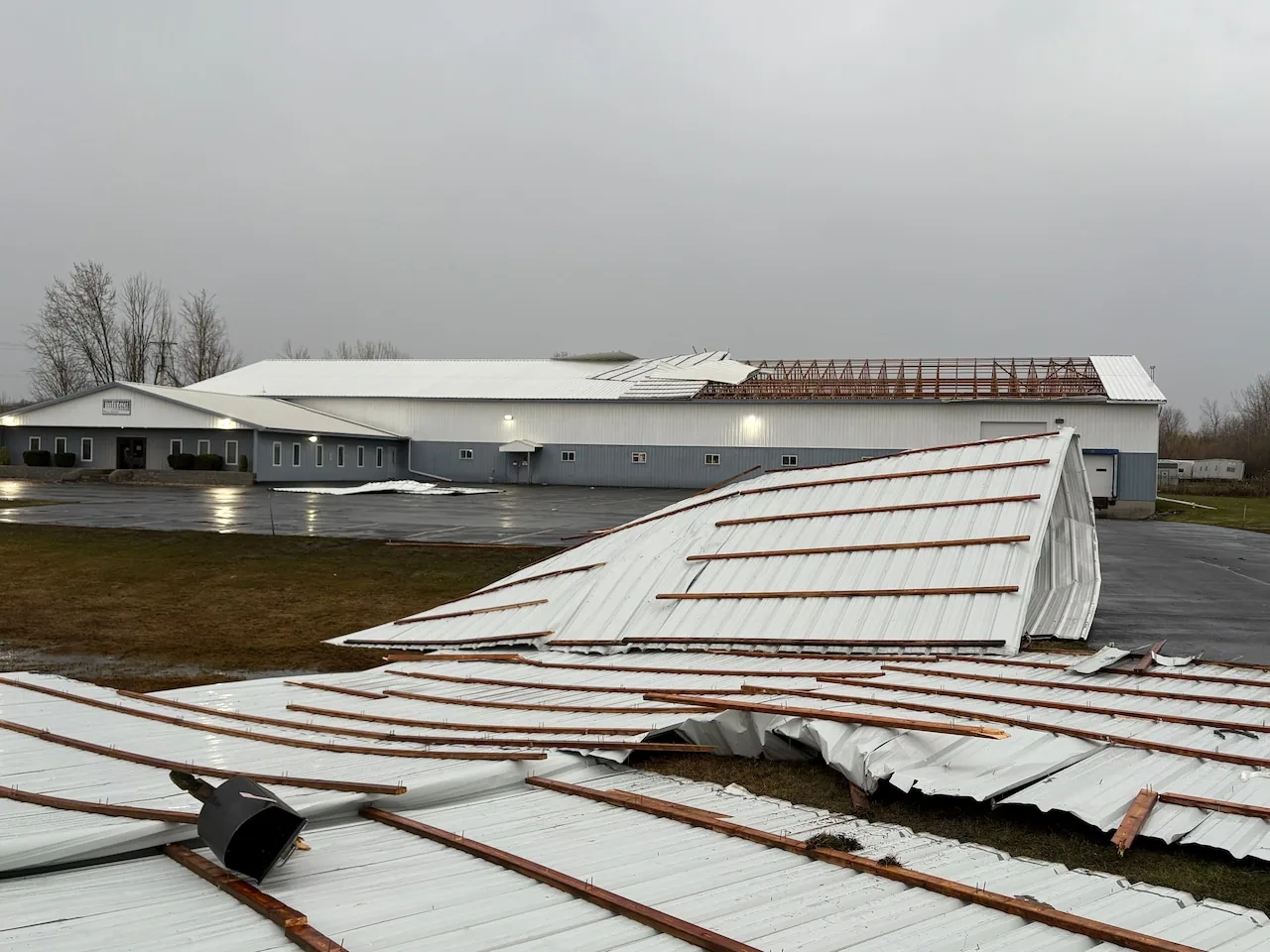
What did the tornado take, and what did it leave hanging? On May 22, 2024 an EF-2 tornado struck Temple, TX at peak winds near 120 mph, leaving damage at restaurants, shops, banks and strip malls and hurting 30 people, and the weather service put straight-line winds elsewhere in the city at 80 to 90 mph. A second tornado, rated EF-1, began that evening near Little River-Academy. Roofs hit by a tornado show two kinds of damage at once: uplift, which peels a membrane from an edge, and impact, which punches holes where debris lands. The first decision for an asset manager is where to send the first crew, and the second is which of the remaining buildings share the exposure.
We keep the steps apart. The make-safe step dries in the openings. The intake record documents the failure points. The permanent scope follows a moisture survey and is priced against the capital plan, not against the news.
Who Decides What in the First Hour After a Tornado?
Safety comes first: gas, power, structure and debris. Once the building is released, the owner or manager sets the order of buildings and the crew sets the order of steps. We start with the openings that let rain onto interiors, then the loose material that could fall, then the rest. Tarps and temporary membrane cover open areas, and photographs go with each. A crew works from the edge inward, because the edge is where the roof is least stable and where the most damage is likely. Before anyone steps onto a membrane, the crew checks for gas smells, downed lines, leaning parapets and loose masonry. A parapet that has shifted is photographed from the ground and cleared by the owner before work proceeds.
Loose material on the roof is secured or removed in the first visit. Insulation boards, torn membrane, broken coping and debris from neighboring buildings can blow off again in the next gust. The crew bags what can be bagged, ties down what cannot and records what was removed, so the owner can reconcile the list with the insurer's inventory.
The note to the owner names the buildings visited, the steps taken and the next visit window. Demand after an event is uneven, so we promise no arrival times, but the ranking is shared and each owner can see where a building stands.
How Do You Read Impact Damage?
Impact leaves holes, dents and torn flashing in patterns that look different from wind uplift. A strike mark has a point of origin and a radius of damage. A torn membrane at an edge has a peeled line that points back to the first gust. We photograph each mark with a scale and a number, probe around it for soft insulation and note any pieces of debris still on the roof. Metal roofs show dents, creased panels and displaced fasteners. Skylights may be broken or shifted. The record separates impact from uplift because the repair differs, and the separation shows an insurer which line items belong to the storm. Impact repair is local: cut out the damaged area, dry the insulation, patch the membrane and reflash. Uplift repair is systemic: restore the edge, check the attachment across the roof and often increase the fastening at corners and perimeters. A roof with both gets both, and the scope lists them separately so the owner and the insurer can follow each.
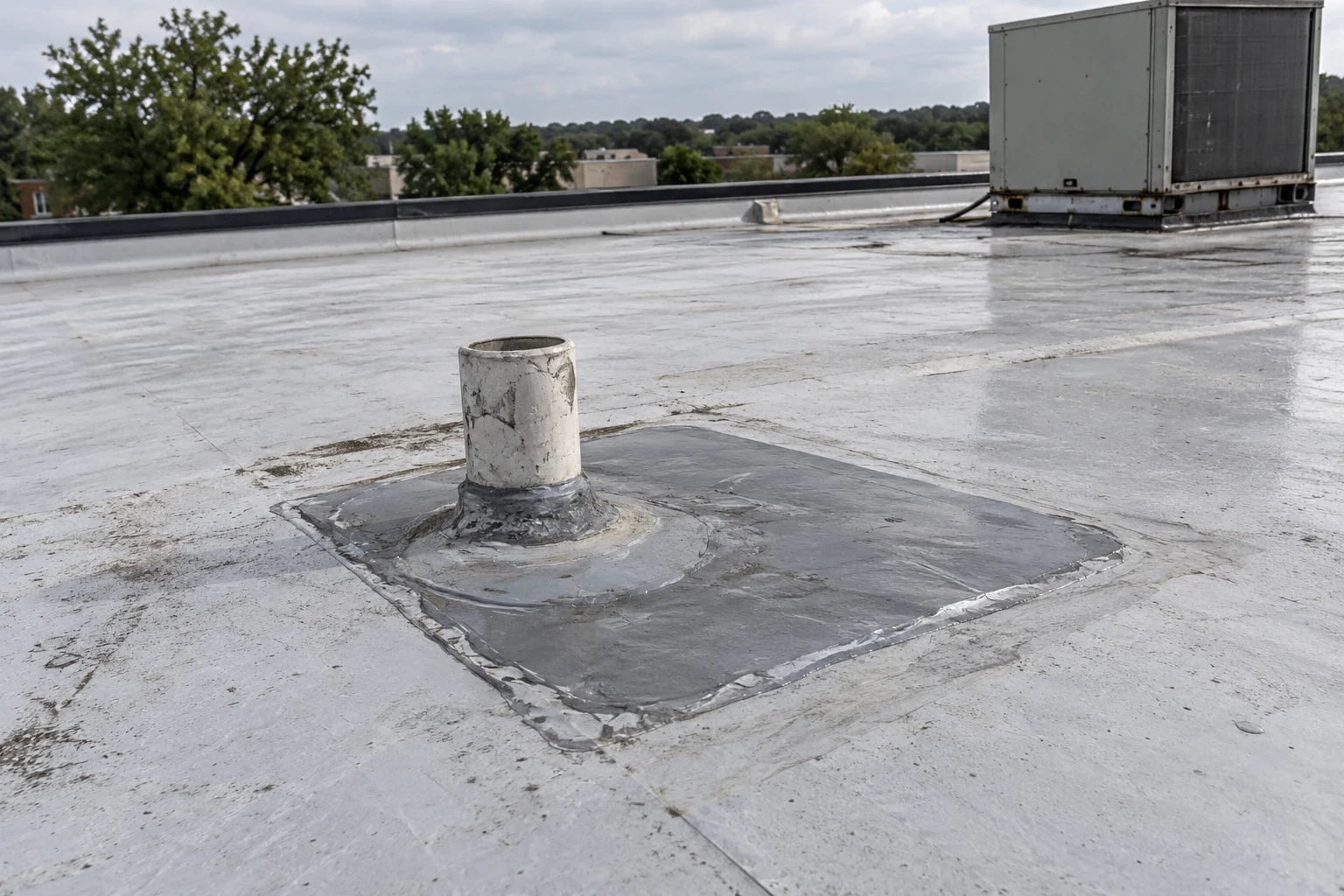
Punctures from flying debris are patched with compatible material, as for any membrane puncture, with rounded corners and a generous overlap, and skylights and roof hatches get a closer look. Glazing may be cracked in ways that are hard to see, and frames may have shifted. A hatch that no longer closes is both a leak path and a safety problem. Each is photographed, and the repair or replacement is priced as its own line.
Which Buildings Were in the Path, and Which Were Not?
The weather service survey recorded damage to restaurants, shops, banks and strip malls in Temple. It did not list every building, and a roof that is not on the list is not proven sound. Inspection after any tornado should include roofs outside the path, because straight-line winds of 80 to 90 mph reached across the city and can lift edges far from the track. A portfolio ranking accounts for that, putting buildings with documented damage first and the rest in order of exposure. The ranking is shared with the owner, the property manager and any adjuster, so there is one list rather than several. It is updated daily during the first week and weekly afterward.
Why Survey for Moisture After a Tornado?
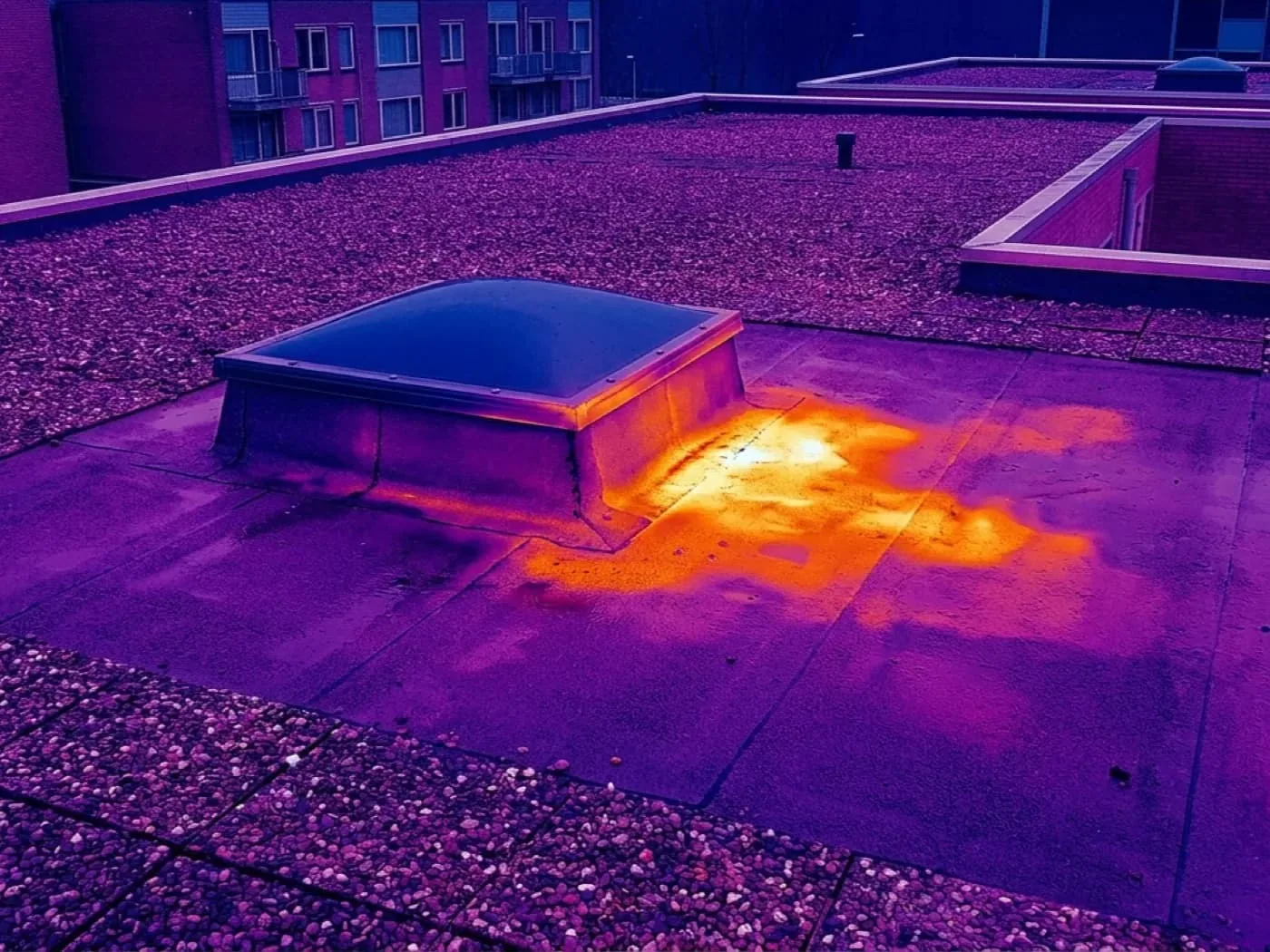
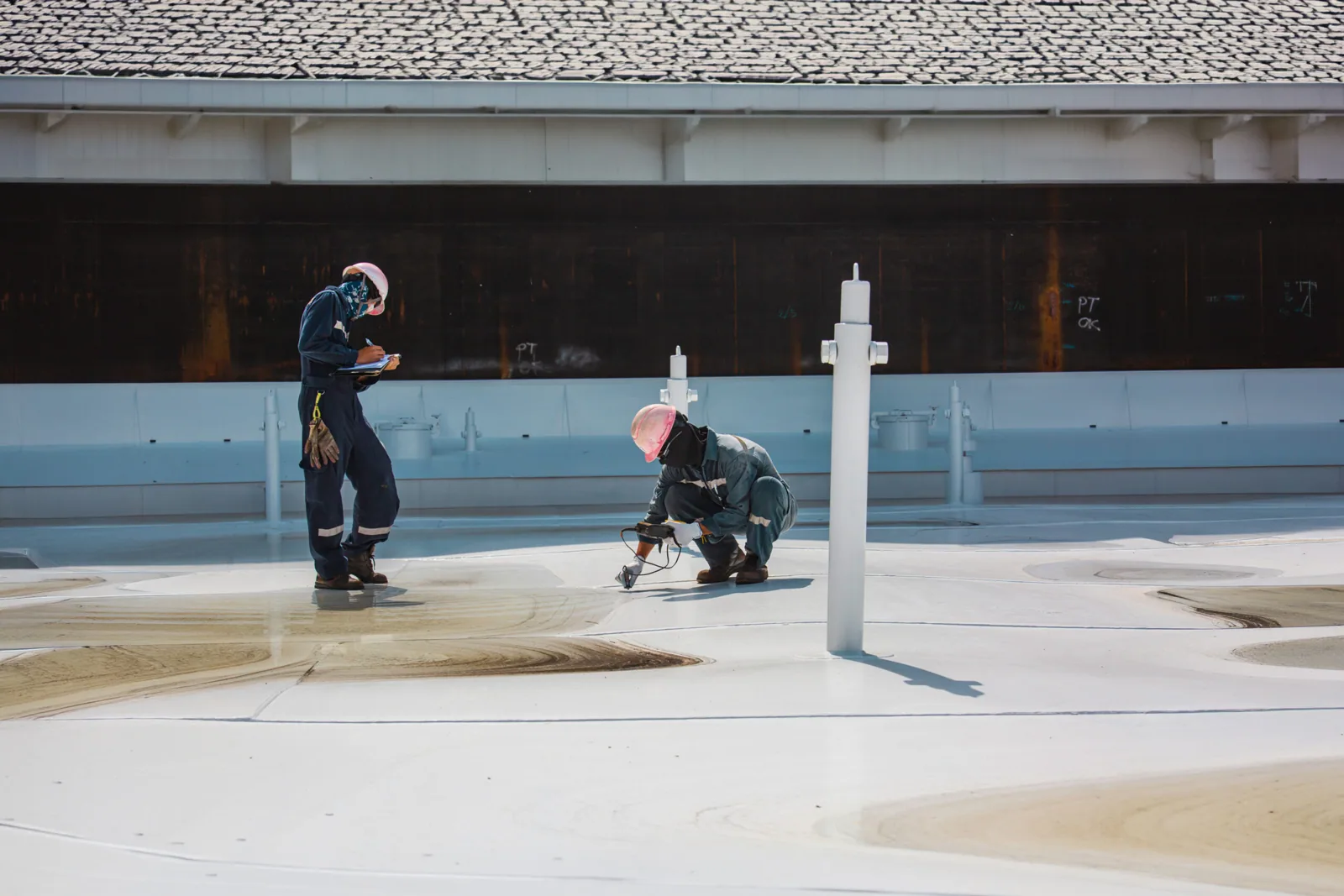
Rain after a tornado enters through every opening, and it spreads in the insulation. An infrared moisture survey and probes map the wet area. The permanent scope removes insulation inside the boundary and keeps what is dry. Without the survey, a repair may be made over wet insulation, and the roof will fail at the same place within a year. The survey is repeated after the repair to show the wet area has been removed.
Large roofs, whether along the Loop 363 corridor or in the Temple Industrial Park, may get a drone pass first. A drone pass over a roof the size of a distribution building takes minutes, produces a complete set of photographs and spares the crew a long first walk on a roof of unknown stability. The images are labeled with the same numbering system as the ground photographs.
What Does a Holding Repair Buy After a Tornado?
A holding repair keeps the building dry for weeks or months, depending on the roof. It might be a temporary membrane, a series of patches or a tarp system with restraint for gusts. It is documented separately from the permanent scope, with dates for recheck. It buys the owner time to work with the insurer, choose a contractor, order materials and schedule the permanent crew, and it does not replace the permanent repair. Because tornado season is not over when one storm passes, the holding repair is built to withstand further gusts, with extra fasteners at edges and ballast on tarps where fasteners are not possible.
What Does the Permanent Scope Include?
The scope covers deck repair where impact has damaged it, replacement of wet insulation, new membrane and flashing, reset or replaced edge metal and, where wind was involved, heavier attachment at the edges and corners. A storm damage repair and a claim documentation package run together. Where wind lifted edges before debris struck, the wind-damaged roof approach to attachment applies as well.
The scope ends with the date for each recheck and the name of the person who owns each open item, so the file reads as a plan instead of a list of problems.
Commercial Roofing Questions
Do we have to replace the roof after a tornado?
Not necessarily. If damage is local and insulation is dry, repair may be enough. A survey and a record decide.
How is impact damage documented?
With numbered photographs, scale references and a sketch, so a reviewer can find each mark.
What if my roof was not in the path?
Straight-line winds reached across the city, so edges and curbs may still have lifted. A walk after the event confirms.
How soon can a crew arrive?
That depends on demand. Buildings are ranked by consequence and the ranking is shared, though arrival times are not promised.
What is the next decision for the owner?
Whether to hold with a temporary repair, repair permanently or plan a replacement, with the insurer's position known.