Storm Damage Roof Repair
After the wind passes, three questions need answers in order: is water getting in, can the opening be made safe tonight, and who records the damage before anything is covered? Everything else waits. A storm repair in Temple, TX starts with that triage, because a tarp placed before the photographs are taken can erase the evidence an adjuster will later ask for. The asset manager does not need a lecture about hail or hurricanes. The manager needs a clear sequence and a person who can say what comes next.
What happens in the first hours after the storm?
The first call sorts buildings by exposure. A roof with an open deck over occupied space jumps the line. A roof with a lifted edge and no interior water can wait for daylight. We ask what failed, where, whether the building has power and sprinklers, and which interior areas hold equipment or inventory.
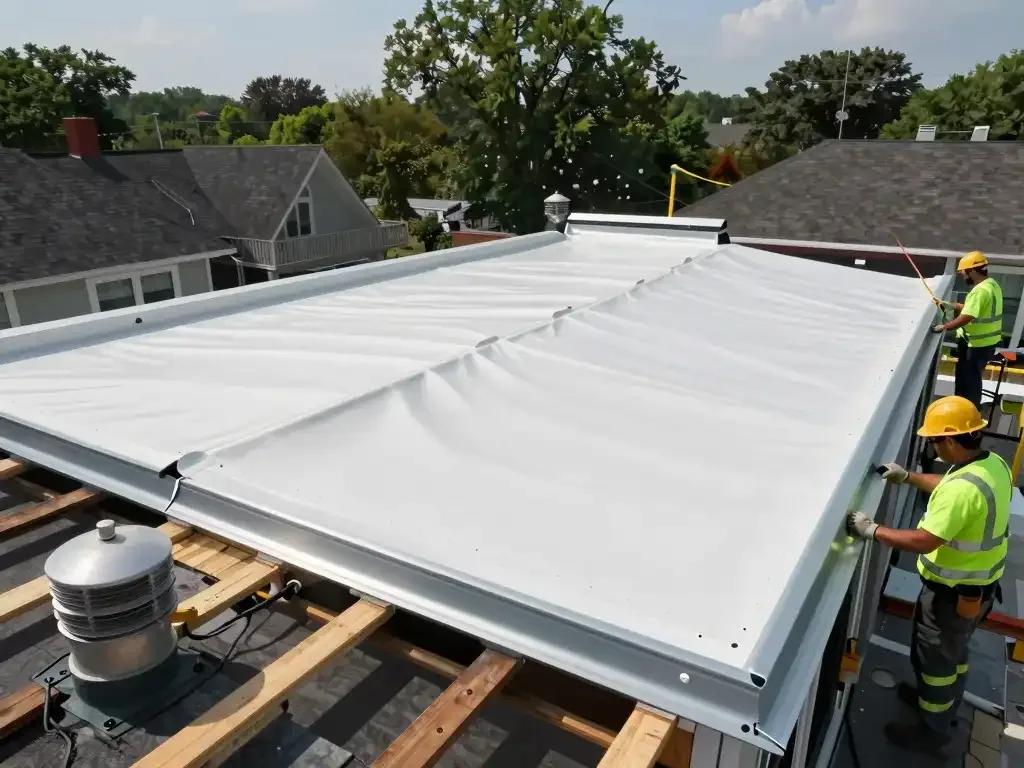
On arrival the crew photographs the failure point, then secures it. Temporary measures include tarps lashed to solid structure, sheet metal over open decking, and sealed membrane patches. The point is to hold. Every make-safe item is logged with location, method, and materials, so the holding repair can be priced and later replaced by a permanent one without argument over what was done.
Safety comes before speed. Wet decks, loose metal, and downed power lines near a roof edge change the plan, and a crew that cannot reach the failure safely does not go up. Fall protection is set before anyone walks the area. If the roof is unsafe to load, the first make-safe step comes from a ladder or a lift, and the owner is told so.
What did the 2024 tornado teach about local damage patterns?
The National Weather Service confirmed that an EF-2 tornado, with peak winds near 120 mph, tore through Temple on May 22, 2024. It damaged restaurants, shops, banks, and strip malls, and injured 30 people. That same evening an EF-1 tornado started near Little River-Academy, while straight-line winds estimated at 80 to 90 mph crossed the city.
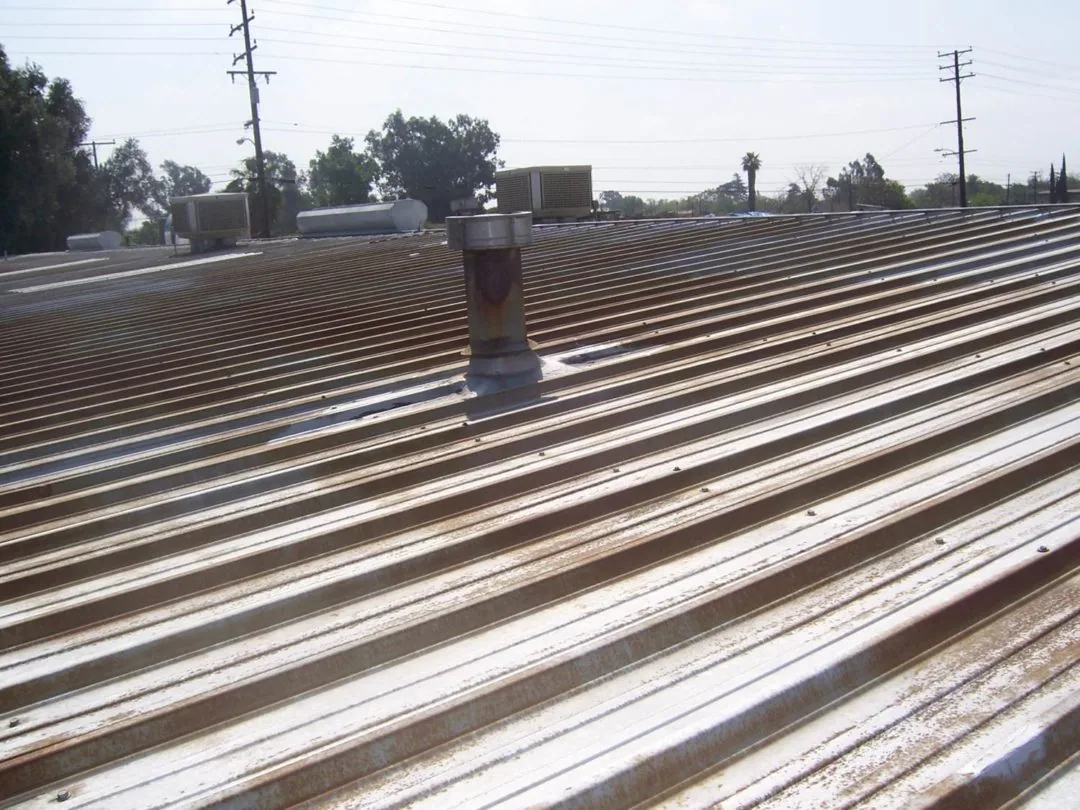
Those are the conditions in which commercial roofs lose edge metal, parapet caps, rooftop screens, and sections of membrane. The pattern matters more than any one building: perimeter details go first, then equipment, then field membrane. That ordering shapes where the crew looks and which items go to the top of the repair list. The permanent fixes on a tornado-damaged roof start from that same order.
What should the damage record contain?
A usable record has dated photographs of each failure before and after make-safe work, a roof sketch with the location of every item, a description of what failed and the likely mechanism, and a list of interior damage by room. It also separates storm damage from conditions that predate the event, such as worn sealant, old patches, or ponding.
The separation protects the claim, because a clean distinction is easier to defend than a blurred one. The same record supports roof insurance claim assistance when the owner decides to file, and it gives a lender or a tenant a clear account of what happened and what has been done.
How do we find damage we cannot see from the ground?
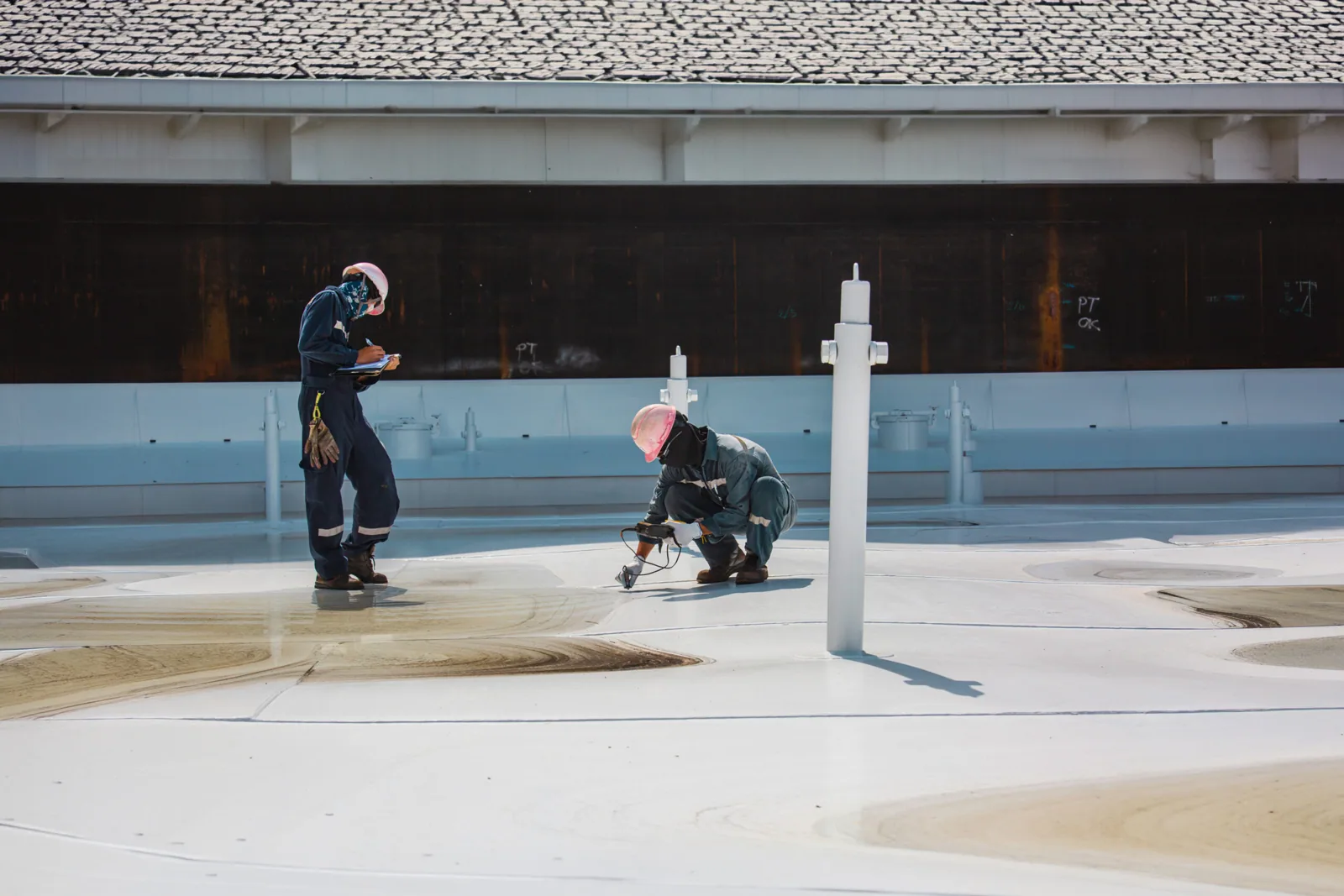
Many wind failures hide. A membrane lifted and reseated can leave a bubble, a sheared fastener, or a torn termination that only shows under close inspection. Moisture in the insulation may take days to appear on a ceiling. A drone roof inspection covers large roofs quickly and shows scatter patterns of debris and displaced equipment. A walk confirms what the images suggest, and an infrared survey can map wet areas once the roof has dried enough to scan.
Core cuts confirm any finding that affects scope. The result is a short list of confirmed items instead of a wide guess, and the owner can see the evidence behind each one.
Rooftop equipment gets its own pass. Wind can shift an air handler on its curb, tear a refrigerant line, or crack a flashing, and the shift is easy to miss from a distance. We check anchorage, disconnects, and the gap between the unit and its curb, then photograph anything that moved. Equipment problems are reported to the owner's mechanical contractor at the same time, so a roof repair does not get ahead of a unit that still has to be reset.
Where does the holding repair end and the permanent scope begin?
A holding repair buys time. It stops water, protects the interior, and lets the owner decide without pressure. It is not the repair. The permanent scope addresses the failure properly: re-securing edge metal to the structure, replacing damaged membrane and insulation, resetting rooftop equipment, and correcting any detail that let wind in.
Sometimes the damage reveals a larger problem. If the roof was already near the end of its life, a storm may tip the decision toward commercial roof replacement. If the damage is limited to one area, a localized repair may be the sound answer. The recommendation says which, and why, so the asset manager can compare the options against the capital plan.
How does an owner with several buildings decide what goes first?
By ranking exposure. After a regional event, a portfolio owner may have a dozen calls and one crew. We rank by what is open to weather, what sits underneath, and what the building does: a healthcare campus or a distribution building with perishable freight goes ahead of an empty storage shed.
The ranking is shared in writing, so every tenant and manager can see why their building is where it is. Roofs in Little River-Academy, Belton, Temple, and the Killeen area are listed together, with travel and staging built into the schedule, and the owner can reorder the list if operations change. Where a property sits near the Temple Industrial Park or other rail-served ground, truck and rail schedules are taken into account, so staging does not block a shipping dock during the work.
Commercial Roofing Questions
Who should be called first after storm damage to a commercial roof?
The facilities contact who can authorize make-safe work, then the roofing contractor, then the insurer. Calling the contractor early gets the opening secured and the photographs taken. The insurer needs notice promptly, and the contractor's record gives the claim a factual start.
Can we fix the roof before the adjuster arrives?
Make-safe work cannot sit idle, so we photograph and log it for the adjuster, who can then see what was done and why. Permanent repairs usually follow the adjuster's visit or agreement on scope. We photograph everything first, so the evidence of damage remains even after the temporary cover goes on.
How do you tell storm damage from old wear?
By looking at the failure itself. Fresh tears, bright metal, clean breaks, and displaced debris point to the event. Weathered edges, old sealant failures, and long-term staining point to earlier wear. Both go in the record, labeled separately, so the claim covers what the storm actually did.
What if the storm damage is on a leased building?
Responsibility depends on the lease, so the record has to be good enough to show a landlord, a tenant, and an insurer the same facts. We note the affected tenant spaces on the roof sketch and keep interior damage photos in the same file, which helps each party see their part.
How soon can permanent repairs start?
As soon as the scope is agreed and materials are available. Regional storms can strain supply, and some systems have lead times. The make-safe work keeps the building protected in the meantime, and we tell the owner plainly which items drive the schedule so no one is waiting on a guess.