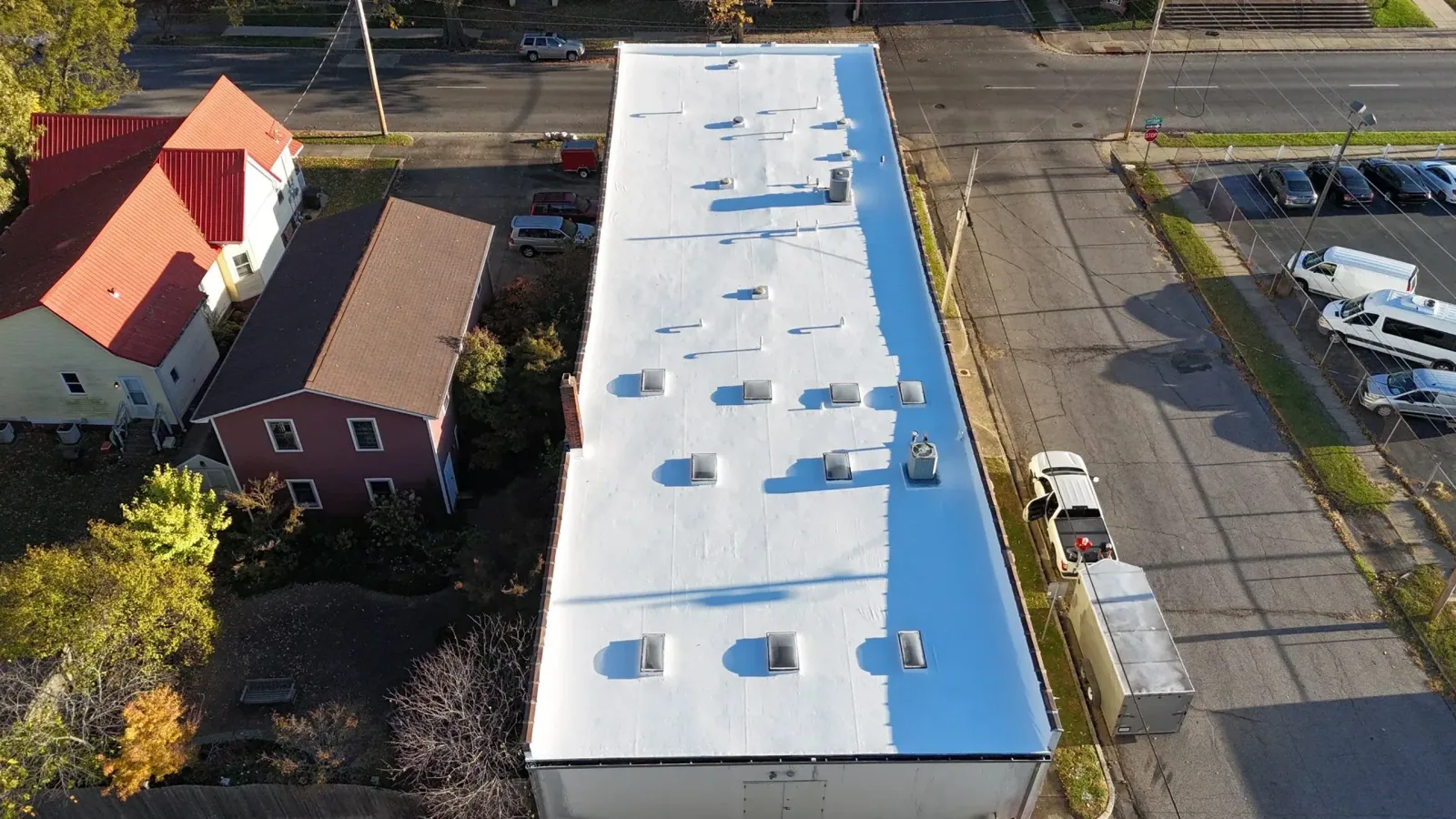
Occupied Building Reroofing
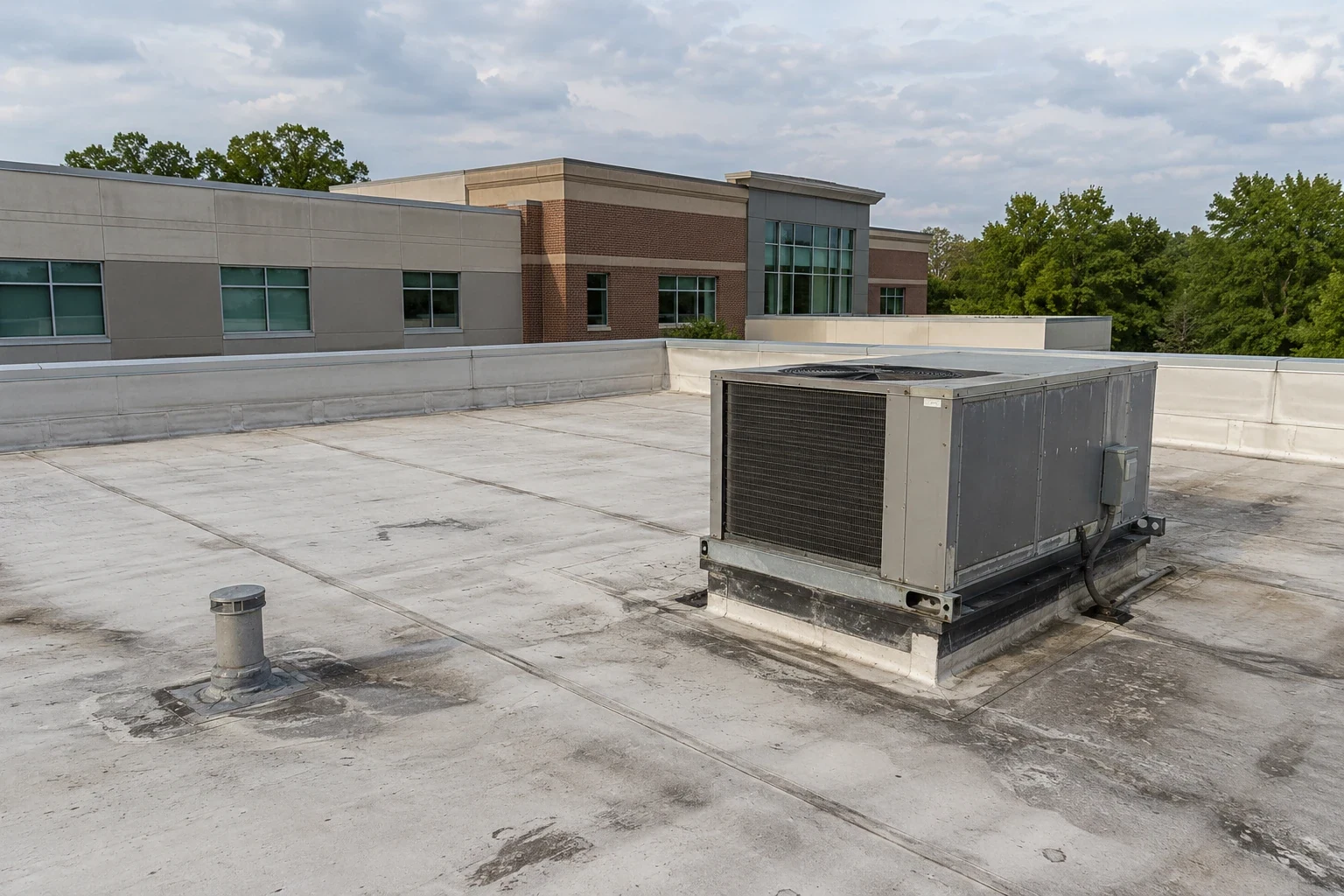
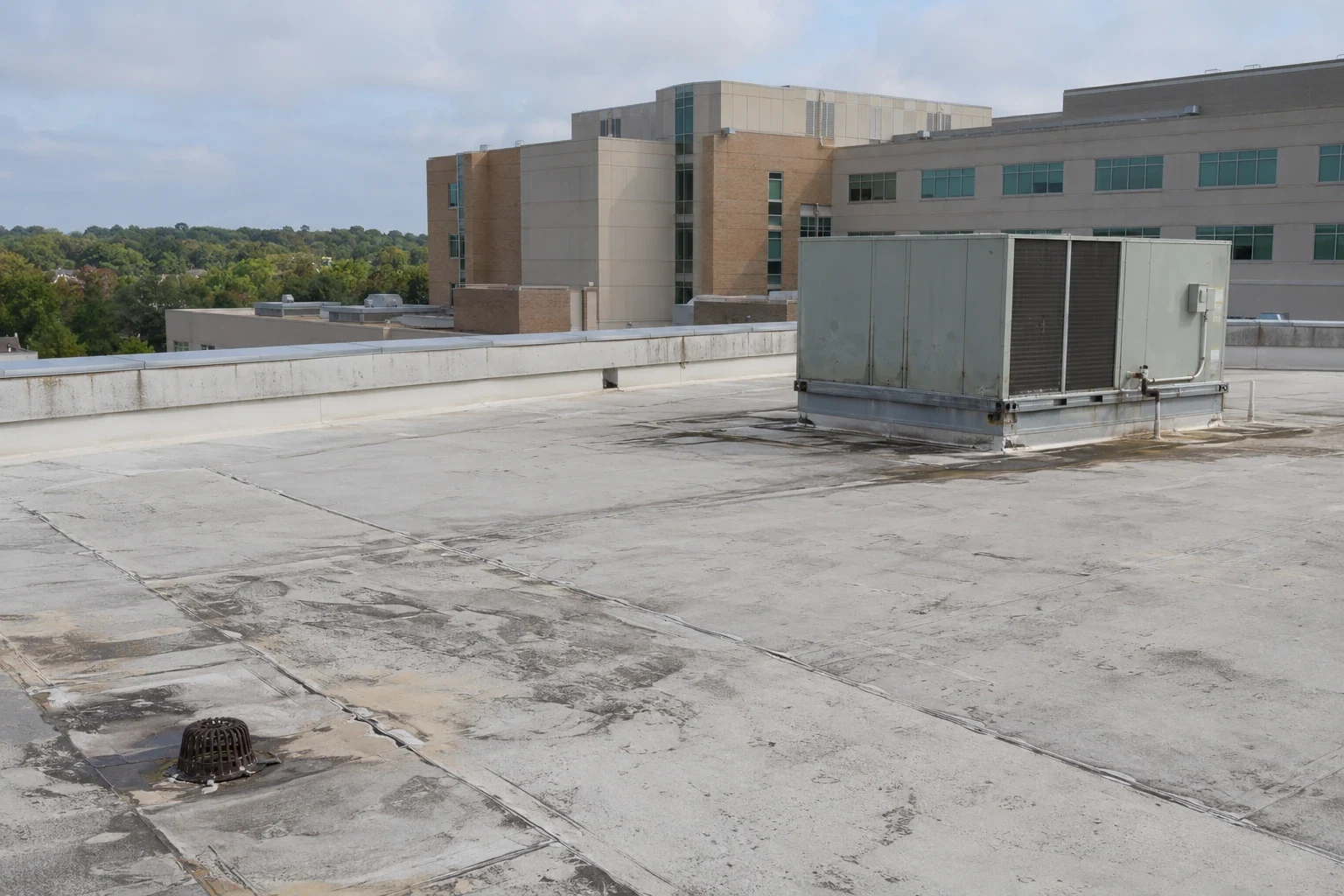
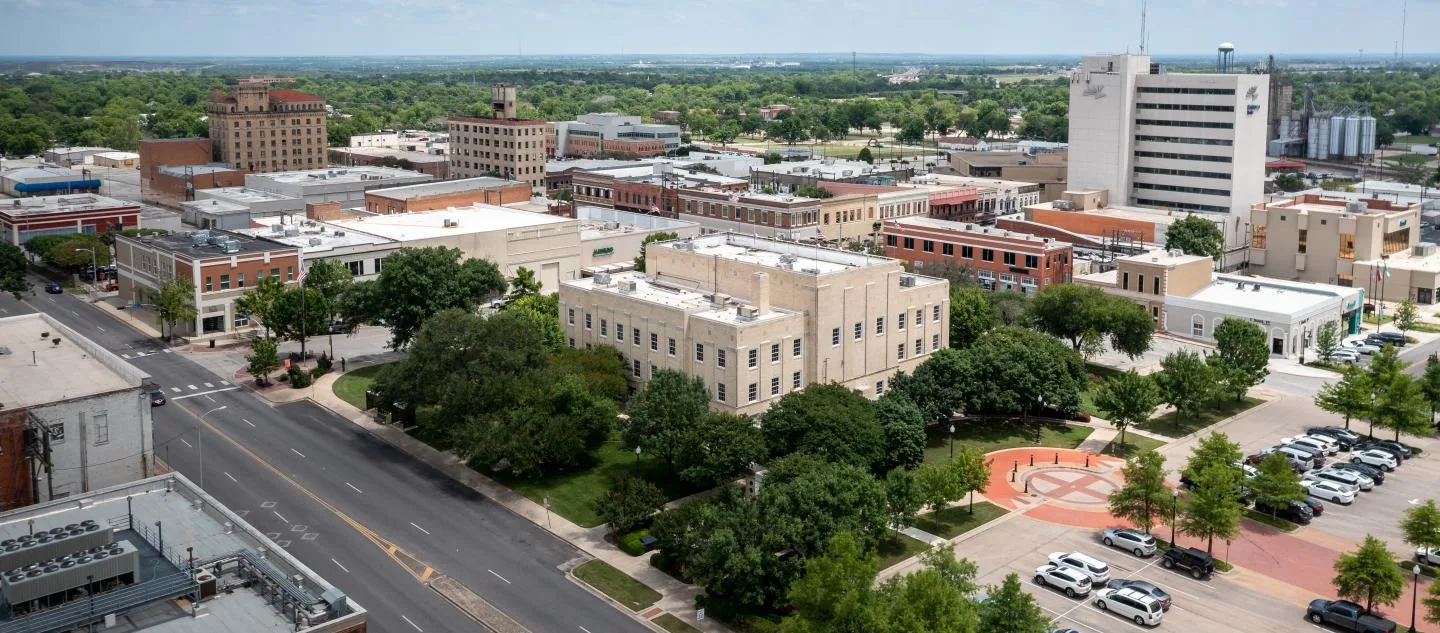
Who is under the roof right now, and what happens to them if it rains at ten this morning? Every occupied reroof begins with that question, because the roof is open for some part of every working day and the people below cannot go home. A clinic cannot cancel patients. A distribution building cannot stop trucks. An office cannot tell tenants to wait a week, and a retail strip cannot close its doors for the season. In Temple, TX, where storms arrive with little warning and buildings serve healthcare, freight, and manufacturing, the plan matters as much as the membrane, and the asset manager needs it in writing before the first dumpster arrives.
How is the roof divided into work areas?
Into pieces small enough to close every day. The roof sketch is cut into numbered zones, each sized to what a crew can tear off, insulate, and dry in before it leaves. A zone is never left open overnight unless a temporary roof is in place and the forecast is checked.
Zones are sequenced by what sits beneath them. Areas over sensitive equipment or high-value inventory are scheduled for the lowest-risk windows and the best forecasts. Areas over parking, loading docks, or empty space go first. The sequence sheet goes to the facility manager before work starts, with each day's zone, expected noise, and access limits.
What if the weather turns during the day?
The plan assumes it can. Rain here totals about 39 inches in a typical year, and May, at roughly 5.4 inches, is the wettest month, so spring storms can show up quickly. The crew carries tarps, temporary seals, and cut-off details staged at the edge of each work zone. A forecast check runs before each day, and the zone size is reduced when risk rises.
May 2024 showed how fast things change: an EF-2 tornado hit Temple on May 22, and straight-line gusts estimated at 80 to 90 mph came through the city that evening. Nobody can plan around that, but a crew can respond to a watch. When warnings are issued, the open area is closed down to a safe dry-in, loose material is secured, and the site is left in a state the building can ride out.
Wet insulation is the hidden risk of an interrupted tear-off. Board that gets rained on cannot be dried in place and will trap moisture under the new membrane. The crew therefore installs only the insulation that will be covered by membrane the same day, and any board left exposed is wrapped and removed if it gets wet. A moisture reading at closeout confirms the covered area is dry.
How do noise, dust, and fumes get controlled?
By scheduling and by barriers. Tear-off, fastener driving, and hoisting are loud, so they are timed away from meetings, procedures, and quiet hours the tenant identifies. Torch-free methods are used where fumes or fire risk matter. Adhesives and hot-applied products are kept away from air intakes, and intakes are shielded or shut by the mechanical contractor during sensitive operations.
Dust and debris are contained with chutes, covered dumpsters, and sweeping at the end of each day. Interior protection goes up below work zones: ceiling protection in sensitive rooms, covered equipment, and sealed penetrations. For rooms with no ceiling tile, an overhead shield catches falling grit from the deck. For a medical office roofing project, those controls are written into the plan up front, and for a plant they follow the site's safety rules. A hospital campus adds negative-pressure zones and construction barriers that staff inspect during hospital roofing work, and the same discipline applies in smaller form to any building with sensitive rooms.
Who controls access to the roof and the site?
The owner or facility manager, with the crew following written rules. Entry gates, badge checks, parking, delivery windows, and laydown areas are agreed in advance. Hoisting zones are fenced, and walkways below are protected or rerouted. Truck and rail schedules are respected, which matters on freight-heavy ground such as the Temple Industrial Park, where the sites have road and railroad line access.
Fall protection, hot-work permits, and utility locates are handled before work starts. Rooftop equipment stays in service whenever possible, and any shutdown is scheduled with the building's operator. The crew leader reports to a single contact each day, so there is one voice on each side.
Security and safety rules vary. A pharmacy may restrict who can pass certain doors, a plant may require safety orientation for every worker, and a school or a clinic may bar certain tools or activities near occupied rooms. The crew reads those rules before the first day and signs off on them. If a rule conflicts with the schedule, the schedule changes.
Do some roof systems suit occupied buildings better?
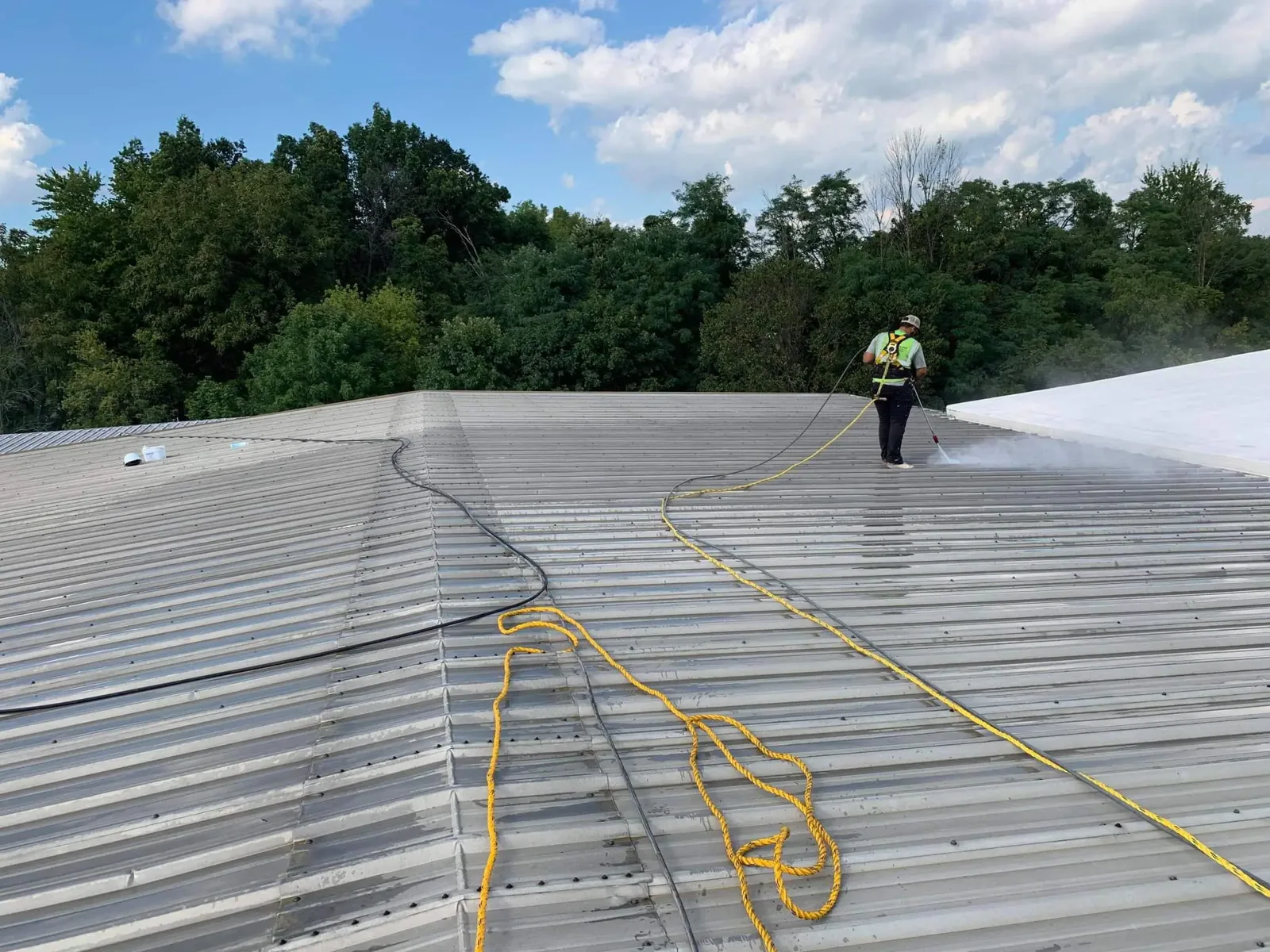
Yes. Cold-applied adhesives, mechanically fastened membranes, and self-adhered sheets avoid open flame. A roof recover avoids tear-off and the debris and noise that go with it, when the existing roof is dry and sound. A coating avoids both, and roof coating restoration can be the least disruptive route for the right roof.
When tear-off is needed, the crew removes only what can be replaced the same day. Insulation is staged on the roof in covered stacks, never in the stairwell. The system choice is recorded with the reasons, including the occupancy constraints that drove it, so the next reroof can start from the same assumptions.
What does daily closeout look like?
Photographs of the work area, a dry-in check, a sweep of debris, and a short written report to the facility manager. The report lists what was done, what is planned next, any change, and any problem. Drains in the work area are cleared and tested. Equipment disconnected for the day is confirmed back in service.
At completion, the owner receives the full file: sectional photographs, product and attachment records, the drain log, and a summary of any issue that came up and how it was resolved. Owners with buildings across Temple and the Belton and Killeen area get the same close-out package for every roof.
Commercial Roofing Questions
Can a hospital or clinic stay open during a reroof?
Yes, with infection-control planning, intake protection, and phased work. The facility team reviews the plan, and the crew follows their rules for dust, noise, and access. Sensitive procedures are scheduled around the noisiest tasks, and the open area is small and closed each day.
What happens if rain is forecast on a tear-off day?
The zone shrinks or the day moves. We do not open more roof than we can close, and the forecast check is part of each morning's routine. Temporary protection is staged at the zone edge. If the forecast is too uncertain, the better call is to wait.
How do tenants find out what is happening?
Through the property manager, who receives a schedule and a daily summary. We recommend notices for noisy phases, intake interruptions, and parking changes. A single point of contact on each side keeps the information consistent.
Will the reroof void any tenant's lease provisions?
That depends on the lease, so the owner should review it. We provide the schedule, the noise and access plan, and the product information the owner needs to show tenants. Disputes are less likely when tenants see the plan early and get the daily updates.
Can the work be done at night?
Some tasks can, but night work brings its own hazards: lighting, visibility, and fatigue. It is most useful for operations like intake shutdowns or work over sensitive rooms. The plan weighs those tradeoffs for each building and the owner decides what to authorize.