Emergency Roof Repair
Storms do not check the calendar, and neither does the phone line. A roof can fail at two in the morning on a holiday, and the person who answers needs to know three things within a minute: is water getting in, is anyone at risk, and what can be done tonight. We answer around the clock, every day of the year, and we run the call the same way each time so nothing is missed when the pressure is highest.
Emergency work is not the same as permanent repair. It is the first hour and the first night: stop the water, protect the building, document the damage. The permanent scope comes after, once the weather has passed and the roof can be inspected in daylight. Owners in Temple, TX who understand that split make better decisions during a storm, because they know what the first crew is and is not there to do.
What do we ask on the first call?
The questions are short. What happened, and when? Is water coming in, and where? Is the interior safe, or are there electrical, structural or occupant concerns? Can we reach the roof safely, and is there anyone on site who can show us the area? Those answers decide whether the crew goes out tonight or first thing in the morning, and whether the first step is a tarp, a temporary seal or a power shutoff coordinated with the building engineer.
We also ask about the roof itself: the system, the approximate age and any recent repairs. That information shapes the tools and materials the crew brings. A single-ply membrane takes a different temporary seal than a standing seam metal roof, where panel laps, clips and ribs shape how a temporary cover can be attached. Arriving with the right supplies saves the first hour, and a crew that has to leave for materials loses time the building cannot afford.
What does make-safe work include?
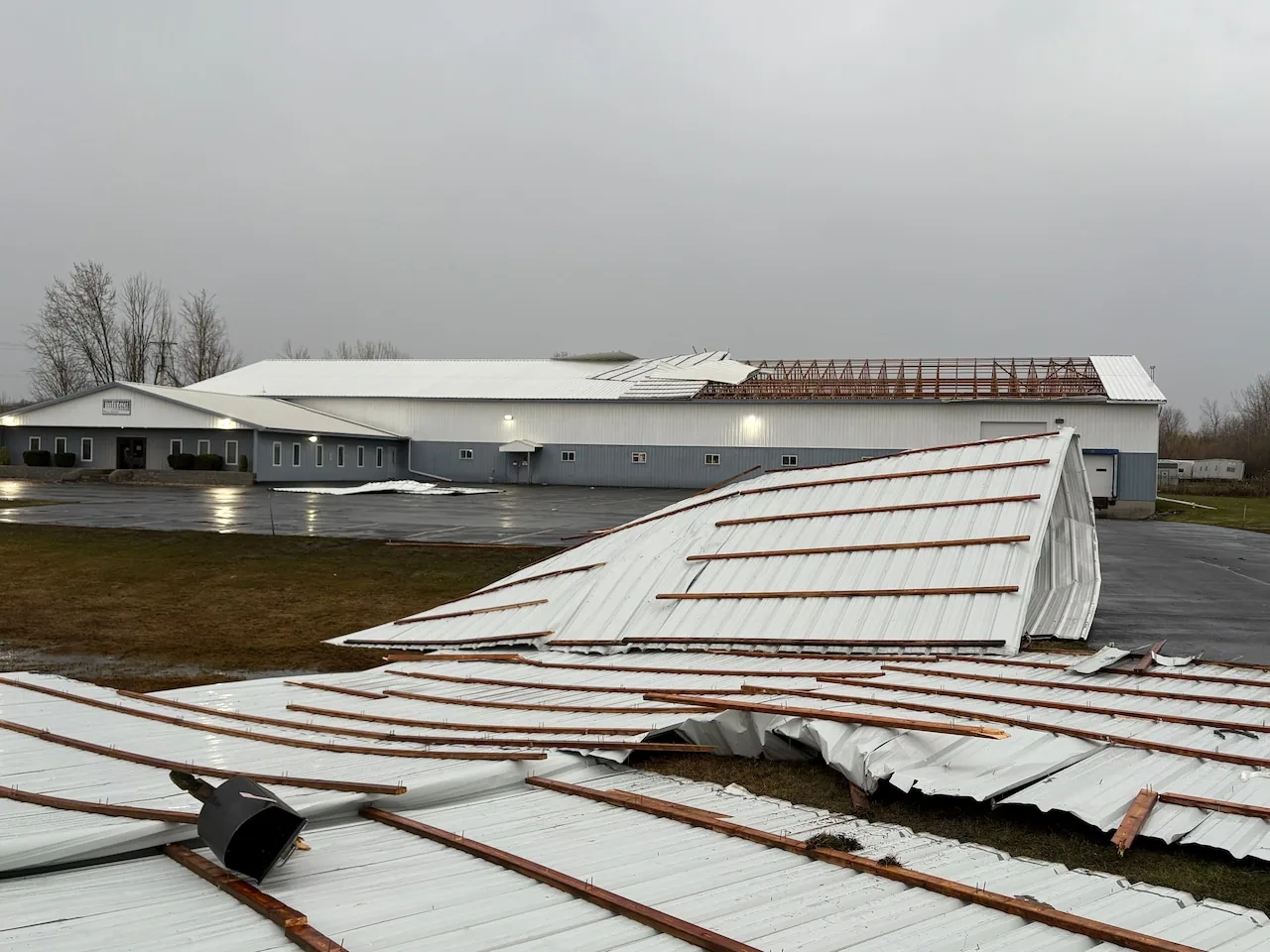
Make-safe work secures anything that could blow loose or fall: lifted edge metal, loose coping, displaced rooftop panels, damaged skylight domes. Then it closes the openings. Depending on the damage that means heavy-duty tarps fastened to the deck or the parapet, a temporary patch bonded to the membrane or a panel of sheathing over a hole. The point is to keep water out and keep the building usable until the permanent work is ready.
Tarps are not cheap protection when done poorly. A tarp that is not secured at the edges becomes a sail in the next wind gust and can do more harm than the original damage. We fasten and ballast them to the building's actual structure and note how long the temporary closure should stay in place.
How does tornado and wind exposure shape the response?
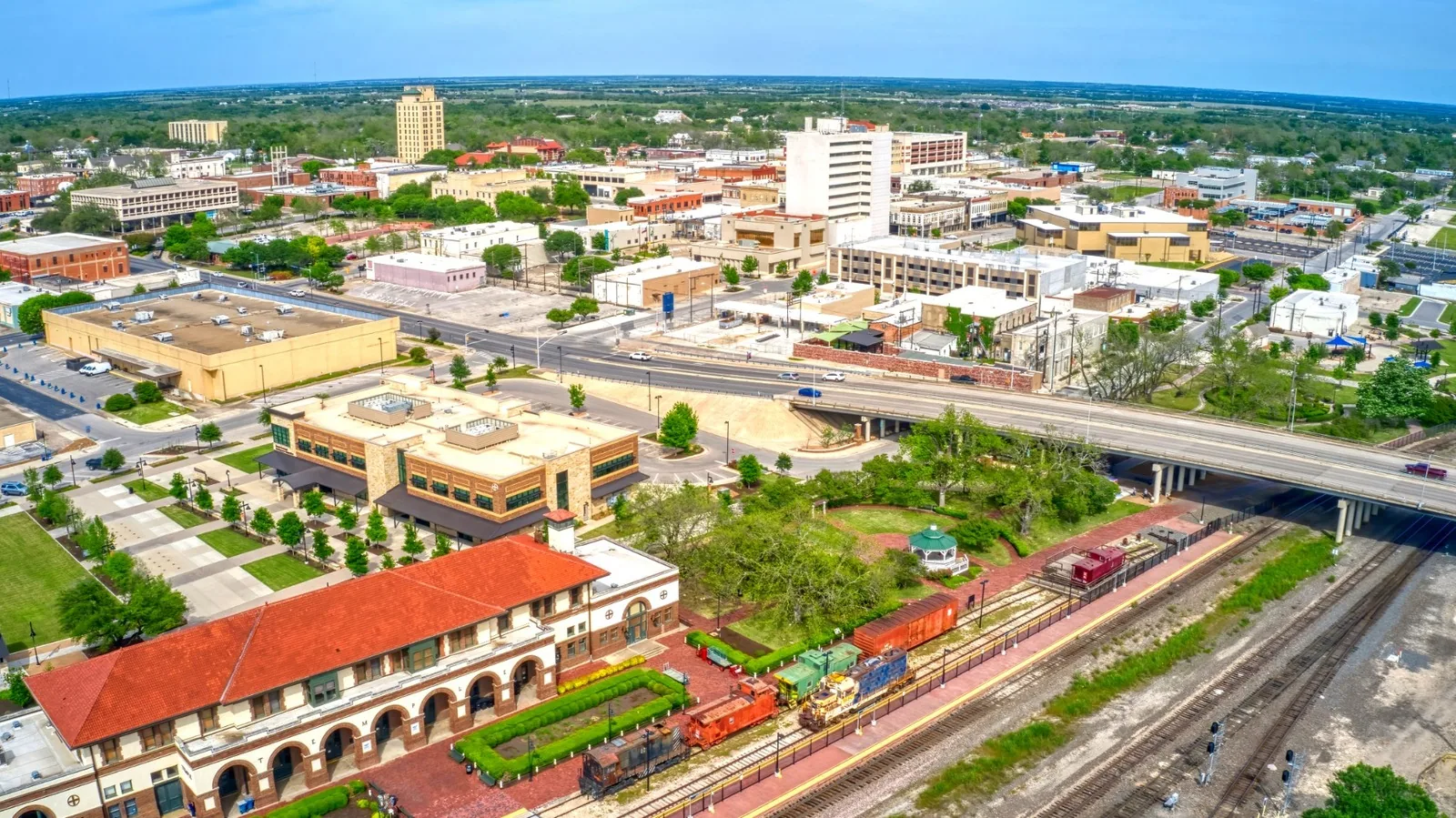
On May 22, 2024, an EF-2 tornado with peak winds near 120 mph crossed Temple, and a second, EF-1 tornado began near Little River-Academy that evening. The same survey put straight-line gusts at 80 to 90 mph over Temple. The damage it recorded included restaurants, shops, banks and strip malls, so an emergency call after an event like that can come from many owners at once.
When demand surges, triage matters. We sort calls by active water intrusion, structural risk and building function, and we tell each owner when a crew can realistically arrive. Buildings that stay open to the public or serve vulnerable occupants, such as clinical buildings in the Temple Medical and Education District, move up the list when water is entering. Once the emergency has passed, the permanent scope for a tornado-damaged roof follows its own list of edge, flashing and membrane repairs.
What gets documented, and why?
Before anything is covered, the crew photographs the damage: wide shots of the area, close-ups of the failure and the surrounding membrane, interior water damage and the temporary closure after it is placed. Measurements and a simple sketch of the roof area go with the photos. Those items support the insurance claim and give the permanent repair a clear starting point.
Insurance adjusters generally want to see the roof as it was after the event, which is why we do not remove damaged material beyond what is needed to make the building safe. If a claim is likely, the owner should tell us early. We keep the records organized and can walk the adjuster through them; the work we do in roof insurance claim assistance turns those photographs into a clean claim file.
How can a building prepare before a storm arrives?
Preparation is cheap compared with a night of active leaks. Clear the drains and scuppers so water can leave the roof, secure loose items on the roof surface, and make sure rooftop access is known and open to the crew. Keep a current roof plan and the contact for whoever holds the keys.
Owners of warehouses and distribution buildings, such as those in the Rail Park at Central Pointe, should also know where electrical panels, sprinkler risers and product sensitive to water sit relative to the roof. When water starts to come in, that map decides what gets moved first. A short walk-through twice a year, ideally before spring storms and again before fall, takes less time than the first hour of an emergency.
What happens after the emergency?
The temporary closure buys time. Within a short window, we return to inspect the roof properly, in daylight, with a clear surface and dry conditions. That inspection decides the permanent repair scope, whether that is a storm damage repair of the affected area or a larger conversation about the roof's remaining life.
An emergency call can reveal older problems. A tornado or wind event may expose seams that were already weak or insulation that was already wet. We separate storm damage from pre-existing conditions in the report so that claims and capital plans each get the information they need.
Commercial Roofing Questions
How quickly can a crew reach a building?
Arrival depends on the volume of calls, the weather and road conditions. We confirm a realistic window on the first call rather than promising a time we cannot keep, and we update the building contact if conditions change.
Will a tarp stop all the leaking?
A properly secured tarp or temporary seal stops most water entry, but it is a short-term measure. It can be disturbed by wind, and water can still track beneath it if the deck or insulation is already wet. Permanent repair is the real fix, and the owner should plan for it within days of the event, not weeks. Water that finds a way under the cover keeps working on insulation and deck until the roof is rebuilt.
Do I need to call my insurance company before the emergency repair?
Notify the carrier as soon as is practical, but do not delay protecting the building. Most policies expect the owner to take reasonable steps to prevent further damage, and the documentation we collect supports.
What if the damage is on a leased building?
Both the owner and the tenant may have responsibilities depending on the lease. We coordinate with whoever has authority over the roof and document the work so the lease-holder and owner can sort out costs afterward.
Can emergency work be done in high wind or lightning?
Not safely. Crews stop when conditions threaten their safety. We use the pause to prepare materials and, where we can, protect the interior from the inside until the weather allows roof access.