Standing Seam Metal Roofing
A standing seam roof that leaks usually leaks at a penetration, a panel end or a sealant joint, not through the panel itself, and the first hour is spent finding which. Standing seam metal is a system of long panels with raised, mechanically locked seams and hidden clips that let the metal move. In Temple, TX a leak under a metal roof can show up first on a ceiling grid, and the asset manager needs to know whether the problem is a quick seal or a system issue.
The triage call separates the two. A make-safe step stops the water, the intake record documents the failure point and the permanent decision waits for the walk.
What makes a standing seam roof different from other metal?
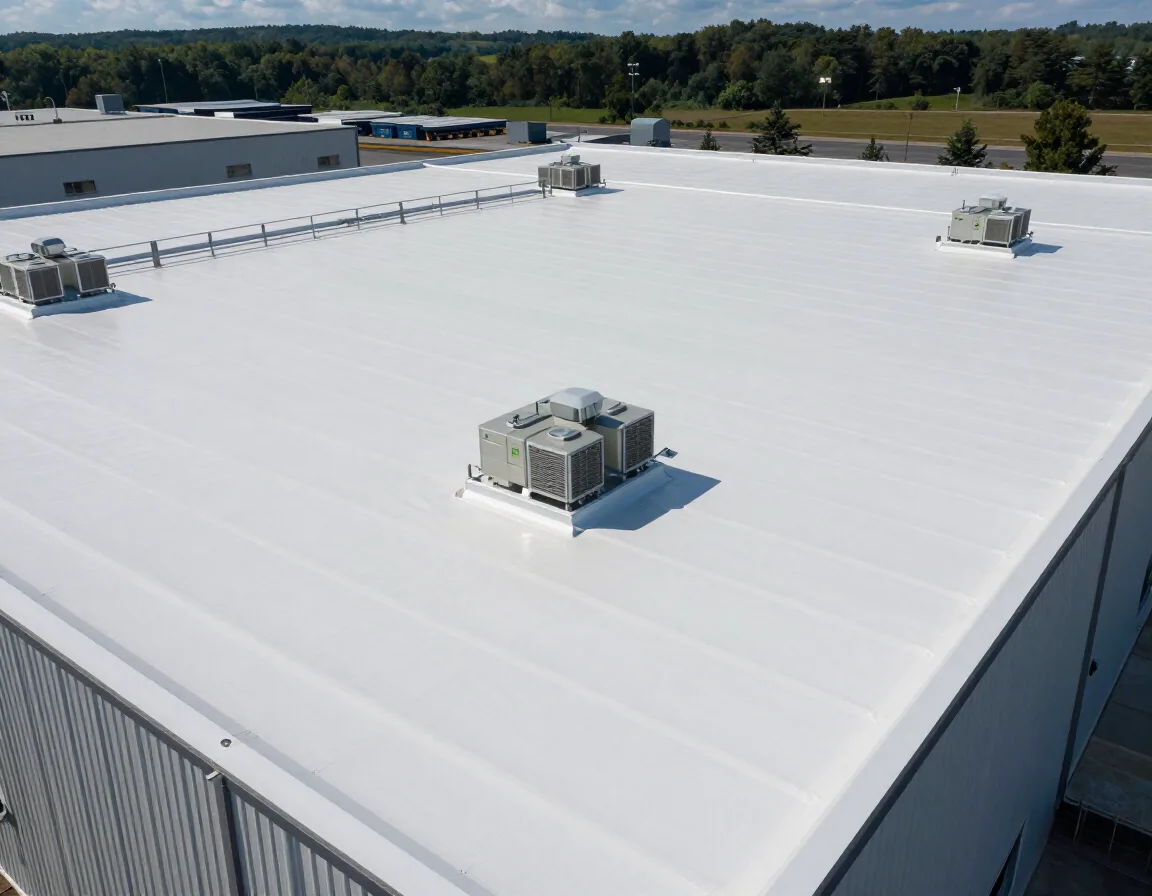
Exposed-fastener metal panels are screwed through the face, and the screws and their washers are the weak point. A standing seam roof hides its fasteners under the raised seams, and a clip system allows the panels to expand and contract with temperature. The panels run from eave to ridge, so there are few horizontal laps, and the seams are crimped or snapped tight to shed water.
The design suits low-slope and steeper roofs alike, and it carries a long service record. It is also unforgiving of mistakes at the details. A panel end that is cut and closed poorly, a curb that is not flashed to the system's requirements or a clip that is under-fastened shows up as a leak, a rattle or a panel that walks out of position. The panel profile, the gauge of the metal and the clip spacing set how the roof performs in wind, and the core of the intake record is a note on each, taken from the roof if the drawings are missing.
Where do standing seam roofs fail?
At the penetrations, the transitions and the ends. Pipe flashings, curb corners, skylights, ridge caps, eave closures and gutters rely on sealant and small metal pieces, and those age faster than the panels. We probe each sealant joint, check each fastener and photograph the panel ends where water can back up under a closure.
Thermal movement is the quiet driver. With August highs near 95F and some eighty days a year above 90F, a long metal panel in Temple grows and shrinks through the season, and the clips must slide as it does. A clip that is pinned by a fastener or paint cannot move, and the panel stresses the seam instead. That movement can loosen a sealant bead long before the metal shows any sign.
How does the roof hold up in high wind?
Wind uplift is the standing seam design's strength and its test. When the EF-2 tornado hit Temple on May 22, 2024, peak winds near 120 mph tore into restaurants, shops, banks and strip malls, and straight-line winds across the city were estimated at 80 to 90 mph. Panel edges, ridge caps and eave trim are where uplift starts, and a bent or lifted trim piece on a metal roof exposes the clip line behind it.
After a wind event, the make-safe step secures the trim and closes any opened seam. The intake record documents each lifted piece with dated photographs and a plan location. The wind damage roof repair that follows replaces deformed panels, resets clips and restores the seam lock. A wind rating belongs to the installed assembly and comes from the manufacturer's data, not from the look of the panels.
What does a holding repair buy on a metal roof?
A holding repair on standing seam is a re-sealed penetration, a replaced closure, a new trim piece or a re-fastened panel end, written as a bridge with the date it should be reviewed. Metal accepts a repair when the surface is clean and dry, and a sealant that is applied over dirt or in damp conditions fails again within months. The record states which conditions the work was done under.
When a building along Interstate 35 or Loop 363 has a leak after a storm, the first measure is mechanical: tie down the lifted trim, close the open seam and cover any exposed insulation. The sealant work and the panel replacement follow once the roof is dry. The asset manager receives the make-safe cost and the permanent scope as two separate documents.
Can a metal roof be restored instead of replaced?
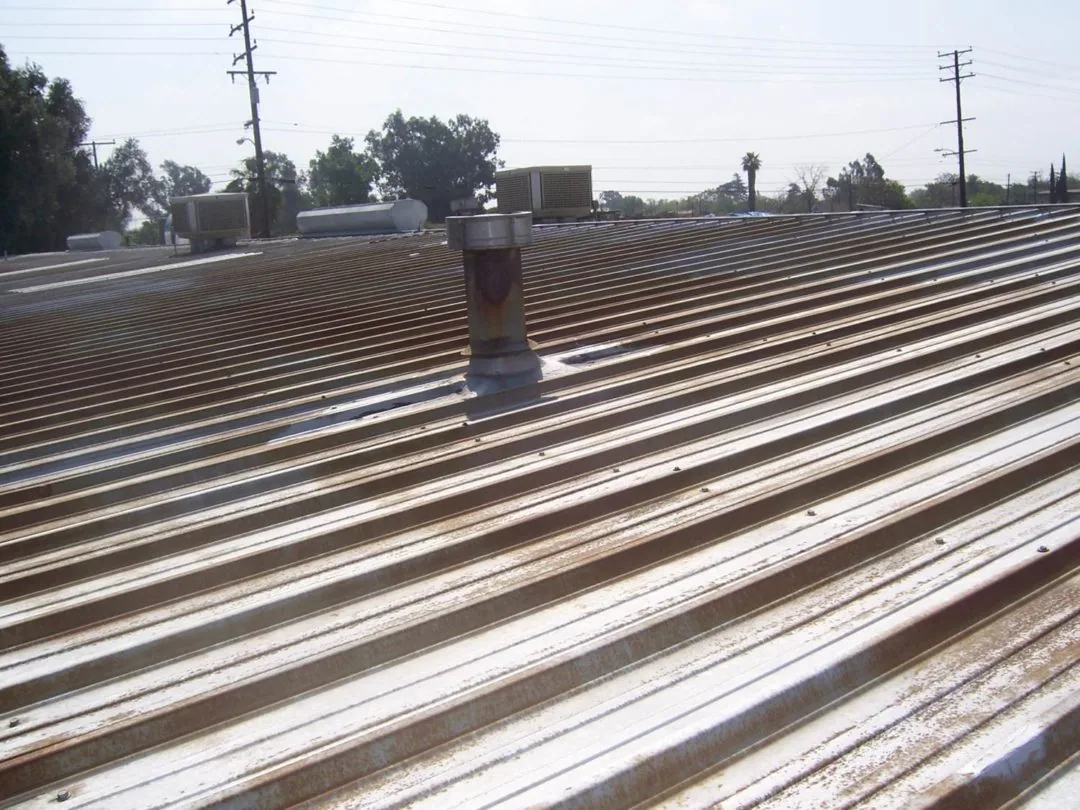
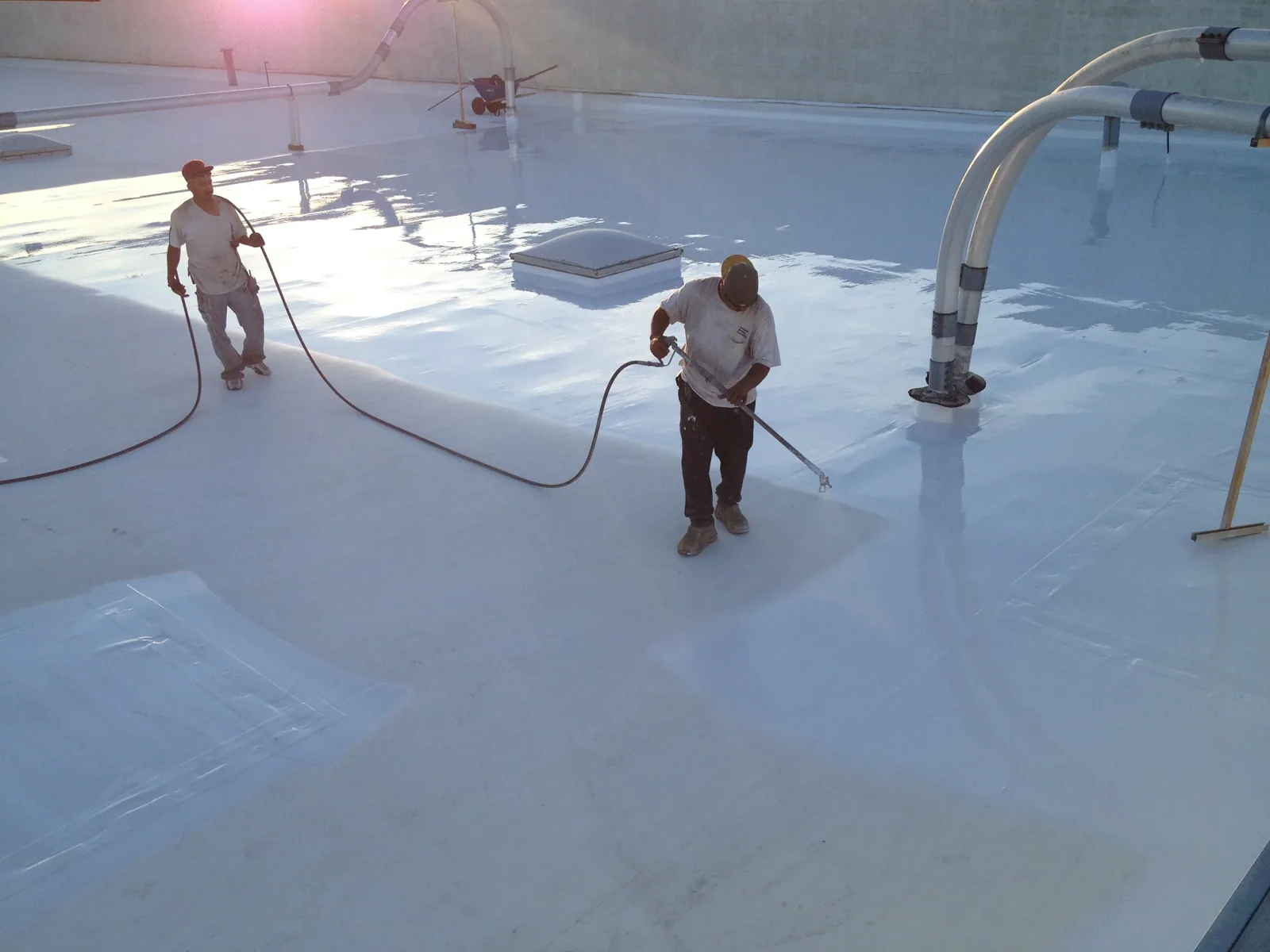
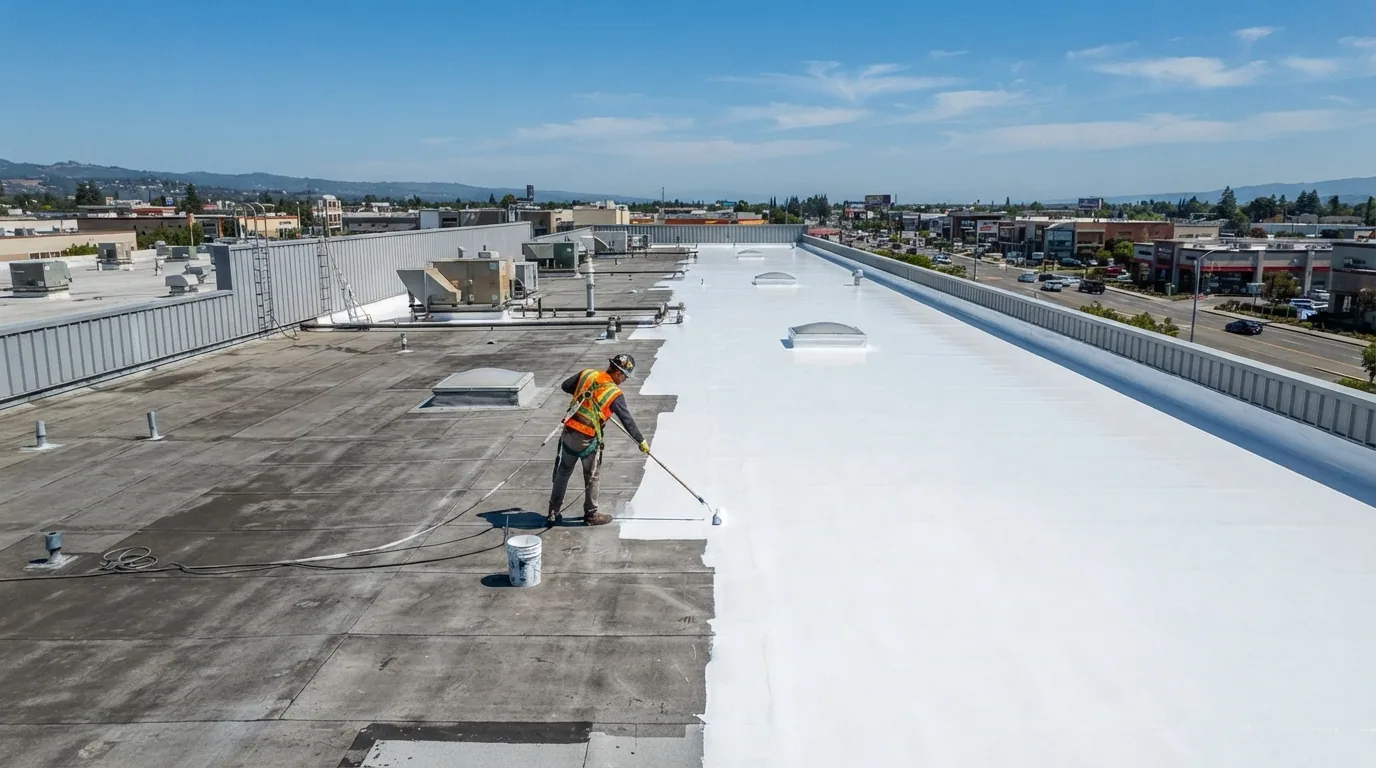
Often, when the panels are structurally sound. Restoration can include re-fastening, resealing seams and penetrations, replacing worn trim, and applying a coating to stop corrosion and reflect heat. A silicone coating or an acrylic coating is chosen by the substrate, the slope and the existing finish.
Where panels have rust-through, deep dents or failed seams over a long run, restoration is not enough. The scope then compares a panel replacement with a metal roof retrofit over the existing system, and states the weight, the clearance and the transition details the retrofit requires.
What does a new standing seam installation involve?
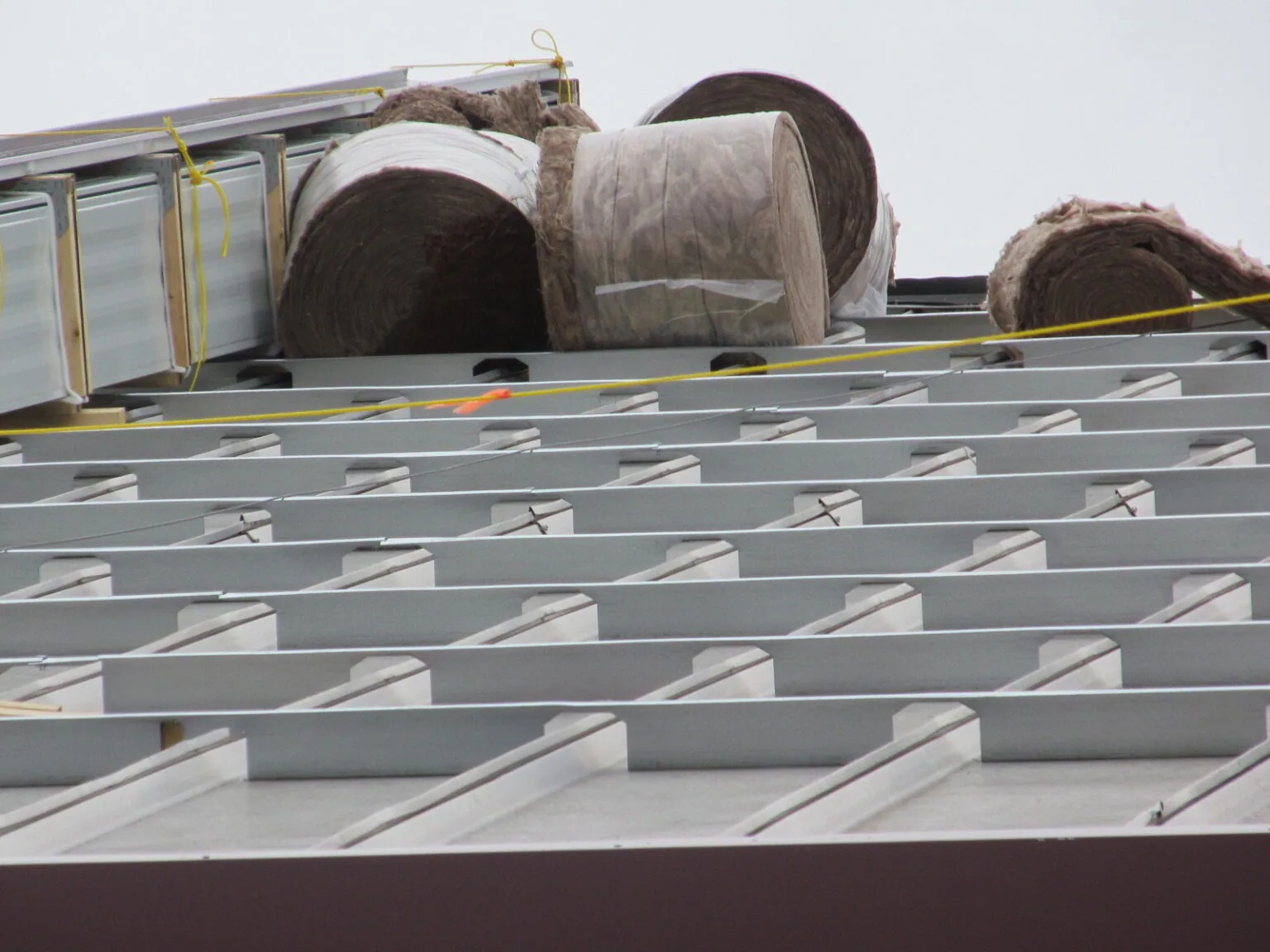
Roll-formed panels may be made on site or delivered in bundles, and both need a laydown area and a crane or hoist. The sequence runs from deck inspection to underlayment, clips, panels, trim and penetration flashings, and each step has a hold point. Panels are not cut shorter than the design calls for, and every panel end is closed according to the manufacturer's detail.
On a new building of the kind the Belton EDC puts up for sale or lease in the Belton Business Park, the metal roof schedule follows the building schedule. The foreman confirms the crane pick, the delivery order and the dry-in time for each section, and a probe check of seams and flashing closes the day. Material is staged in the order it will be installed, so that a bundle of long panels is never lifted across an occupied entrance or a live drive aisle.
How are metal roofs ranked among other roofs?
Metal roofs rank on seam, clip and sealant condition, with corrosion and prior repairs as modifiers. A roof with sound panels and failed sealants is a candidate for a restoration. A roof with deformed panels and rust is not. The ranking sets those roofs beside membrane roofs in the same portfolio, such as TPO or modified bitumen, so the capital plan funds the worst conditions first. Where a metal roof covers a building in Killeen or Belton as well as Temple, the same record format is used, so the facilities group can compare conditions without translating between reports.
Commercial Roofing Questions
Why does a standing seam roof leak if the panels are intact?
Leaks come from the details: penetrations, panel ends, closures and sealant joints. The fix is usually at the detail, not the panel, once the source is traced.
What is oil canning, and is it a defect?
It is a visible waviness in flat metal panels. It is generally cosmetic and does not by itself mean a leak, but the inspection checks that the movement is not stressing a seam or clip.
How do clips affect a metal roof's life?
Clips let the panels move with temperature. A clip that is fastened wrong or blocked by debris can pin the panel, and the stress shows up at the seam or the sealant.
Does a metal roof need maintenance?
Yes. Sealants, trim and penetrations need periodic checks, gutters and valleys need clearing and fasteners at exposed details need inspection. A short annual visit catches most small failures.
Can a coating stop leaks on a standing seam roof?
It can seal small seam and fastener leaks and reduce heat, if the metal is sound and clean. Large movement joints and rusted areas need repair before the coating goes on.