Solar-Ready Roofing
What happens to the array when the roof under it fails? That question should be answered before a single rail is bolted down, because pulling panels to fix a leak costs more than the leak. A solar array on a commercial roof is a long commitment sitting on a roof that may be nowhere near that age. In Temple, TX, where summer sun is strong and spring wind is real, an asset manager considering solar needs the roof to be ready first, and needs a plan for working around the array when something goes wrong.
Is the roof old enough to be a problem?
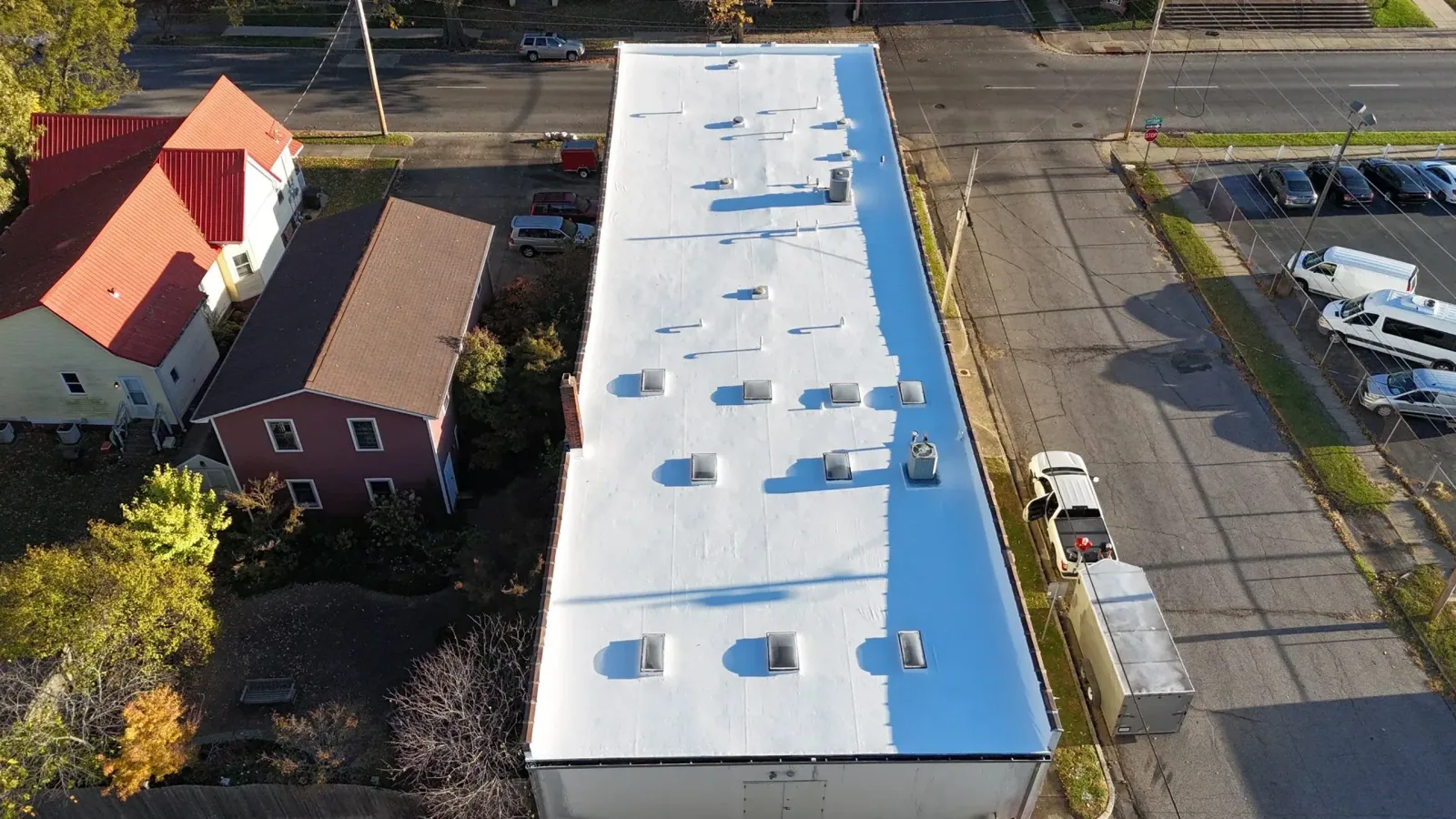
Age is the first filter. Mounting an array on a roof with ten years of life left means removing and resetting every panel before the array has paid back. The cheaper path is to reroof first, or to coat a sound roof to extend its life past the array's payback period.
We assess the membrane, the seams, the insulation, and the flashings, and we run a moisture survey. The finding is a plain statement: this roof can carry the array for the planned term, or it cannot, and here is what would change that. A multi-site owner with roofs in Belton and Killeen as well as Temple gets that statement for each building, which makes a solar rollout easier to sequence. Where the roof is sound but aging, a roof coating restoration can buy years. Where it is not, replacement ahead of solar is the efficient order.
Can the structure and deck carry the load?
Panels, racks, and ballast add weight, and wind adds uplift on top of it. The deck, the framing, and the connections must handle both. That is an engineering question, and it belongs to the structural engineer on the solar project. Our part is to tell the engineer what the roof actually is: deck type, thickness, condition, insulation, and attachment of the existing system.
Core cuts and fastener pull tests supply that data. A deck with rust, delamination, or soft spots changes the design. A concrete or steel deck is a different case from a lightweight system. The findings go into the record with photographs, so the engineer is working from facts, not drawings that may be out of date.
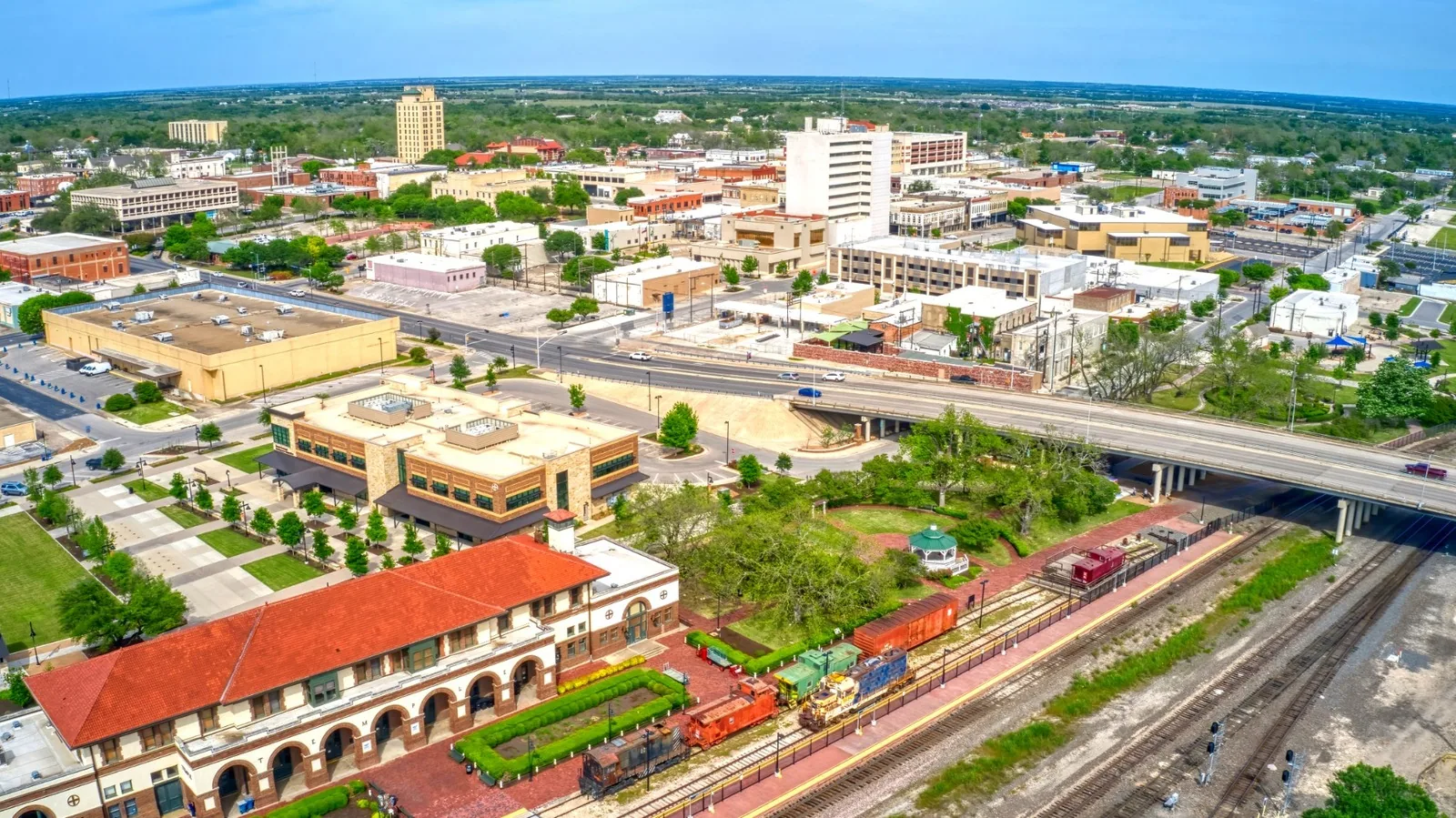
Large flat roofs are the usual solar targets, and Temple's stock includes distribution buildings, plants and healthcare buildings, among them the H-E-B and Walmart regional distribution centers. Size alone says nothing about condition, which is why each roof gets its own survey. A building in the Rail Park at Central Pointe and one downtown may have very different decks, ages, and drainage, and the record treats them separately.
How does wind change the attachment plan?
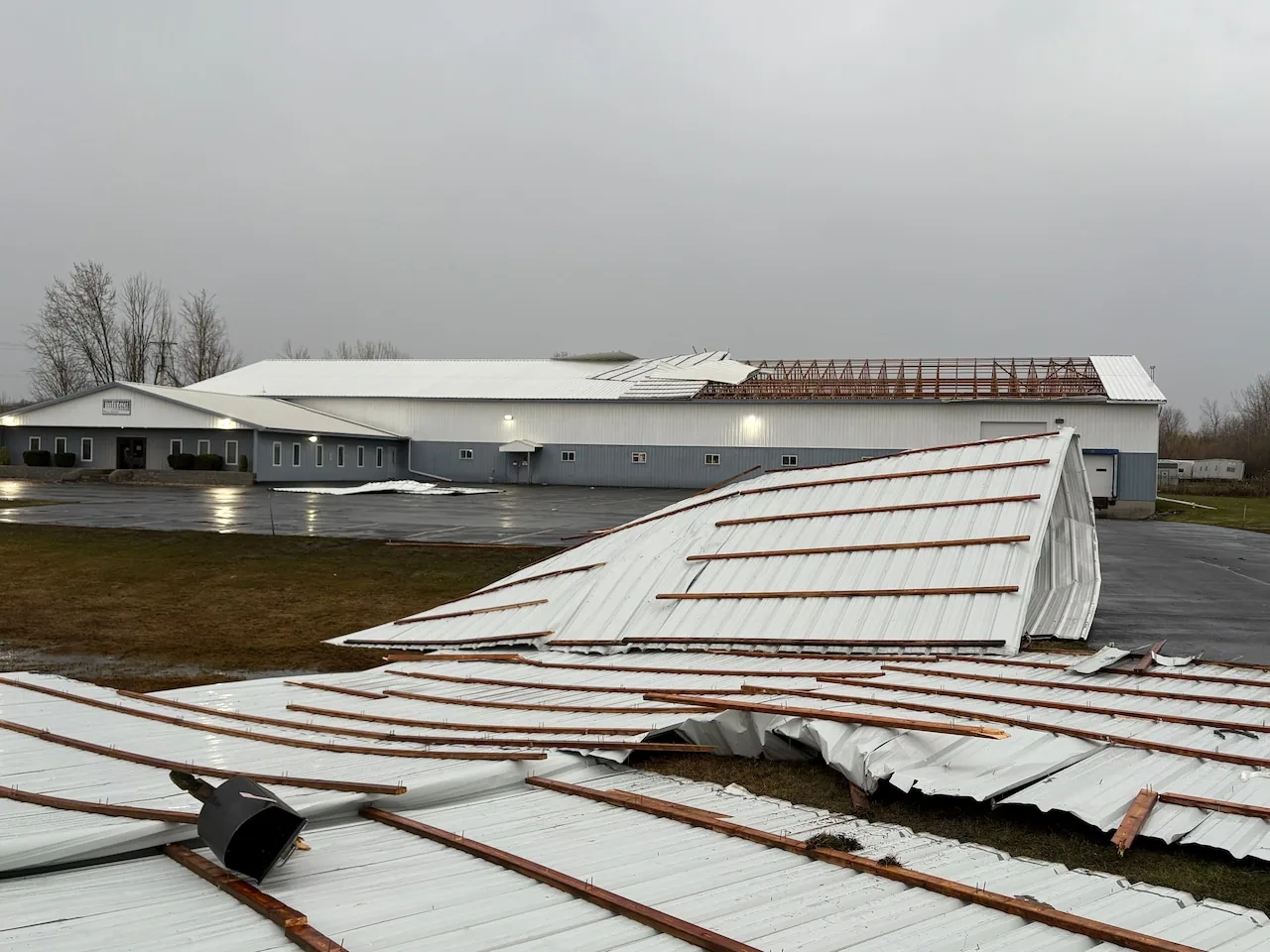
Central Texas gets real wind. Wind loading deserves respect here. Temple took an EF-2 tornado on May 22, 2024, and the evening brought straight-line gusts estimated at 80 to 90 mph on top of it. Arrays create their own uplift and shear, and they concentrate load at each mounting point.
Attachment options include ballasted racks, mechanically fastened mounts through the roof, and adhered mounts on certain membranes. Each has consequences. Ballast adds weight and can shift. Fastened mounts penetrate the roof and need flashing at every post. Adhered mounts depend on clean substrate and temperature. We review the choice with the solar contractor and write down who flashes what, since split responsibility is where leaks start.
Who owns the penetrations?
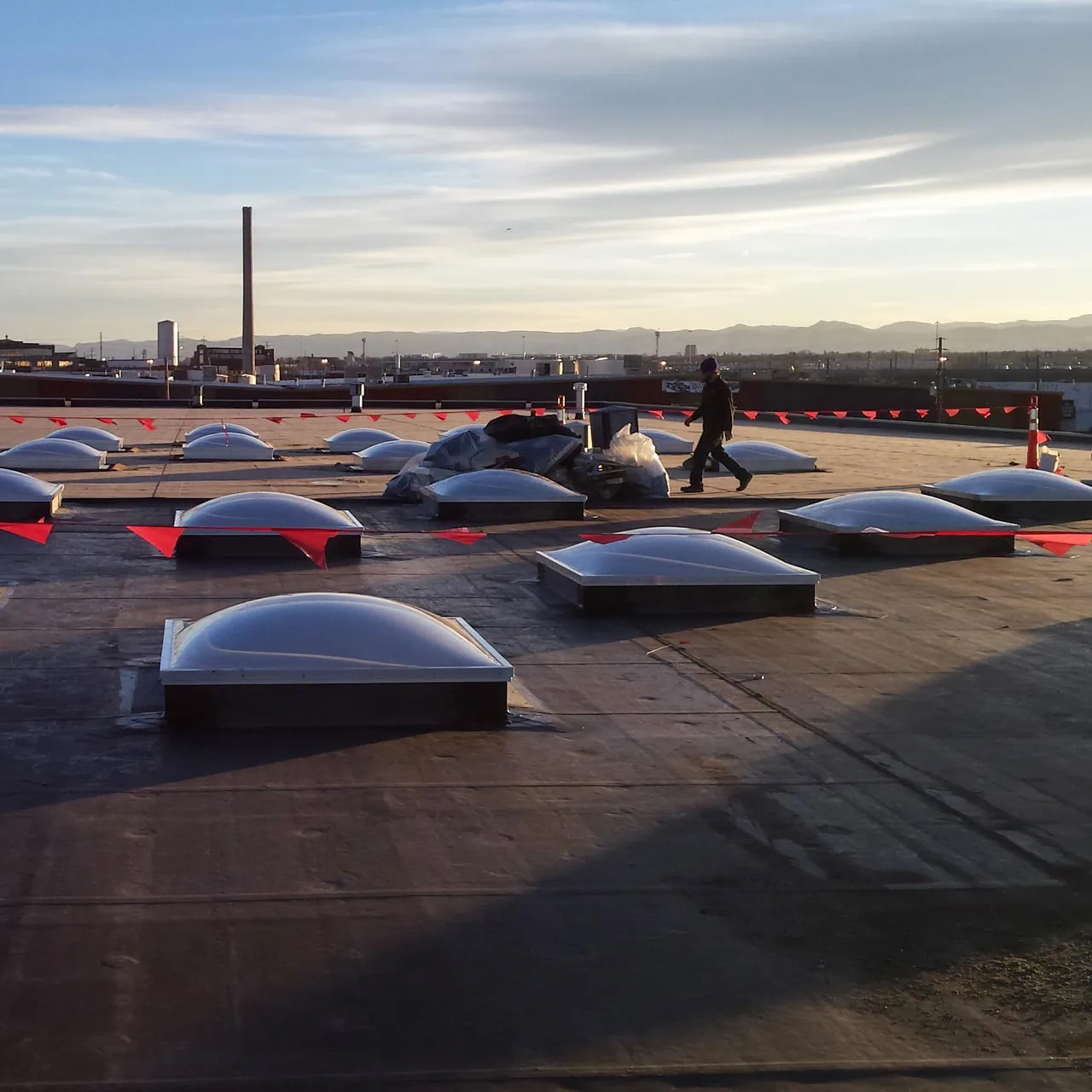
Every roof penetration for an array is a leak path. Posts, standoffs, conduit entries, and combiner boxes each need flashing sized to the roof system and compatible with it. If the solar contractor flashes the posts and the roofer flashes the field, the joint between them is a risk. A written scope that names the party responsible for each detail avoids finger-pointing later.
On a roof with a manufacturer's warranty, mounting method can affect coverage, so the owner should review the terms before design. We document the roof before and after installation with photographs and a penetration inventory. That record is the base for skylight and penetration flashing checks at every later visit.
How should the array be laid out for future roof work?
With access in mind. Walkways between rows, clear zones around drains, and setbacks from edges and parapets let a roofer reach everything without lifting panels. Drains blocked by racks become ponding problems. Equipment curbs hidden behind arrays cannot be inspected. A layout drawn with the roof in mind saves removal costs for the life of the array.
Heat belongs in the layout discussion too. Panels run hot, and the roof beneath them sees shade by day and trapped warmth at night. Temple logs about 80 days a year above 90F, so ventilation gaps between the array and the membrane help both the panels and the roof. Racks that sit higher leave room for debris to clear and for a technician to see the membrane.
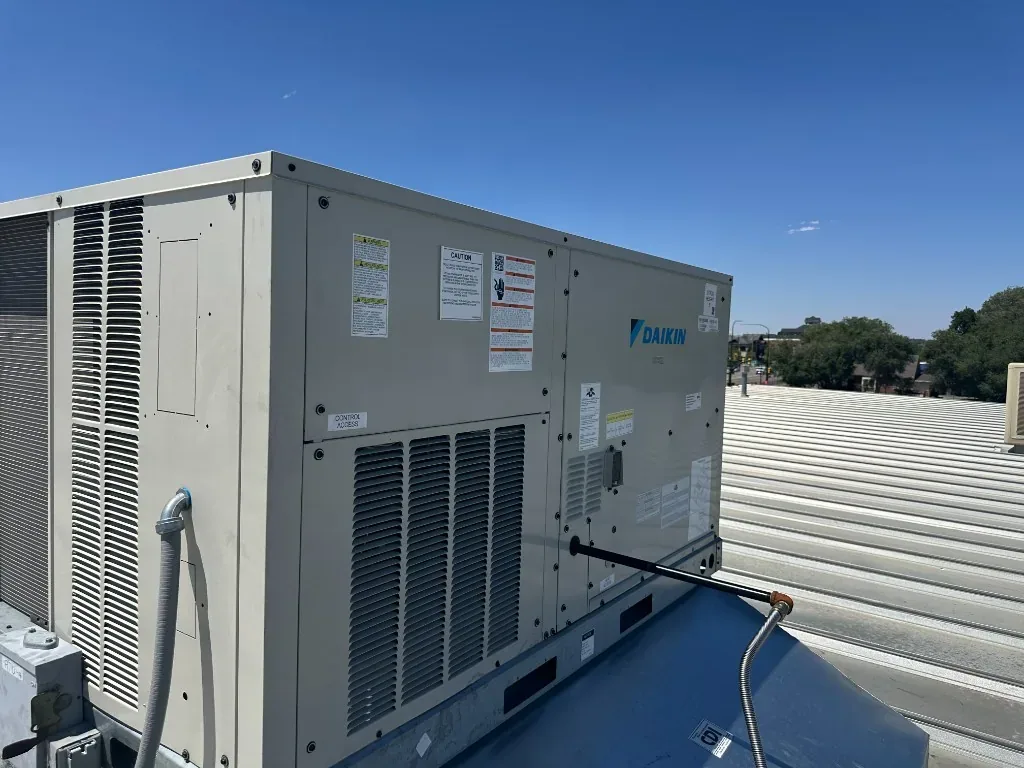
We review the proposed layout against the roof sketch and mark conflicts: drains, scuppers, expansion joints, curbs, and seams that need access. The rooftop equipment curbs and supports inventory and the drain log are the reference documents. Edge setbacks also help with uplift at corners, so the same marks serve the electrical, structural, and roofing needs.
What happens when a roof under an array needs repair?
A plan is needed before the day it happens. Small repairs between rows can proceed without moving panels. Larger repairs may need sections lifted and reset by the solar contractor, with the roofing sequence timed to the electrical shutdown. The cost of detach and reset is a line in the agreement.
Owners should keep the roof record and the array record together. Maintenance visits clean drains around the racks, check penetrations, and photograph membrane condition in the walkways. The Temple building owner with arrays on several roofs can hold the same file format for each, so a leak call tells the crew exactly where posts, conduit, and drains sit. That shortens the trace and the repair. A storm damage roof repair call after high wind begins with the same file, because the first question is always whether any panel or rack moved.
Commercial Roofing Questions
Should the roof be replaced before solar goes on?
If the roof has less remaining life than the array's planned service, yes. Reroofing first avoids detach and reset costs later. If the roof is sound and can be coated or repaired to last, the owner may proceed. The condition survey and moisture map give the answer in writing.
Does a solar installer handle the roofing details?
The installer handles the electrical and the racking. Roof penetrations and flashing may be split between trades. We recommend a single written scope that names who flashes each post and who warrants it. Without that, a leak at a post can bounce between contractors.
Can we put solar over a coated roof?
Often, yes, if the coating is sound and compatible with the mounting method. Ballasted racks sit on pads that protect the coating, while fastened mounts need flashing through it. A test of adhesion and a review of the coating manufacturer's guidance come first.
What does detach and reset involve?
The solar contractor disconnects and removes panels in a zone, the roofer repairs or replaces the roof beneath, and the contractor resets and reconnects. Scheduling, electrical shutdown, and weather all matter. Costs vary by array size, and the agreement should say who pays for what.
Does an array protect the roof beneath it?
It shades the membrane from sun, which can slow aging in those areas. It also blocks inspection, traps debris, and can alter drainage. The net effect depends on layout and maintenance. We inspect under and around arrays at every visit and note any change.