Government and Municipal Building Roofing
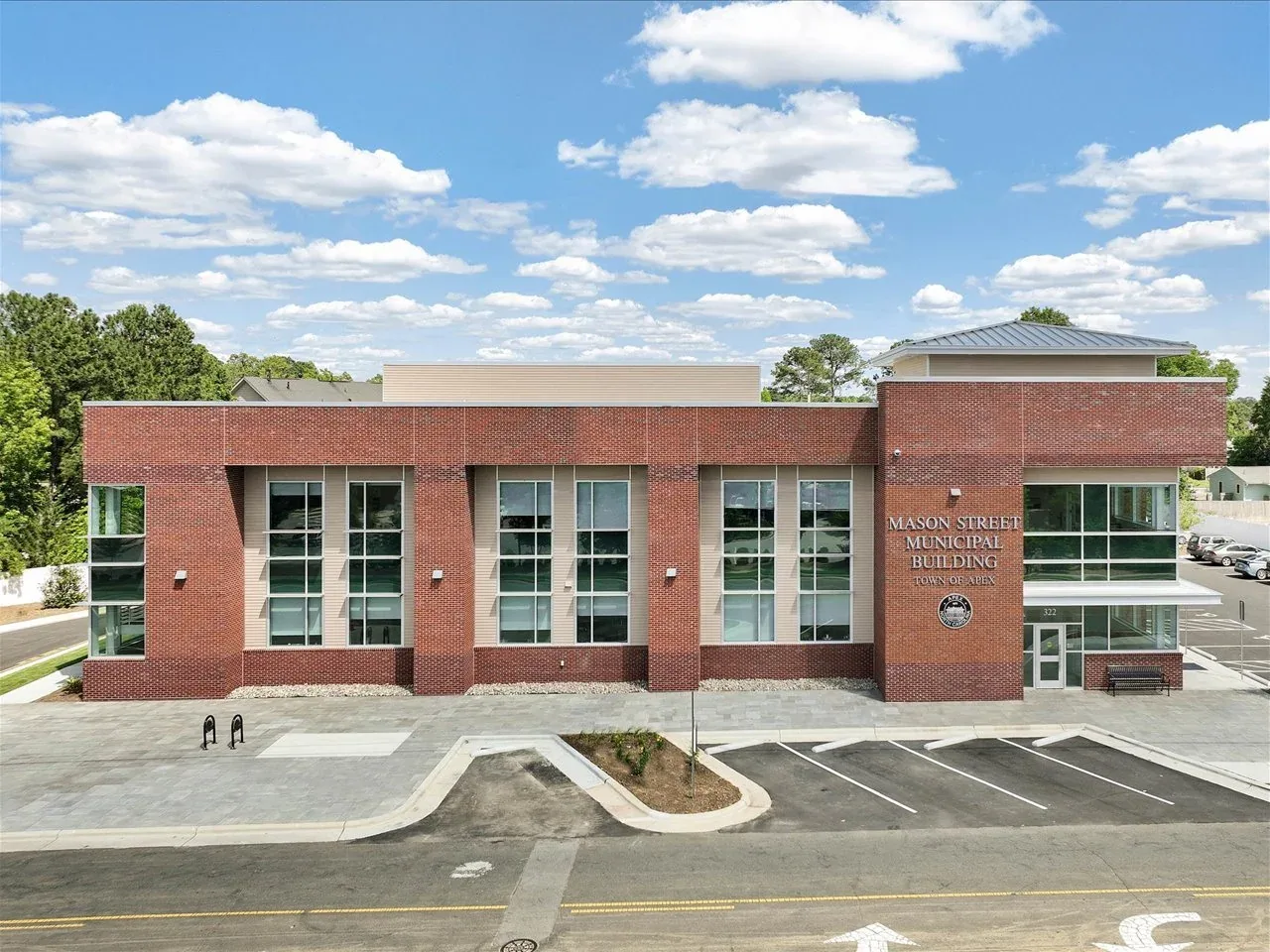
A roof opens over a public counter on a weekday, and the facilities supervisor has to decide in the first hour whether the office closes, shifts, or stays open under a tarp. Public buildings have an obligation that private ones do not: the service has to keep running, and every dollar spent has to be explained to someone later. In Temple, TX, a government roof record is built for both audiences, the supervisor in the moment and the auditor afterward.
What fails first on a public building roof?
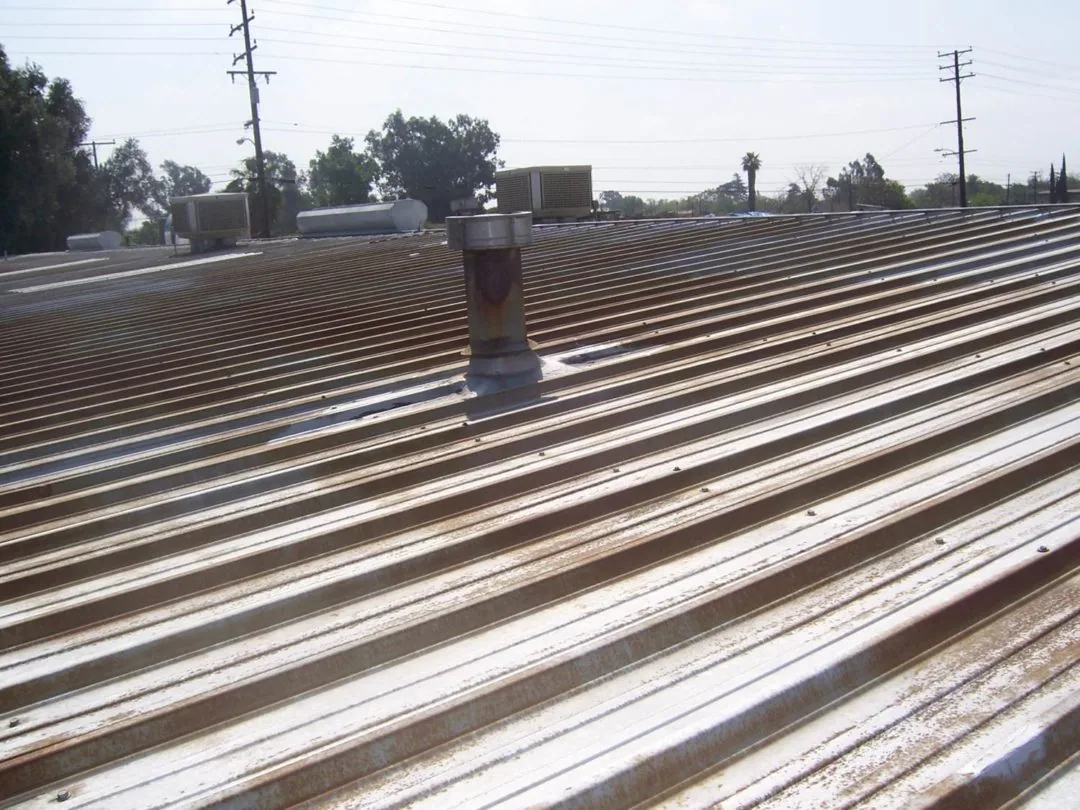
Drains, flashings, and the old repairs. Municipal and county buildings often carry roofs that have been patched across many budget cycles. Each patch is a seam, each seam is a failure point, and the pattern of repairs tells the story of a roof that has been managed one emergency at a time. Rooftop units, parapet walls, and additions from different decades add transitions where water finds its way in.
Each roof section gets a first walk of its own. We photograph patches, probe sealants, count drains, and match each section to the offices below. Seams and sealants wear from May on in Temple, where August afternoons near 95F and some 80 days a year over 90F are normal, and the walk repeats after the hot months. The record shows how many patches the roof carries and where, which is the first fact a capital planner asks about. A section with six patches in the same corner reads very differently from one with a single patch, and the sketch marks every one with the year it was found if the owner has the history.
Drains get special attention on a roof that has been patched many times. Repeated repairs near one outlet usually mean the outlet, not the membrane, is the problem. We log its size, its condition, and the water depth nearby, and the recommendation addresses the drain before the next patch goes on. A shared list of such findings across several buildings is what turns patches into a plan.
What is the make-safe step with the public inside?
The crew works from the roof so the office does not close. A sealed patch or temporary dry-in stops water, and staff set barriers and move equipment. Before covering the opening we photograph it, note the room below, and list the materials. If the building houses records, servers, or evidence, the make-safe step is coordinated with the department head before anything is opened.
A holding repair is dated and labeled temporary, and the file says plainly what it covers. The permanent decision is left for the owner, with the survey in hand. That separation matters in a public setting, because an emergency purchase and a planned one follow different procurement paths, and the record shows which is.
How do we find hidden moisture without interrupting service?
The survey happens on the roof. An infrared scan on a clear evening reads the surface, and core cuts confirm wet areas. Nobody inside needs to move. The moisture map then sizes the repair to the wet area alone. Small wet areas are cut out and replaced. Widespread moisture points to a larger scope.
The map is dated and filed in a format that fits a public asset record. A later survey after repair or after a storm shows whether anything changed. For a building with roof history that nobody remembers, the cores also show how many layers sit on the deck, which determines whether a recover is permitted and whether tear-off is required.
What does a bid-ready scope contain?
Public procurement needs a scope that several contractors can price on the same basis. Ours lists roof areas, measured quantities for each item, materials and methods, access conditions, work hours, and phasing. Photographs and a sketch tie every line to a location. Cost drivers are named in plain terms: area, penetrations, wet insulation to remove, drainage corrections, and schedule limits.
The owner supplies the contract language and the procurement rules; we supply the roof facts. A roof capital plan spreads the work across budget years, with each roof ranked by condition and a timing window for each. Agencies that answer to a council or a commissioners court can show the board a ranked list instead of a pile of complaints, and a public agency can defend the order. Where the agency owns a school-type building, the campus-style survey used for education owners applies directly, and the two sets of ratings can be merged into one budget.
What does the 2024 storm record mean for public buildings?
A tornado rated EF-2 reached Temple on May 22, 2024; per the National Weather Service its peak winds neared 120 mph, and the damage it left included restaurants, shops, banks, and strip malls. A weaker EF-1 tornado began near Little River-Academy that evening, and winds of 80 to 90 mph blew in straight lines across the city. That is regional context, not a finding about any public building.
The context supports a pre-season edge and equipment review. Coping, fascia, and the membrane edge are examined for loose fasteners and lifted corners. Photographs from after a storm are set against earlier ones to show what moved. Public buildings with an emergency role need a plan for the hours after weather, and an intake record taken after a tornado-damaged roof event gives the facilities office a documented condition to carry into a damage assessment.
How does a county or city portfolio fit together?
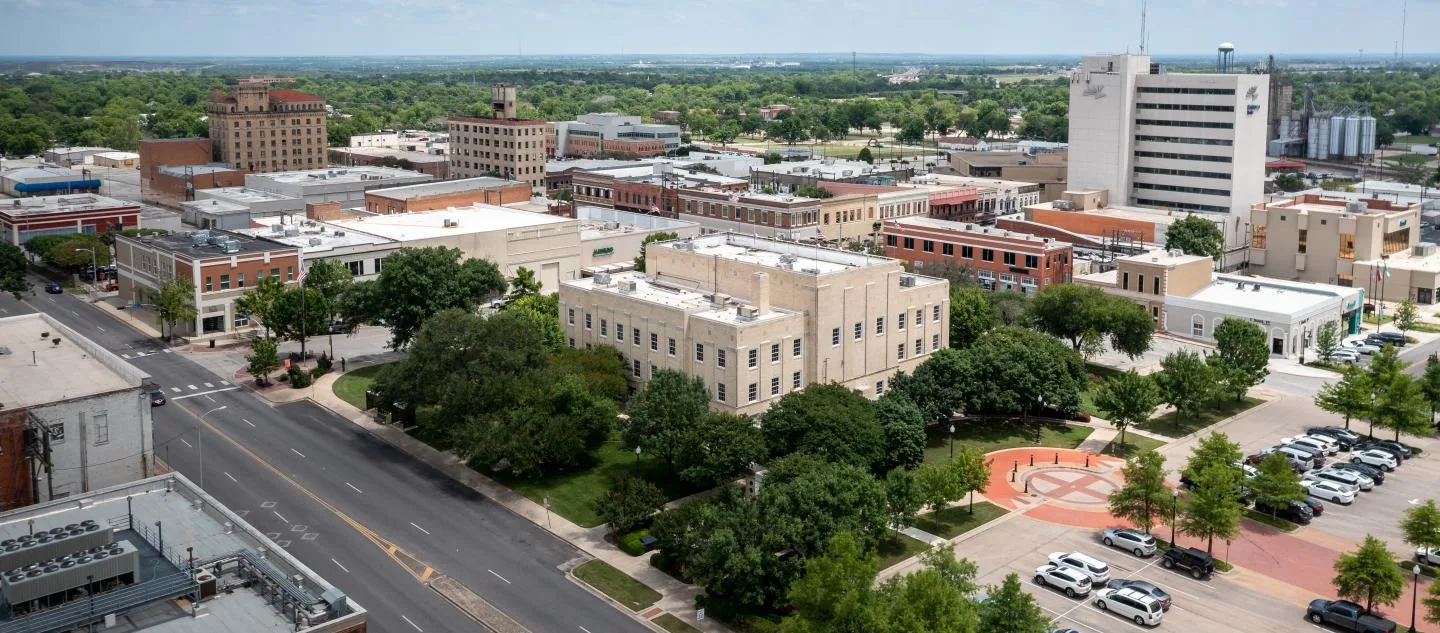
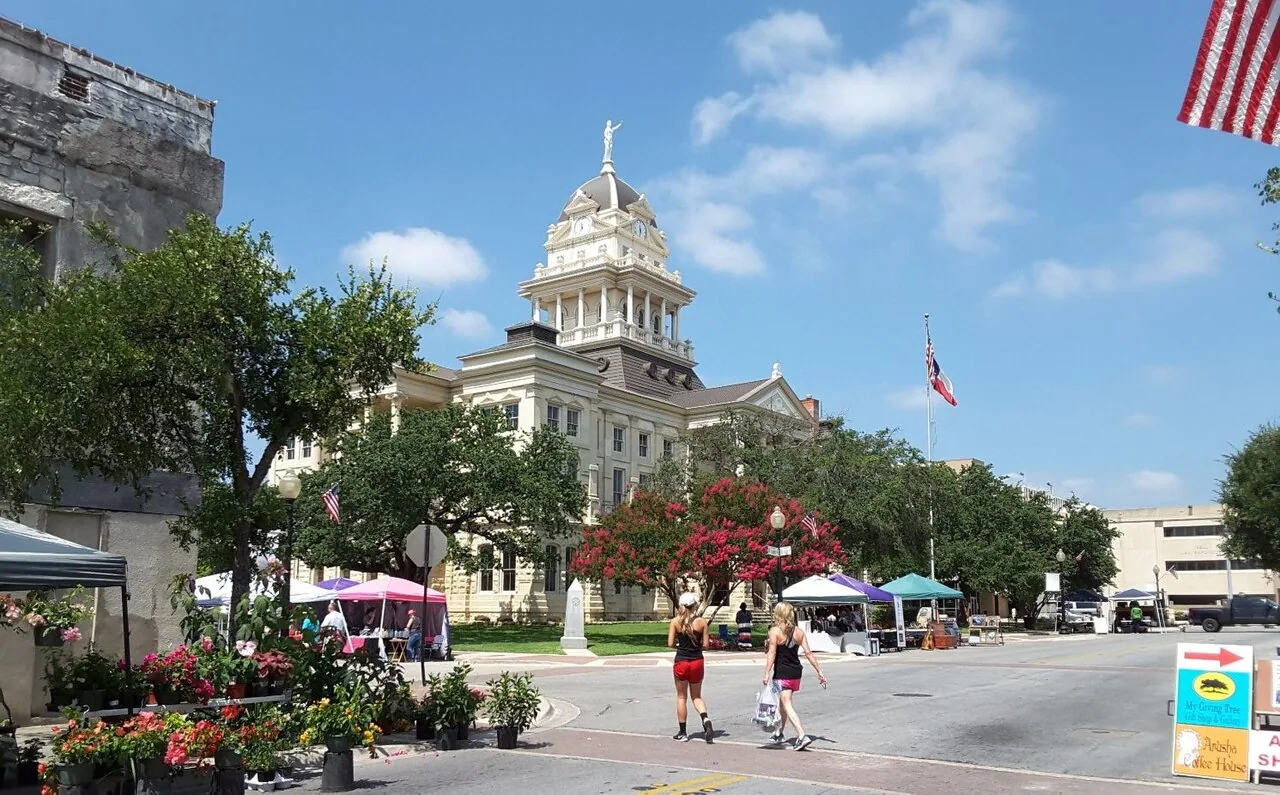
Temple's Building Department handles permits and applies the International Building Code during plan review, and local governments may adopt later editions, so the permit office confirms the edition in force for a project. Belton is the Bell County seat, and the county's buildings sit alongside city and school district roofs in the same region. Municipal and county buildings such as offices, libraries, and maintenance yards carry different roof types, and each gets its own line.
Work in Temple and Belton would use one rating sheet. Phasing for an operating office follows the methods in occupied-building reroofing, and a school building in the same system gets the same format.
Commercial Roofing Questions
Can a public office stay open during a reroof?
Usually, with phasing. Sections are opened and closed the same day, noisy work is timed away from peak counter hours, and entrances stay clear. The department head approves the plan before the first day. Where records or equipment sit below, they are protected or moved in advance.
What is the difference between an emergency repair and a planned one for procurement?
An emergency repair stops active damage and is documented as temporary. A planned repair is bid on a written scope. Keeping the two separate in the record helps the owner explain each purchase and avoids paying rush rates for work that can be scheduled.
How does a roof record help with an audit?
It shows the condition before work, the scope that was bid, the work that was done, and the condition after. Photographs and moisture maps carry dates. An auditor can follow each dollar to a documented need.
What if the roof history is unknown?
Core cuts and a survey reconstruct it. They show the layers, the deck, and the moisture condition, and they reveal how many repairs the roof has carried. The record starts from what is there, not from what the file says.
How are several small buildings handled?
Each gets its own survey sheet and rating. A ranked list across all of them shows which to fund first. A small building caught early is a small repair, and the ranking makes the cost of waiting visible.