GAF Commercial Roofing Systems
Which system is actually on the roof, and who can read its history? Owners often learn the manufacturer's name only when a leak sends someone looking for a warranty document. GAF is one of the larger makers of low-slope commercial roofing in North America. For an asset manager in Temple, TX, the name on the membrane matters less than the answers behind it: what the assembly is, how it was attached, what failed, and which repairs the material accepts. Those questions get answered on a GAF roof the same way as on any other.
What kinds of commercial roofs does GAF make?
The commercial line covers the main low-slope families. Thermoplastic polyolefin, or TPO, is a white single-ply sheet joined by hot-air welding. Modified bitumen is a reinforced asphalt sheet laid in plies, with a granule-surfaced cap. Built-up roofing is the classic multi-ply system of felts and bitumen. The maker also supplies insulation boards, cover boards, fasteners, adhesives, and flashings that go with them.
That range matters because few buildings stay on one system forever. A roof may have a modified bitumen field from one decade and a TPO addition from the next. Knowing which family each section belongs to tells the repair crew which materials will bond, which sealants are compatible, and which inspection steps apply. The roof sketch labels each section by system for exactly this reason.
Accessories deserve the same labeling. Insulation type, cover board, fastener family, and flashing product all affect what a repair can use, and a mismatch is a common source of failed patches. The file lists them next to the membrane so nobody has to guess at a fastener or a sealant on a Saturday call.
How does a TPO assembly behave in Temple's heat?
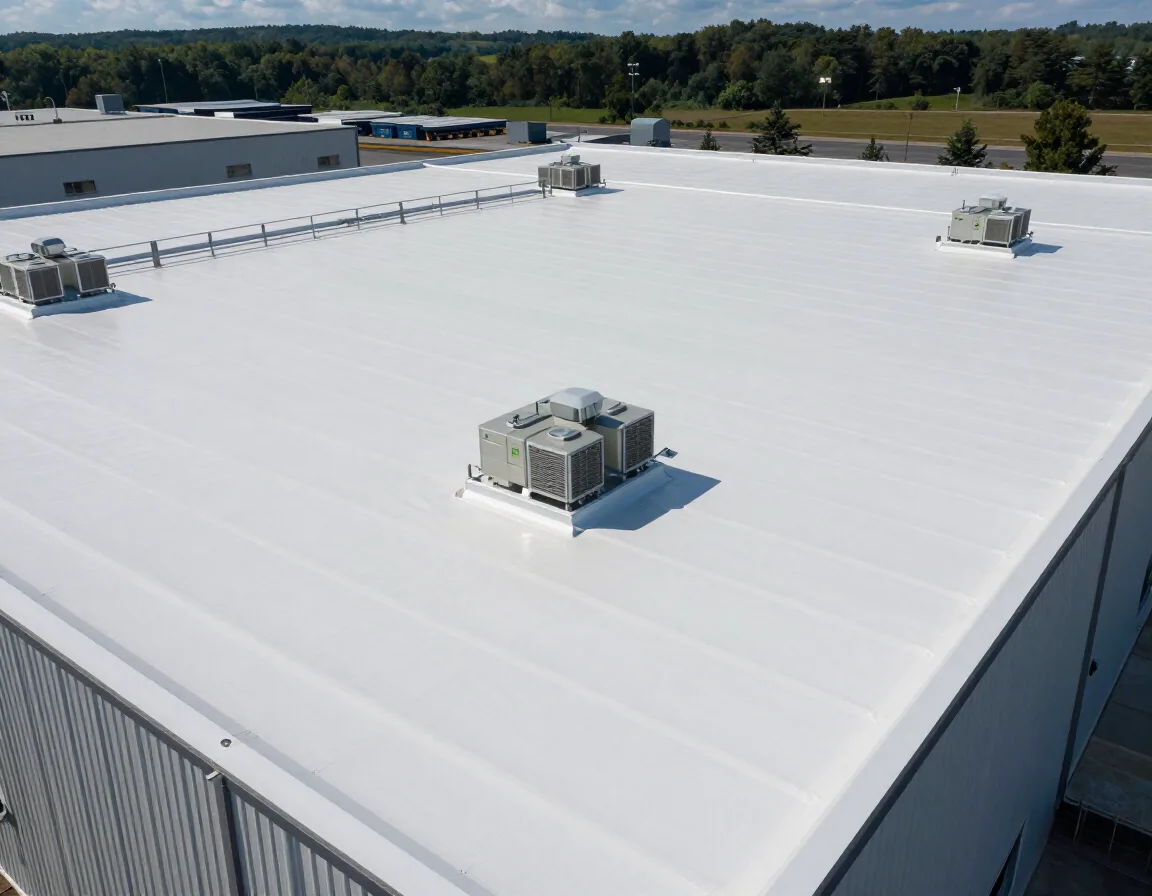
Temple's August highs sit near 95F, and the city logs roughly 80 days a year above 90F. A white TPO sheet reflects much of that load, which holds the membrane cooler than a dark one and slows the aging of the top ply. Probing welds and checking seams on a TPO roofing sheet is the first job on any inspection.
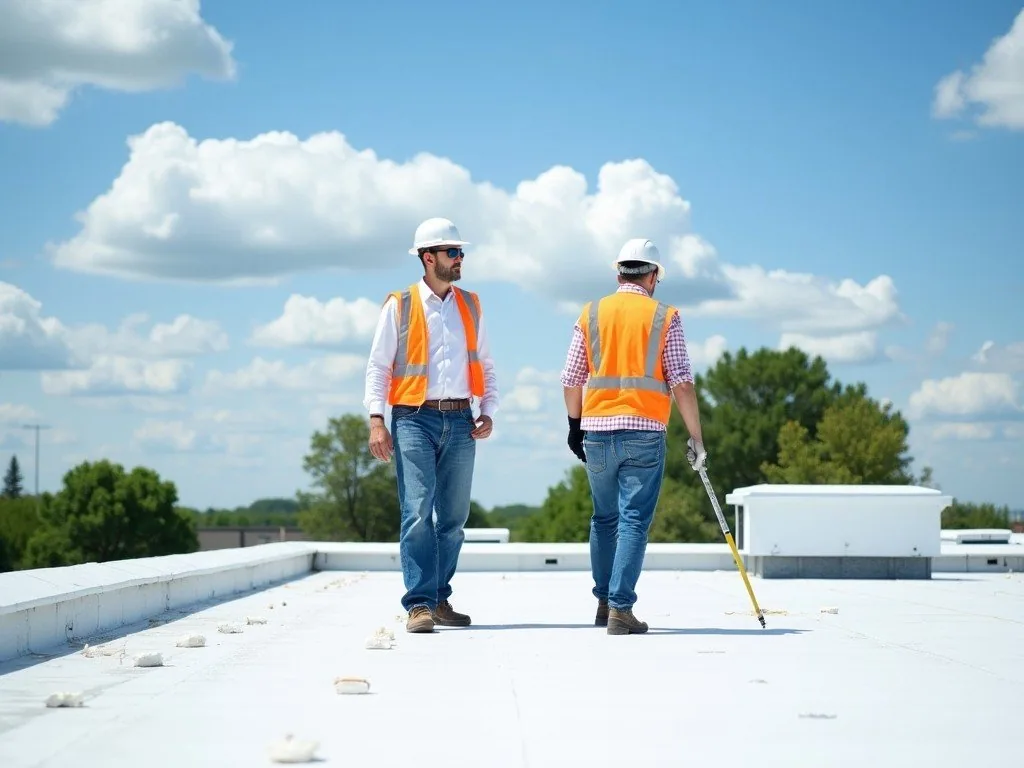
The weak point of any thermoplastic roof is the weld, not the field. We probe lap seams by hand, check flashing terminations at parapets and curbs, and log any open edge. Reinforced TPO resists tearing, but a seam welded in poor conditions can open years later. The record lists welds by roof section, so a pattern of weak seams in one area becomes visible instead of buried in the field.
Where do modified bitumen and built-up systems still fit?
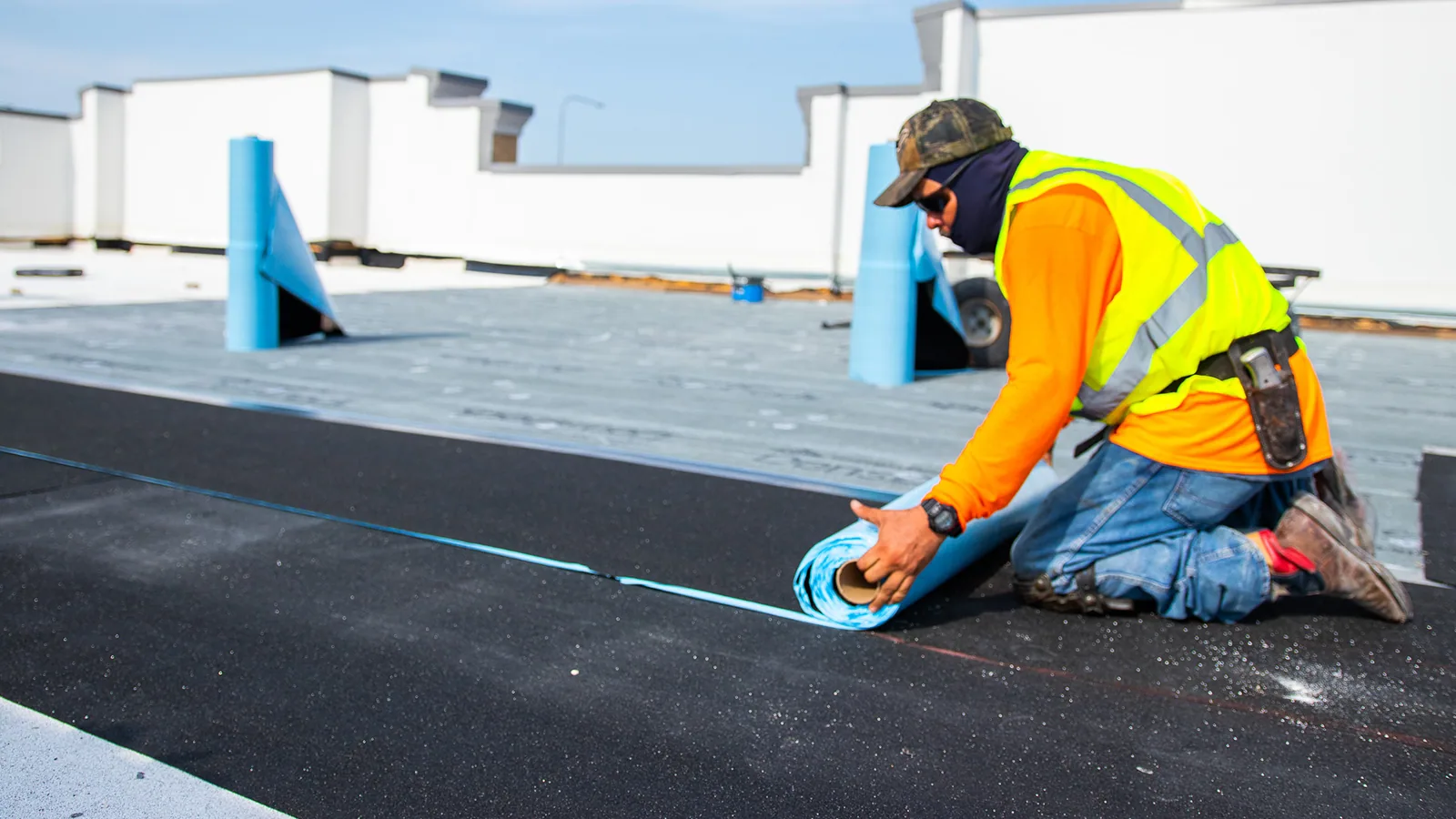
On roofs with heavy foot traffic, rooftop equipment, or a need for redundancy. Multi-ply systems tolerate rough use and offer layers of protection, and modified bitumen roofing can be installed torch-free using cold adhesives or self-adhered sheets, which suits occupied buildings. Built-up assemblies are less common on new work, but plenty remain in service.
Comparing makers is part of the job on a mixed portfolio, and a building that carries a Carlisle SynTec single-ply sheet beside a GAF cap sheet needs both systems tracked separately. The inspection looks at granule loss, lap condition, blistering, and flashing terminations. Core cuts show ply count and moisture. A cap sheet with bare patches is a coating or recover candidate if the insulation is dry. A saturated one is a replacement candidate. The distinction is the same whatever name is on the label, and it is recorded in the same way.
What does a proper installation record contain?
The deck type and condition, the insulation type and thickness, the attachment method and fastener pattern, the membrane type, and photographs of every flashing detail. For hot-air welded sheets, it includes seam probe results. For adhered systems, it includes air and deck temperature at installation, since cure depends on them.
Manufacturers publish specifications and details for their systems, and an installation should follow the one that applies. Where a manufacturer's warranty is in play, the owner needs to read its terms: required inspections, maintenance obligations, repair rules, and conditions that void coverage. We keep the installation record in the owner's file so the terms and the facts can be compared if a question arises. The roof warranty management routine keeps both in one place.
How does wind change attachment for any GAF system?
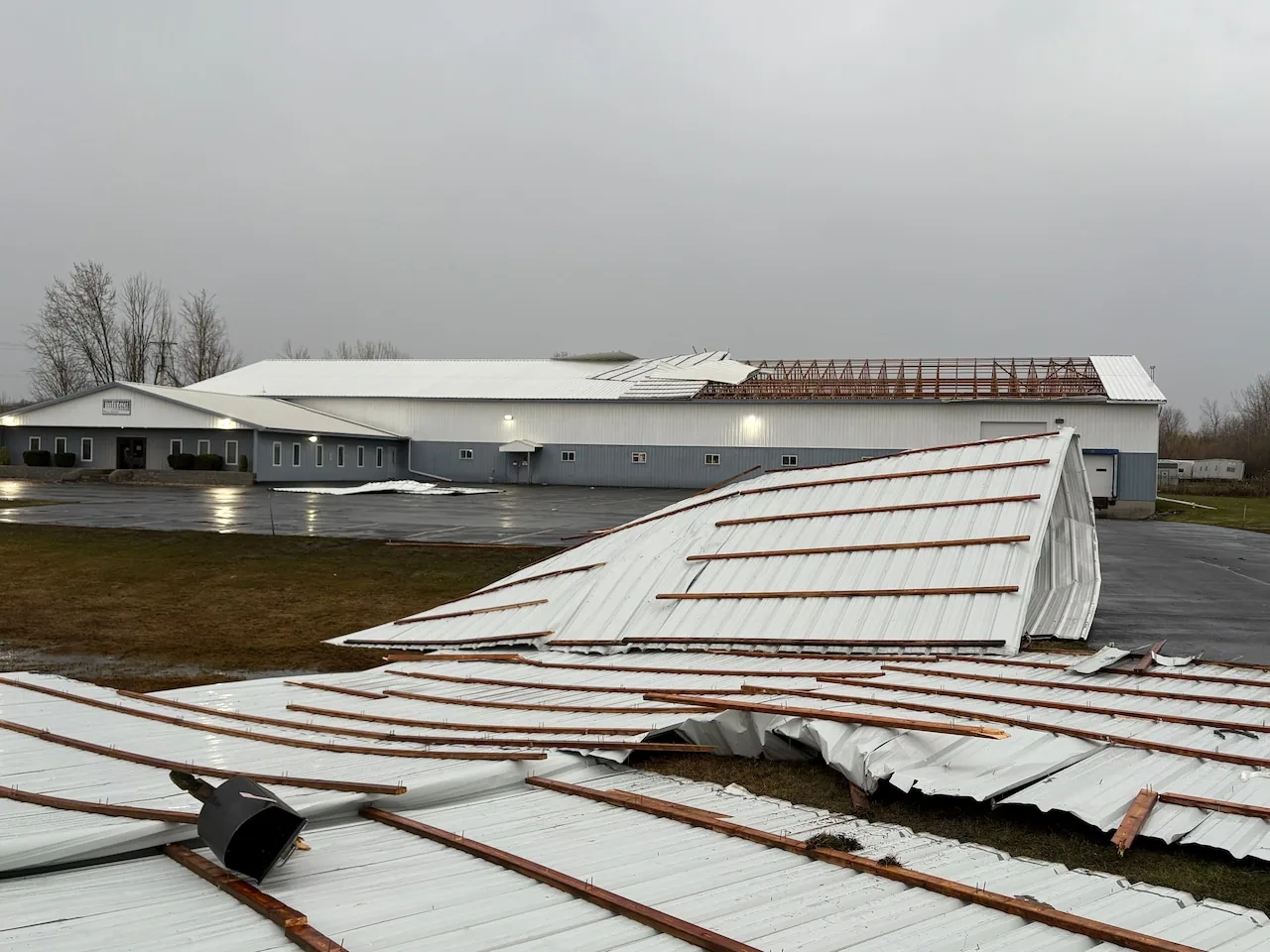
Temple's May 22, 2024 tornado was rated EF-2 with winds near 120 mph, and the estimated 80 to 90 mph straight-line gusts around it reached across the city. No roof system is rated for every storm, and a good record makes no such promise. What it does is show how the roof is held: fastener density at perimeters and corners, edge metal tied to structure, adhesive coverage on adhered sheets.
After a storm, we compare conditions with the earlier photographs and look for lifted edges, displaced coping, torn terminations, and punctures from debris. Findings feed a storm damage roof repair list in order of exposure. The material-specific repair details, such as hot-air welded patches on TPO or heat-fused patches on bitumen, are then matched to what is on the roof.
Which Temple buildings carry these systems?
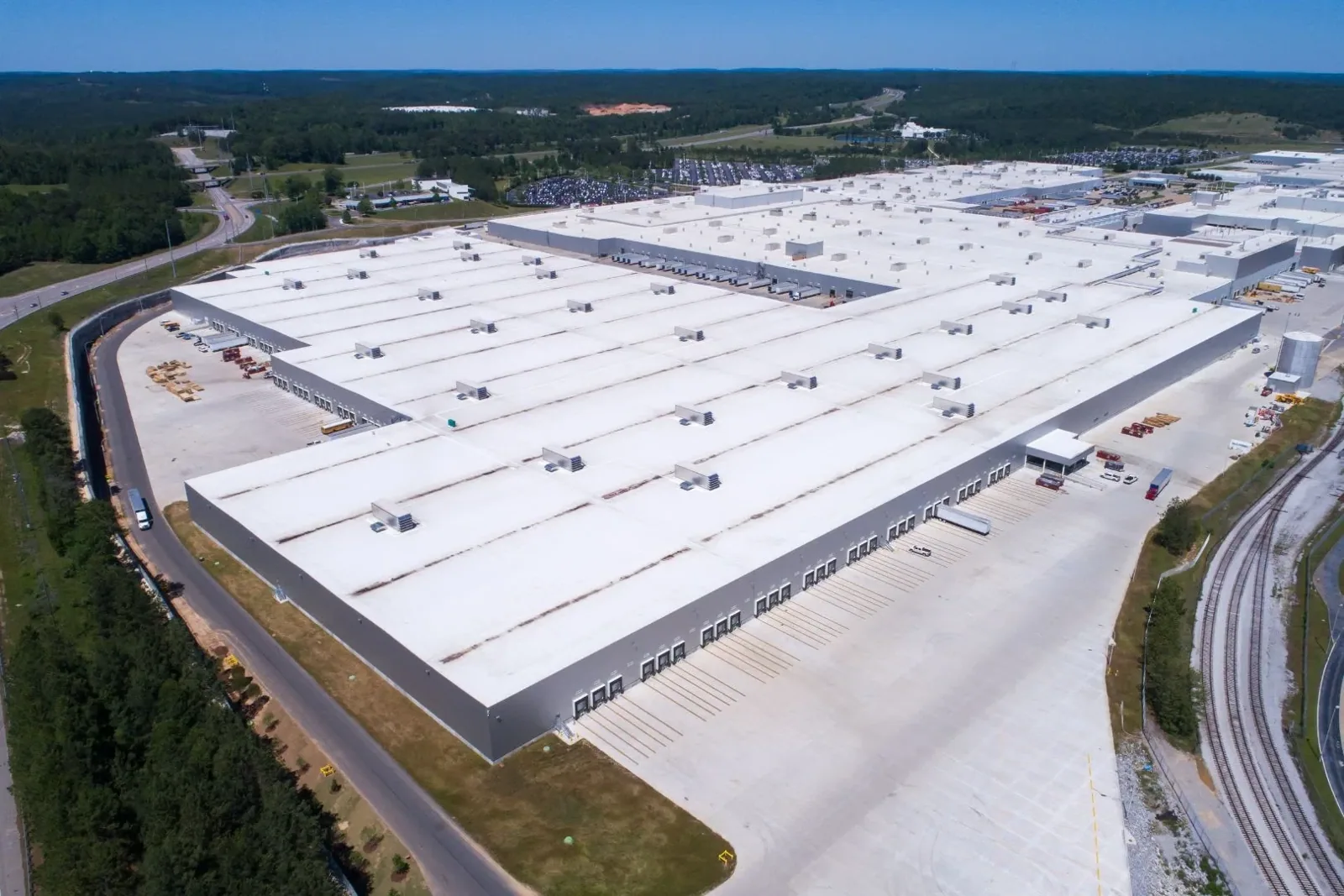
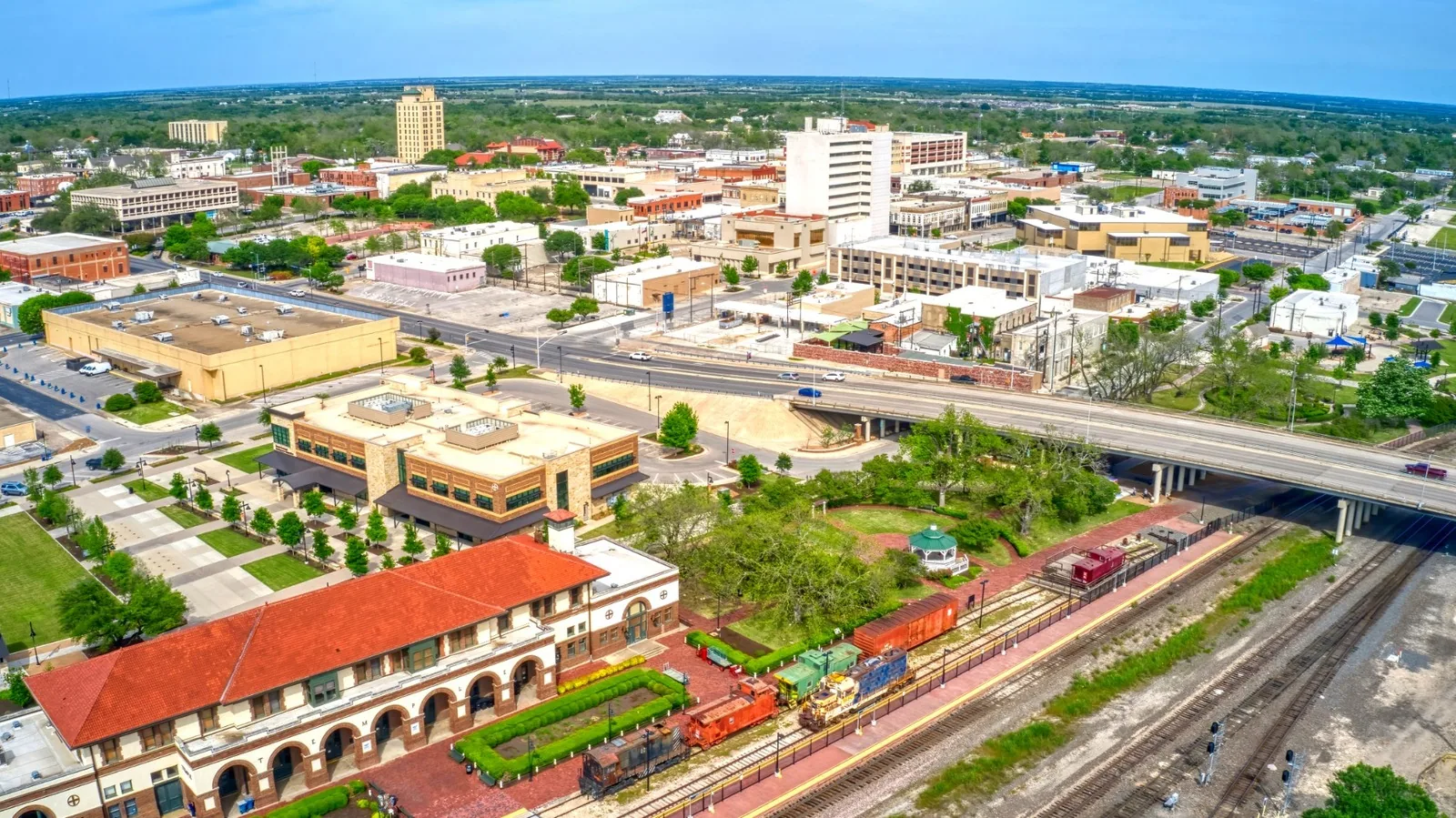
Low-slope systems of all makers appear across the building types the market supports: distribution and logistics buildings, including the H-E-B and Walmart distribution centers of about 2 million square feet each, healthcare campuses, manufacturing and packaging plants, and downtown commercial buildings. Which maker is on a given roof is settled by a core cut, a label on the underside, or a drawing.
Owners in Rail Park at Central Pointe, the medical district, Belton, and the downtown core can ask for the system to be identified as part of a first walk, then tracked in the same file as drains, penetrations, and repairs. A Johns Manville roof next door is logged the same way, so a portfolio owner reads every building on one scale. Killeen and Little River-Academy properties follow the same format.
Commercial Roofing Questions
How can an owner find out which manufacturer made the roof?
Start with the original contract, the warranty file, or the installer's closeout package. If those are missing, a core cut shows the layers, and labels on rolls, edge metal, or the underside of the deck sometimes survive. We record what we find and flag anything uncertain, so the file is accurate.
Does a manufacturer warranty change how repairs are made?
It can. Warranties usually set rules about who may repair, what materials are used, and what notice is needed. The owner should read the terms before authorizing work. We document the condition and the repair, so the file supports a conversation with the manufacturer if one becomes necessary.
Can a TPO sheet from one maker be repaired with another maker's material?
Sometimes, but compatibility is not a given. Welding depends on chemistry, and aged sheet may behave differently from new. A test weld on the existing roof shows whether a patch will fuse. If the test weld will not take, the fallback is a fastened and sealed repair, or a bigger section cut out and replaced.
What should a proposal for my building spell out?
What the assembly is, layer by layer, how it will be attached for the wind exposure, what flashing details apply at curbs and edges, and what records the owner receives at closeout. Our scope writes those answers down, so the owner can compare proposals on the same terms.
Is a coating an option on an older single-ply or bitumen roof?
Often, if the roof is dry and attached. Moisture mapping, core cuts, and an adhesion patch settle it. Coating can extend the roof's life and reduce heat load, but it does not repair wet insulation or restore attachment. The findings state which situation applies.