Modified Bitumen Roofing
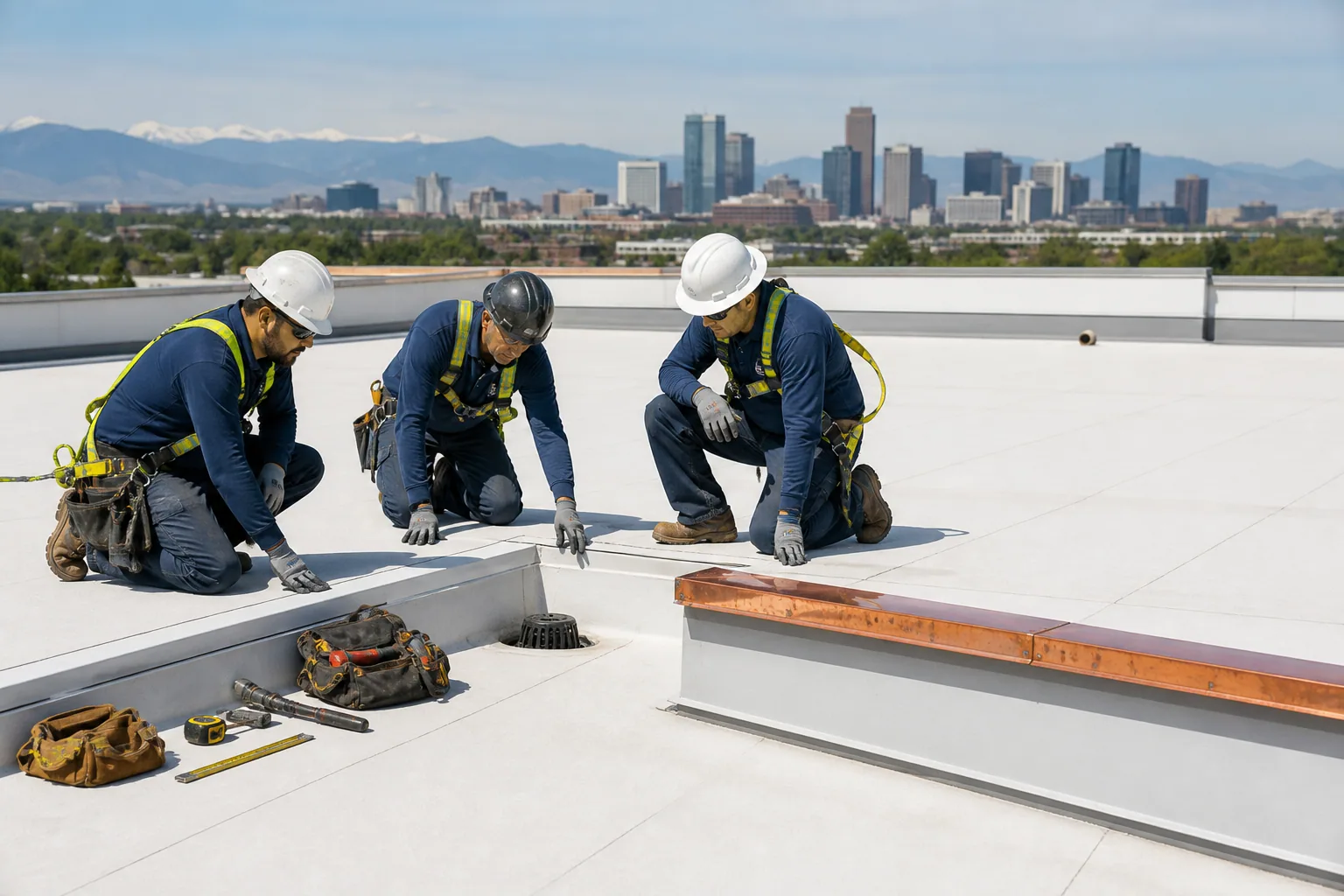
On a modified bitumen roof the failure point is almost always a lap or a flashing, and the first decision in the first hour is whether anyone is allowed to put a flame near it. That second question is why this system needs a plan before the first repair. The sheet is rugged and forgiving, but it is installed in layers, some of them with heat, and a repair on an occupied building needs a hot-work plan before it needs a ladder. In Temple, TX we start the triage call with both questions.
Water gets a make-safe step first, and the permanent scope follows the walk.
What is a modified bitumen roof, and why is it still common?
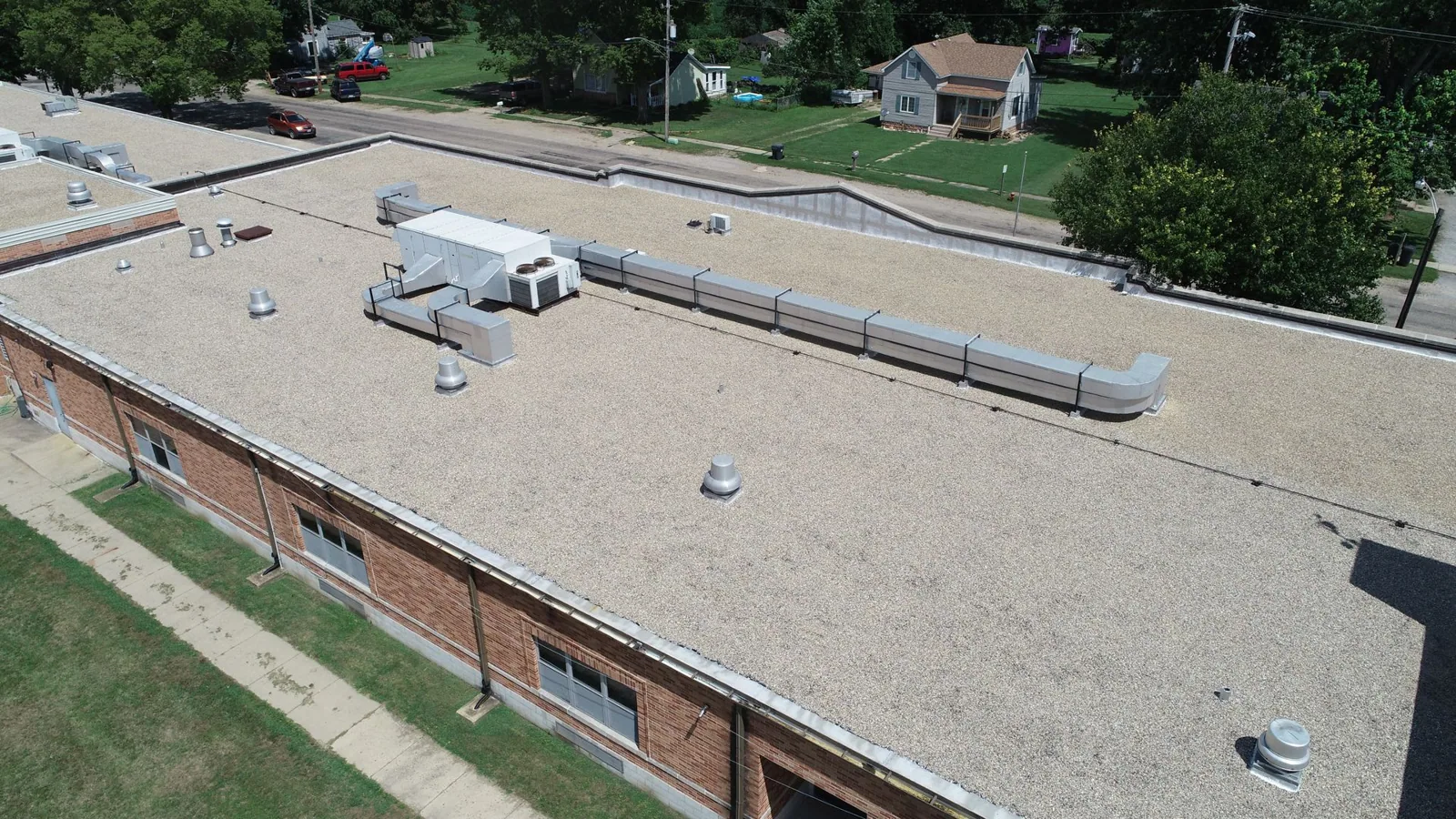
Modified bitumen is asphalt blended with polymers, either SBS rubber or APP plastic, and supplied as reinforced sheets. Two or more plies are laid in a base-and-cap pattern. The cap sheet usually carries mineral granules that shield the asphalt from sun. Laps are bonded with heat, with hot asphalt or with cold adhesive, depending on the product and the building.
The system stays common because it is redundant by design. If the cap is damaged, the base ply is still there, and a repair can add another layer. It tolerates foot traffic and has a long service record. That is useful on roofs where technicians walk to rooftop equipment, which is most commercial roofs. Both SBS and APP products come in several weights, and the weight of the existing sheet, found at a core cut, sets what the repair or recover must match.
Where do modified bitumen roofs let water in?
The usual entry points are laps, flashings and areas where granules have worn away. A lap that was heated unevenly can open at the edge, and a flashing that has pulled from a wall leaves a gap an inch wide. Granule loss is a slow problem: as the mineral surface thins, the asphalt underneath bakes in the sun and cracks. A summer that peaks near 95F in August, with about eighty days over 90F, speeds that process.
Blisters, ridges and splits are the other warning signs. A blister may be harmless or may mark trapped moisture, and a split over a deck joint often points to movement in the structure. We photograph each, mark it on the plan and probe it, and the seam failure repair list covers laps that have lifted. On roofs near busy routes such as Interstate 35 and Loop 363, the granule surface can also carry grime that hides early cracking, so the inspection cleans a test patch before it judges the surface.
Who approves open flame on a working building?
The building owner, the insurer and the fire authority each have a say, and the roofer should not guess. Torch-applied sheets need a hot work permit, a fire watch during the work and for a period after it, and a clear zone around the area. Combustible insulation, wood nailers and old roofing felts raise the risk, which is why the deck and substrate are surveyed before a torch is lit.
Many owners prefer to avoid open flame altogether. Cold-applied adhesives, self-adhered sheets and hot-mopped asphalt are alternatives, each with its own handling and odor profile. The scope lists the choices, the approvals each needs and the finding that favors one. Temple's Building Department applies the International Building Code in plan review, and the permit office confirms which edition governs the project. The fire watch is a named person, not a role, and the plan records the start time, the end time and the final check of the area.
Does an older downtown building change the plan?
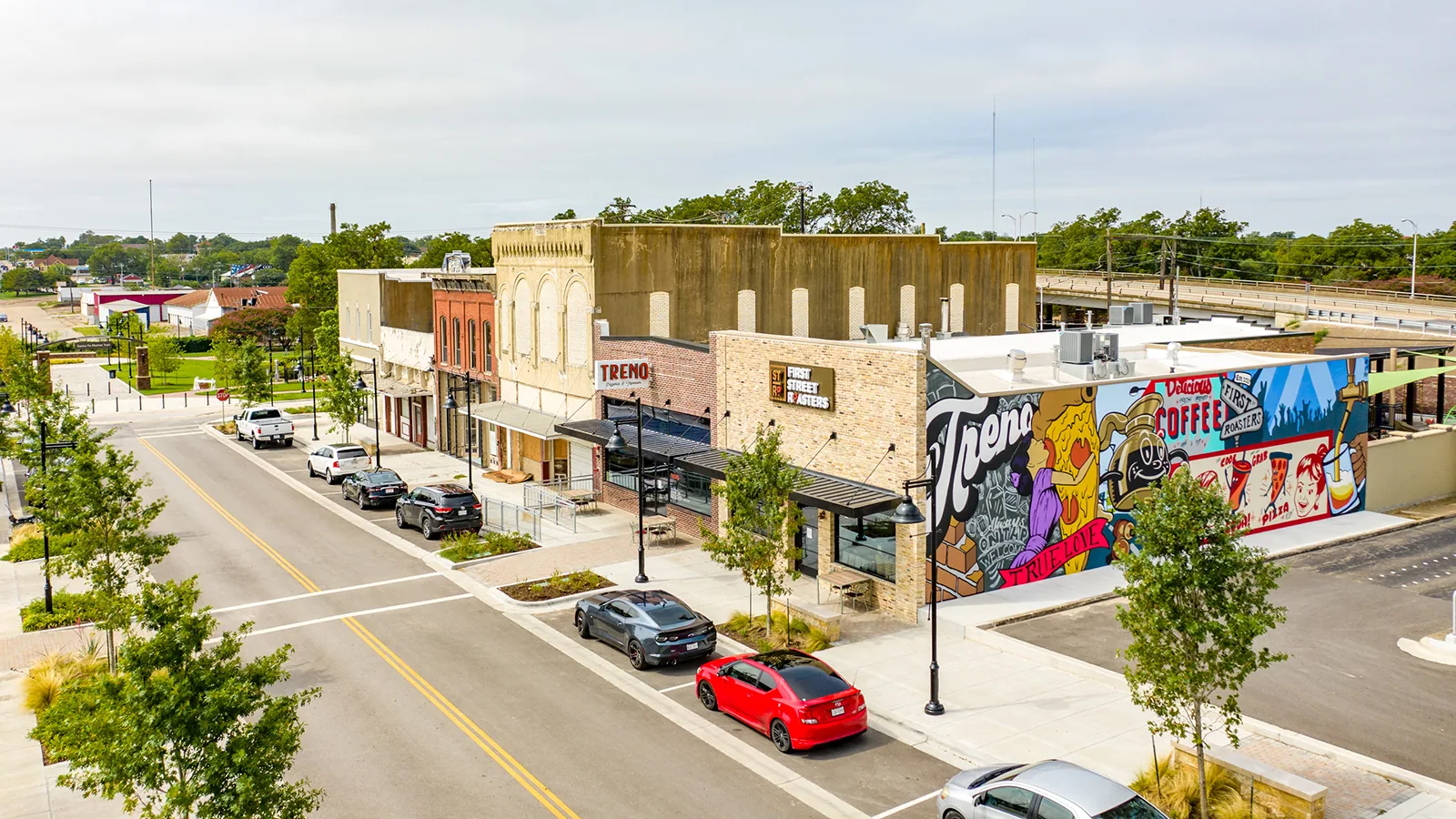
Downtown Temple has historic commercial buildings, including the Hawn Hotel, the Arcadia Theater and the Sears Building, and a downtown redevelopment reaches the Hawn Hotel, the Arcadia Theater and the Sears Building. The roof type and condition of each is something the survey establishes. An older building often has several roofs added over time, with parapets, built-in gutters and masonry walls, and each junction is a place where flashing and bitumen must be matched to the structure.
Roof access, fire safety and neighboring occupants set the schedule. Torch work next to a wood-framed addition or an occupied floor is rarely the right call. The plan lists alternatives, and a Downtown Temple owner receives the choices with the cost and schedule of each.
How do we tell whether the layers underneath are dry?
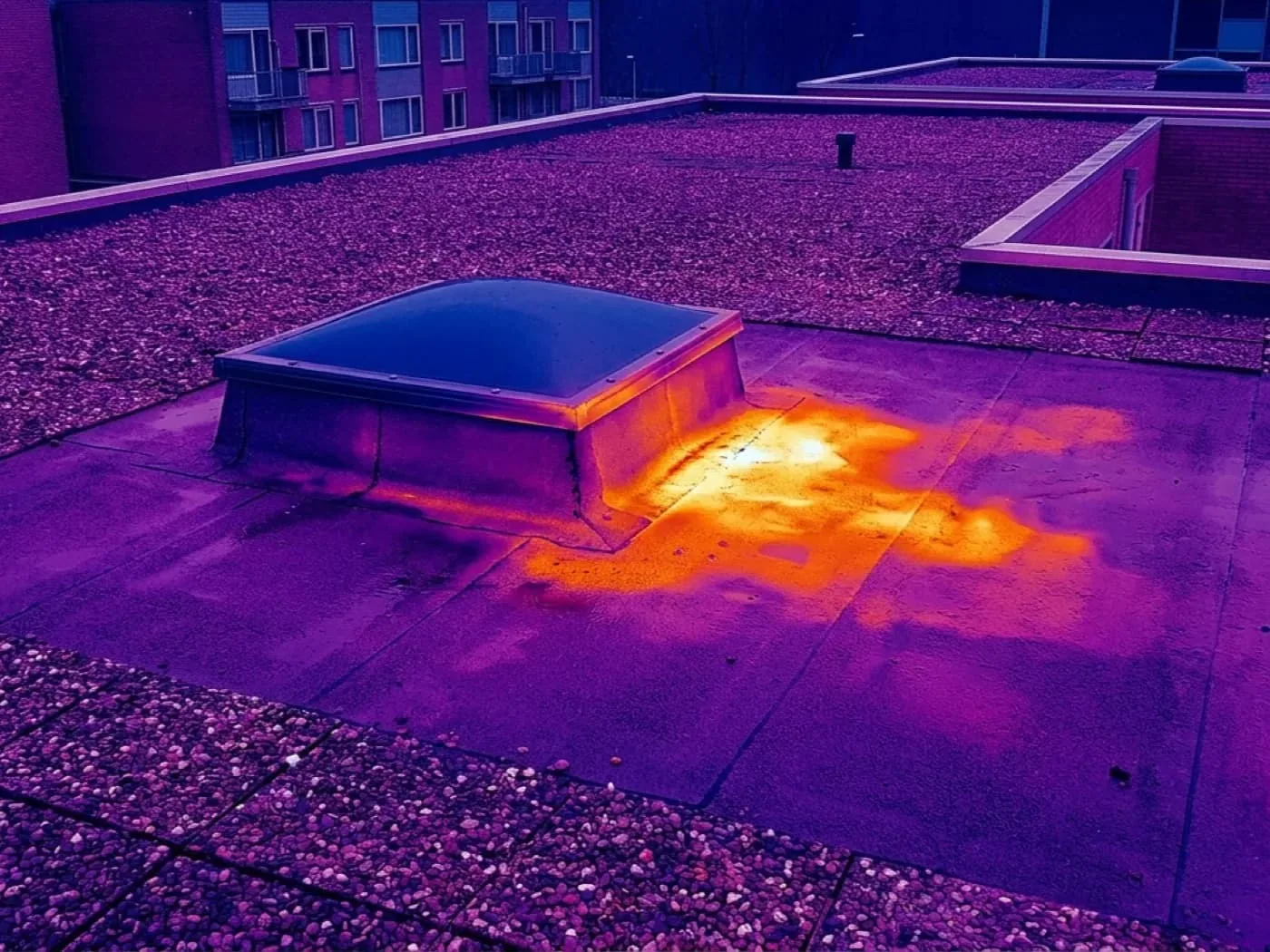
A multi-ply roof hides its history. An infrared moisture survey and core cuts reveal how many plies there are, whether the insulation is wet and how well the layers are bonded. Wet insulation under a modified bitumen roof will not dry on its own, and recovering it only trades a visible problem for a hidden one.
When the survey shows dry insulation and a sound base sheet, a roof recover or a coating may extend service. When it shows wetness, the wet area is cut out, and the scope says how much that is.
What does a holding repair look like?
It is a defined repair that buys time: a new flashing strip, a re-bonded lap, a patch of cap sheet over a split. Repairs are done without flame where possible, and each is photographed and dated. A roof that has been patched many times is flagged, because the number of patches signals a system near the end of its service life.
After a storm, the first hour is spent on make-safe measures. Peak winds near 120 mph in the May 22, 2024 tornado cut a path of damage through restaurants, shops, banks and strip malls in Temple. Lifted edge metal and torn flashings on a bitumen roof are secured first, then documented for the permanent scope.
How are bitumen roofs ranked in a portfolio?
The ranking weighs granule condition, lap integrity, moisture results and the number of earlier repairs. A roof with active leaks and wet insulation comes first. A roof with sound laps and a worn surface may be a coating candidate. The ranking carries the alternatives, such as built-up roofing, TPO and a coating, with the finding that favors each. Owners with buildings in Belton and Killeen as well as Temple get a single list, so a roof that is cheaper to repair than to ignore is not hidden behind a larger project elsewhere. The report ends with a recommended next decision and the date by which it should be made, and the asset manager keeps the evidence file whatever is decided.
Commercial Roofing Questions
Does every modified bitumen repair need a torch?
No. Cold-applied adhesives, self-adhered patches and hot-mopped asphalt can replace a flame, and we use them wherever the building or the insurer asks. Heat-bonded laps get a fire watch and a permit.
What causes blisters in a bitumen roof?
Trapped moisture or air between layers expands in the sun and lifts the cap. Some blisters are cosmetic, and some mark wet insulation. A probe and a moisture survey show which kind a given roof has.
Can granule loss be fixed?
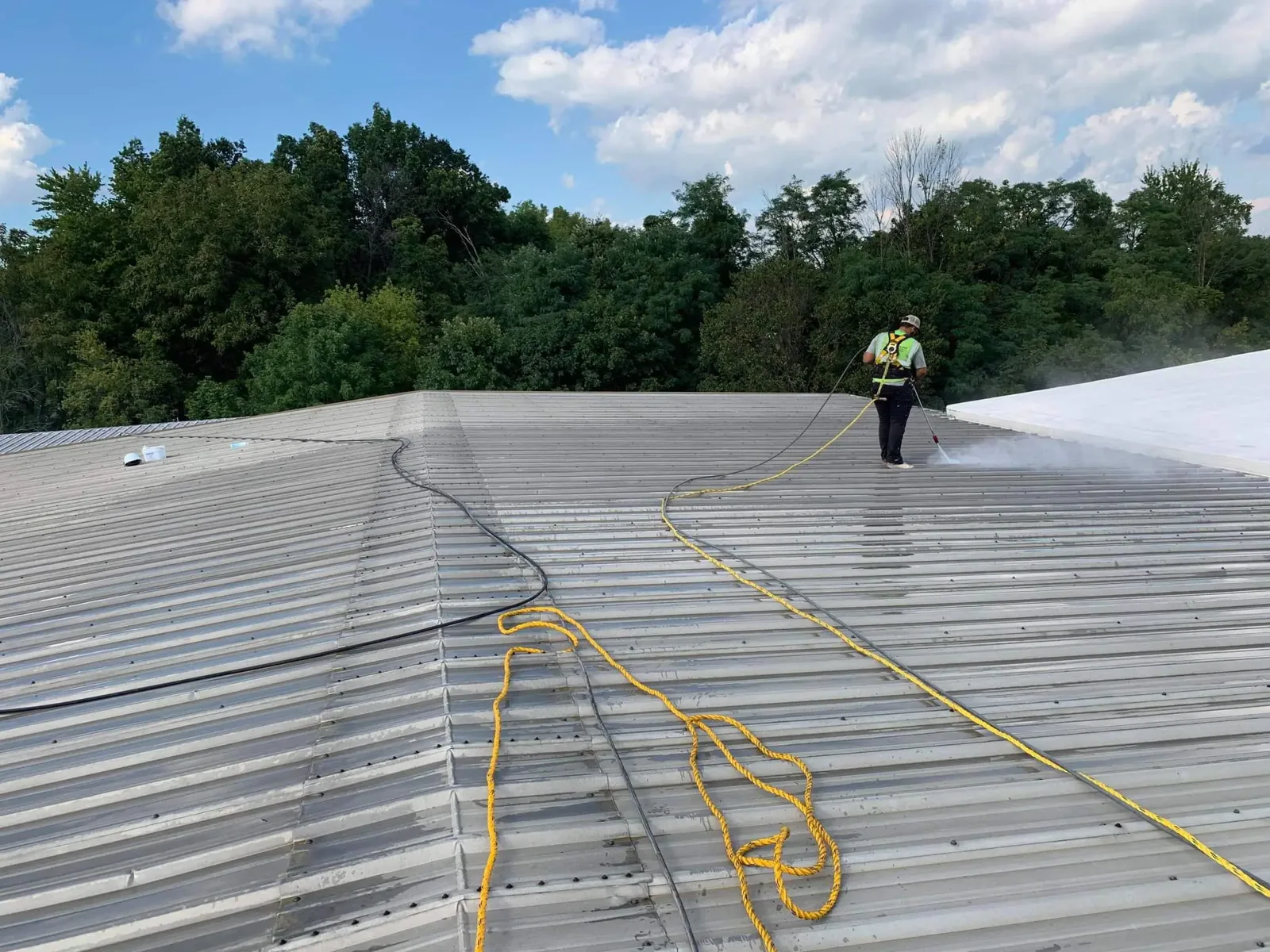
Light loss can be treated with a coating that restores the surface. Heavy loss that exposes the asphalt calls for a cap repair or replacement, and the scope states which one the readings support.
How many layers can a roof carry?
The structure and the code decide. Core cuts show how many plies exist, and the building department confirms what is allowed before a recover or replacement is planned.
What proof helps with an insurance question after wind?
Dated photographs from marked positions, the roof plan with each item numbered and the make-safe record. They show what was lifted, what was secured and what remains.