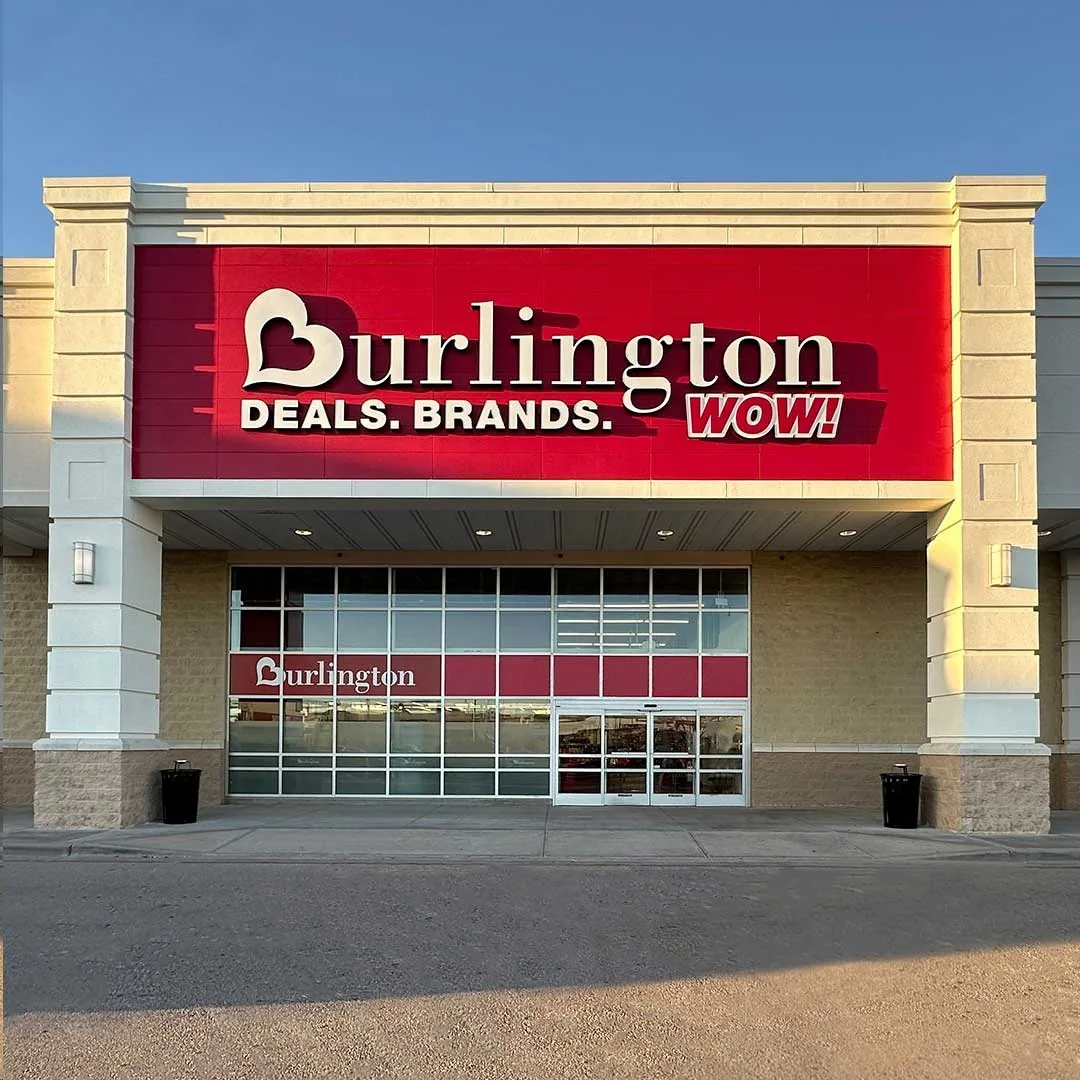
Grocery Store Roofing
Condensate is dripping from a refrigeration line onto a roof membrane at a grocery store, and no one has noticed because the spot is behind a unit. Two seasons later it is a soft patch with a split seam beneath it, and the store manager is asking why the produce aisle is wet. In Temple, TX a food-retail roof carries a cooling load all summer and a refrigeration load all year, and the person who makes the first call needs to know the difference between a leak and a line.
What fails first on a grocery store roof?
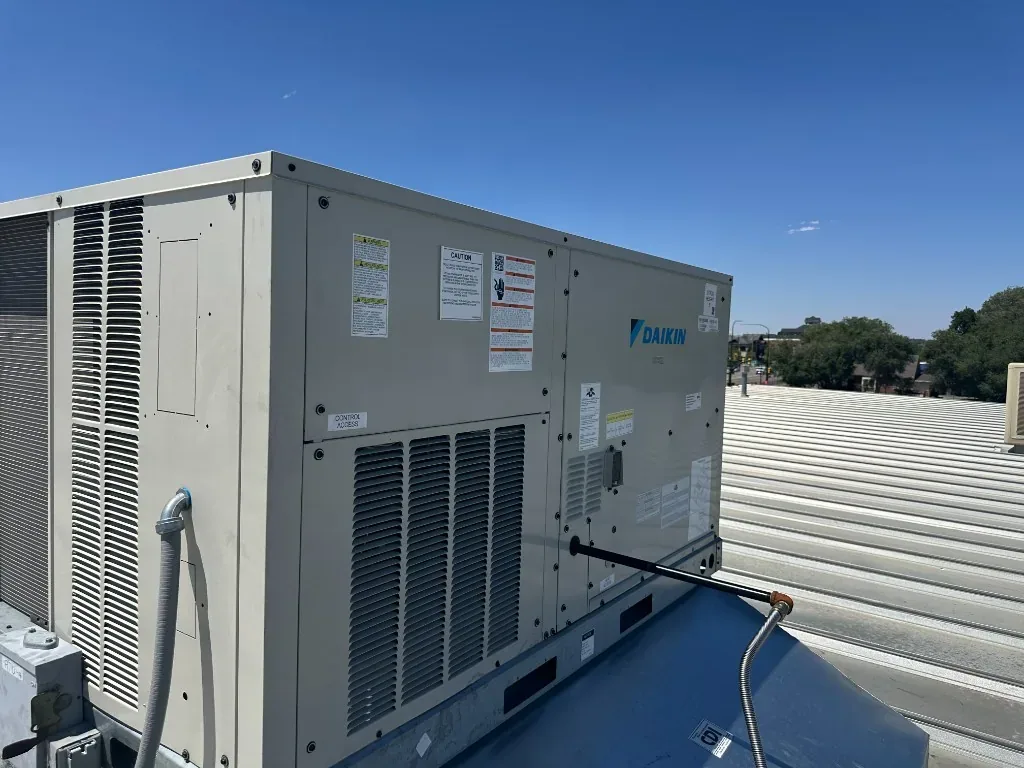
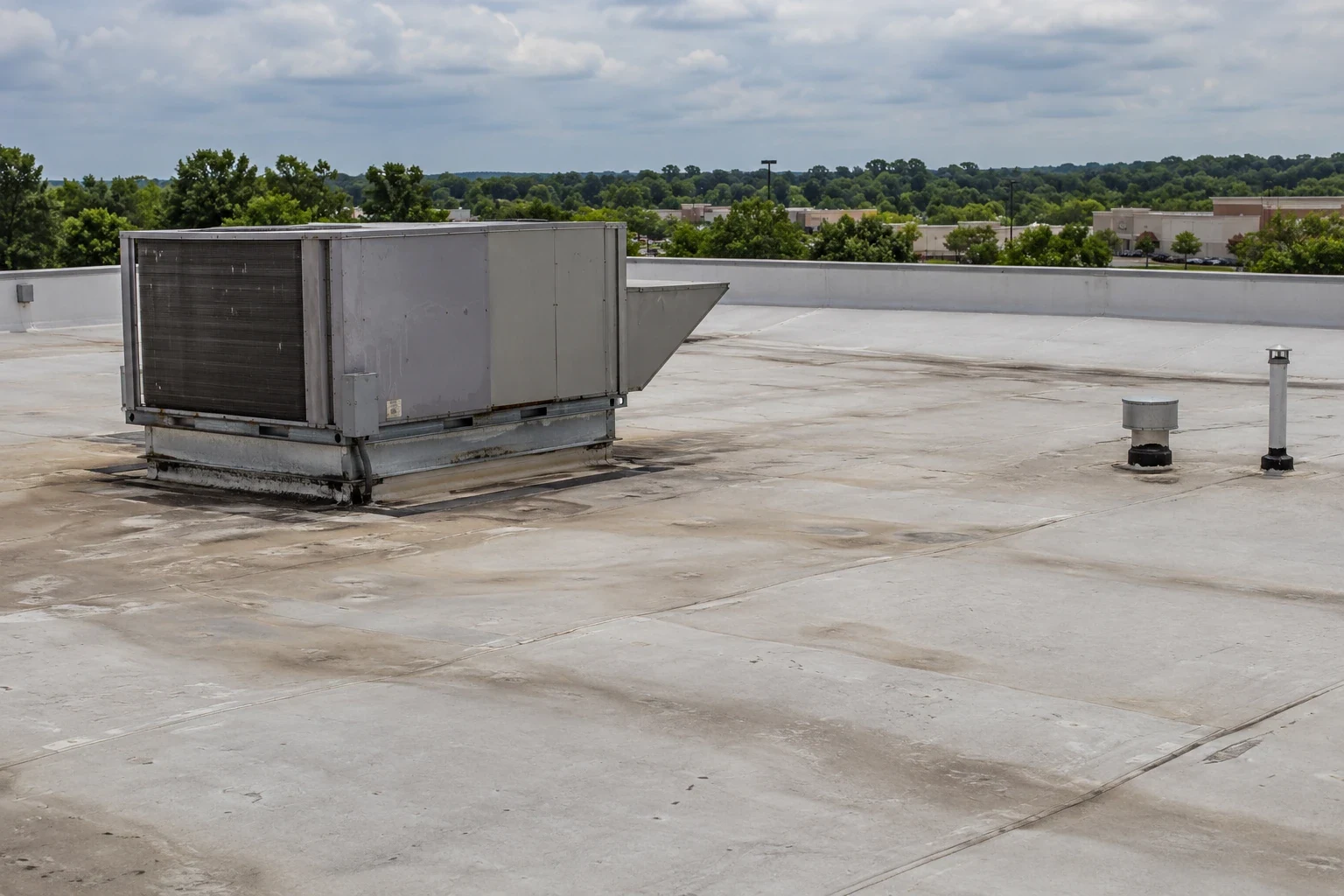
Equipment connections. A grocery roof holds refrigeration condensers, air handlers, exhaust fans, and the piping and conduit that tie them to the building. Every one of those penetrates the membrane, and every one is a failure point. Curbs settle, flashings open, condensate lines discharge on the surface, and refrigerant lines rub through the roofing under them.
The first walk follows the equipment. We photograph each curb and its flashing, trace condensate lines to their discharge points, check pipe supports for movement, and probe sealants around penetrations. Condensers and the membrane under them take more heat each year than the calendar suggests: Temple reaches the mid-90s in August and passes 90F on about 80 days annually, so the inspection comes before and after the hot months. Each rooftop equipment curb gets its own line in the record.
What is the make-safe step above a food department?
Water above food is both a roofing and a food-safety problem. The first hour has two parallel tasks. The store covers or moves product and shuts off affected circuits if needed, while the roof crew stops water entry with a sealed patch or temporary dry-in. We do not enter the sales area. We photograph the opening before it is covered, record the aisle or department beneath it, and note materials and time.
The intake record serves the store's own food-safety process as well as the permanent scope. The record labels a holding repair temporary and says plainly what it covers. The permanent decision, whether it is a patch, a new flashing, or a larger scope, is left for the asset manager after the survey, not made on the roof in the dark.
Can wet insulation be found without disturbing the store?
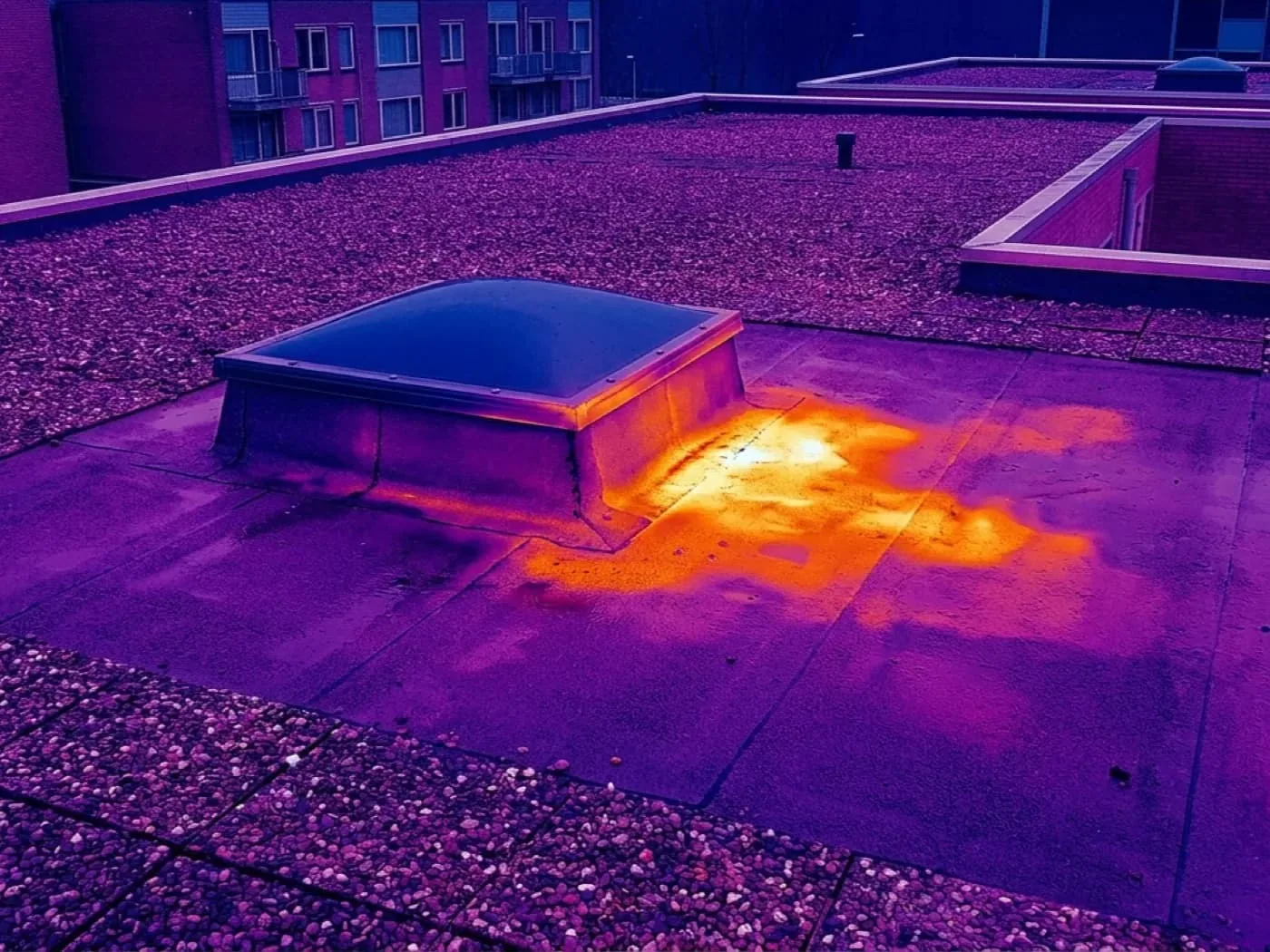
Yes. An infrared moisture survey runs on the roof on a clear evening, and nobody enters the building. Warm, damp areas appear on the scan, and core cuts confirm them. Grocery roofs benefit from the survey because wet insulation over a cooled space loses value and keeps the refrigeration working harder.
The moisture map is dated and filed. A small wet area near an equipment curb is cut out and replaced. Widespread moisture points to a larger scope. If the store has refrigerated storage or a freezer on the roof perimeter, the assembly is reviewed with the same attention given to cold storage roofing, because insulation thickness and vapor control matter more where the temperature difference is large.
How does storm exposure affect a grocery roof?
Temple's May 22, 2024 storm was an EF-2 tornado; the National Weather Service reported damage to restaurants, shops, banks, and strip malls and winds peaking near 120 mph, which matters for any rooftop that carries refrigeration equipment. Gusts estimated at 80 to 90 mph were also blowing across the city that day, and a separate EF-1 tornado formed near Little River-Academy. That is context for how an inspector reads a retail roof, and it says nothing about any particular store.
For a grocery store the exposure translates into two checks. Starting at the edge, we check coping, fascia, and membrane edge for lifted corners and loose fasteners. Second, the equipment: refrigeration units and their covers, stands, and straps are tested for movement. After a wind event the comparison with earlier photographs shows what moved, and anything that threatens the interior gets a dry-in. A unit that shifts pulls its flashing, and a displaced cover can end up on the roof below.
How does a chain rank its grocery stores?
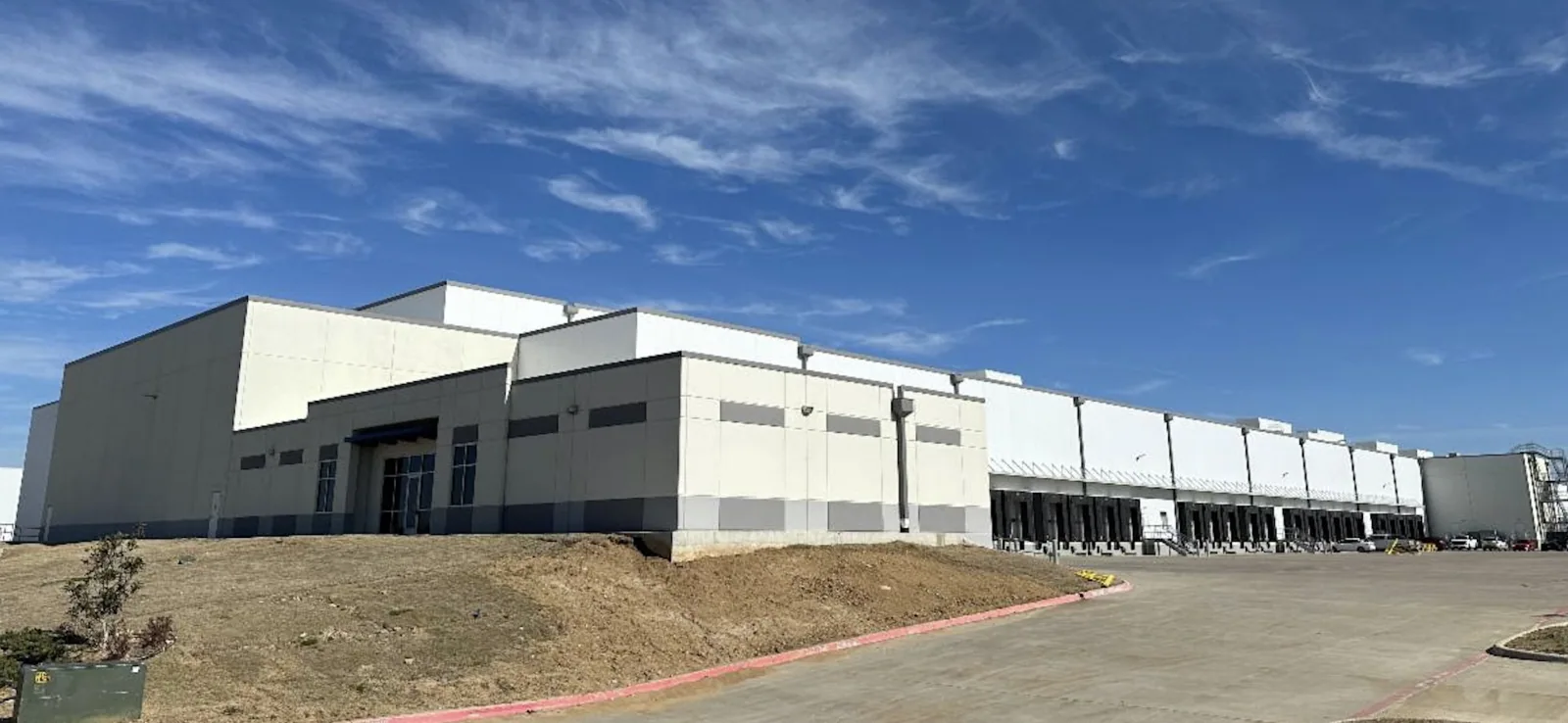
A store group needs the same rating sheet at every address. Membrane and seam condition, flashings, drains, condensate discharge, and moisture are scored together, then stores are placed in one of three groups: fix now, watch, or plan to replace. The photographs go with the ranking so a regional manager can see conditions without a site visit. A big-box retail store in the same group gets the same sheet.
The ranking guides spending for a retail chain. A store with repeated condensate stains and a soft roof area near its units moves up. A store with a clean map and tight curbs holds on the monitoring schedule. Locations around Temple, whether they sit on Interstate 35 or along Loop 363, use the same format, so the data adds up across the market.
Where one chain has stores in different towns of Bell County, the ranking also shows which roofs share the same installer, system, and age. Those roofs tend to fail in similar ways, and a defect found at one store tells the manager what to look for at the others. That is how one triage call turns into a portfolio decision.
What does permanent scope look like with the store open?
The permanent scope follows the readings. Cost drivers are named in plain terms: roof area, penetrations, wet insulation to remove, equipment that has to be lifted or moved, access, and work hours. Because grocery stores run long hours and receive deliveries on a schedule, the plan marks delivery windows and keeps loading areas clear.
Roof sections are opened and closed in the same day. Air intakes near work are shielded, and odor and dust are controlled so the store environment is not affected. Equipment shutdowns are agreed in advance and kept short. Plan review for a project like this runs through the city's building department under the International Building Code, with the permit office naming the edition in force. Heat matters to scheduling too: summer afternoons are the hardest time on a roof, so crews start early and the open area is kept small. A refrigeration contractor and a roofer should agree on curb heights before a new unit is set.
Commercial Roofing Questions
What leaves a grocery roof most exposed to leaks?
The number of penetrations and the age of their flashings. Each condenser, fan, and line crosses the membrane, and heat cycles open the seals over time. A curb and condensate log kept at every visit shows which connections are aging and which can wait.
Does a condensate line discharging on the roof matter?
Yes, because it keeps one area wet and wears the surface. The fix is usually a drain pan, a splash pad, or a line extended to a drain. We note every discharge point in the record and mark the ones that have already damaged the membrane.
Who handles the refrigeration equipment during roof work?
The store's refrigeration contractor handles the equipment, and we coordinate timing so shutdowns are short. We confirm curb heights and flashing details before a unit is lifted or replaced, and we photograph the curb before and after. That keeps responsibility clear if a leak appears later.
Can product stay in the store during repairs?
Usually. The make-safe step works from the roof, and the store handles the interior. If water is entering above stock, the store moves or covers it while the dry-in goes on. The plan names who moves what, so nothing is left to chance in the first hour.
How is the permanent scope approved?
The asset manager reviews the survey, the ranking, and the scope with its cost drivers, then approves it through the chain's normal process. We provide the written summary and photographs so the approver can act without visiting the roof.