Spray Foam Roofing
The failure that matters on a foam roof is a break in the coating, because the foam beneath it cannot be left in the sun. SPF is sprayed as a liquid that expands into a rigid, closed-cell insulation, and a thin elastomeric coating over it protects the foam from ultraviolet light and weather. When the coating wears through, the foam begins to erode, and the person who decides what to do in the first hour is the asset manager who holds the recoat budget. In Temple, TX the call starts with a photograph of a chalky or cracked patch.
We triage the break: what is exposed, whether the foam is wet and how far the damage extends. The permanent scope comes after the walk.
What does a spray foam roof give an owner?
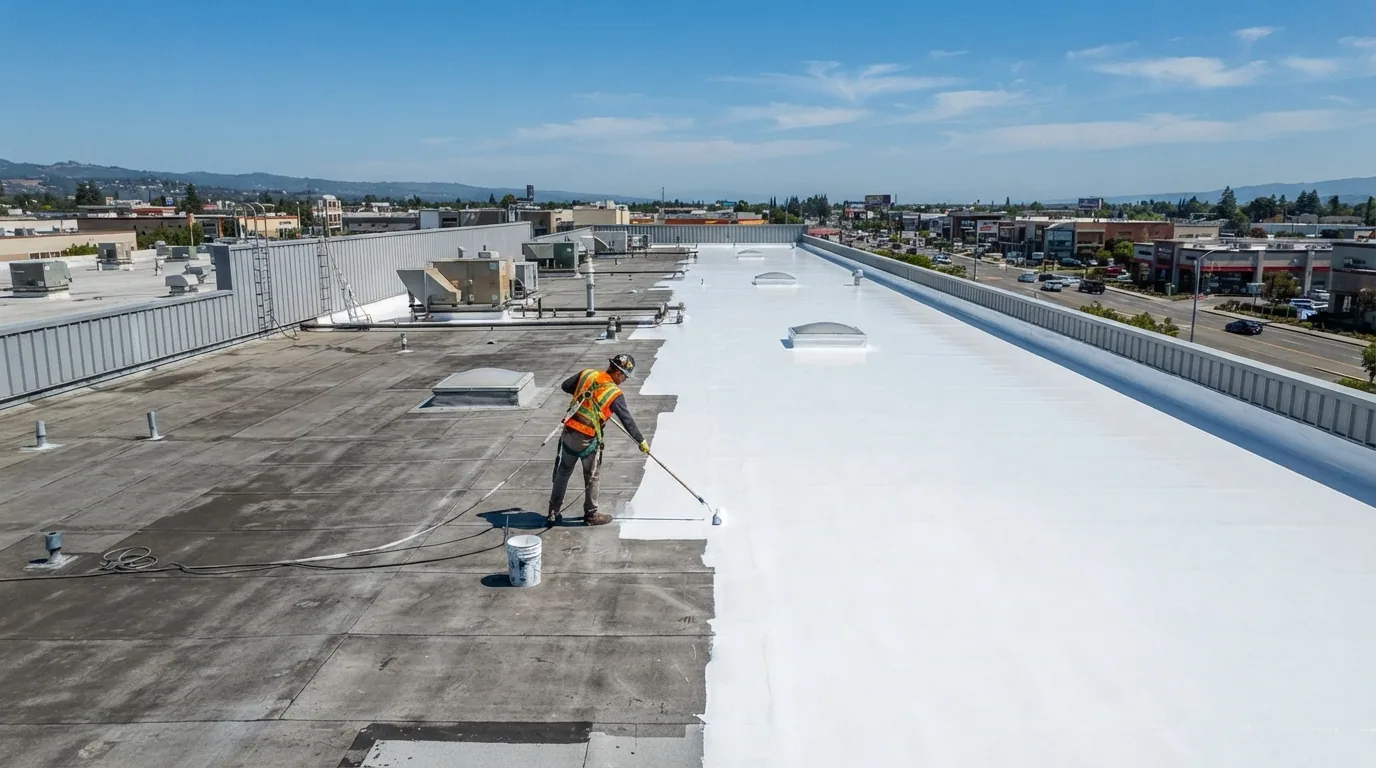
SPF makes a continuous, fully adhered layer that conforms to curbs, pipes and uneven surfaces, with no seams to open. It insulates as it protects, so the roof contributes to the building's energy performance. It is also lightweight, which suits structures that cannot carry a second membrane. A coating of silicone or acrylic, often with granules in high-traffic zones, forms the weather surface.
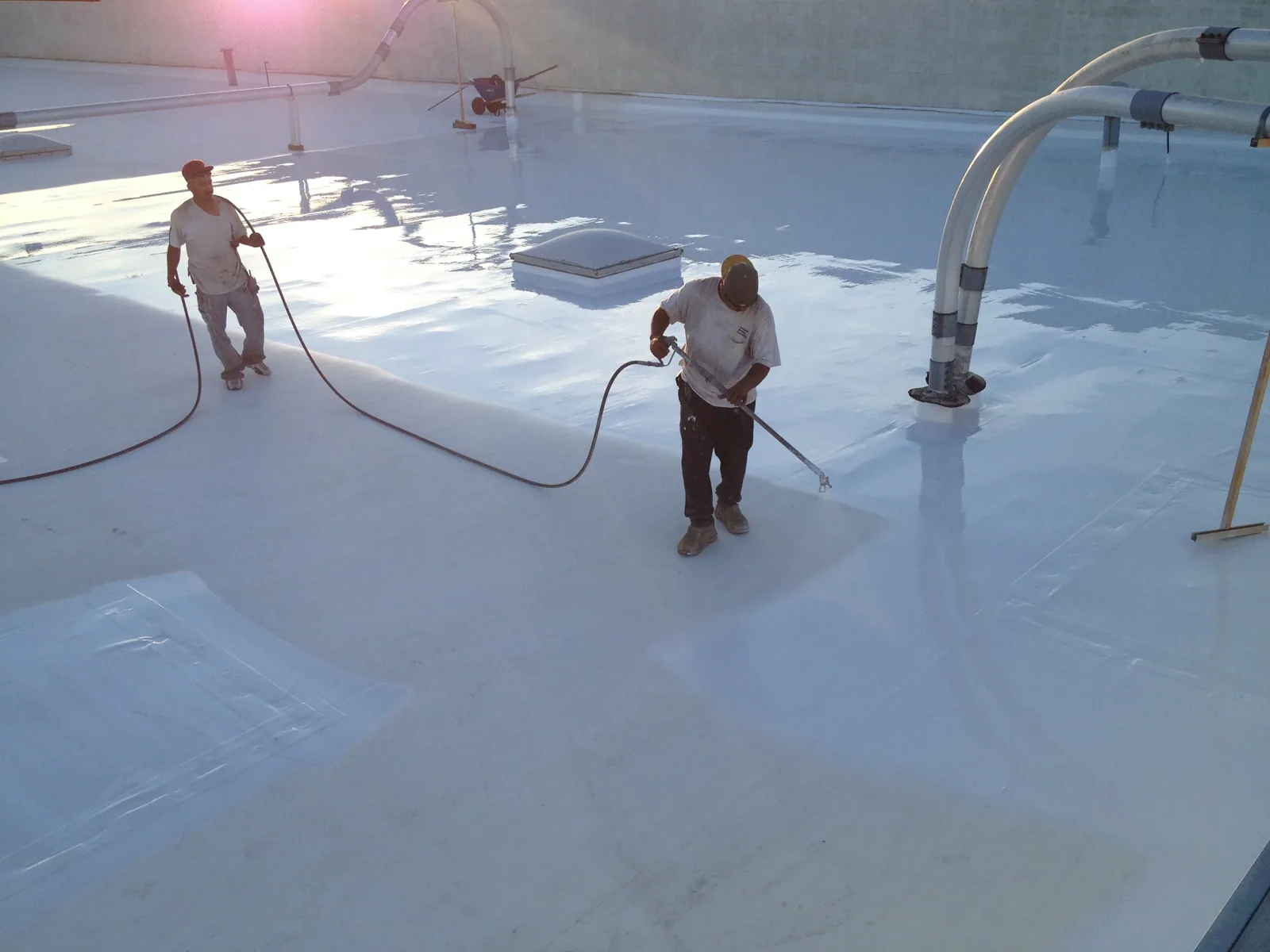
The system is applied in place by trained crews with plural-component equipment, and application depends on weather. Wind carries overspray, moisture on the surface spoils adhesion and temperature affects how the foam rises. On a building with neighbors, vehicles or air intakes nearby, overspray control becomes part of the plan. The thickness of the foam is checked at core cuts or with a depth gauge, because insulation value and the ability to shed water depend on a consistent layer, and low spots show where ponding will start.
How often does the coating need attention?
The coating is the part that wears. It takes ultraviolet light, rain, foot traffic and temperature swings, and it needs inspection every year and recoating on a cycle set by the product and the exposure. The coating on a Temple roof works through a summer with August highs near 95F and some eighty days above 90F.
The inspection looks for chalking, cracking, blisters, bare foam and thin areas, and photographs each against a numbered plan. A coating film check measures thickness at set points. Recoating before the foam is exposed costs a fraction of repairing foam that has eroded, and the schedule for the next recoat goes in the file with a date. A silicone coating and an acrylic coating differ in how they handle ponding and dirt, and the scope compares them. Foot-traffic routes to rooftop equipment wear fastest, and the plan adds walkway pads or a granule-filled coating there so that service technicians do not wear a path through the film.
What damages foam besides sun?
Punctures from dropped tools or foot traffic, birds pecking at exposed foam and wind that strips poorly bonded coating are the common causes. A tornado with peak winds near 120 mph crossed Temple on May 22, 2024, and the National Weather Service tied it to damage at restaurants, shops, banks and strip malls. After a wind event we walk foam roofs for lifted edges, flying debris strikes and any area where the coating has peeled.
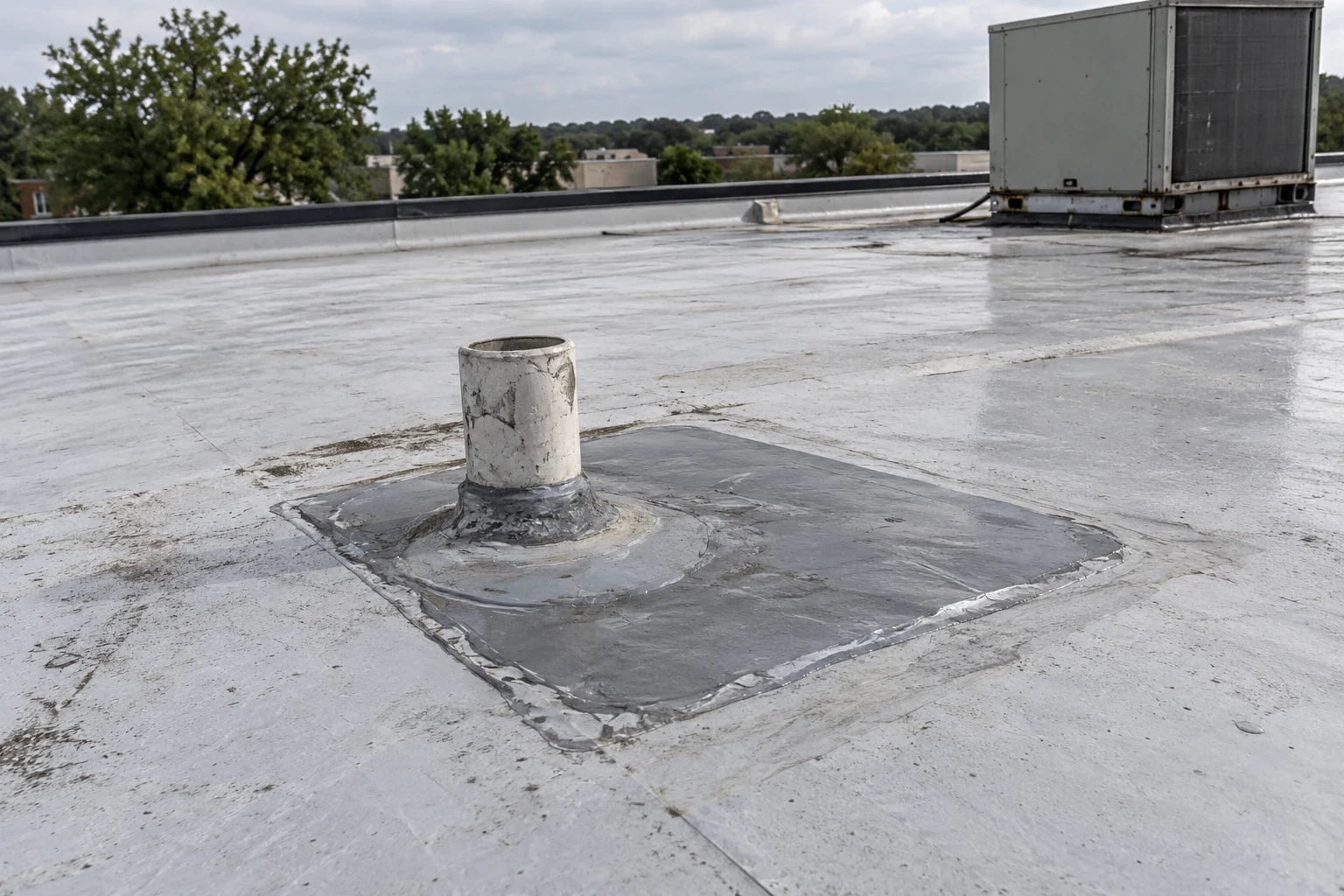
Repairs are straightforward when caught early: cut out the damaged foam, spray a patch, coat it and feather it into the surrounding surface. The make-safe step is a temporary cover over exposed foam, and the permanent repair follows once the substrate is dry. A membrane puncture repair follows the same sequence, recorded with a photograph before and after.
What does a holding repair on foam involve?
A holding repair cuts out damaged or wet foam, sprays a patch that matches the thickness, and recoats the area with the same coating so the repair blends in. If the roof cannot be sprayed at that moment because of rain or cold, a temporary cover goes over the exposed foam, held down with ballast or tape, and the permanent patch waits for the window.
Each repair is photographed with the date and located on the plan. The record states when the area should be looked at again, usually after the next heavy rain. A building with a foam roof along Interstate 35 or in Belton gets the same record format, so a facility group can compare roofs and spot the one that needs a recoat first.
Can wet foam be saved?
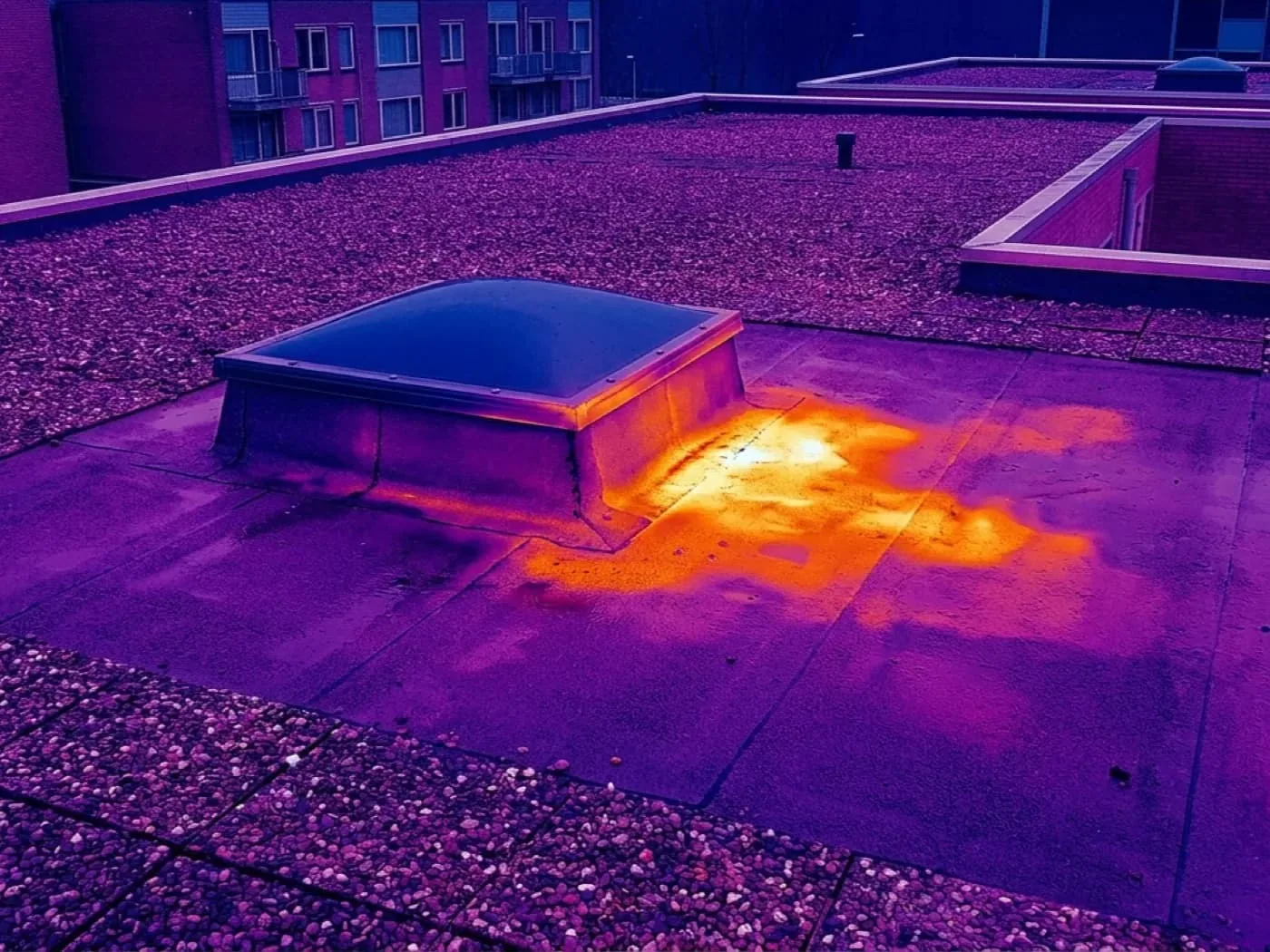
Closed-cell foam resists water absorption better than most insulation, but trapped moisture below the foam or at the deck can still cause trouble, and a break in the coating lets water into the foam over time. An infrared moisture survey and core cuts show where the foam is saturated. Small saturated areas are cut out and replaced. Large ones call for a different scope.
With about 39 inches of rain in a year and 5.4 inches in May, a coating break found in winter should be repaired before spring. The plan sets the date, and the record shows why. Core samples are plugged with foam and coated, and each plug is photographed and marked, so the survey leaves no new leak behind.
What does the application window look like?
Foam wants warm, dry, calm weather. Wind speed limits, dew point rules and surface temperature thresholds decide when the crew can spray, and the schedule includes buffer days for missed windows. Long warm stretches give the crew room in summer, while freezing nights and the spring rain season narrow the choices in other months.
Before spraying, vehicles are moved, adjacent windows are protected and air intakes are covered or shut down. On a campus like the Temple Medical and Education District, the facility team sets those controls, and the plan lists them with names and times. A morning meeting on the roof confirms wind speed, surface moisture and the day's spray area, and the crew leaves a written note of the readings with the facility contact.
How do foam roofs rank in a capital plan?
The ranking weighs coating condition, foam exposure and moisture results. A foam roof with a sound coating and a recoat on schedule is low on the list. One with exposed foam and trapped water is high. The ranking sets those roofs beside membrane roofs such as TPO in the same portfolio and recommends the next decision with a date. Owners who hold several foam roofs get a recoat calendar that spaces the work across budget years, with the oldest coatings first and a note on which can be pushed a season without risking the foam.
Commercial Roofing Questions
How long does a spray foam roof last?
The foam can outlast several coating cycles if the coating is maintained. The coating is renewed on a cycle set by the product and exposure, and inspection each year shows when.
Can spray foam be applied over an old roof?
Often yes, if the existing roof is dry, sound and clean enough for good adhesion. Core cuts and a moisture survey confirm those conditions, and any wet material comes out first.
What stops foam from being sprayed on a given day?
Wind, moisture on the surface, low or high temperature and dew point. The crew checks the readings, and the schedule carries spare days for the weather.
Does foam need a coating?
Yes. Ultraviolet light breaks down bare foam, so a coating is applied soon after spraying and renewed on schedule. A break in the coating is repaired promptly.
How is overspray prevented?
With wind limits, shields, covered vehicles and protected intakes and windows. The plan names the controls and who confirms them before the first pass.