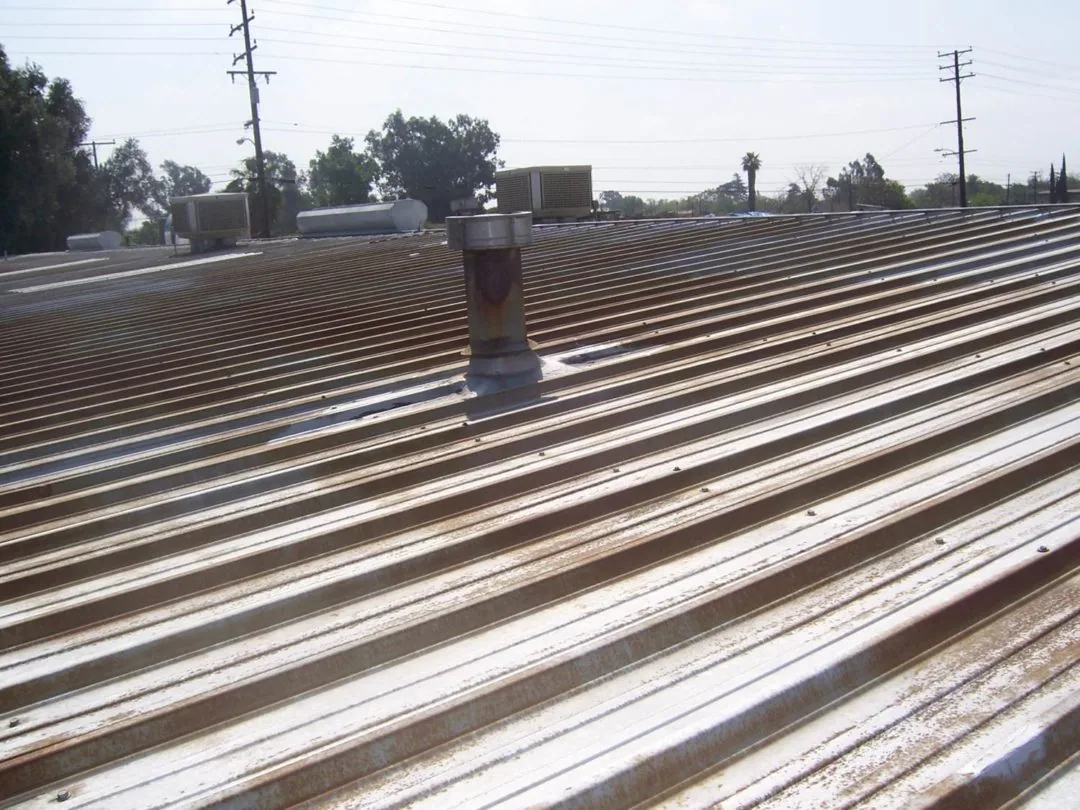
Acrylic Roof Coatings
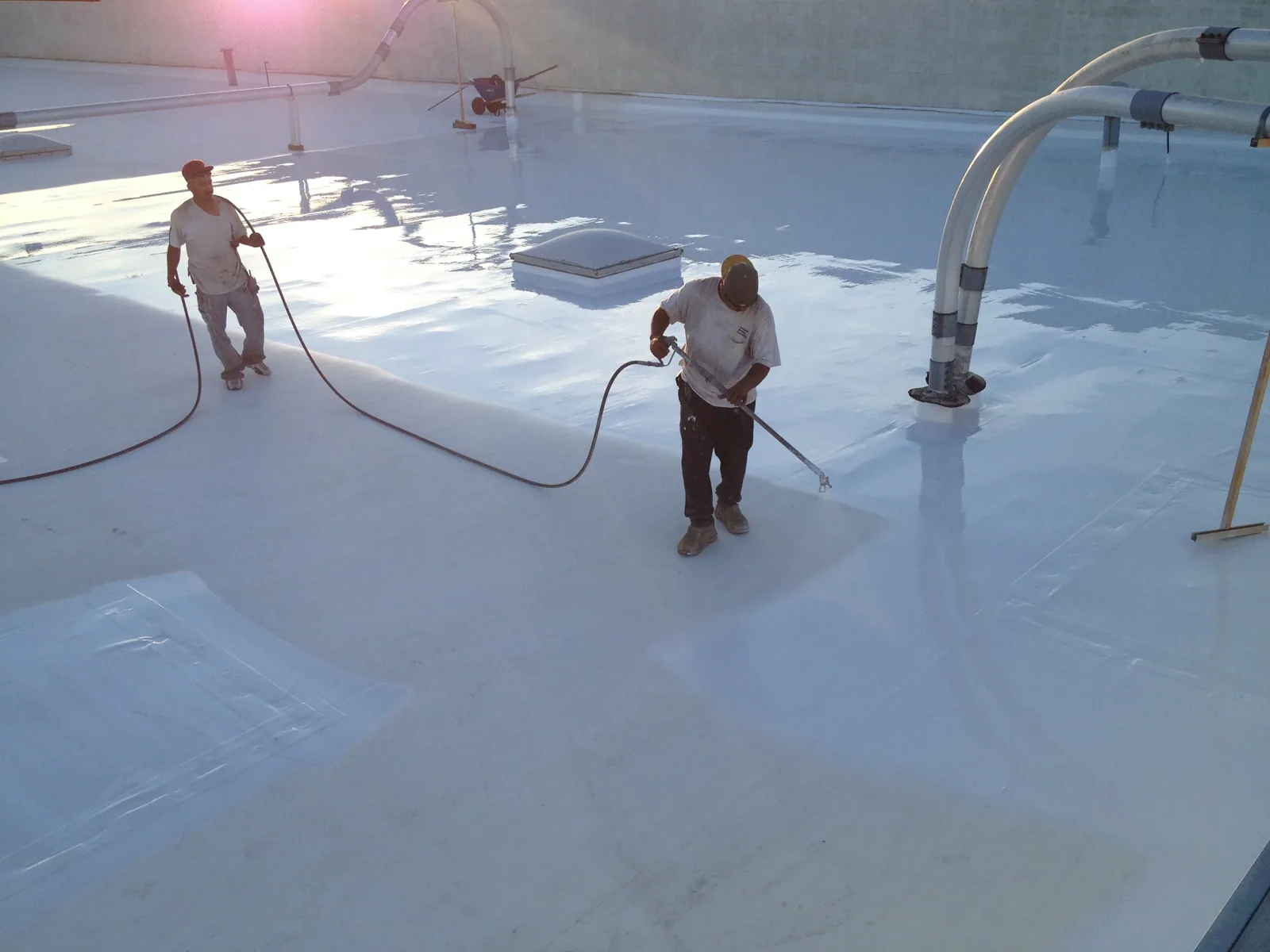
Before an acrylic coating is priced, someone has to decide whether the roof drains, because water-based acrylic does not like to sit under puddles. That decision belongs to the asset manager, and it is the first thing we put on the table when the call comes in. Acrylic is a water-based, reflective coating that is applied by spray or roller over an existing roof and cures as the water leaves it. In Temple, TX it comes up when a roof is sound but worn, and the cooling bills and the surface condition are both getting worse.
We triage the roof first: how it drains, what the surface is and what has to be fixed before anything is coated.
What is an acrylic roof coating good for?
It is a cost-effective way to reflect sunlight, seal minor surface cracks and renew a weathered membrane, a worn modified bitumen surface or a metal roof. White acrylic reduces roof surface temperature, which can ease the strain on membranes and flashings and the load on cooling systems. It bonds to many surfaces when properly prepared, it is easy to repair and recoat, and the application is simpler than a full re-roof.
It does not tolerate everything. Acrylic is not meant to sit in standing water for long, it needs a dry cure period and it is not a fix for wet insulation or open seams. The roof must pass the survey first. If it does, a coating is one of the least disruptive ways to extend service on a building that must stay in use. Compared with silicone, acrylic is easier to clean from the applicator's gear, simpler to patch and usually less costly per square foot, and those differences are written into the scope beside the drainage and adhesion findings.
Does the roof drain well enough?
The survey measures ponding with a level after rain and records the depth, extent and duration. Temple averages about 39 inches of precipitation a year, wettest in May at 5.4 inches, so a roof that stays wet for more than a day or two is a poor candidate for acrylic. Low spots can be corrected with tapered insulation or additional drains, or a silicone coating, which tolerates ponding better, can be chosen instead.
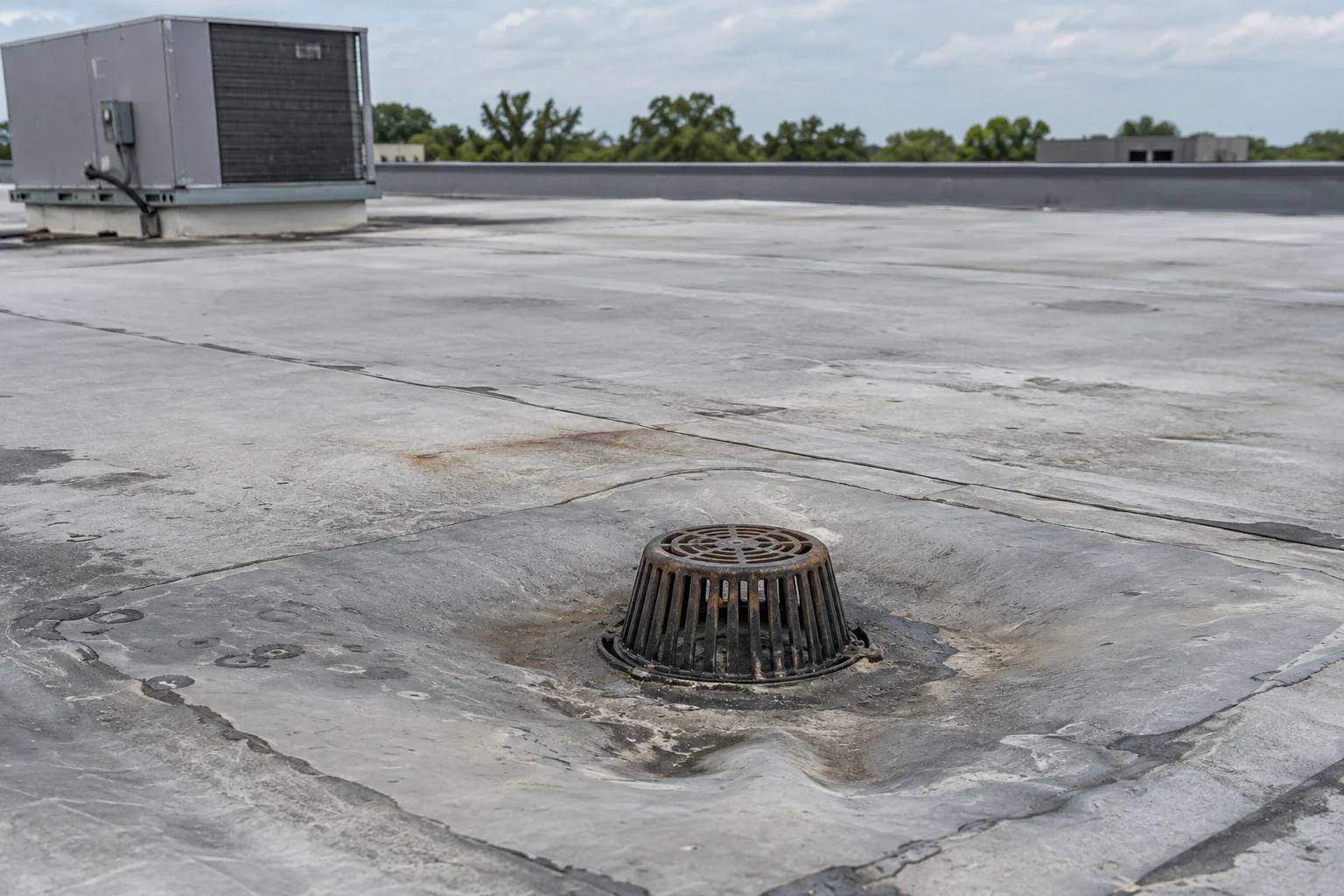
We also check the drains and scuppers themselves. A clogged outlet can make a well-sloped roof pond. The roof drains and scuppers items on the repair list come first, because they cost little and decide whether the coating will last. On a roof where the low spots cannot be fixed, the plan may leave those areas to a different material, such as a patch of silicone or a membrane insert, and coat the rest with acrylic. The roof plan marks the boundary so the two products never meet at a joint that will move.
What preparation does the roof need?
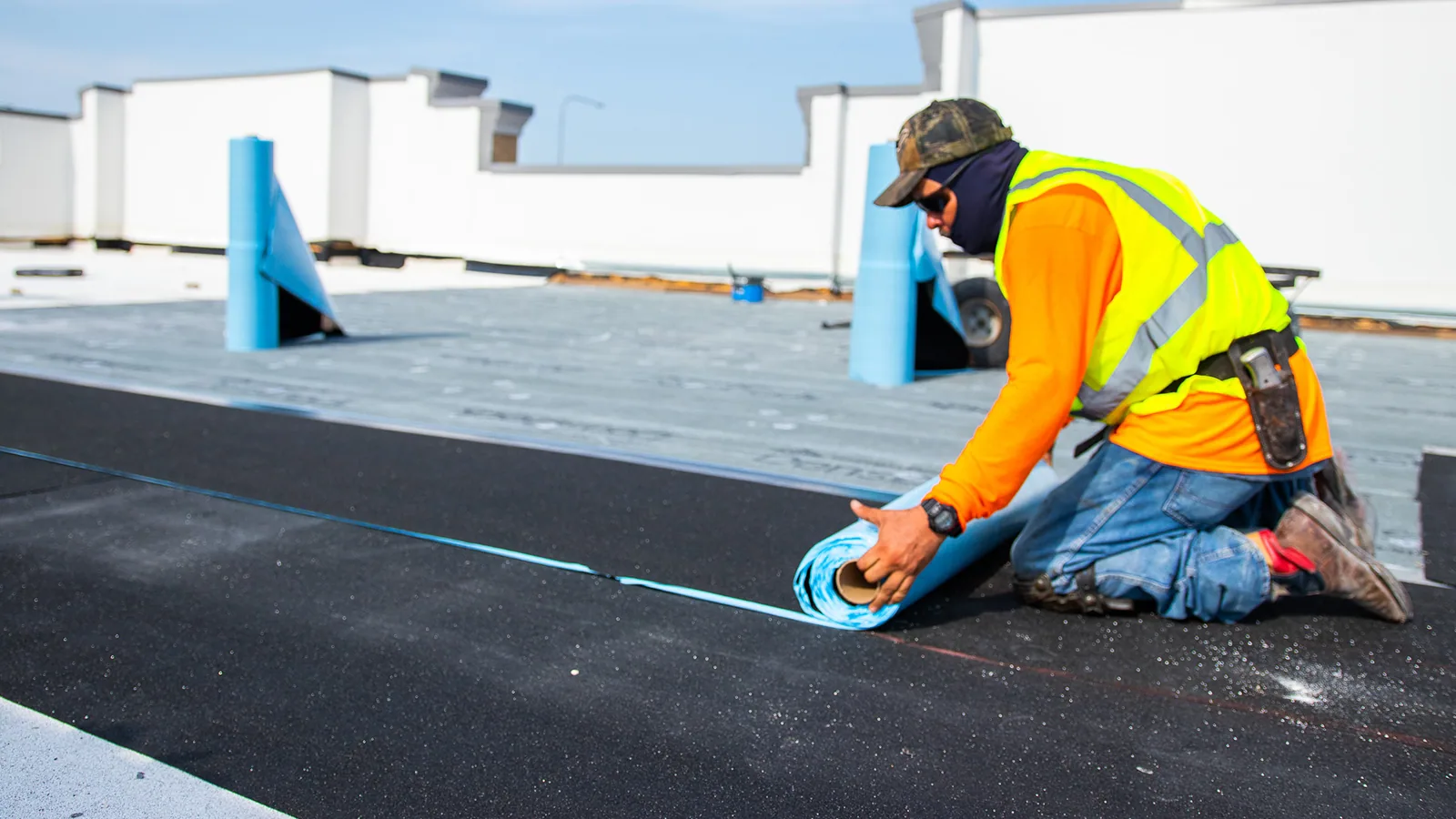
Cleaning and repair, in that order. The crew pressure-washes the surface to remove dirt, chalk and biological growth, lets it dry, then repairs seams, flashings, penetrations and punctures. Rust on metal is treated and primed. Reinforcing fabric is embedded at details that move. Adhesion tests on a small patch show whether the coating will bond to the existing surface.
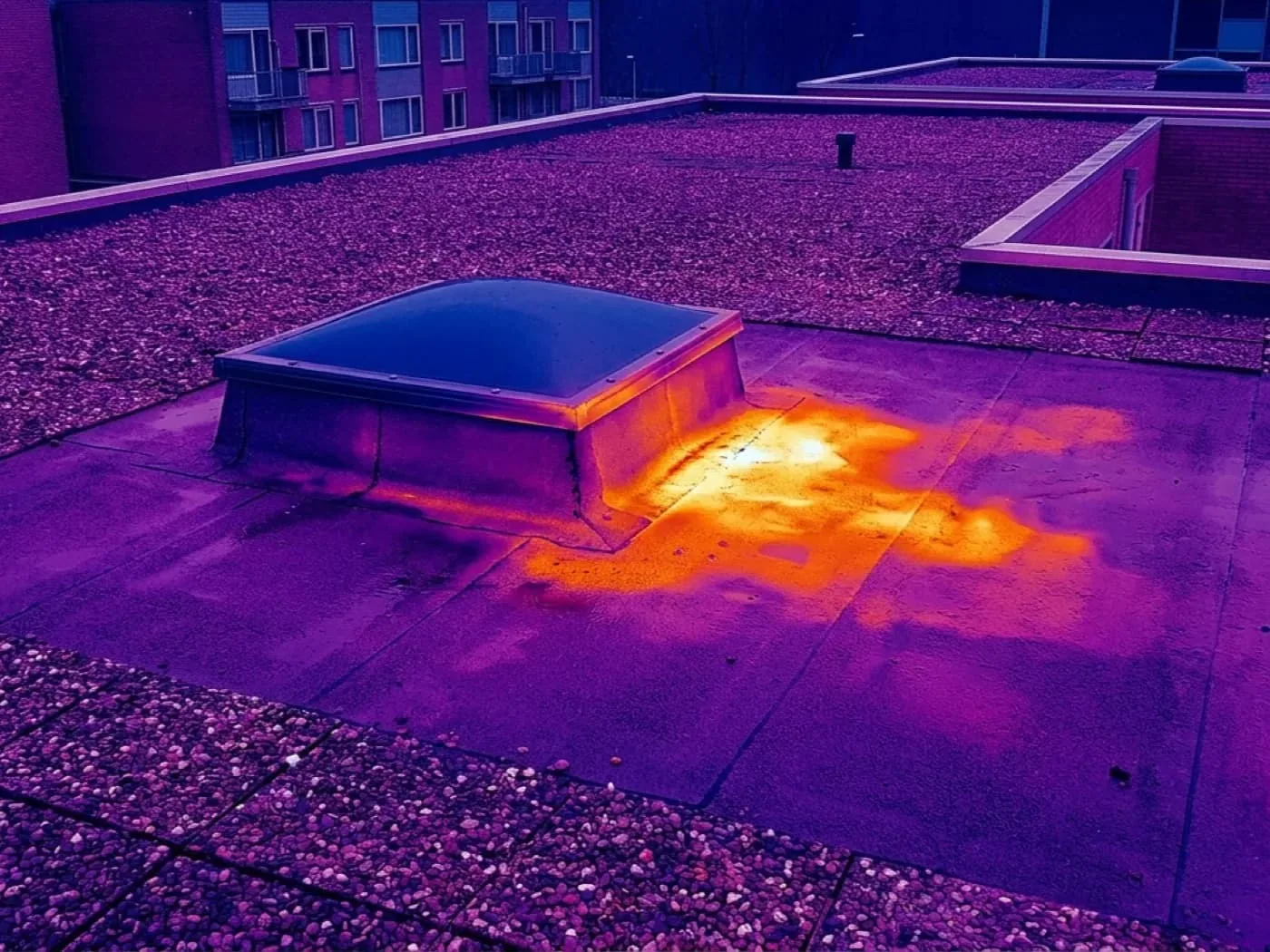
A moisture check follows. An infrared moisture survey with core cuts confirms that the insulation is dry. Wet areas come out first. Coating over trapped moisture is the quickest way to waste the money, and the survey exists to prevent it. Preparation is where most coating jobs are won or lost, and the intake record lists each prep step with a photograph, so a coating that fails early can be traced to the step that was missed, not guessed at.
How does Temple's weather affect the schedule?
Acrylic needs time to dry. A coat applied in the morning must cure before dew or rain, usually a full day without moisture. Spring brings frequent rain, and the application plan keeps spare days for missed windows. Summer heat, with August highs near 95F and roughly eighty days over 90F, speeds drying but can cause blistering if the coating is applied too thickly on a hot surface.
Winter limits the work: freezing nights come about 26 times a year, and a hard freeze can last, as it did across Central Texas in February 2021. The crew checks surface temperature, dew point and the forecast before each pass. A film thickness check after cure confirms that the coating meets the specified mil thickness at the plan's test points.
What happens to a coated roof after a storm?
A coating does not add wind resistance, and the May 2024 tornado showed how much wind Temple roofs can see, so after a storm we walk coated roofs for lifted edges, peeled film and impact marks. Small breaks are cleaned and patched. Large ones are made safe and documented for the permanent scope. A wind damage roof repair starts with dated photographs. The file keeps the pre-storm photographs of edges and seams, so a lifted corner after a gust can be shown as new damage and not mistaken for age.
What does a holding repair look like before a coating?
It is the list of make-safe fixes that prepares the roof: resealed seams, replaced boots, patched punctures and cleared drains. Each is photographed, numbered and dated. If the roof is not ready for coating, the holding repair buys a defined period, and the record names the date for review.
The decision left for the asset manager is whether to coat now or plan a replacement. The report shows the cost of each, the expected service of a coating and the conditions that would make a coating the wrong choice. Roof traffic after coating is limited until the film is fully cured, and the file records the date technicians may return to rooftop equipment.
Where do acrylic-coated roofs rank in a portfolio?
The ranking favors roofs by condition, not coating type. Coated roofs near the end of their cycle rank above sound, uncoated roofs. The same list can include buildings in Belton, Killeen and Temple, along Interstate 35, so a regional owner sees the whole picture and funds the order of work by severity. A coating bought now should have a recoat date written next to it, and the capital plan carries that date as a line item, so the cost of keeping the film healthy is planned rather than discovered.
Commercial Roofing Questions
Why does acrylic need good drainage?
Water-based acrylic can soften or degrade when it sits in standing water, so a roof that ponds for days is a poor candidate. The survey measures ponding, and the drainage is corrected first or a different coating is chosen.
How long must the weather stay dry after coating?
Long enough for the coating to cure, typically a full day or more without rain or heavy dew. The crew watches the forecast and keeps spare days in the schedule.
Can acrylic go over any membrane?
Over many, once cleaned and primed where needed. Adhesion tests on a small patch show whether it will bond, and some surfaces need a different system.
What are the signs that a coating is wearing out?
Chalking, thin areas, peeling at edges and dirt that no longer washes off. A film thickness check confirms the reading, and the recoat date comes forward if the readings drop.
Does a white coating lower cooling costs?
It lowers roof surface temperature, which can reduce heat entering the building. The size of the saving depends on the insulation, the equipment and how the building is used.