McGregor
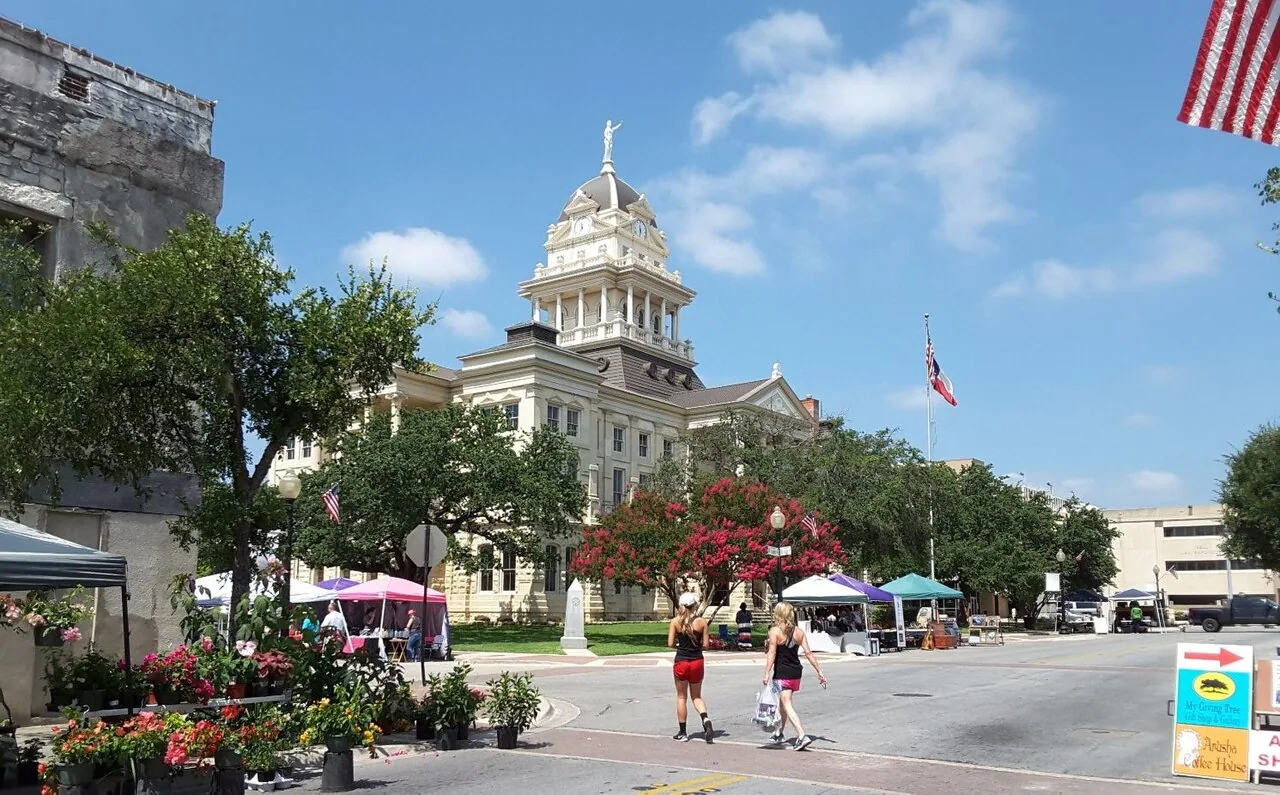
A large industrial roof fails differently from a small shop roof, and McGregor, TX has reason to think about both. The city had 5,321 residents in 2020, US 84 runs through its center, and the old Bluebonnet Ordnance Plant area now hosts a SpaceX rocket engine development and test facility. Knauf Insulation planned a fiberglass insulation plant in the city, with construction starting in May 2022. Those facts point to industrial and manufacturing roofs, and the question that opens the record is the one a plant manager asks first: where is the water getting in, and what is below it?
What fails first on an industrial roof?
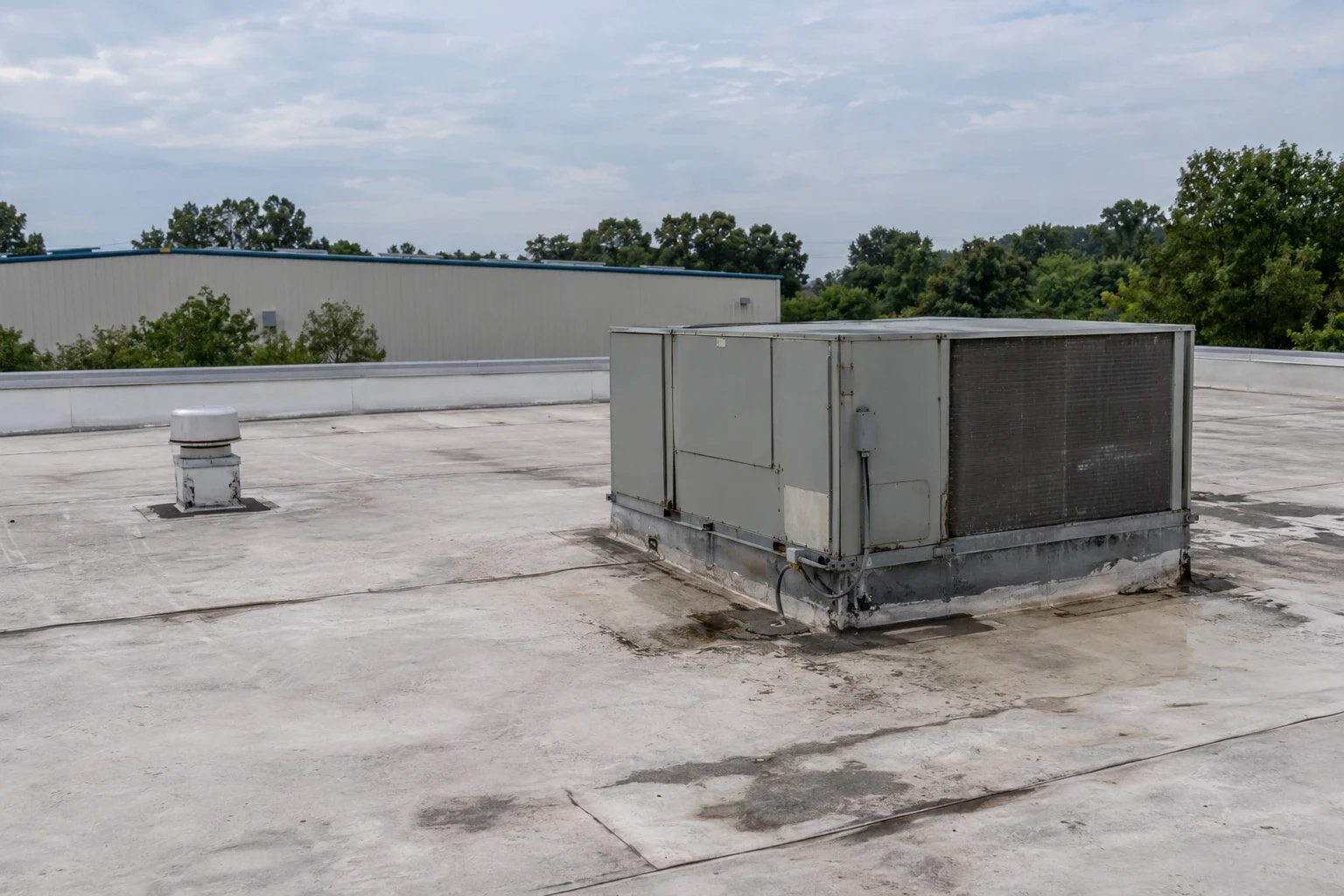
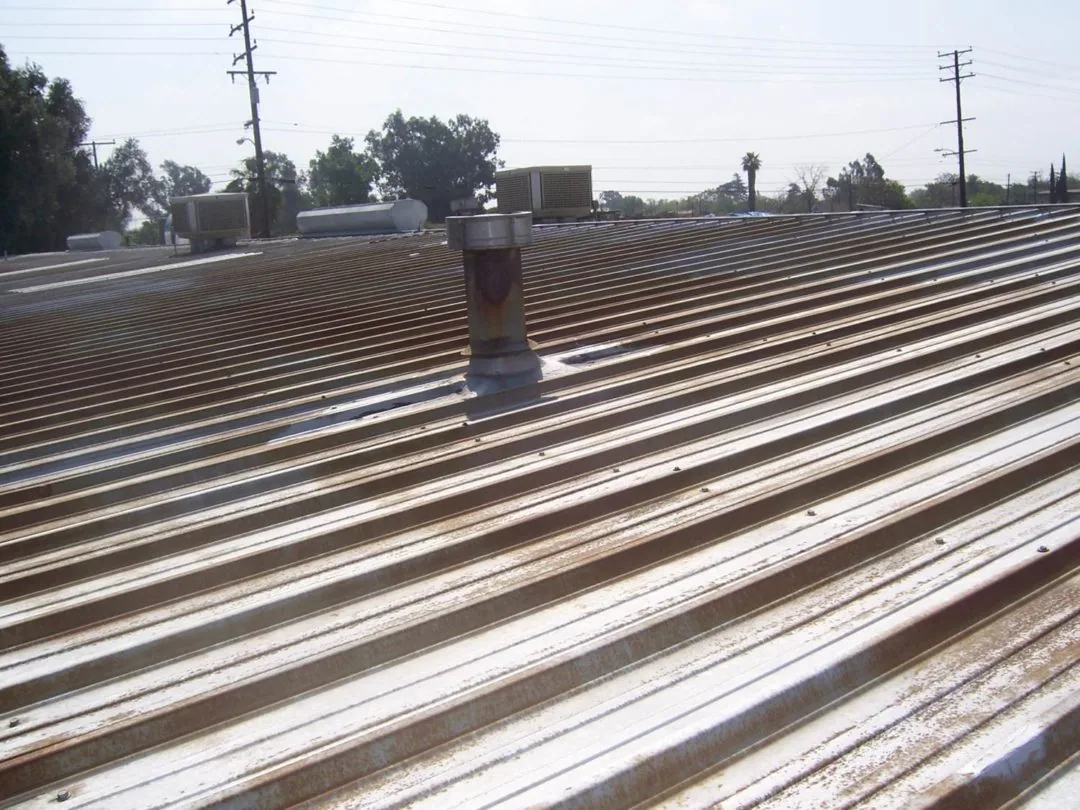
Drains, seams, and the penetrations for process equipment. An industrial building carries exhaust stacks, vents, conduit, ductwork, and rooftop units, and each crosses the membrane. Process exhaust can be hot, corrosive, or oily, and the membrane near it ages faster. Large flat areas collect water at a few drains, and a clogged one holds a pond against the seams.
Each section is walked as its own roof: seams, flashings and penetrations photographed, sealants near exhausts probed, drains counted. A process roof adds heat of its own to a Central Texas summer that, by Temple's normals, reaches 95F in August with some 80 days past 90F. A sketch ties every section to the process area below, so a stain over a production line is traced to the roof above it.
What is the make-safe step over a production area?
The first question is what the water can reach. Over a production line, a clean room, or a storage area, the plant manager decides whether to shut down, shield equipment, or move stock. After the opening is photographed, a temporary dry-in or sealed patch closes it from above, and the area below and the materials are logged. The plant's own staff decide how the line is shielded, and the call-back window for rechecking the cover after the next rain is set before the crew leaves.
Each holding repair is filed with a date and the open items it leaves behind, and the plant keeps the record in its own incident file. The permanent scope follows the survey, and the asset manager weighs the cost of repair against the cost of lost production. Until then the holding repair is rechecked after every rain, since a patch that held on Monday can shift by Friday. Emergency stabilization and the permanent scope sit in separate entries.
How are wet roofs found on large industrial roofs?
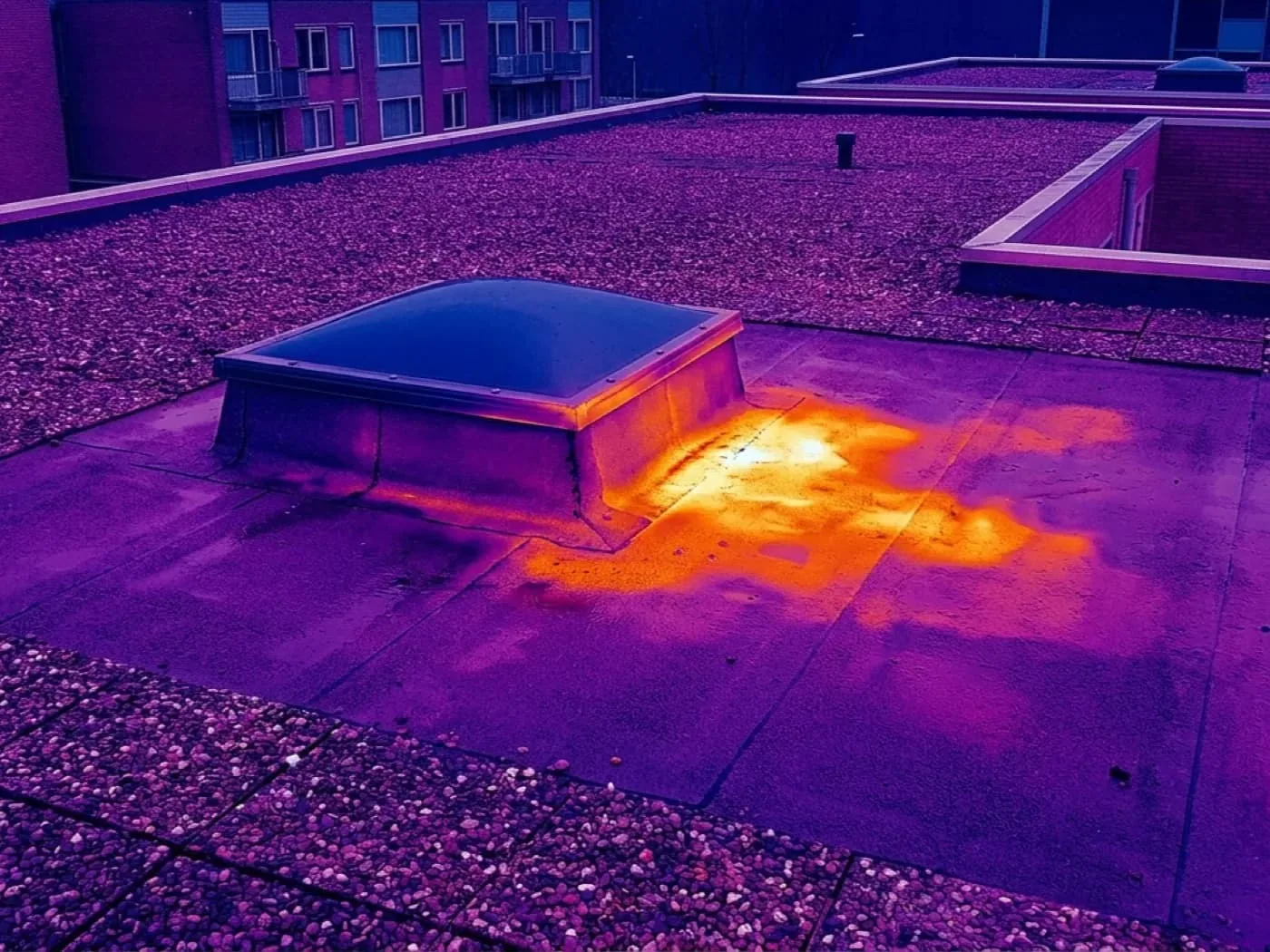
Coring a whole industrial roof is impractical, so the survey narrows the search. An infrared moisture survey run on a clear evening scans the full surface, and core cuts at the suspect spots verify the scan. The map sizes the repair to the wet area, which matters where a full tear-off would interrupt production.
Maps carry the building and bay numbers and a date, and a later survey shows whether a repair held. At a plant with a temperature-controlled interior the cores also confirm what insulation sits on the deck and how thick it is, which shapes any replacement design.
What do McGregor's industrial facts mean for roof planning?
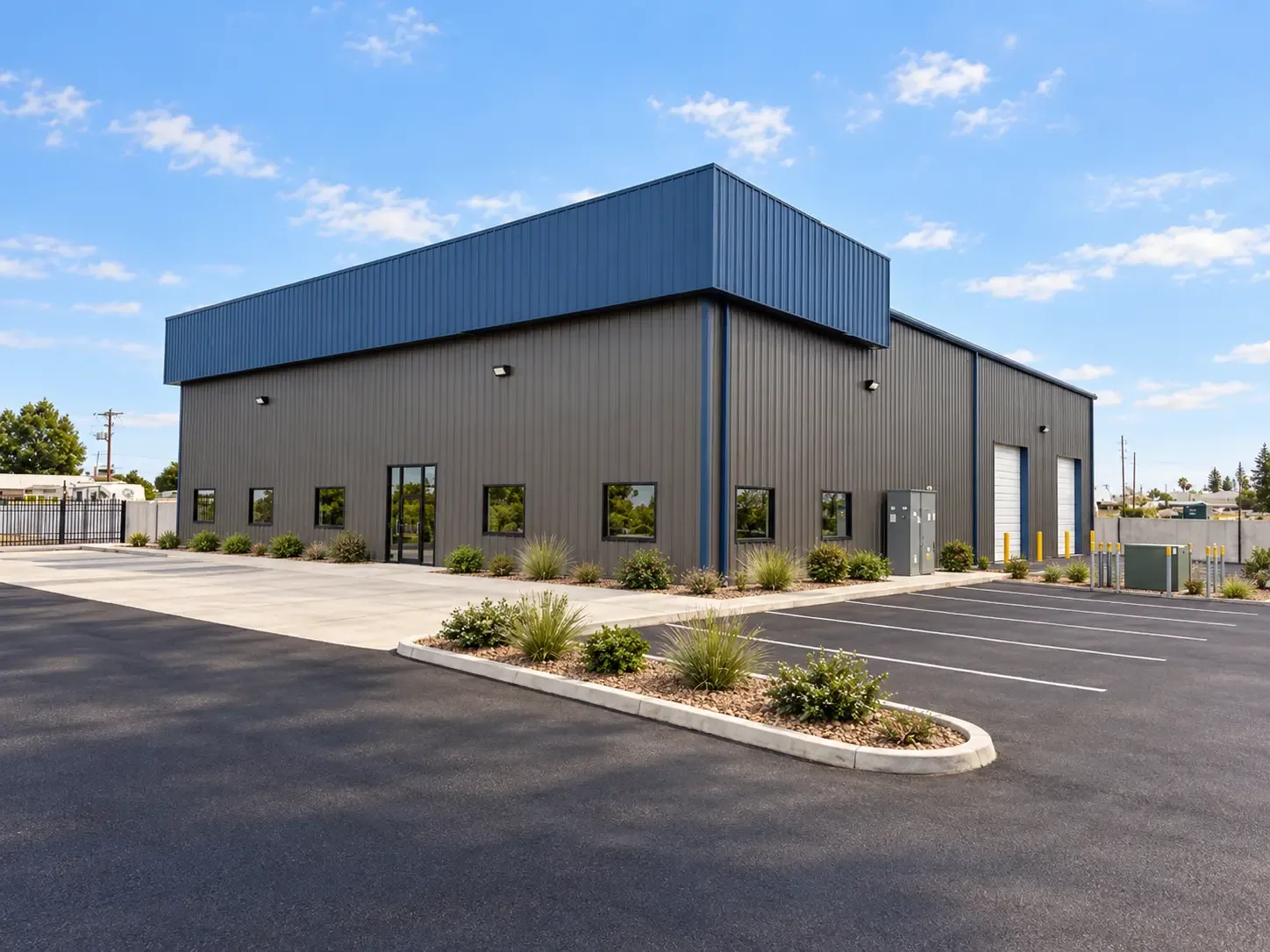
The SpaceX facility sits on the former Bluebonnet Ordnance Plant area, and Knauf Insulation planned a fiberglass insulation plant in McGregor. Those are facts about the city's industrial setting, not about the roofs on any specific building. They tell an inspector that industrial buildings of different ages and uses may be in the same area, and that the owner of any one of them should have its own record.
SH 317 crosses US 84 near downtown McGregor and runs south toward Belton, so a crew serving the city can combine visits with owners in neighboring towns. A manufacturer in McGregor is rated on the same sheet as a manufacturing plant anywhere else, and a storage building reads like warehouse roofing. Industrial roofs also hide their age. A building that has been reroofed once can carry two layers over the deck, and only the cores say whether the lower layer is wet. That is why the first survey earns its cost: a dry result lets the owner defer, and a wet one gives the plant manager a defensible scope to take to the budget meeting.
What does Central Texas weather mean for a McGregor roof?
On May 22, 2024 the Bell County city of Temple was hit by an EF-2 tornado near 120 mph, and the buildings it damaged included restaurants, shops, banks and strip malls; the weather service estimated 80 to 90 mph in straight-line gusts across that city, and a separate EF-1 touched down near Little River-Academy. McGregor is a separate city on US 84, so those events are regional context, not a record of damage in the city.
Before the season, coping, fascia and the membrane edge get tested for loose fasteners, and rooftop equipment and exhaust stack bases get checked for movement. A tall or wide industrial roof presents a big surface to the wind, so perimeter fasteners get a close look, and photographs from after a storm are set beside the earlier ones. Any wind damage is secured at the edge first, then the field is checked.
Insulation is the other big item on an industrial roof, since it carries both the thermal load and the roof's walkable surface. Where board is crushed under foot traffic or wet from a leak, a cover board and new insulation restore the surface, as laid out in insulation and cover board work. The cores show which boards can stay and which come out, and the scope lists the quantities.
How does an owner rank several industrial buildings?
A landlord with a park of buildings, or an owner with several plants, needs one scorecard. Membranes, flashings, drains, penetrations and moisture are graded together, the grades set the order of spending, and the photographs stay attached to the ranking. An owner who also holds a building in Lorena gets the same scorecard.
Cost drivers are named plainly: roof area, penetrations, wet insulation, equipment to lift, access, and plant hours. Work is phased so production continues, with crane or lift positions marked on the site plan so nothing blocks truck traffic, loading docks or emergency routes. Hot work follows the plant's permit procedure and a fire watch. The local permit office states which approvals apply, and emergency calls are answered at any hour.
Commercial Roofing Questions
Who decides whether the line stops during a roof leak?
The plant manager, with the roof facts in hand. We report where the opening is and how well it is covered, and the shutdown call stays with the plant.
Can an industrial roof be replaced while the plant runs?
Often. The roof work goes in phases, with equipment shutdowns planned ahead and noisy steps timed around critical operations, and the plant manager approves the plan before anyone mobilizes.
Why does process exhaust matter to the roof?
Hot, oily or corrosive exhaust ages the membrane around it faster than the rest of the roof. Staining and swelling near each exhaust get flagged, along with areas that need a compatible membrane or a protective layer.
What does a holding repair accomplish?
It closes one opening and nothing beyond it. The entry names the area, materials and date, and lists what remains open. The permanent scope is priced on its own.
How is a large roof surveyed without stopping production?
The work happens on the roof. An evening infrared scan, core cuts patched the same day, and nothing inside the plant has to move. The results arrive as a written summary with photographs.