Morgan's Point Resort
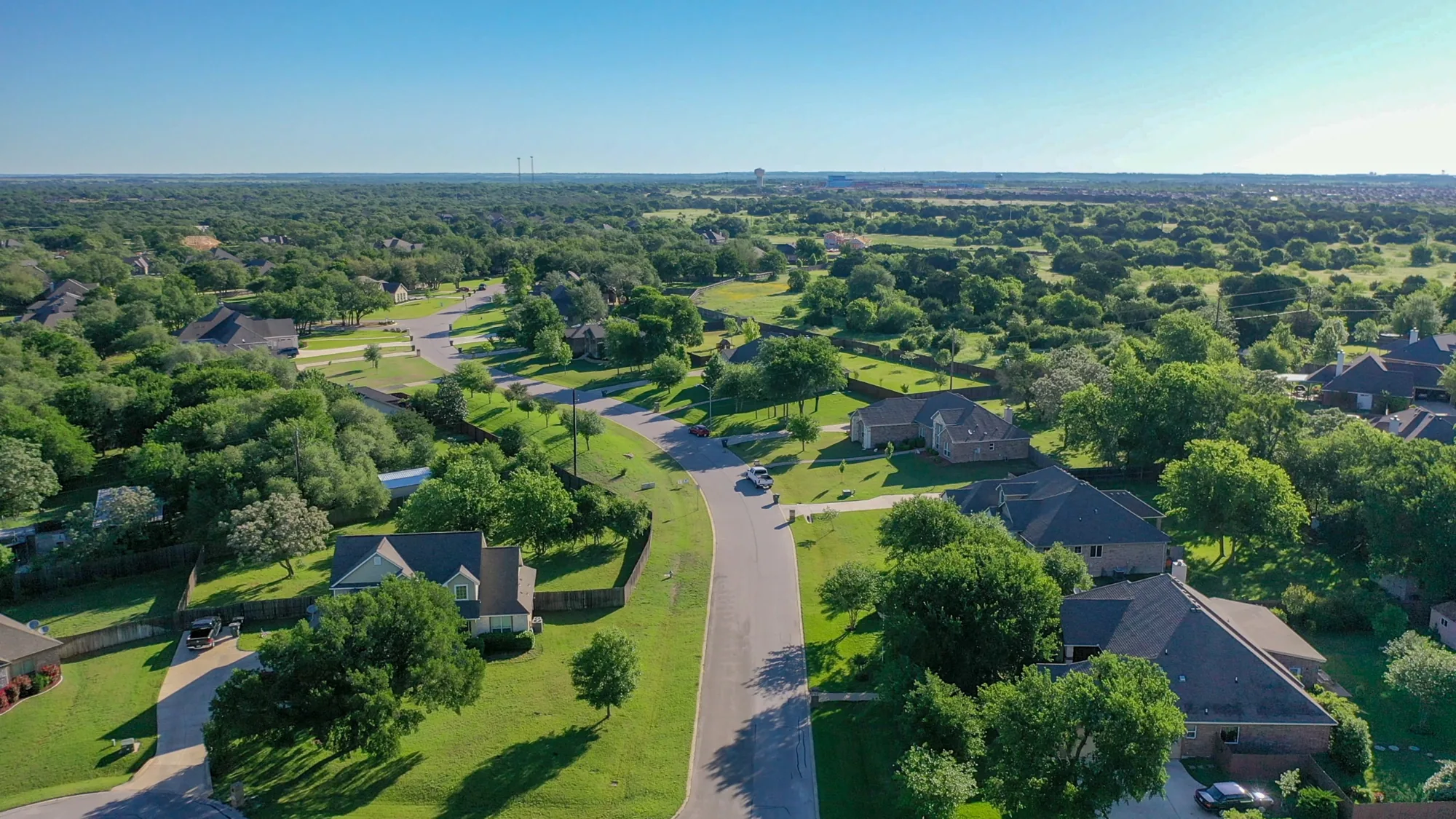
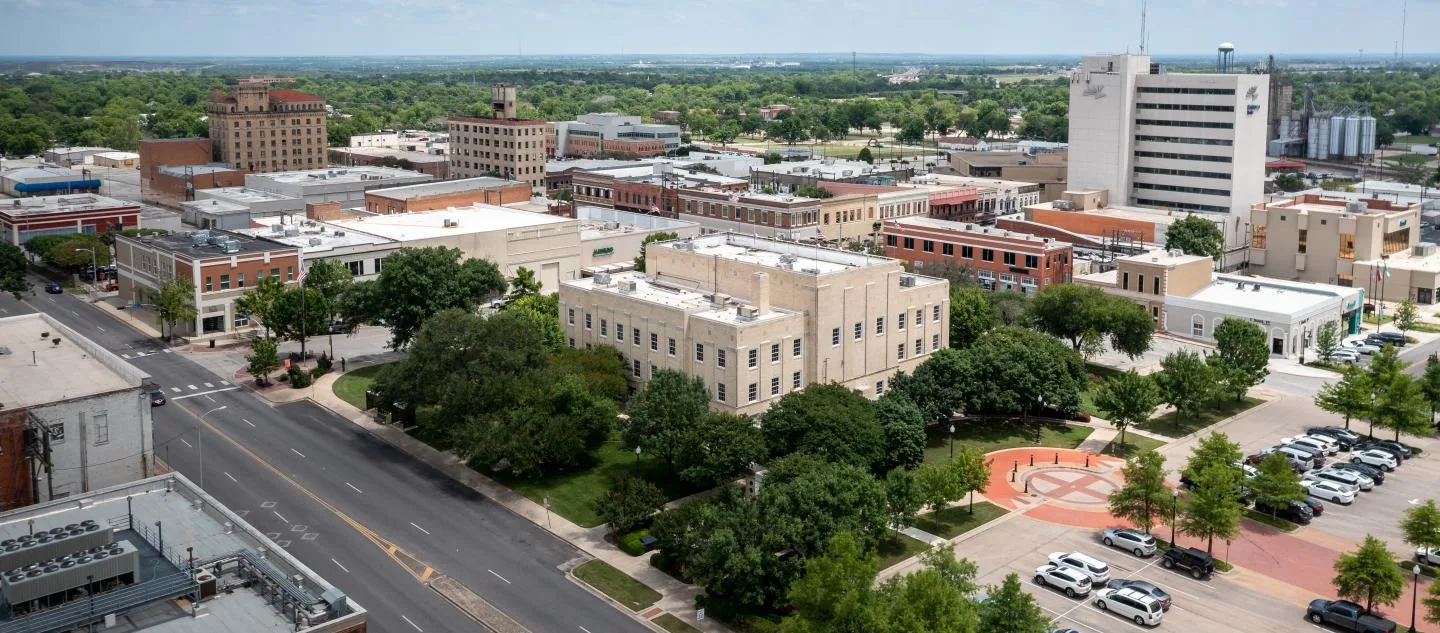
Who confirms the code edition before a roof is replaced? For a commercial building in Morgan's Point Resort the question comes before the first estimate. The city is a general law city incorporated in 1970 on the eastern side of Belton Lake, it had 4,636 residents at the 2020 census, it borders Temple to the south, and it is part of the Killeen-Temple-Fort Hood metropolitan area. In Texas the International Building Code applies in all cities and local governments may adopt later editions, so the edition in force for a project is something the permit office confirms.
That is the kind of fact that belongs in the first call. We ask who issues the permit, what edition applies and whether the work needs one, and we write the answers into the file before we scope anything. The rest of the job is roofing, and it follows the record.
How does the permit step fit into a roof job?
Not every roof job needs a permit, and not every city answers the same way. A repair that restores an existing roof is treated differently from a replacement or a change in use. The owner or an agent calls the permit authority for the address, and we write down the contact, the date and what was said. If a permit is required, it goes on the schedule with a realistic lead time.
Temple's Building Department applies the International Building Code during plan review, which is useful context for a city on its border. For a project in Morgan's Point Resort itself, the confirmation comes from the authority that covers the property. The practical result is a scope that is ready to submit when the permit is needed and does not wait on a surprise when it is not.
What does a small commercial roof need on the first walk?
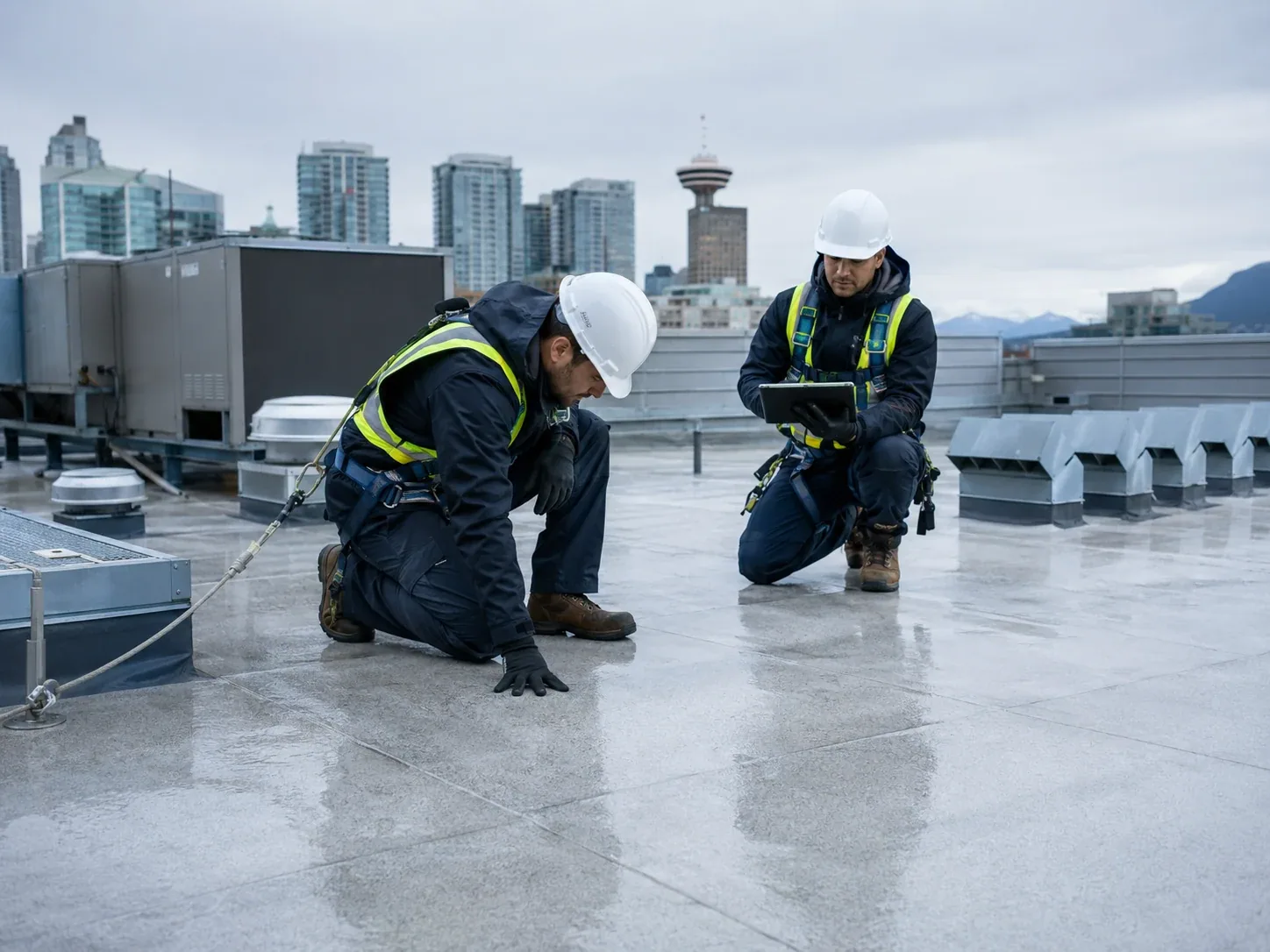
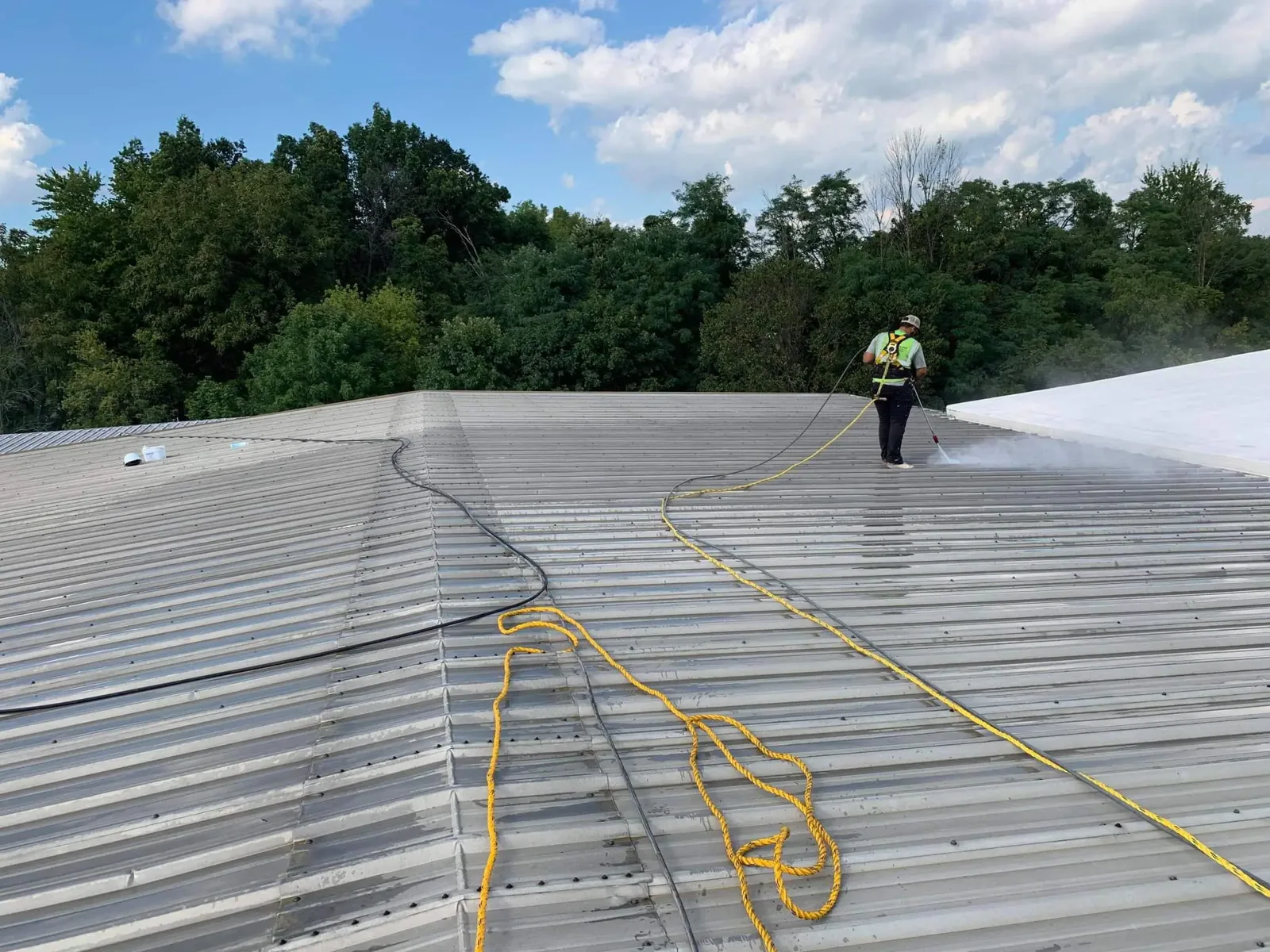
A small building has few roof sections, so the first walk is short and complete. We photograph the perimeter, edge metal and coping, then the penetrations, the field and the seams, then the drains and any rooftop equipment. Moisture readings go on the sketch. Each finding has a location, a photograph and a rating, and the recommendation separates repairs from monitored items.
The walk identifies the system, estimates the age from evidence and notes what could not be verified. A roof with no records is not a failed roof, but its age and insulation are unknowns, and the file says so. A commercial roof inspection that ends with a clear list is worth more than one that ends with a general opinion.
What does a Central Texas summer do to a roof?
August highs near 95F and some 80 days a year over 90F are the Temple normals that frame a Central Texas summer. Surfaces chalk, sealants harden and seams stress across the season. The effects show first at penetrations and edges. A spring walk and a late-summer walk, compared photograph for photograph, show how fast a given roof is moving.
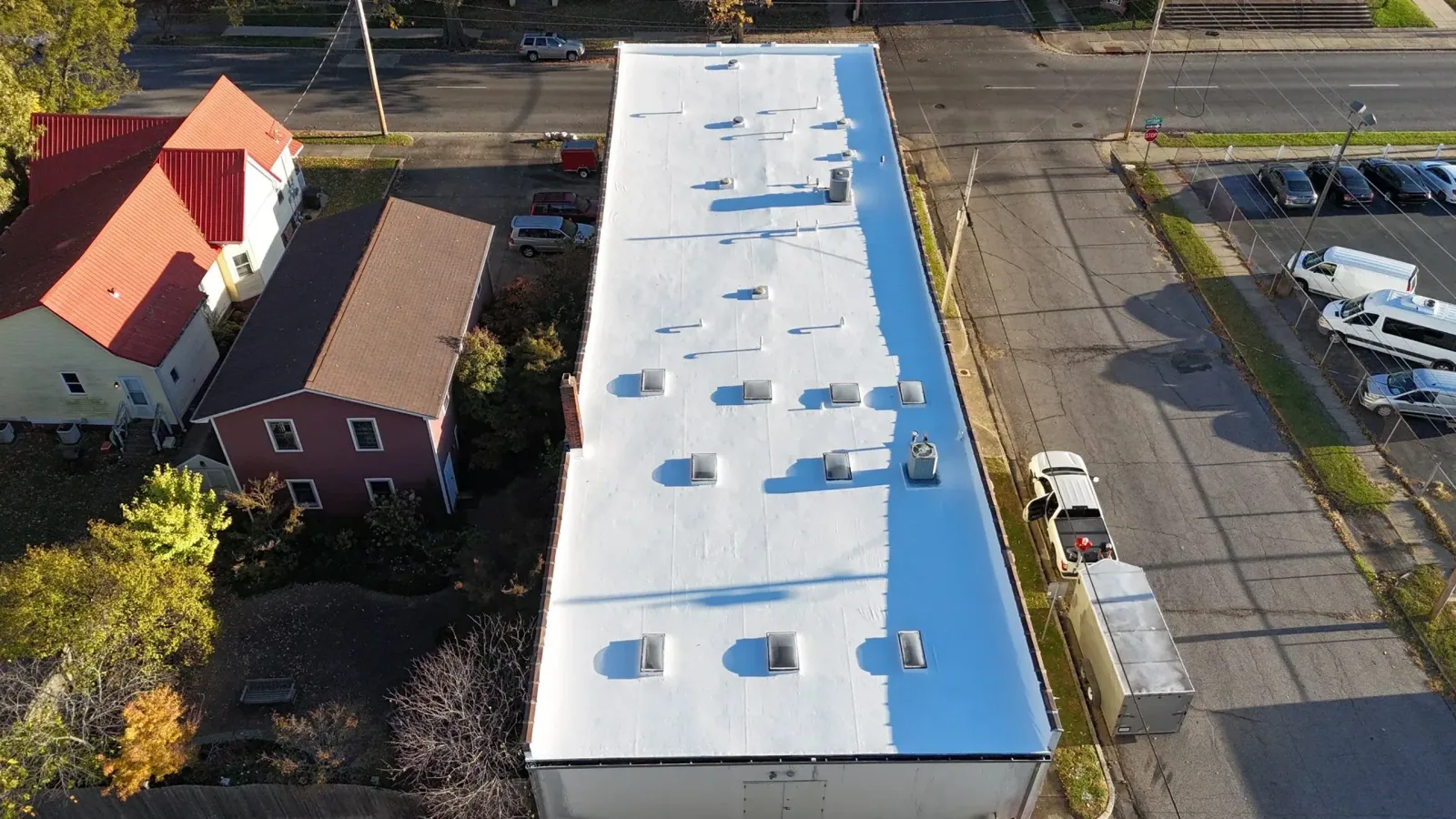
A roof that is moving slowly can wait for a planned project. One that is moving quickly goes into the capital plan sooner, and one with an open detail gets a holding repair now. Where the membrane is sound and dry, coating restoration can extend the roof's life. Where it is not, the walk says so and the options are priced beside each other.
What did the May 2024 storms leave for owners to think about?
Temple was struck by an EF-2 tornado on May 22, 2024, and its peak winds near 120 mph injured 30 people, as the weather service confirmed. Straight-line winds over the city reached an estimated 80 to 90 mph that day, and a second tornado, rated EF-1, formed near Little River-Academy that evening. These events are context for an owner in the area and not a finding about any roof in Morgan's Point Resort.
What they point to is preparation. A pre-storm record of edges, coping, rooftop equipment and drains turns a post-storm walk into a comparison. After a storm the order does not change: water, then record, then holding repair, then permanent scope. The tornado damage record uses the same steps, and emergency roof repair is the make-safe stage.
What does the first hour look like after a failure?
The first hour is about water and about who decides. Three people have to act in the first hour: one chooses between a tarp and a temporary dry-in, one confirms access to the roof and the room below, and one knows that photographs come before anything is covered. We keep those steps separate and in order, so the caller is not asked to settle everything at once.
Each make-safe step goes into the record with photographs and the hour. The intake record that follows captures the failure point, the roof system, the weather and the surroundings. A holding repair comes next, to last until the permanent scope is priced. The permanent decision, including whether a permit is needed, stays with the asset manager. We do not promise arrival times. Arrival depends on the address, the access and the weather, so we quote a window and not a time.
That separation protects the owner. A temporary measure that is logged with a replacement date does not turn into a permanent one by accident, and a claim can be built from dated photographs instead of recollection.
How does Temple-area rain test a flat roof?
About 39 inches of precipitation falls on Temple each year, with May the wettest month at 5.4 inches, and the city sees roughly 26 freezing nights. A flat roof under that pattern wants open drains in spring and tight seams before winter. We photograph each outlet, measure any standing water and note staining. A blocked drain is cleaned as a make-safe step. A drain that blocks again is a design question for the owner.
What are the options, and who decides?
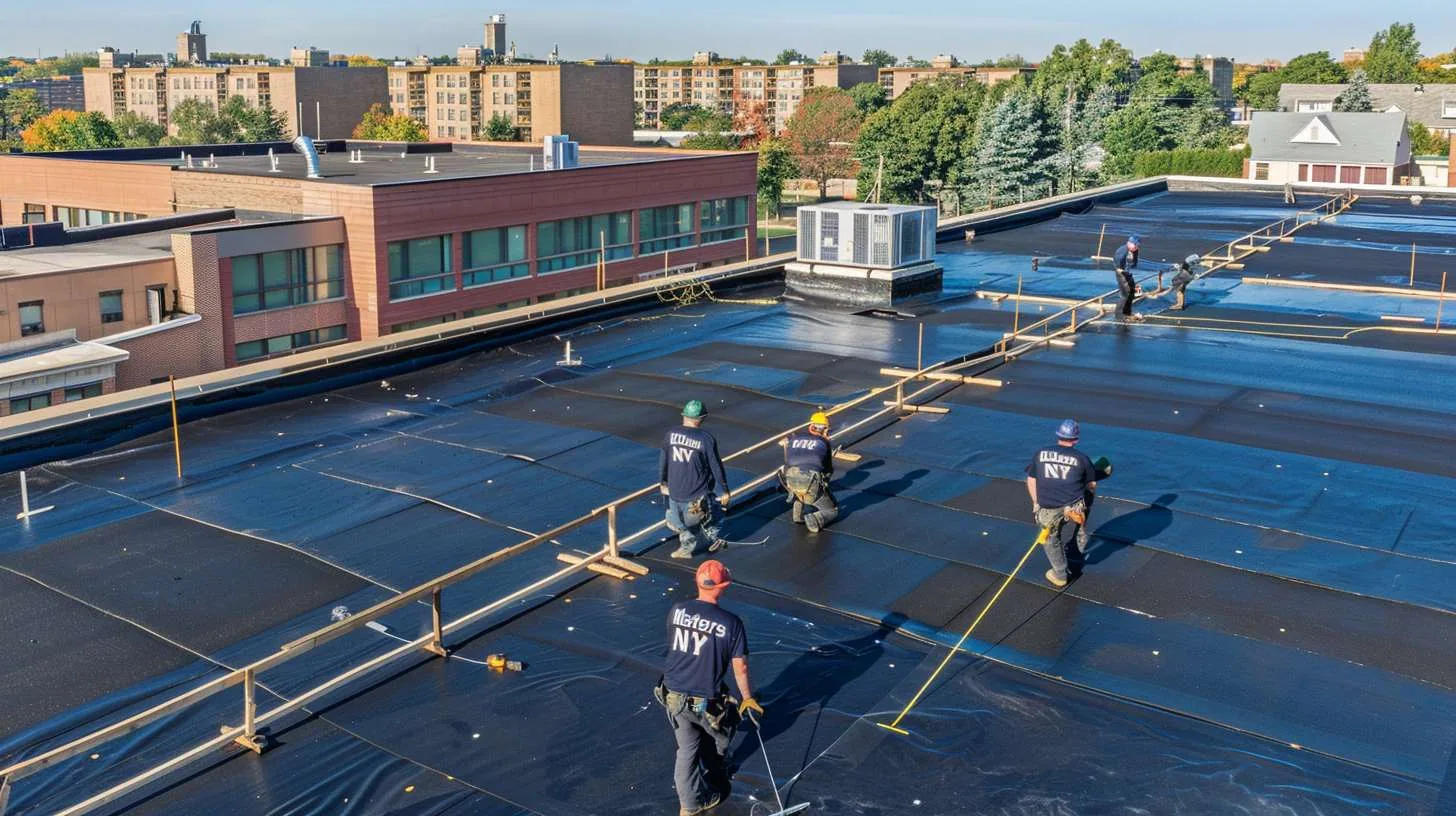
Repair, coating, recover or replacement: the findings decide. A roof with limited defects and dry insulation is repaired. Where the membrane is sound and only the surface is worn, a coating can extend its life. Where the base can carry a second membrane, a recover is an option. Where wet areas are wide, replacement follows. The recommendation prices each and states what would change the choice. The decision belongs to the owner, and the nearby Temple and Belton markets use the same format.
Commercial Roofing Questions
Does a roof replacement need a permit?
Often, depending on the scope and the authority that covers the property. The owner confirms with the permit office, and we place any lead time on the schedule.
Why does the code edition matter for a roof?
It sets the requirements the work is reviewed against. The code edition in force comes from the permit office, since local governments may adopt editions later than the base International Building Code that applies statewide.
What if the building has no roof records?
We identify the system, estimate its age from evidence and list the unknowns. The file marks what is observed and what is estimated, so the owner can see where the uncertainty lies.
How soon after a storm should the roof be checked?
As soon as it is safe to walk. The make-safe step comes first, then the photographs, then a holding repair while the permanent scope is priced.
Can small roofs be handled in the same program as larger ones?
Yes. The format is the same: register, photographs, moisture readings and a ranked list. A small roof simply has a shorter page.
What is the difference between emergency work and the permanent scope?
Emergency work stops water and makes the roof safe. The permanent scope fixes the cause and may need a permit. We log them separately so a temporary measure is never mistaken for the final repair.