Commercial Roof Inspection
A roof inspection produces one thing of lasting value: a record that lets an owner decide what to do next. Everything else, the walk, the photographs, the moisture readings, exists to feed that record. For asset managers in Temple, TX, with several roofs to rank and a budget that cannot cover all of them this year, the record is how the ranking gets defended.
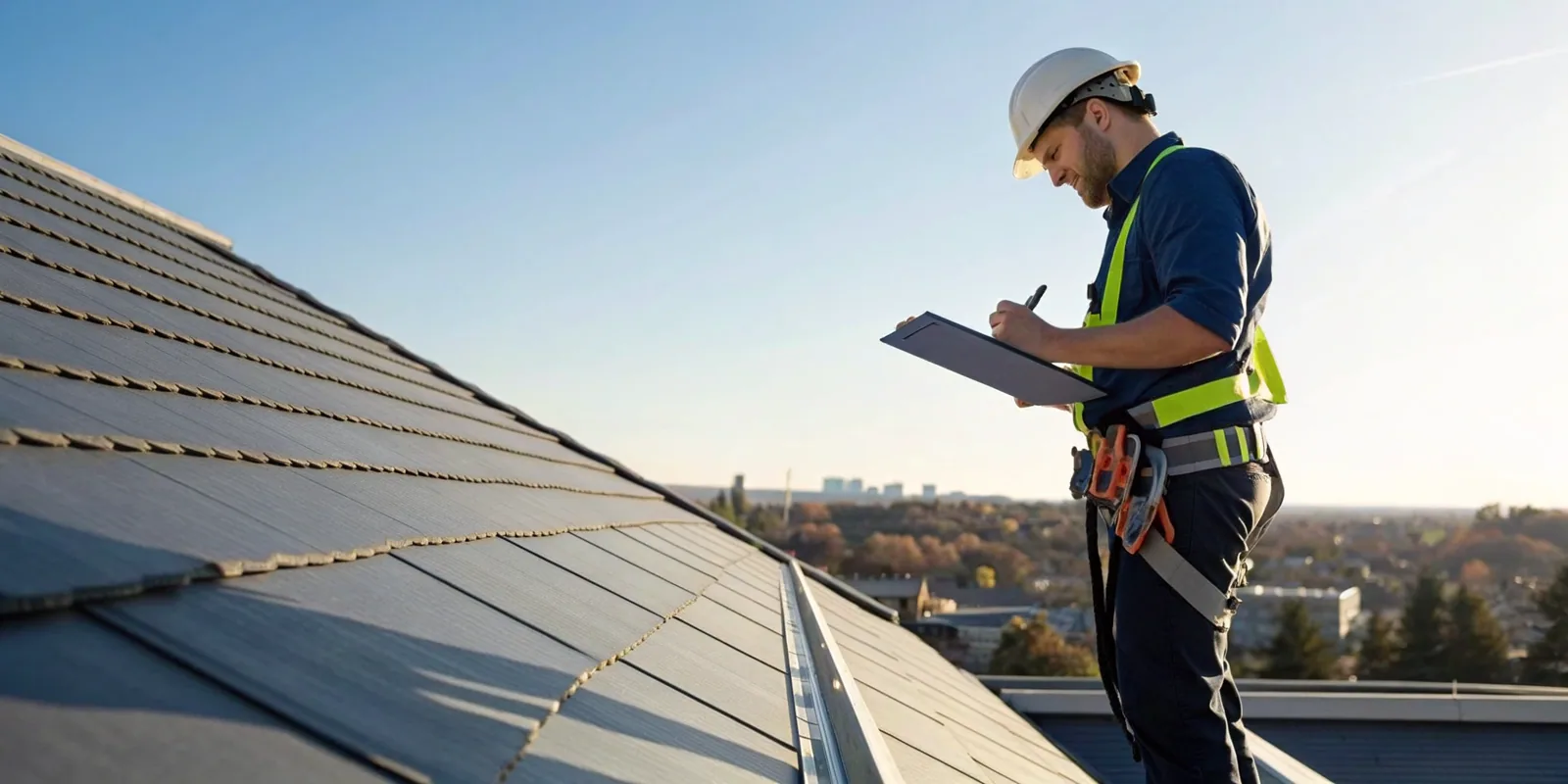
We inspect on foot. A person on the roof sees things a camera at a distance does not: a soft spot underfoot, a seam that gives under thumb pressure, a sealant bead that has turned chalky. The walk also tells us what the roof looks like to the people who use it, since foot paths to rooftop equipment often wear faster than the surrounding field. What we find becomes a written report with photographs, locations and a condition rating for each roof section.
What does an inspection cover?
The membrane first: surface condition, seams, laps, blisters, splits and punctures. Then the details, which is where most leaks begin: flashings at walls, curbs and penetrations, edge metal, copings, expansion joints and drains. Then the drainage itself, including slope, ponding, clogged scuppers and the condition of gutters and downspouts. Finally, rooftop equipment and its connections to the roof, since every unit and every line set is a potential opening.
Inside the building, we ask about stains, past leaks and the repair history. A tenant's ceiling photo from last spring can point to a spot on the roof that looks sound today. We also check the records for any prior survey or warranty paperwork, since earlier findings give the new report a baseline.
What does Temple's climate look for on a roof?
Heat is the constant. 95F afternoons in August and roughly 80 days a year past 90F cycle the membrane through large temperature swings, and the effects show up as chalking, shrinkage, seam stress and cracked sealants. We pay attention to places where the membrane is held in tension, such as at parapet walls and around curbs, since shrinkage pulls the material away from the detail first.
The other factor is wind. The tornado of May 22, 2024 and the 80 to 90 mph straight-line winds estimated across Temple that evening are context for any inspection in the city: edge metal that has lifted, coping that has shifted and fasteners that have backed out are all signs worth recording. They may not leak today, but they are the first places a later storm will exploit.
What does the written report give the owner?
A roof plan marked with every defect and photograph location. A rating for each roof section, with plain language about what the rating means: sound, repair soon, plan replacement. A list of recommended repairs, with priority levels and rough extent but no padding. And a narrative summary that the owner, the lender or the board can read without a roofing background.
The report is meant to be used. For multi-site owners, the ratings become the input to a roof capital plan that spreads replacements across years. For single-building owners, the report gives a clear answer on whether the next dollar belongs in repair or in a bigger step. Reports from several visits also build a condition history that shows how fast a roof is declining.
How do ratings turn into decisions?
A rating is only useful if it ties to money and timing. A section rated sound goes back on the schedule for the next visit. A section rated repair soon gets a priced list and a target date, ideally before the next spring storm season. A section rated for replacement planning gets a rough extent, a recommended system type and a window when the work should happen so the capital budget can absorb it.
We keep the criteria for those ratings the same across buildings, so an owner comparing a warehouse roof with an office roof is comparing like with like. Moisture readings, membrane brittleness, seam performance and the history of repairs all feed the same scale. When two roofs get the same rating, they have the same urgency, and the owner can sequence work on that basis rather than on whichever tenant called last.
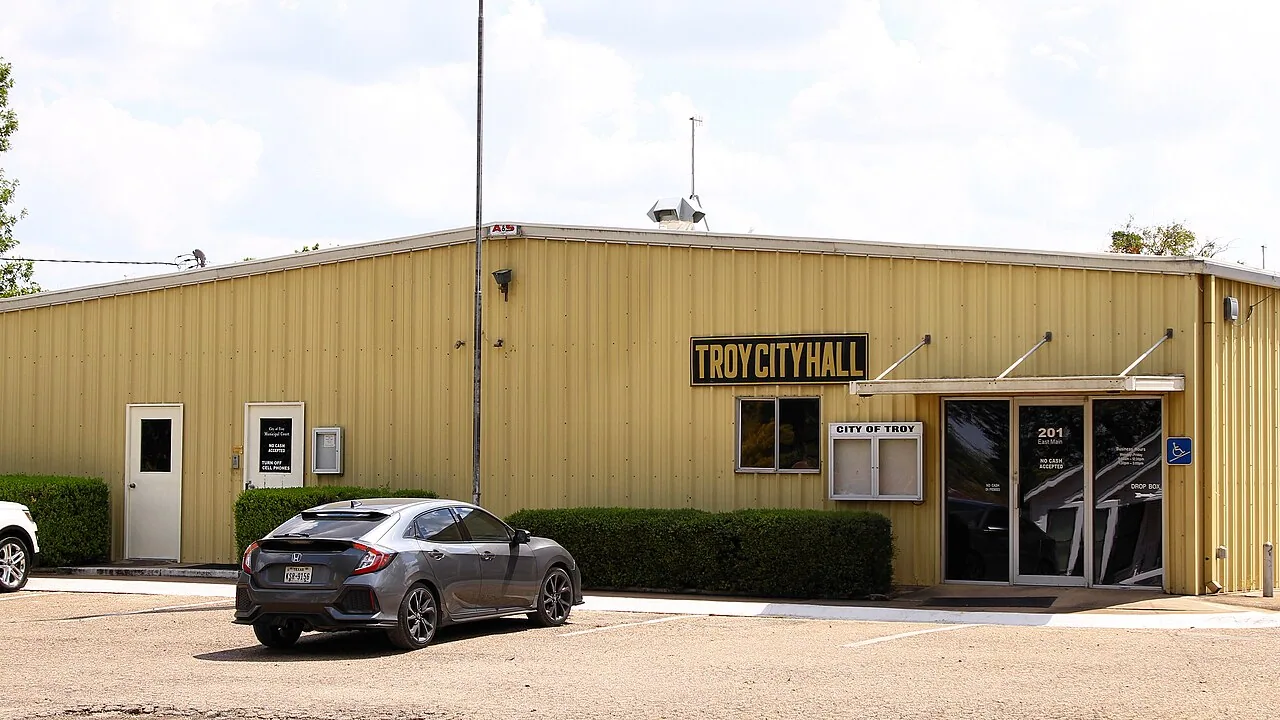
Owners with a distribution building and an office in different parts of the metro, for example in the Temple Industrial Park and out along I-35 in Troy, can run both through one report and one scale, which makes the budget conversation shorter.
When does an inspection earn its cost?
Before a purchase, since a roof can be the largest deferred expense in a building. After a storm, since damage may not show as leaks for weeks. Before a warranty expires, so defects can be documented while the manufacturer is still responsible. After a leak, to learn whether it was a one-off or a symptom. And on a regular schedule for any building where a failed roof would interrupt operations.
Buildings with occupants that cannot tolerate water, such as the clinical buildings in the Temple Medical and Education District, tend to justify a tighter inspection routine than a storage building. The owner sets the interval; we set it out in writing alongside the first report so it is easy to follow.
How do we add technology to the walk?
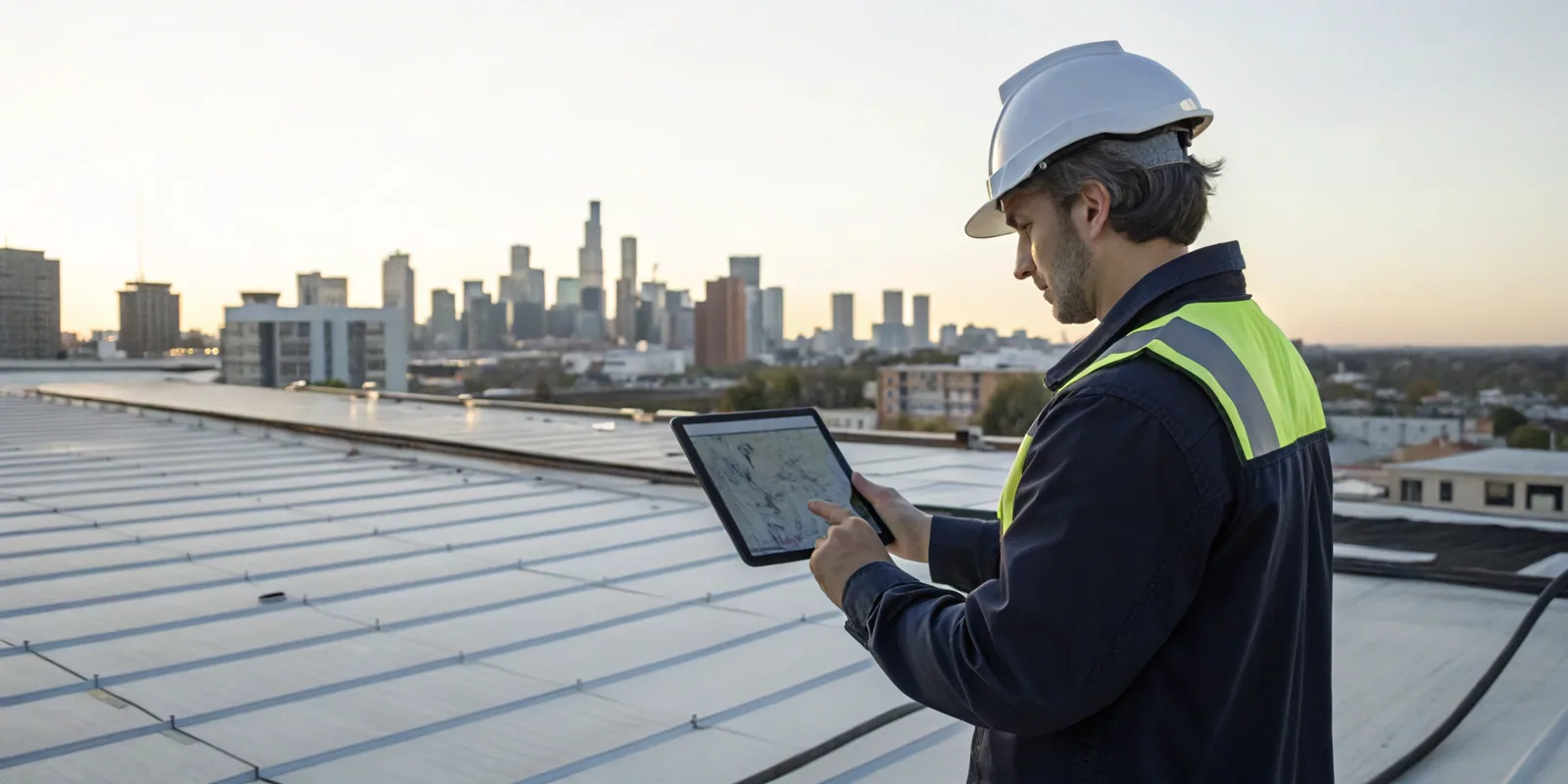
A walk can be extended with instruments. Drone imaging covers large or steep roofs and shows overall patterns, while an infrared moisture survey maps wet insulation that the eye cannot see. Both are used when the question needs them, and they sit on top of the hands-on inspection rather than replacing it.
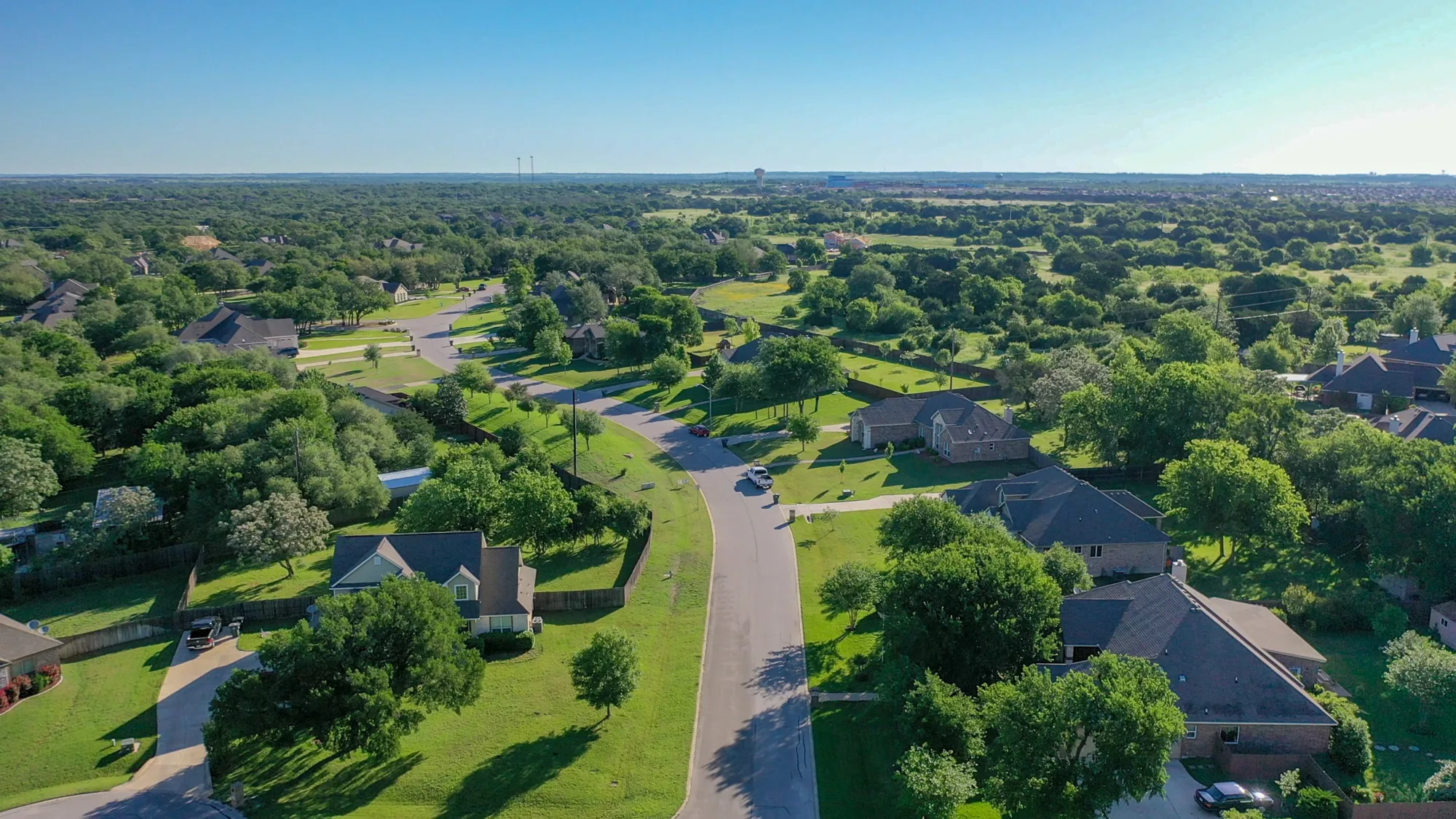
Any building with several roof levels or a large open field, in Belton or anywhere else, benefits from a drone pass that gives a quick overview before the crew walks the details. The two methods together produce a more complete record than either alone.
Commercial Roofing Questions
How long does an inspection take?
A small roof can be walked in a couple of hours. Larger roofs take a day or more depending on area, access and the number of details. The written report follows after the field work, and urgent findings are called in before the report is finished.
What access do you need?
Roof access through a hatch, ladder or stair, a contact for building security and a safe route to the roof. We also appreciate a roof plan and any repair or warranty records if they exist. We handle fall protection and notify tenants when the walk requires it, and we ask for a short list of any roof-mounted equipment that must not be shut down during the visit.
Will the inspection void a warranty?
No. Walking a roof correctly does not harm a warranty, and the findings can help document that the owner has maintained it. We avoid penetrating the membrane except for approved core samples, which are patched afterward.
Do you recommend repairs from the report, or just identify problems?
Both. The report separates observation from recommendation, and each recommendation carries a priority and a scope. You can use it to bid the work with us or take it to another contractor.
What if the inspection finds nothing wrong?
Then the owner has a documented baseline and a reason to postpone spending. A clean report is a sound record to show a lender, insurer or buyer, and it makes the next inspection easier to compare. Roofs that look sound on paper still deserve a walk at the interval the report sets, because heat cycling and wind work on them every season whether or not a leak has appeared.