Rogers
How long does it take a crew to reach a failed roof, and what happens in between? In Rogers, TX the answer begins with the road, so the road comes into the plan from the first call. Rogers had 1,113 residents at the 2020 census and US 190 runs through the town. It is about 14 miles from Temple on US 190 and about 17 miles from Cameron. A bypass around Rogers is under construction as part of the I-14 extension, and an I-35 interchange upgrade is in design.
We do not promise arrival times. We give a dispatch window once we know the address, the route, the access and the weather, and we spend the time before the crew arrives on the make-safe step. The caller learns how to contain the water, what to photograph and what to leave alone.
What does road construction change about a dispatch?
Work on a bypass and an interchange can mean lane shifts, flaggers and equipment on or beside the roads a crew would use. Those conditions change week to week, so we confirm the route on the day and not from an older map. The delivery window, the laydown area and the turn-around are set before the crew leaves, and any detour goes into the job file so the next crew can follow it without a call.
For a larger project, such as a reroof that needs a crane, we ask whether any lane or driveway will be affected, and we plan the pick for a time that suits. We would rather lose an hour on the phone than a day at the site. The written recommendation states the access assumptions behind the schedule, so the owner can see what could shift it.
What can be done before the crew arrives?
Inside, the caller can hold the water back, shield contents and take a dated photograph of the stain before anything is shifted. A bucket and a plastic sheet are enough for the first hour. Nobody should go onto a wet roof to look. We ask for the building use, the roof type if known, the location of the leak and whether the roof has been repaired before.
With that we plan the make-safe step. The opening gets covered with a tarp, a dry-in or a sealed patch. The photographs go in the intake record. The holding repair follows, and the permanent scope waits for the findings and the asset manager's decision. The sequence is the same for a corner shop and a warehouse, and the record is scaled to the size of the roof. A shorter roof has fewer entries but never fewer steps.
What do spring rain and winter cold ask of a small roof?
Temple's year brings about 39 inches of precipitation, peaks at 5.4 inches in May, and includes some 26 freezing nights. On a small roof that means clear drains by spring and sound seams by winter. February 2021 gave Central Texas, Killeen included, 9 days at or below freezing, and a roof carrying trapped moisture into cold like that is likely to open.
The pre-season walk is short. We photograph the drains, clear them, probe the seams and check the flashings. After a hard freeze or a heavy rain, we walk again and compare. The differences are the findings. Where water keeps entering, a holding repair closes the path. When the leak is closed, the photographs go beside the price of the permanent scope.
What does the first roof walk record on a small building?
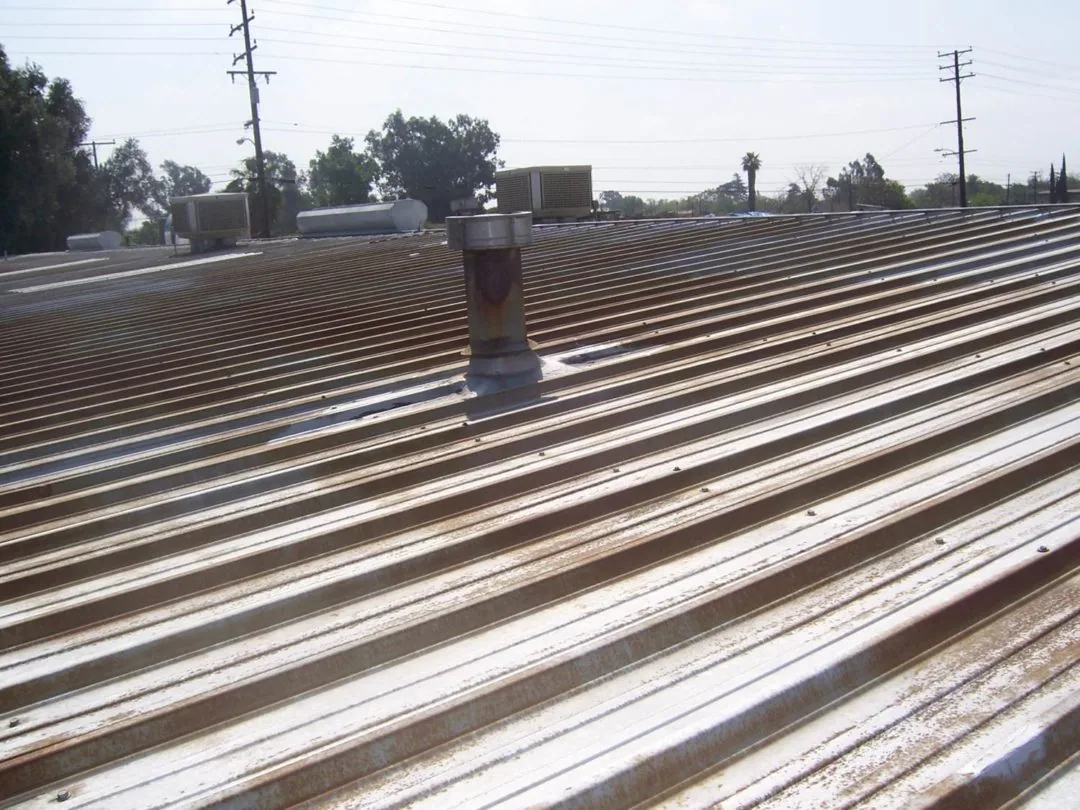
A small commercial building has a short roof but the walk follows the full order. We start at the perimeter and photograph edge metal, coping, corners and terminations. We cross the field and probe seams. We check each penetration and its flashing, record the drains and take moisture readings where stains or soft spots suggest them. Each finding has a location on the sketch, a photograph and a rating.
The recommendation separates what needs repair now, what can wait for a planned visit and what is only monitored. It names the failure point and the make-safe step already taken. It lists the decisions that belong to the owner and the date by which each is needed. For a small roof this is a few pages, and the owner can read it in a few minutes and decide.
The same record becomes the baseline. Next spring we walk the same positions and compare. A change in a seam or flashing is a finding, and no change is a note that the roof held. Either one helps the owner plan the next year.
How does the 2024 tornado record help a small-town owner?
The EF-2 tornado that crossed Temple on May 22, 2024 reached peak winds near 120 mph and damaged a range of businesses, restaurants and banks among them. Estimated straight-line winds of 80 to 90 mph covered Temple, and an EF-1 tornado started near Little River-Academy later that day. For an owner in Rogers, these events are regional context and not a finding about any roof in town.
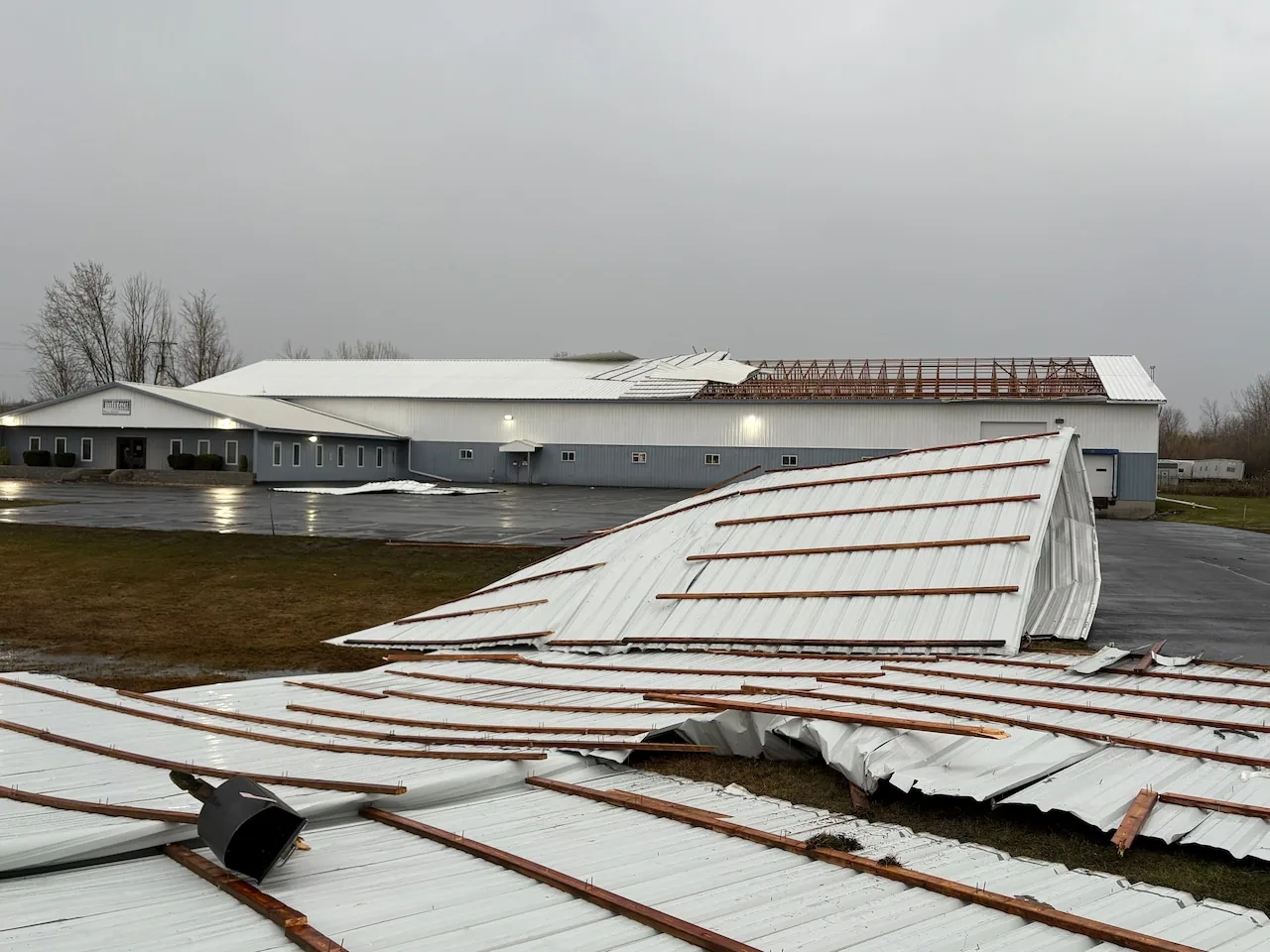
What they suggest is preparation. Edge metal, coping, rooftop equipment and light panels are the details that move first, so they are the first items on a pre-season walk. After a storm, the walk repeats, and the comparison between the two sets shows what changed. A wind damage record and a storm damage repair scope use the same photographs.
Can a Rogers roof be part of a wider portfolio?
Yes. An owner with buildings in Temple, Rogers and Bartlett can keep one register and one ranking. A roof asset management file lists each address, its system and its last walk, and the ranking uses exposure and consequence. Distance is a factor in sequencing, so work along US 190 can be grouped, with holding repairs done first and permanent items batched by area. A crew that is already on the road for one address can often handle a second without a separate trip, which keeps small jobs affordable.
What are the options, and what drives the cost?
The findings decide. Local defects with dry insulation call for repair. A sound membrane with worn surface may be coated. A base able to carry a second membrane may take a recover. Roofs with wide wet areas call for replacement. Area, system, insulation condition and access set the price, and each option in the recommendation names the finding that supports it.
Commercial Roofing Questions
Why do you not give an arrival time?
Because the route, the access and the weather decide it. We give a dispatch window once we know the address and conditions, and we spend the interval on the make-safe step.
What should I do inside while waiting?
Hold the water back, protect contents and photograph the stain with a date before anything moves. Do not go onto a wet roof.
How does road work affect scheduling?
It can shift delivery windows and crane picks. We confirm the route on the day, plan around lane or driveway conditions and note detours in the job file.
Is a holding repair necessary on a small roof?
When water is entering, yes. It protects the interior while the permanent scope is priced. It is logged with a recheck date.
Can a small-town roof get the same record as a large one?
Yes. The format is identical, and a small roof simply has a shorter page.
What decides whether I should replace or repair a small roof?
The moisture map and the defect count. Local defects over dry insulation are repaired. Widespread wet insulation or defects across several sections move the scope toward replacement, and the report prices both.