Roof Asset Management
One roof in a portfolio is already failing, and the asset manager does not know which one. That is the problem roof asset management solves, and it solves it before the phone rings. In Temple, TX the stress on a membrane is not subtle. August highs run near 95F and roughly 80 days each year pass 90F. Add a May 22, 2024 EF-2 tornado and straight-line winds of 80 to 90 mph, and a portfolio carries more exposure than a spreadsheet of install dates can describe. We replace that spreadsheet with a living intake record for each roof.
The record is plain. Each roof has a number, a photo set, a moisture reading, a list of failure points and a rank. When something changes, the record changes. When someone asks what the portfolio looks like today, the answer takes minutes.
What goes into the first record?
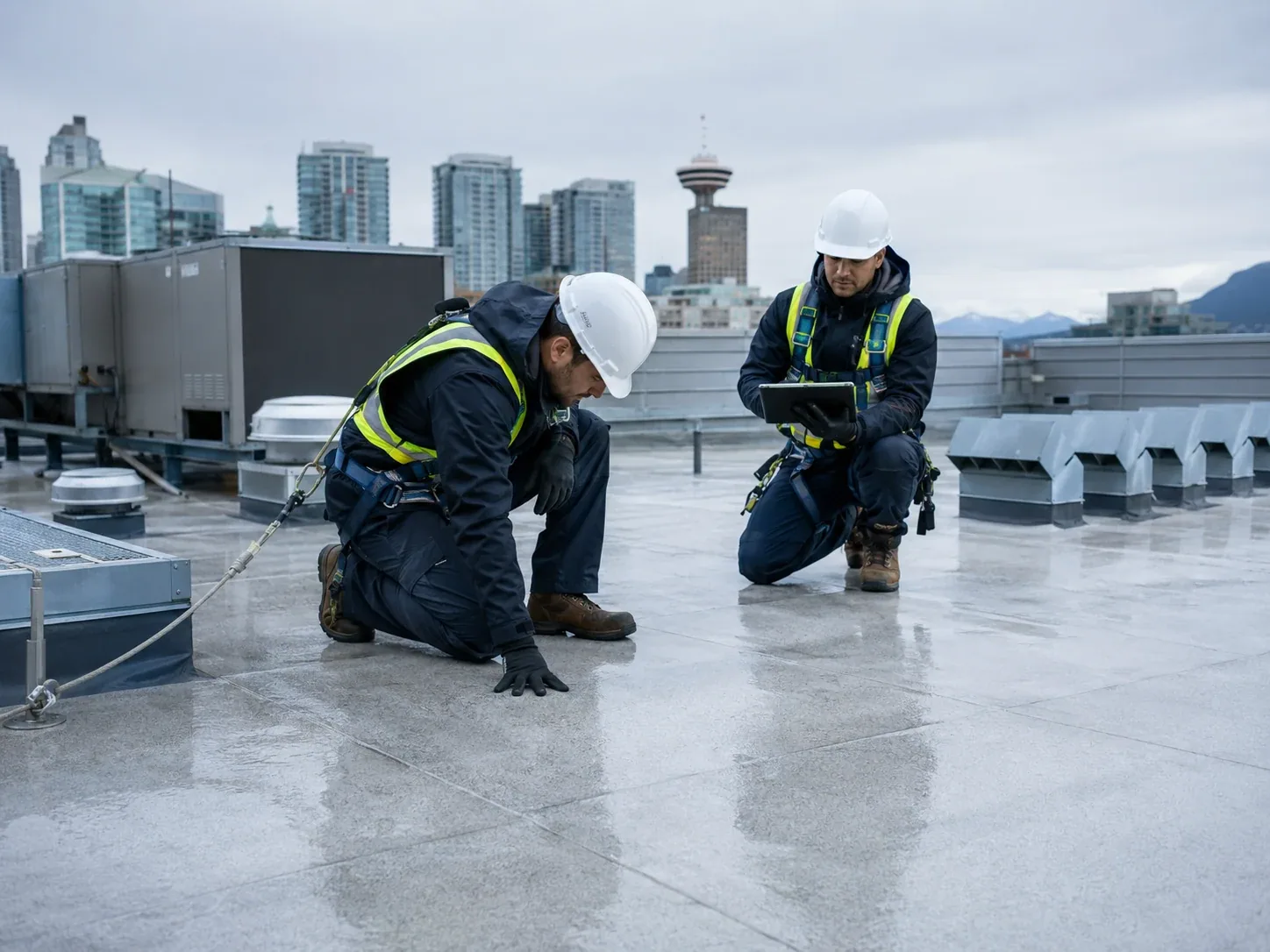
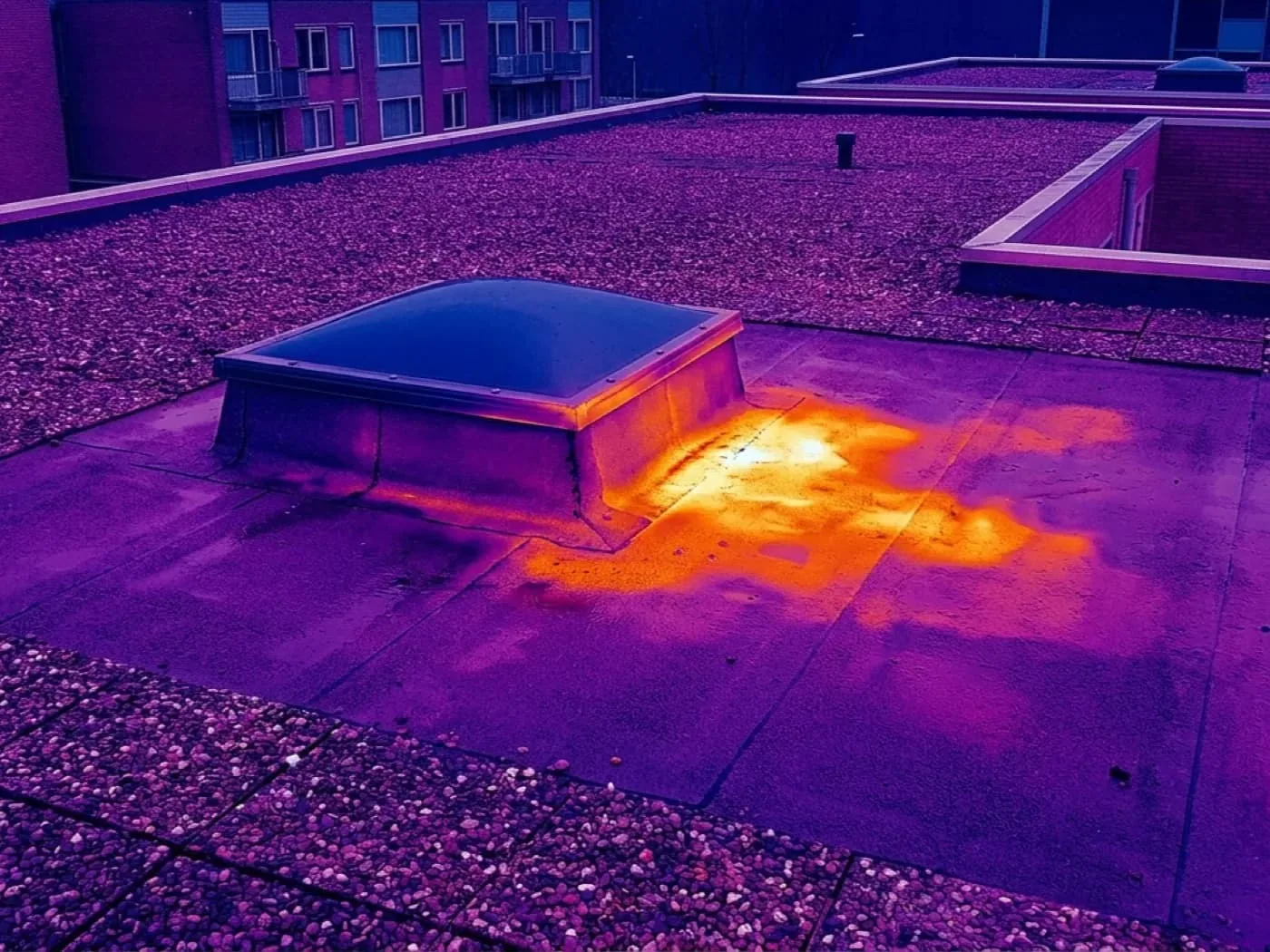
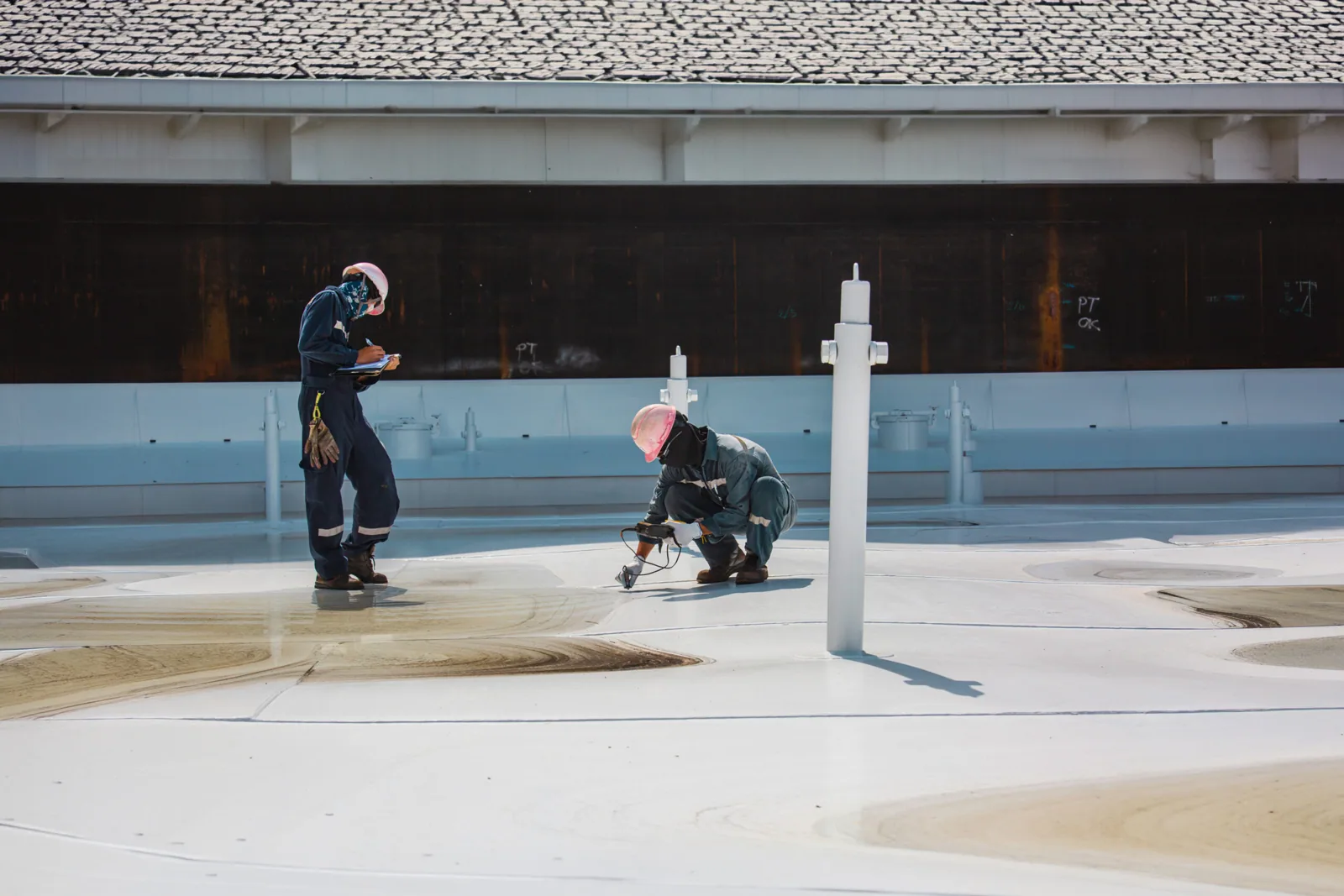
The first visit builds the baseline. We walk the membrane, seams, flashings, edge metal, penetrations and drains, and we photograph each with a location tag so the same angle can be repeated later. A commercial roof inspection supplies the surface findings, and an infrared moisture survey shows where water sits below the surface. Roofs that are slow or unsafe to walk receive a drone pass in addition.
The baseline also captures facts that never show up on a plan: where the roof hatch sits, who holds the key, which rooftop units share a curb, and whether the drains drop to an interior line or discharge over an edge. When a leak happens at night, those details decide how fast anyone can get to it.
Every roof also receives a short written summary of its drainage. We note the slope, the ponding marks, the number of drains and scuppers, and whether overflow scuppers exist at all. Drainage is where a Central Texas spring turns into a problem, since Temple's wettest month is May at 5.4 inches on average. A roof that holds water after a normal May will not behave better after a tornado-season downpour.
How are roofs ranked against each other?
A portfolio ranking is a sorted list, not a score for its own sake. We place each roof by two things: how likely it is to fail in the next season, and what a failure would cost the people inside. A distribution building holding packaged goods and a roof over a clinic corridor do not carry the same consequences, even if the membranes are the same age. Temple's stock leans toward healthcare campuses and distribution and rail-served industrial buildings, so a Temple portfolio often contains both kinds of risk.
The ranking also marks hold points. A hold point is a condition that is acceptable today and must be rechecked by a stated date: a seam that is tight but close to open, a coating that is thin but intact. The date goes in the record so it cannot slip away in a staff change.
When two roofs tie, the one with the more fragile contents or the more difficult tenant situation moves up. When a roof is scheduled for replacement within the year, we spend less on cosmetic repair and more on keeping water out until the crew arrives. The ranking is reviewed by the asset manager, who can overrule it for reasons we cannot see, such as a lease expiration or a sale in progress.
What changes after a storm?
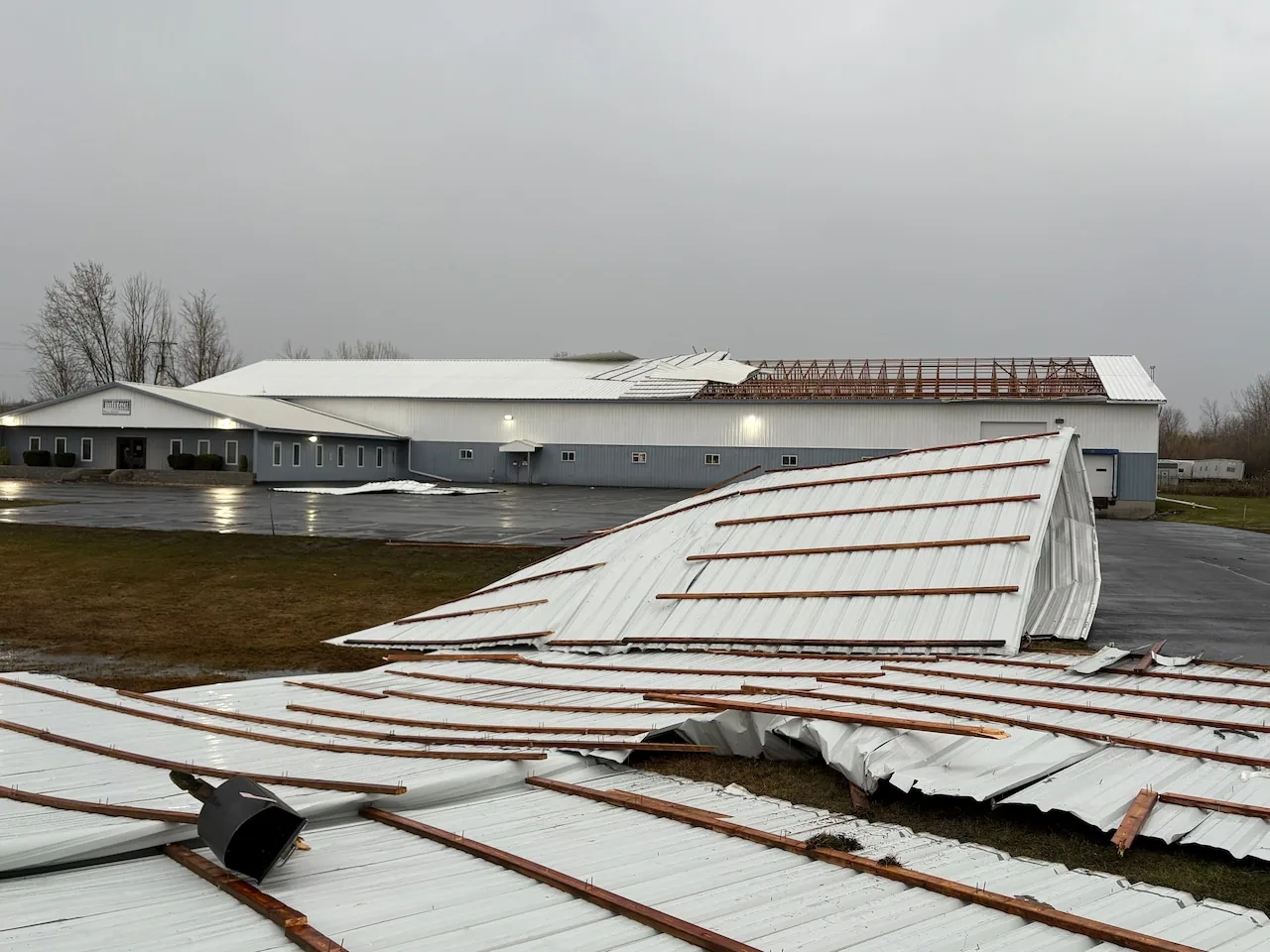
A storm turns the record into a comparison. The May 2024 tornado damaged restaurants, shops, banks and strip malls, and the wind that followed it was strong across the whole city. After an event like that, the roofs in the portfolio are visited in rank order. Those with open failure points get a make-safe step first, such as a tarp or temporary dry-in, documented before it is covered. The rest are checked against their baselines, edge by edge.
That comparison keeps old wear from being billed as storm loss, and it keeps real storm loss from being written off as wear. Owners who file a claim use the same photographs. Our storm damage repair work depends on this record, and so does any insurance claim documentation that follows.
How does it work across Temple's districts?
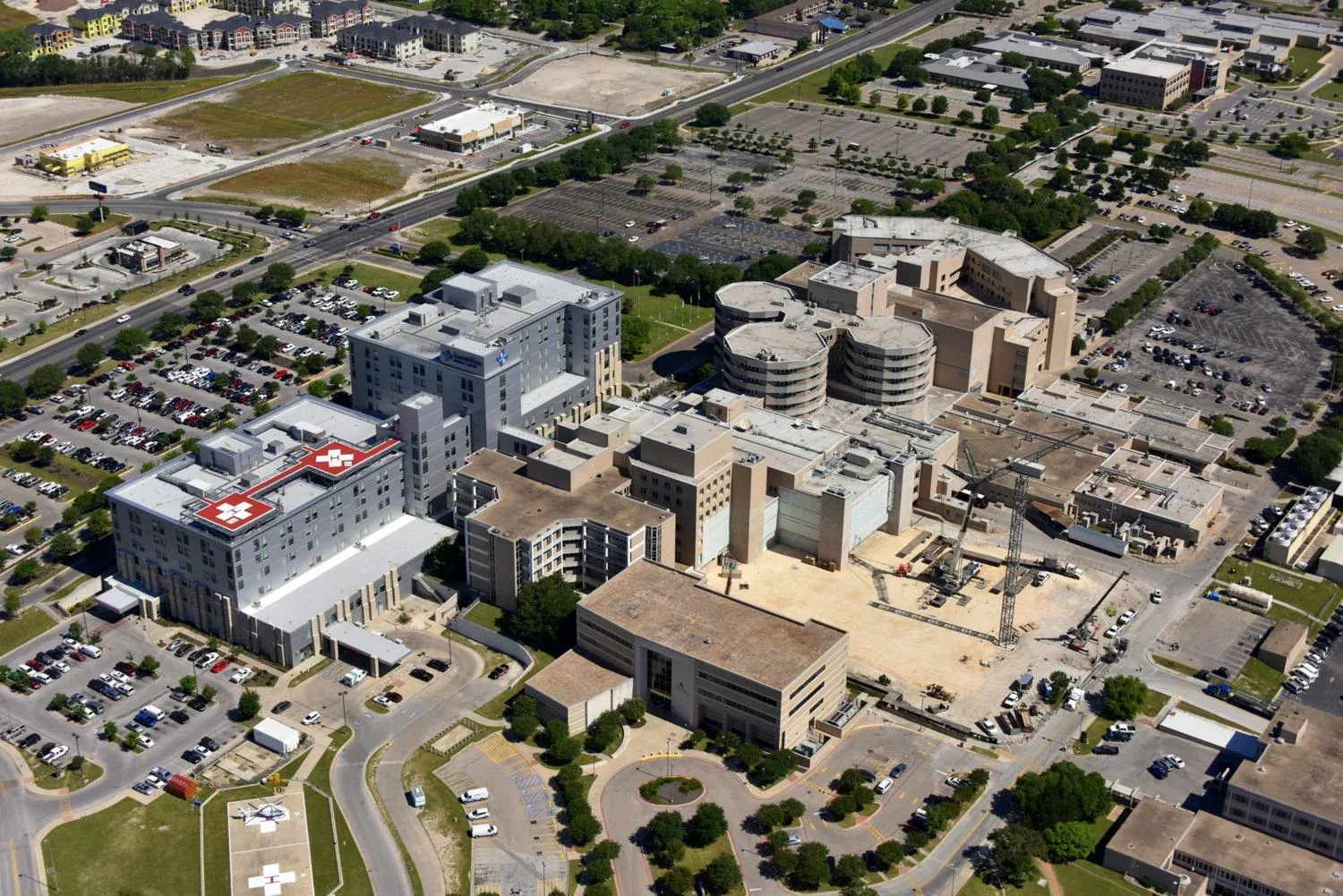
A portfolio rarely sits in one district. A manager may hold a building near the medical district, a flex building off Loop 363 and a retail property downtown. The Temple Medical and Education District carries Temple College, the Central Texas Veterans Health Care System campus and the Scott & White main campus within one area, so roofs there can be occupied around the clock and may need quiet work windows. The Loop 363 corridor is a practical way for an owner to cover several buildings in a single trip, so inspections can be sequenced along it.
What does it take to keep the record current?
Currency is cheaper than it sounds, because the baseline does the heavy lifting. A follow-up visit repeats the same photographs and the same moisture points, so the work is a comparison and not a fresh survey. The cost of a visit follows roof size, access difficulty, the number of rooftop units to work around and whether the building is occupied, not the number of pages in the file.
We recommend two touch points per roof each year, one before the heat of summer and one after the tornado and storm season has passed, and a third visit after any event that damaged neighboring buildings. Owners who prefer a lighter schedule can put their lowest-risk roofs on a single annual visit and keep the twice-yearly rhythm for the ones at the top of the ranking.
Between visits, tenants and on-site staff are the sensors. A ceiling stain, a drip at a unit curb or a smell of damp insulation goes into the intake record the day it is reported. That entry often points to the failure point before the next scheduled walk would have found it, and the dated note keeps the question of when the leak began from turning into an argument later.
What decision is left for the asset manager?
The record narrows the choice but does not make it. A manager still decides whether a roof gets a holding repair, a coating, a recover or a full replacement, and when. We lay out those options with the findings behind each. A capital plan turns the ranking into a multi-year schedule, and the condition report gives lenders and board members something readable. A multi-site program is the next step for owners who want one schedule, one format and one call-back window for every building.
Commercial Roofing Questions
How much of a portfolio has to be surveyed before the ranking is useful?
The roofs that carry the highest consequence matter most, so starting with those gives a usable ranking quickly. Healthcare, distribution and occupied retail buildings usually go first. Smaller or lower-risk roofs fill in over the following cycles.
Who owns the record once it is built?
The owner does. It is delivered as a set of dated documents with photographs and moisture maps, and it can be handed to a lender, buyer, insurer or next contractor without translation.
Does asset management replace routine maintenance?
No. It tells maintenance where to spend its time. A roof with a drain that clogs every spring gets a drain and scupper log and a scheduled visit, and the record notes each clearing. A roof on a heavy storm exposure may be visited more often, and a roof in good condition less often.
What happens when a roof shows a failure point between visits?
The call goes to a triage conversation: what failed, at which spot, and which other roofs carry the same detail. Then a make-safe step and a holding repair buy time while the permanent scope is priced.
How often is a portfolio re-ranked?
After every inspection cycle and after any storm that affected the area. Rankings are not left standing after a major event, since a roof can move from low to high risk in a single night.