Roof Condition Reports
A lender asks for a roof opinion on Friday, and the closing is Tuesday. Who writes it, and what does it say? A condition report answers that question before it is asked. It is a document, not a conversation: photographs tied to locations on a roof plan, moisture readings, a list of failure points and a recommendation for each. In Temple, TX the document has to deal with a hard summer and a reminder of what wind does to roofs: the EF-2 tornado of May 22, 2024.
The report is written so that a reader who never visits the roof can still decide what to do about it.
What is actually in the report?
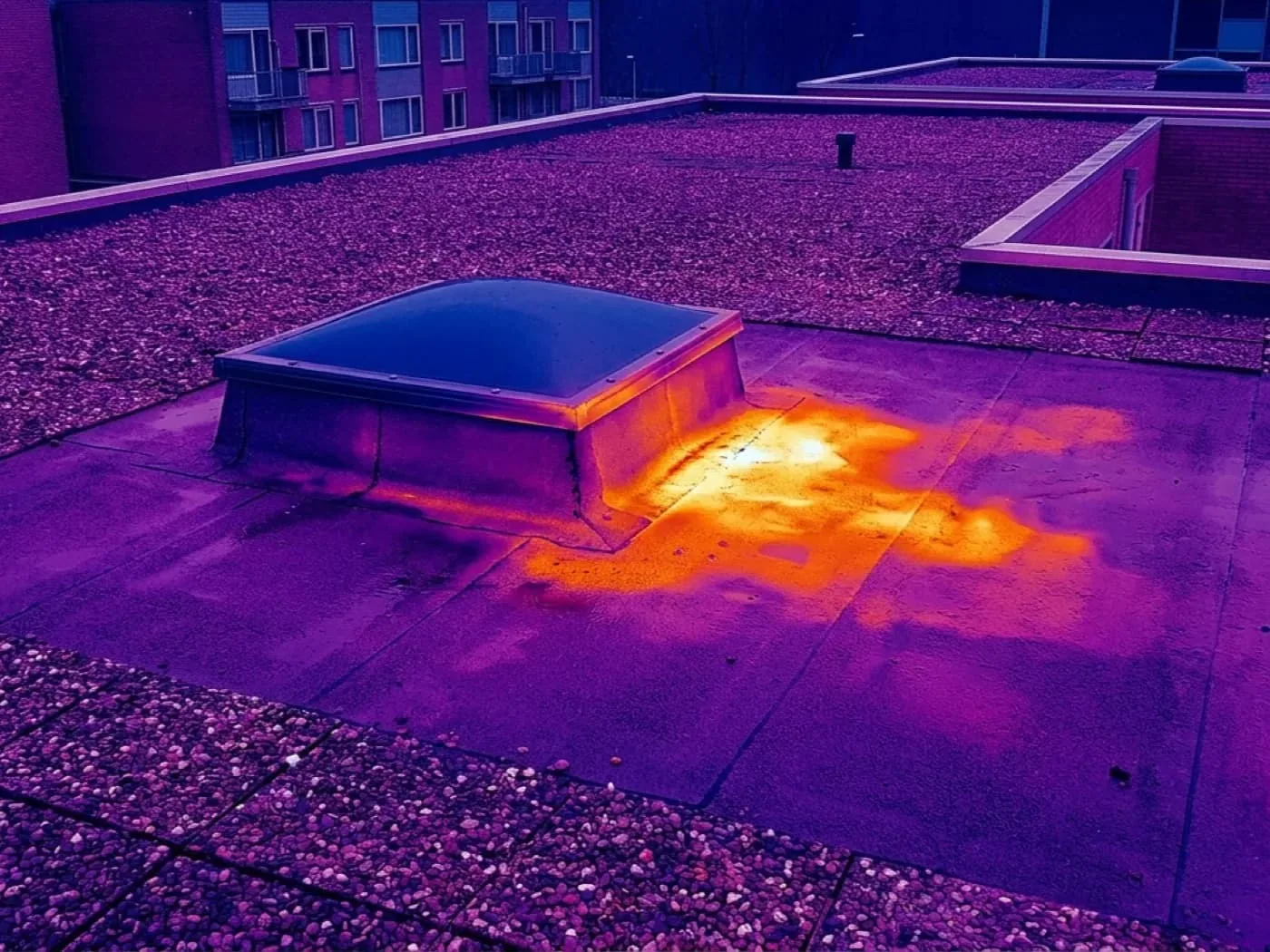
Each report opens with a one-page summary: the roof, its overall condition, the failure points that matter this year and the scope we recommend. Behind the summary sit numbered roof sections with photographs, each tagged to a location. Seams, laps, flashings, edge metal, penetrations, drains and scuppers each receive their own entries. If an infrared moisture survey was done, its map is part of the report, with probed readings marking the edges of wet areas.
The report also records what was not seen. A section covered by equipment or a section closed to access appears as an open item, not a blank. A reader who finds that line knows exactly where the uncertainty sits.
What does a useful photograph show?
A photograph earns its place by answering a question. The wide shot places the problem on the roof, so a reader knows whether the split seam sits near a drain or near an equipment curb. The close shot shows the defect itself, with something in frame for scale. A third image, taken from the same position on each later visit, makes change visible without a caption.
We avoid decorative photos. A page of generic roof views tells a lender nothing and wastes the time of the person who has to find the one image that matters. Each picture carries a roof section number, a date and a short line saying what to look at. Roofs that were wet at the time of the walk are noted as such, since glare and standing water can hide or exaggerate a condition.
How do ratings turn into decisions?
Every finding carries one of three ratings. Immediate means water is entering or will enter before the next visit. Planned means the condition is real but can be fixed in the next budget window. Monitor means it is acceptable now and will be rechecked by a stated date. The asset manager reads the summary and sees at once which line goes to a make-safe step, which goes in the capital plan and which sits as a hold point.
The ratings are not a score out of ten. A number invites arguments about the number, while a rating tied to a specific photograph invites a decision about the roof. When two findings interact, such as a failing seam over wet insulation, we state both and the order of repair.
One more rule keeps ratings honest: a finding is never downgraded to avoid a conversation. If a seam is open, it is rated immediate even when the interior is still dry, since dry on the day of the walk is not dry in the next heavy rain. May is Temple's wettest month at 5.4 inches on average, and a roof that came through April may still open up in May.
Who reads this report besides the owner?
Several people do. A lender wants to know whether a roof will need major spending during the loan term. A buyer wants the same thing, plus a sense of what the seller has deferred. An insurer wants to separate storm damage from older wear, and a board wants a readable picture of the building. The same report serves all of them, because each can find their question in the summary and their evidence in the photographs.
Tenants and operations teams read it too. A note that says a repair will take place over a weekend, with access through a particular stairwell, gives a facility manager what they need to protect inventory or reschedule a procedure.
What does Temple add to the findings?
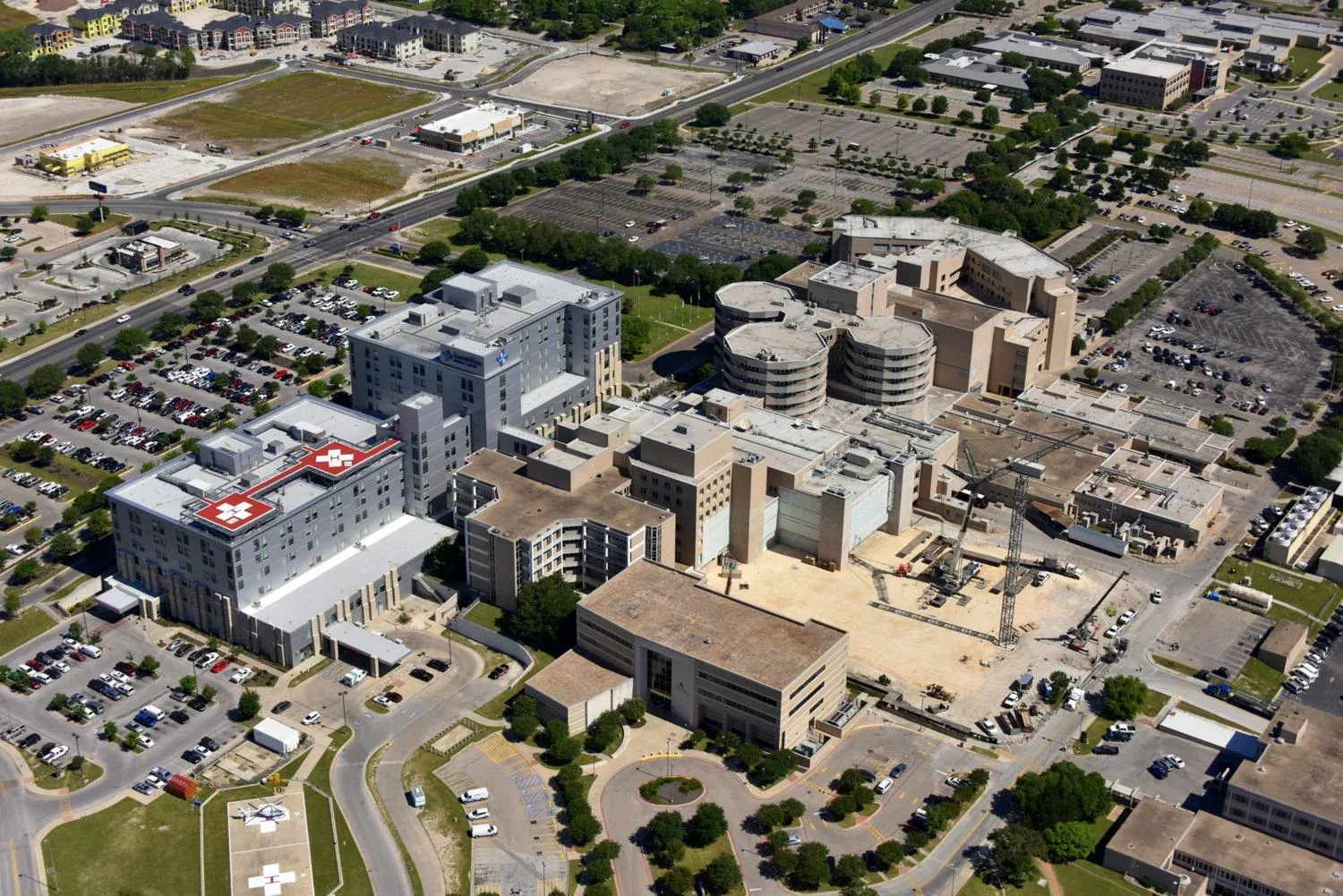
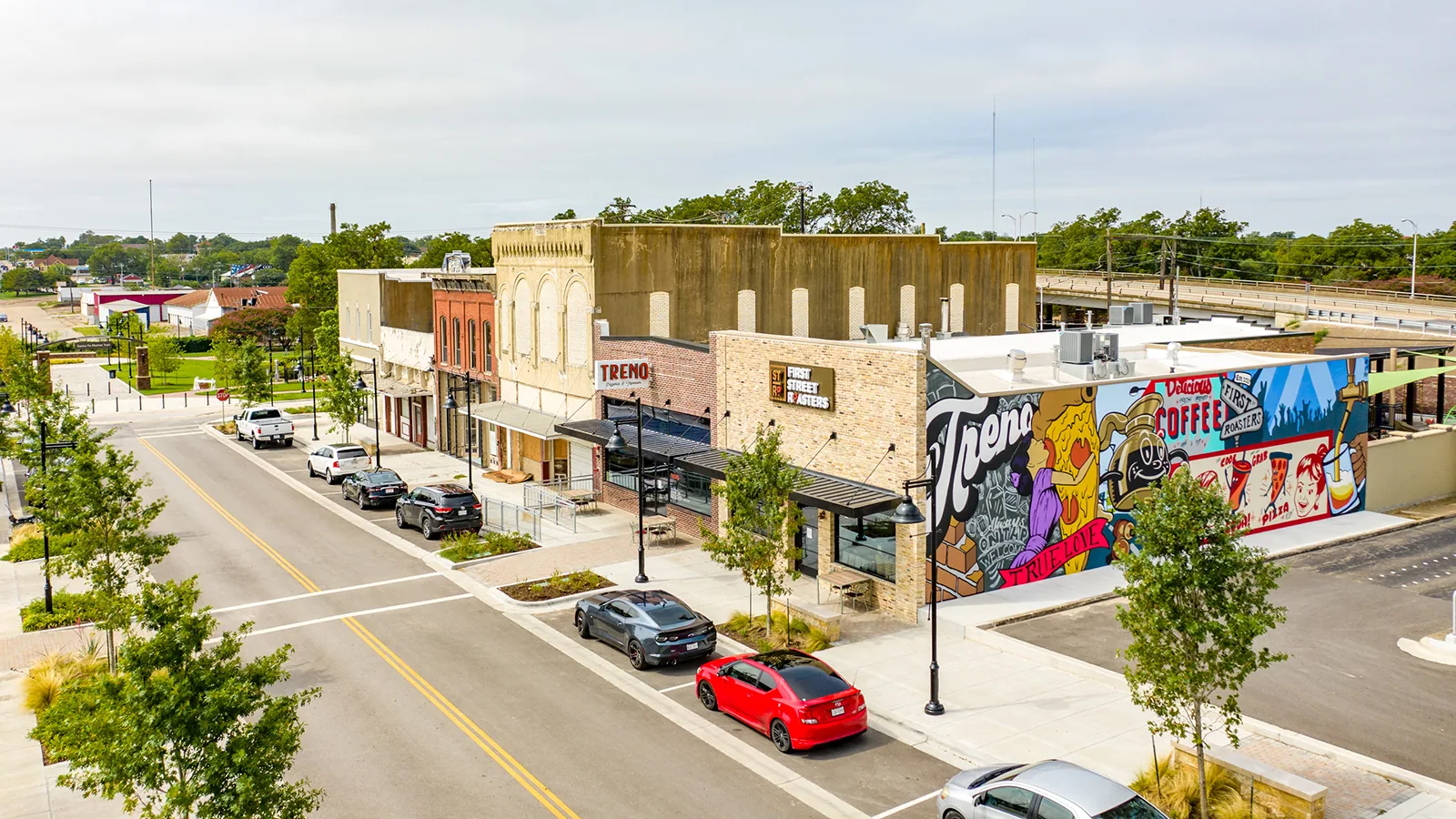
Temple's stock includes healthcare campuses, large distribution buildings and downtown historic commercial buildings, among them the Hawn Hotel, the Arcadia Theater and the Sears Building. Each puts different weight on the report. For the Temple Medical and Education District, the report pays attention to occupied interiors and quiet work windows. For the downtown Temple district, it pays attention to parapets, old flashing details and the way a historic building meets a new membrane. These are lenses for the inspection, not claims about any specific roof.
How does a report change after a storm?
A post-storm report does less describing and more comparing. We open the earlier report, repeat the photographs from the same places and mark what moved. The May 2024 storm damaged restaurants, shops, banks and strip malls in Temple, so a report written afterward focuses on edges, copings, rooftop equipment and anything a gust can lift.
Where the first hour demanded a make-safe step, the report records the tarp or dry-in, the condition under it when it went on, and the permanent work it defers. Keeping emergency stabilization separate from the permanent scope matters here, because an insurer and an owner each need to see the two kinds of work on different lines. The emergency repair entry stays distinct from the replacement or repair scope that comes later.
What happens after the report is delivered?
The report is the beginning of a record. Immediate items move into repair, planned items move into the capital plan, and monitored items get a date. A portfolio record collects reports from many buildings into one ranking. When a storm hits, the earlier report becomes the baseline, and the storm damage assessment compares against it.
Owners who file an insurance claim use the same photographs, which is why every image is dated and located. A report written months before a loss is stronger evidence than one written after it.
Two items always appear at the close of the report: the next recheck date for anything marked monitor, and the assumptions the report rests on. If the roof was walked in dry weather, or if a section was reached only by drone, the report says so in a sentence. That sentence is what keeps a later dispute short.
Commercial Roofing Questions
How long does a typical report take to produce after the roof is walked?
The time depends on roof size, the number of sections and whether a moisture survey was done. We confirm a delivery window when we schedule the walk, and rushed requests for a closing or a claim are discussed on the triage call.
Do you include a price in the report?
Scope lines identify the work needed for each finding, and cost drivers are named. Pricing for the permanent scope follows once the owner chooses which findings to address, since the answer changes with access, schedule and occupancy.
What if the roof has a warranty?
The report notes the system type, visible repair history and any documents the owner can supply. A warranty that requires maintenance depends on records, so the report is stored alongside the warranty paperwork.
Can the report be updated instead of rewritten?
Yes. A repeat visit revisits the same photograph locations and the same moisture points, then notes what changed. The update is shorter than the original and easier to compare.
Who sees the report?
Only the people the owner chooses. We deliver it to the owner or the property manager, who passes it to lenders, buyers or insurers as needed.