Troy
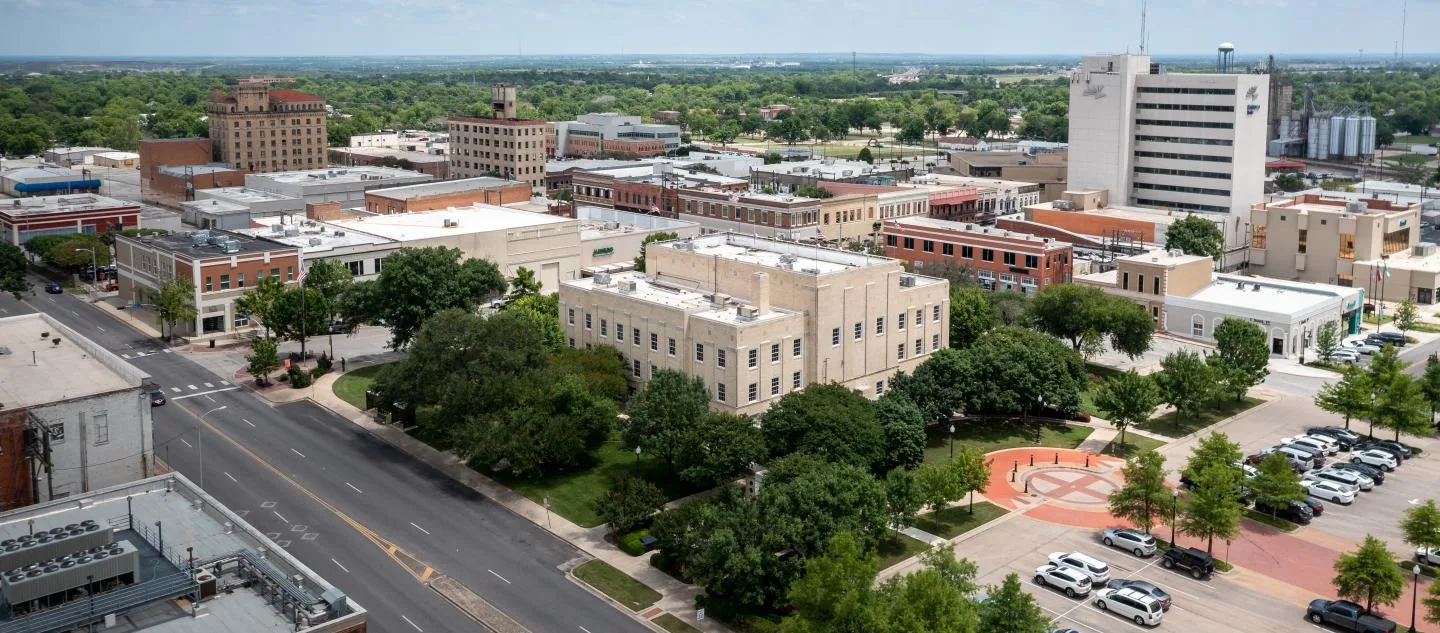
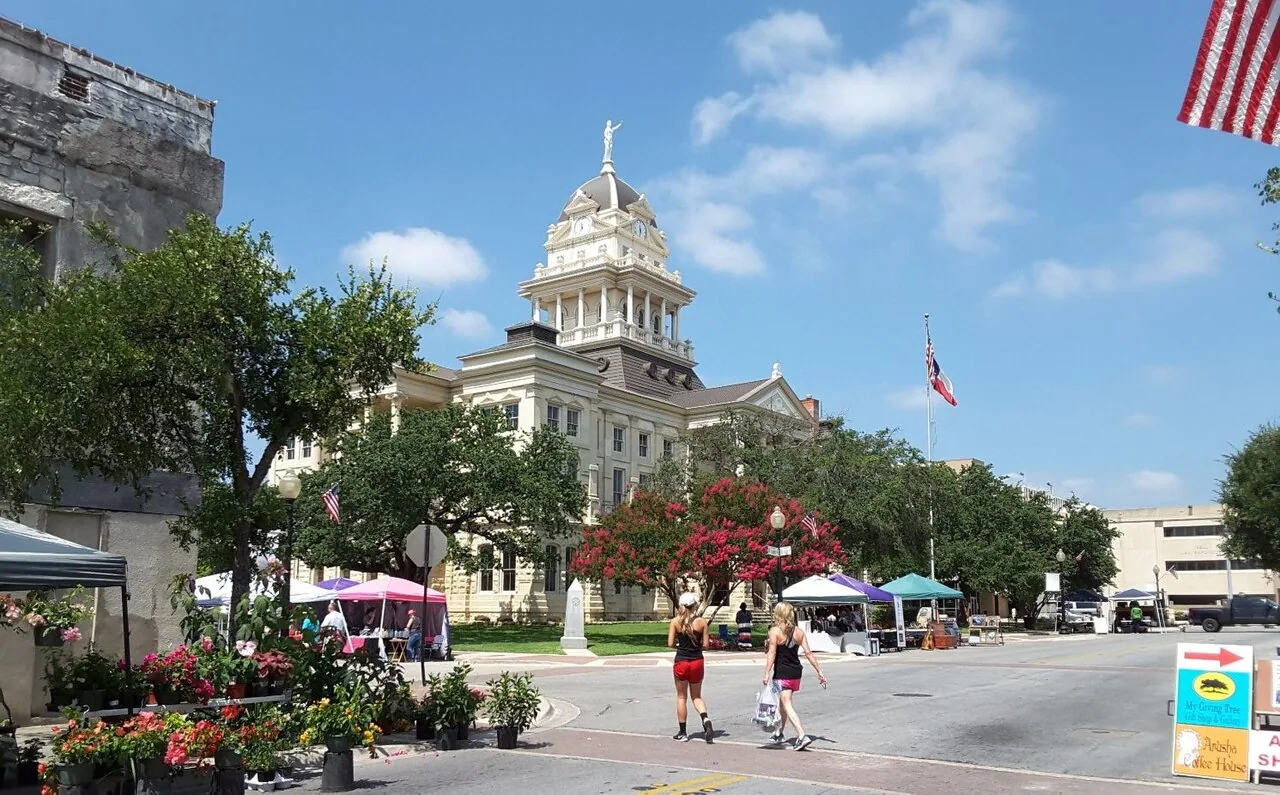
What can be decided from a phone and three photographs? Enough to start. In Troy, TX the first call about a roof leak can come from someone who is not on the roof, and the first useful move is to sort what has to happen tonight from what can wait for a walk. Troy had 2,375 residents at the 2020 census, up from 1,645 in 2010, Interstate 35 runs through it about 8 miles north of Temple, and it sits in northern Bell County within the Killeen-Temple-Fort Hood metropolitan area.
We run the call in a set order. Where is the water coming in? What is under it? Can it be contained inside? Can the opening be photographed from a safe position? The answers produce a make-safe plan, a dispatch window and an intake record, and they leave the permanent decision with the asset manager.
What happens on the first call?
We ask for the address, the building use, the roof type if known and the location of the leak. We ask about the weather when it started and whether the roof has been repaired before. We ask for photographs of the interior stain and, if it is safe, of the roof surface near the suspected entry point. Nobody should climb a wet roof to take a picture.
With that, we decide on a make-safe step. Where water is entering, the first job is to stop it with a tarp, a dry-in or a sealed patch chosen for the opening. If the interior needs protection, the caller is told how to contain the water and what to photograph before moving anything. We name a dispatch window after we have the address, the access and the forecast, and we promise no arrival time.
What changes when a town grows quickly?
Troy's population rose from 1,645 in 2010 to 2,375 in 2020, and growth of that kind can put newer construction near older buildings. The newer roofs face a different set of problems from the old ones. Seams, flashings and penetrations are still settling in, and early defects belong to the installer or warranty issuer, which makes the dates matter.
On a young roof we walk early, record the state of every detail and keep the file ready for a notice if one is needed. On an older roof we look for wear: chalking, sealant failure, shrinkage and open flashings. The walk decides which category a roof belongs to, and the record explains why.
How do you find out where the water went?
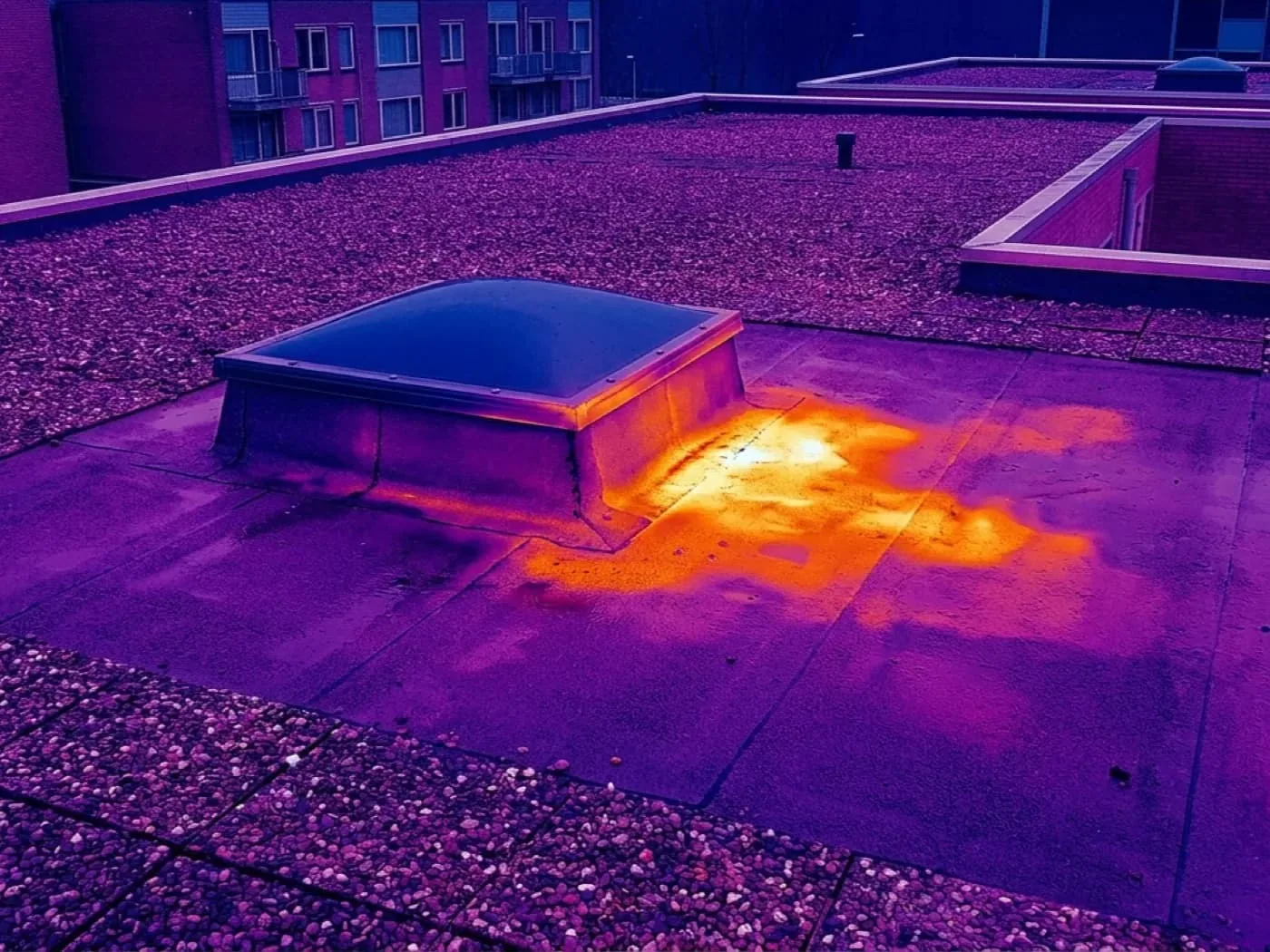
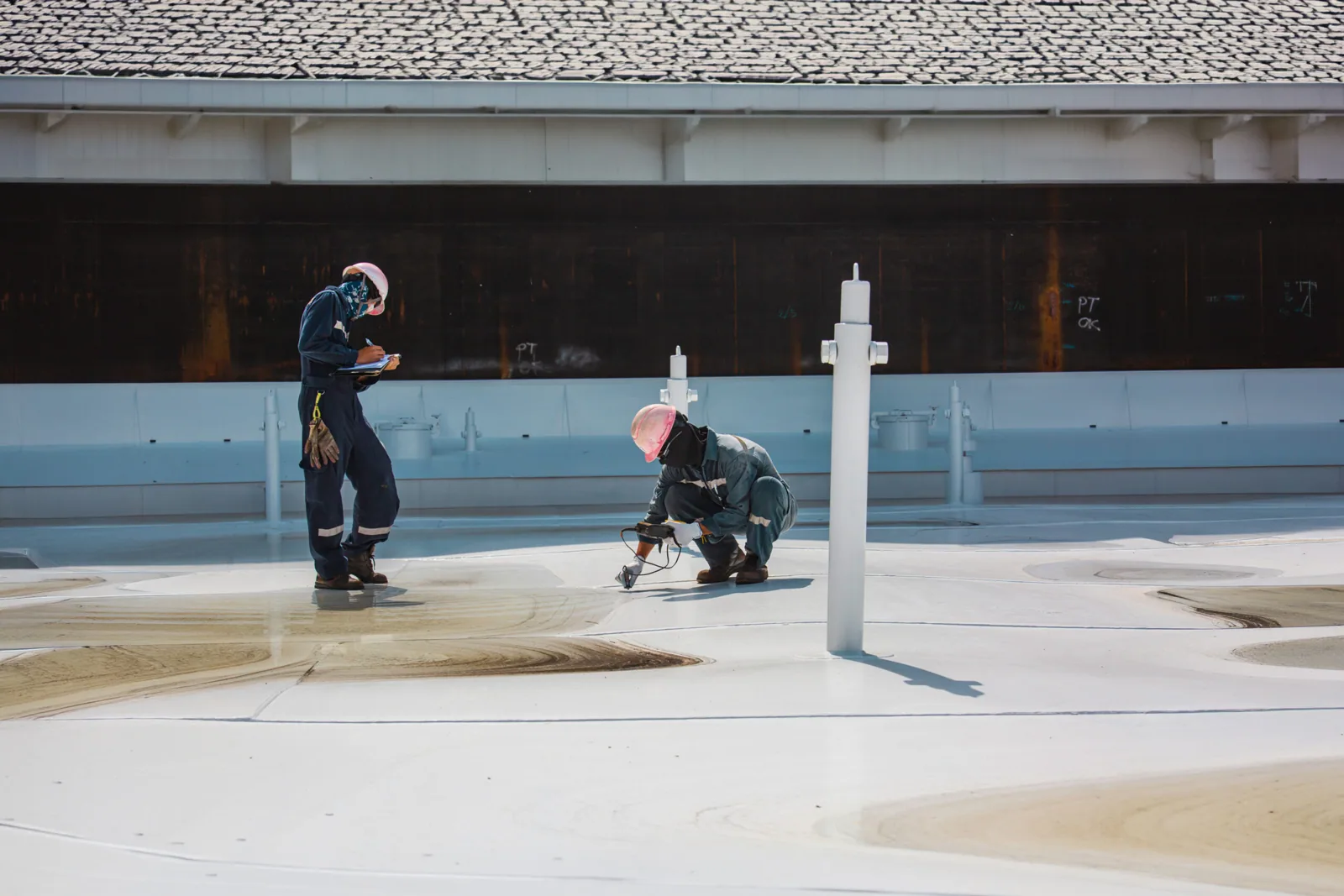
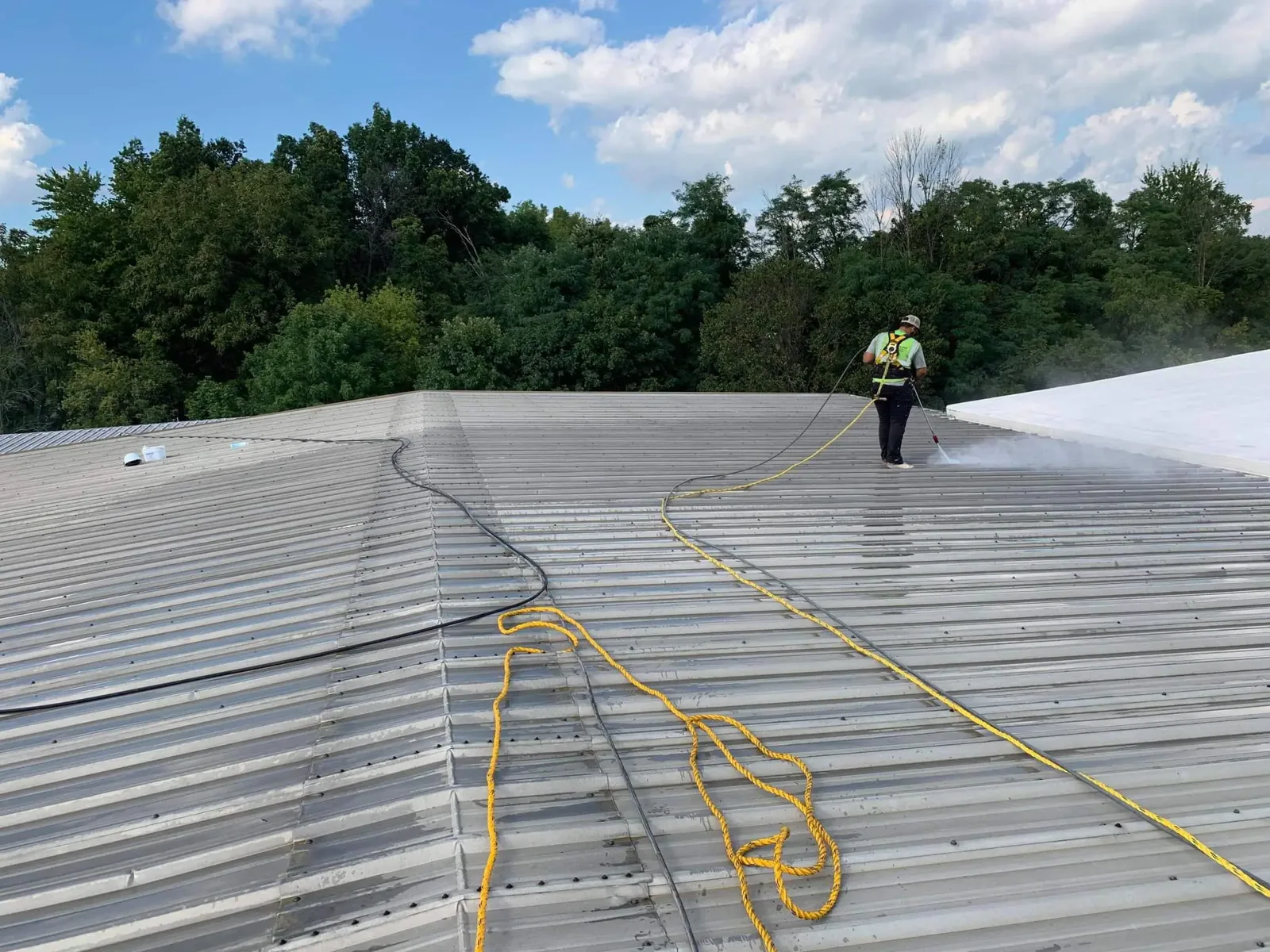
A stain on a ceiling is the end of a path. Water enters at one point, runs along the deck or between layers and drops somewhere else. On the roof walk we work backward from the stain. We probe the membrane above it, test the nearest seams and flashings, and take moisture readings in a grid around the suspected entry. If the roof is large or the history is long, an infrared pass shows wet insulation that the eye cannot.
The readings go on the sketch with their values. A wet area that follows a seam points to a seam. A wet area that lines up with a wall points to a flashing. A wet area that spreads across the field points to the insulation, and the conversation turns to a larger scope. The infrared moisture survey is the quickest way to draw that line without cutting the roof open.
The moisture map is also the evidence behind the holding repair. A holding repair that is placed on a dry area will hold. One placed on a wet area will not, and the map tells us which is which before the work begins.
What does a Central Texas summer ask of a roof?
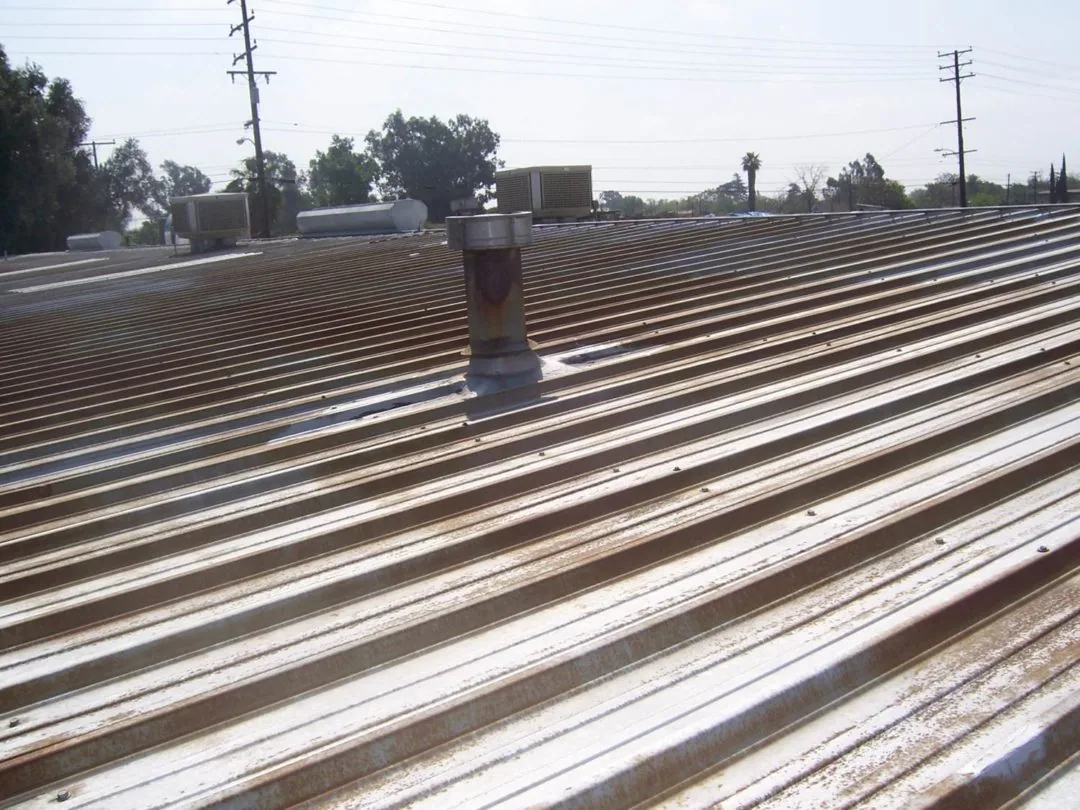
Summer is long in this part of Texas: Temple's normals put August highs near 95F and about 80 days of the year past 90F. A roof under that heat expands and relaxes daily, and the effect accumulates in sealants, seams and the surface itself. The first signs are small: a bead of sealant that has cracked, a seam edge that has lifted, a surface that chalks under the hand.
We photograph the same positions each spring and late summer. If nothing changed, the roof held and the file says so. If something did, the change is a finding with a location. The comparison costs little and gives the asset manager a rate of change, which is what a capital plan needs. A roof that changed quickly in one season is a different budget line from one that held for three.
Which decision belongs to the asset manager after a storm?
Temple was hit by an EF-2 tornado on May 22, 2024, with straight-line gusts around 80 to 90 mph estimated for the city. An EF-1 tornado formed near Little River-Academy that night. These are regional context for an owner in northern Bell County, and not a finding about any Troy roof.
After a storm, the sequence is fixed. Make the opening safe. Photograph it before anything is covered. Set a holding repair. Rank the rest of the portfolio by exposure. The permanent scope, including whether to file a claim, belongs to the asset manager. A claim documentation file uses the same photographs, and the wind damage record follows the same order.
How does distance from Temple change the plan?
Troy is about 8 miles north of Temple along Interstate 35, so a crew can reach it from the Temple side without a long haul. We still confirm the day's route, the delivery window and the laydown area, since interstate traffic can change the schedule, and we note any detour in the job file. Work in Temple and Belton can often be combined with a Troy visit when the timing fits.
What are the options, and what drives the cost?
The findings decide. Local defects over dry insulation call for a repair. A sound membrane with worn surface may be coated. Where the base can carry a second membrane, a recover may do. Wide wet areas call for replacement. Price tracks area, system, insulation condition and access, and each option in the recommendation carries its supporting finding.
Commercial Roofing Questions
Can you diagnose a leak from photographs?
We can narrow it and decide on a make-safe step. The cause is confirmed on a roof walk, with probes and moisture readings. The photographs help us plan what to bring.
What should I do inside the building while waiting for a roof visit?
Keep the water contained, protect what is inside and date a photograph of the stain before anything is moved. Do not climb a wet roof to look.
How can I tell whether a defect on a newer roof belongs to the installer?
By its timing and its pattern. Early defects in a line often point to workmanship. We record them with dated photographs so the owner can give notice inside the warranty period.
Does a growing town change how roofs should be maintained?
It changes the mix of roof ages. Newer roofs need early walks to catch workmanship issues, and older roofs need wear checks.
Do you promise a visit time?
No. A window follows once address, access and forecast are clear, and the opening is made safe first.
Why does the moisture map come before the holding repair?
A holding repair placed on a dry area will hold, and one placed on wet insulation will not. The map shows which areas are which, so the repair goes where it can work.