Fire Damage Roof Repair
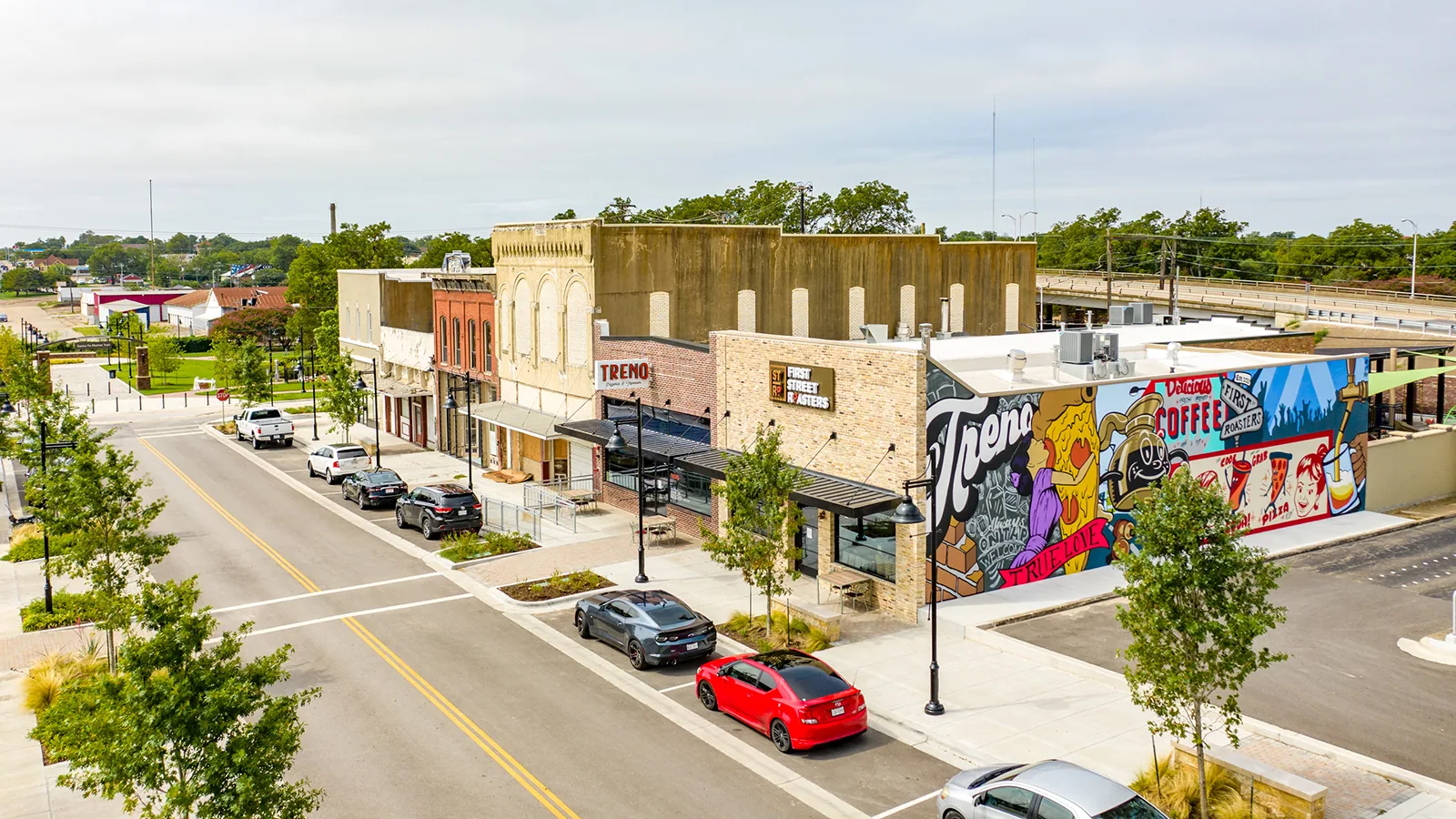
Is the roof safe to walk, and what did the water from the fire do after the fire was out? On a commercial building in Temple, TX, fire damage to a roof has two parts. The first is the burn itself: char, melted membrane, buckled deck and damaged supports. The second is the water used to put the fire out, which soaks insulation, runs into the deck and keeps working long after the visible damage is gone. The first decision belongs to the owner or the fire marshal, and it is whether anyone should be on the roof at all. Temple's building stock includes healthcare campuses, very large distribution buildings and downtown historic commercial buildings, and each presents a different fire-damage problem: a hospital campus such as those in the Temple Medical and Education District cannot close, a warehouse holds goods that burn and a historic building may carry old timber below its roof.
We keep the steps separate. A safe assessment comes first, often from a lift or a drone. The make-safe step is a temporary dry-in over the open area. The intake record documents everything before it is covered. The permanent scope follows once the structure is cleared and a moisture survey has drawn the wet area.
What Happens in the First Hour After a Fire?
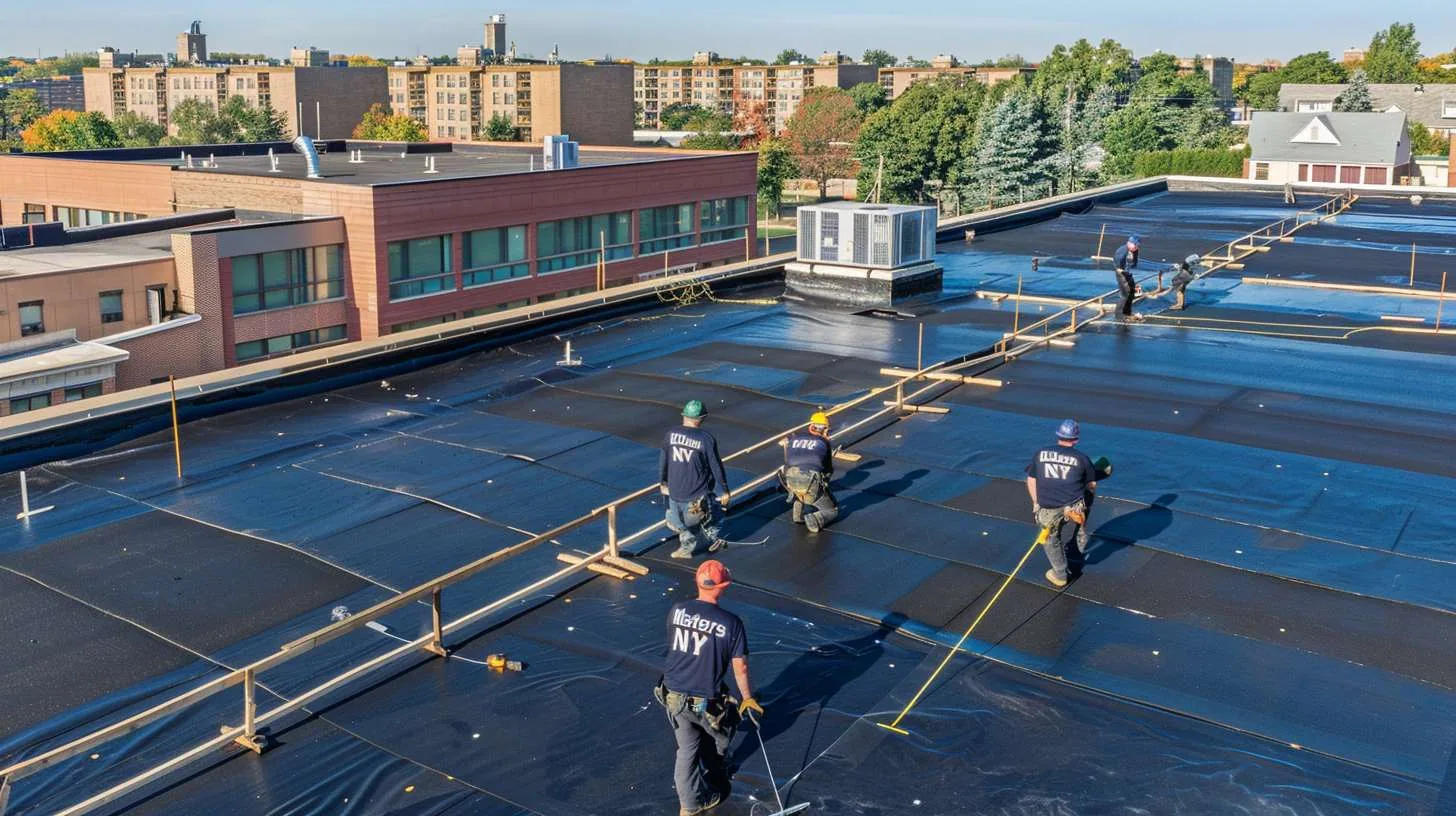
Nothing happens on the roof until the building is released. When it is, we ask who has cleared access, whether a structural engineer has looked at the deck and where the fire crews cut openings. A drone pass and a view from a lift show the extent of the burn without loading a weakened surface. If an opening is large, a crew installs a temporary cover from a safe position and photographs everything before and after. If the deck is compromised, no one walks it until it is shored or cleared.
The note to the owner names what was seen, the step taken and what remains at risk. It is written so it can go to an insurer the same day.
Fire crews often cut ventilation openings in a roof to release heat and smoke. Those cuts are deliberate, and they are part of the damage the owner must repair. We photograph each opening, measure it and note whether the cut reaches the deck. A cut in a membrane over insulation can be sealed with a temporary patch, while a cut through a deck needs shoring and a cover. The record states which of the openings were made by fire crews and which by the fire itself, since the distinction matters to the insurer.
What Does Smoke and Heat Do That the Eye Misses?
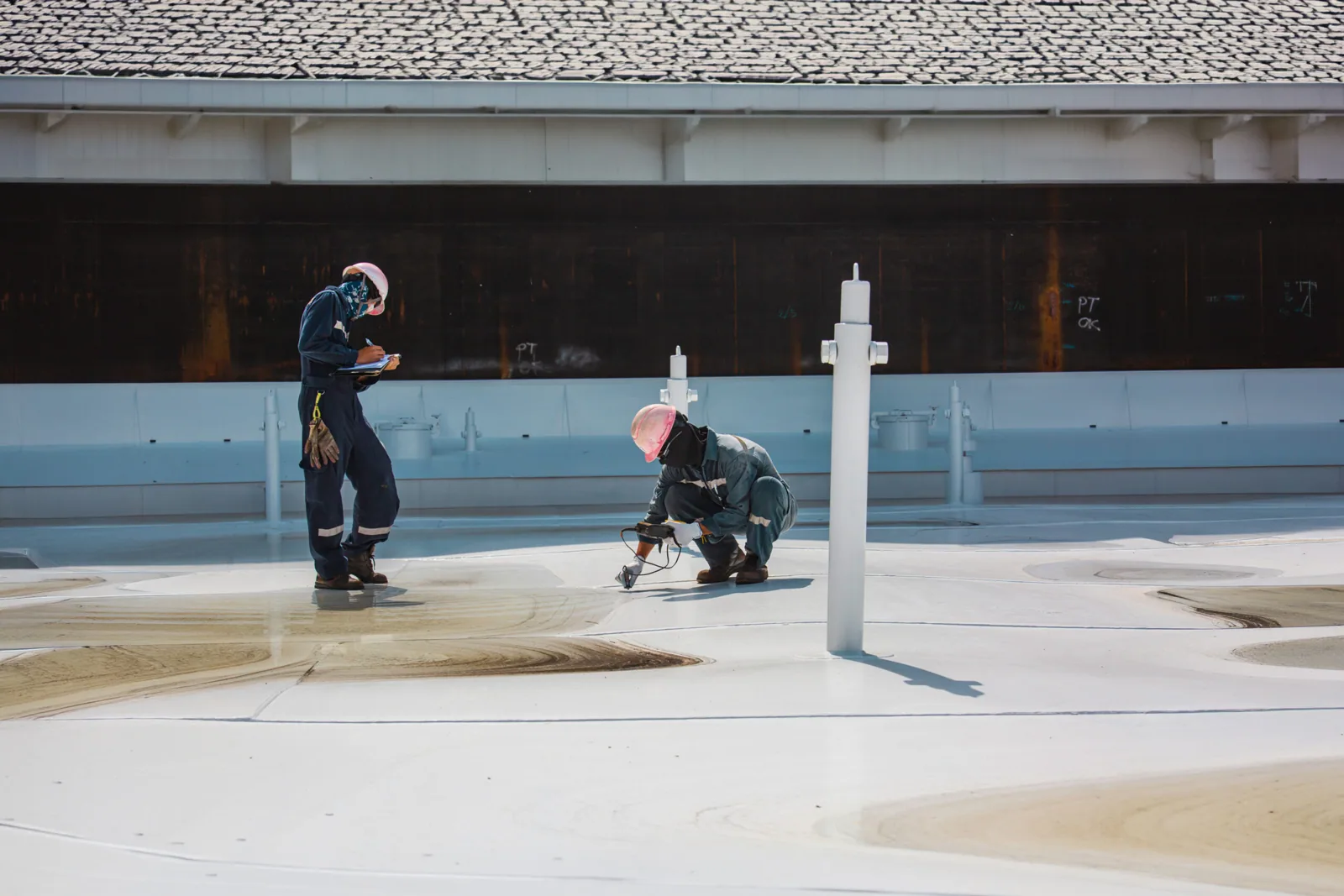
Heat that does not burn a membrane can still shrink it, distort it or break its bond with the insulation below. Smoke leaves residue that attacks sealants and corrodes metal. Fire-fighting water soaks insulation and runs under flashing. A roof that looks sound from the ground can hold wet insulation across a wide area. We probe, we read moisture and we examine metal for warping and discoloration. Rooftop units near the fire may have damaged curbs, and electrical conduit may have lost its insulation. The record lists each, and a damaged curb or boot is recorded as a flashing failure with its own repair line. Electrical damage deserves its own caution: conduit with a melted jacket, a unit with scorched wiring and a disconnect that was exposed to heat. We do not touch electrical equipment and we flag it for the owner's electrician before any work resumes near it.
Metal roofs need a different eye. Heat can anneal steel, shift panels and burn off coatings, and a roof that looks straight may have lost strength. Paint and coating discoloration marks the heat pattern. Fasteners can loosen as panels expand and cool. A structural engineer is consulted when the evidence suggests more than surface damage, and the engineer's findings go into the scope.
Why Run a Moisture Survey After a Fire?
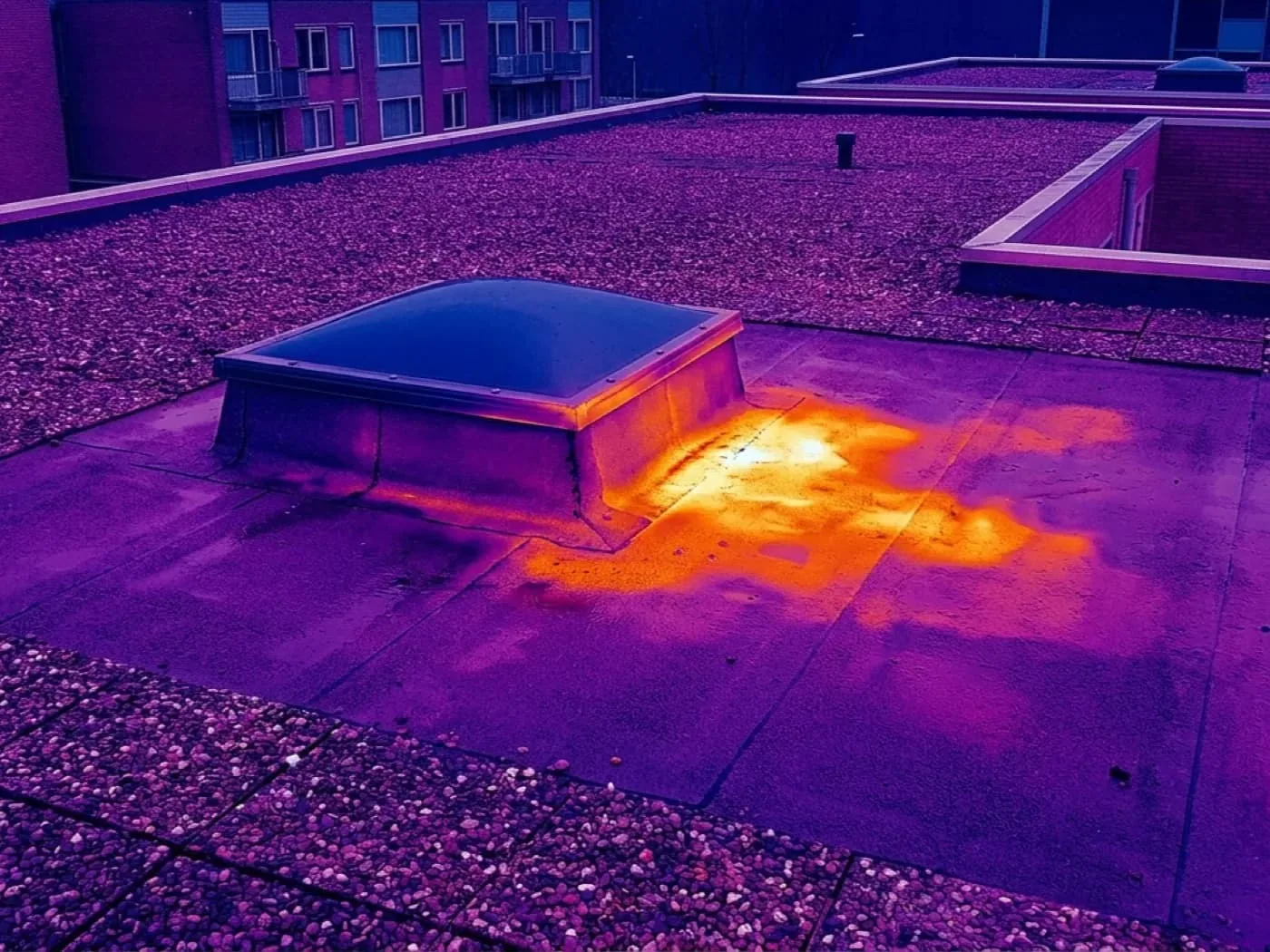
Water from fire hoses reaches places the fire did not. An infrared moisture survey, confirmed with probes, draws the wet boundary. The permanent scope removes insulation inside that boundary and keeps what is dry. Without the survey, an owner may pay to replace areas that are sound or leave wet insulation that will mold. A second survey after the repair proves the area is dry.
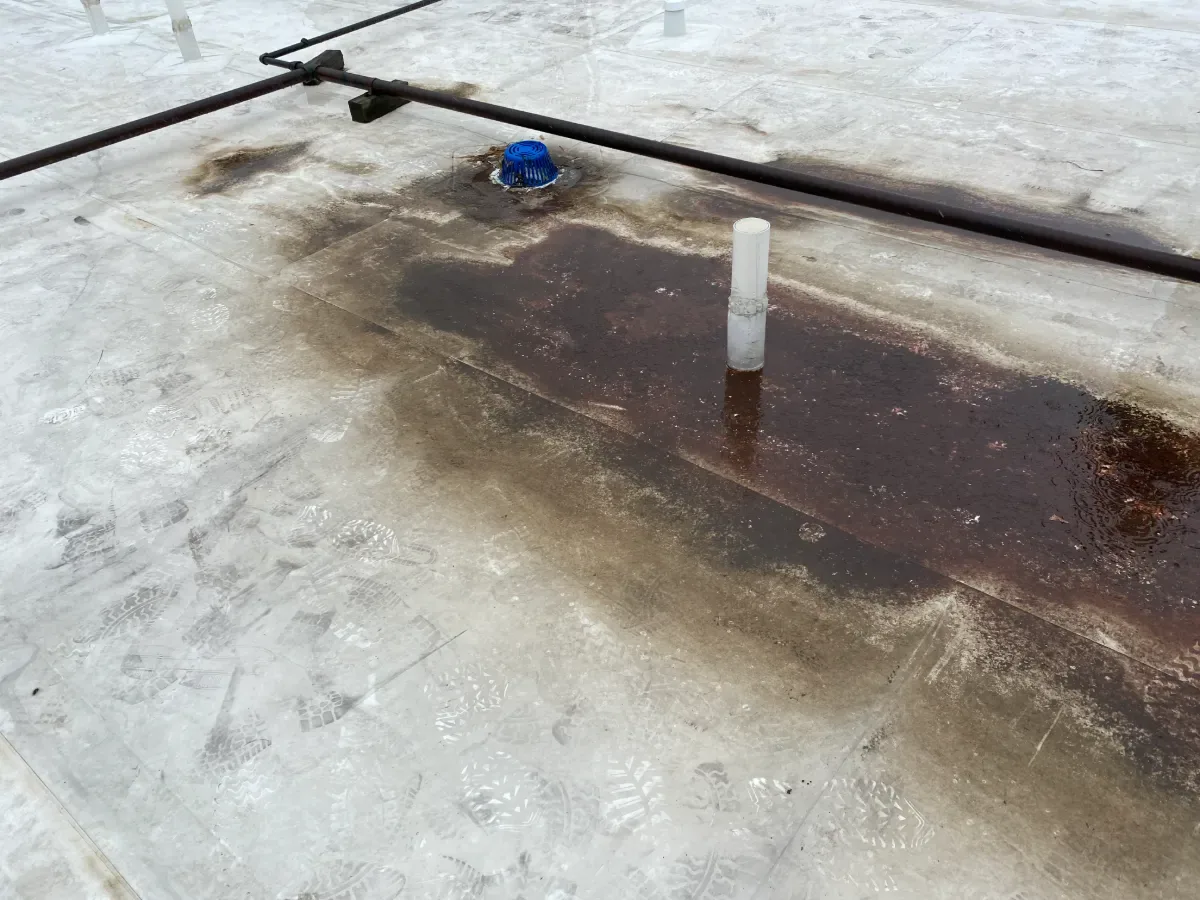
In Downtown Temple, street closures and adjacent structures may limit where a lift can stand, and the plan notes the limits. Water that sat on the roof after the fire is also checked for ponding, and a ponding water finding in a burned area may point to deck movement. The survey is not a substitute for a structural opinion. If the readings show wet insulation over a deck that also shows char, the scope separates the insulation work from the deck work and sequences them so that the deck is cleared by the engineer before any new layer is installed.
Which Local Conditions Matter After a Fire?
Rainfall near 39 inches a year, peaking in May, means a roof left open in spring needs a temporary cover that withstands storms. Summer heat matters as well: with August near 95 F and some eighty days a year past 90 F, a dry-in has to survive sun, and some tarps degrade quickly in it. The May 22, 2024 tornado showed that wind can arrive suddenly, so temporary covers are weighted and fastened for gusts. We also keep the cover clear of fire-damaged areas that may still be hot or unstable, and the cover edges are lapped onto sound surfaces. The cover design is sketched, the fastener pattern is noted and the photographs show the cover in place, so an insurer can see what was installed and why.
What Does a Holding Repair Buy After a Fire?
While the insurer and the owner decide what to rebuild, a holding repair keeps the building dry, and each step of that emergency roof repair goes into the file with a photograph. It might be a temporary membrane over the burned area, a tarp system or a metal cover. It is documented separately from the permanent work, with dates for recheck. It buys weeks, not years, and the record says so, with a date on which the cover will be rechecked and a note about what to watch for in the interim. If a storm is forecast, the crew rechecks the cover and adds restraint.
What Does the Permanent Scope Include?
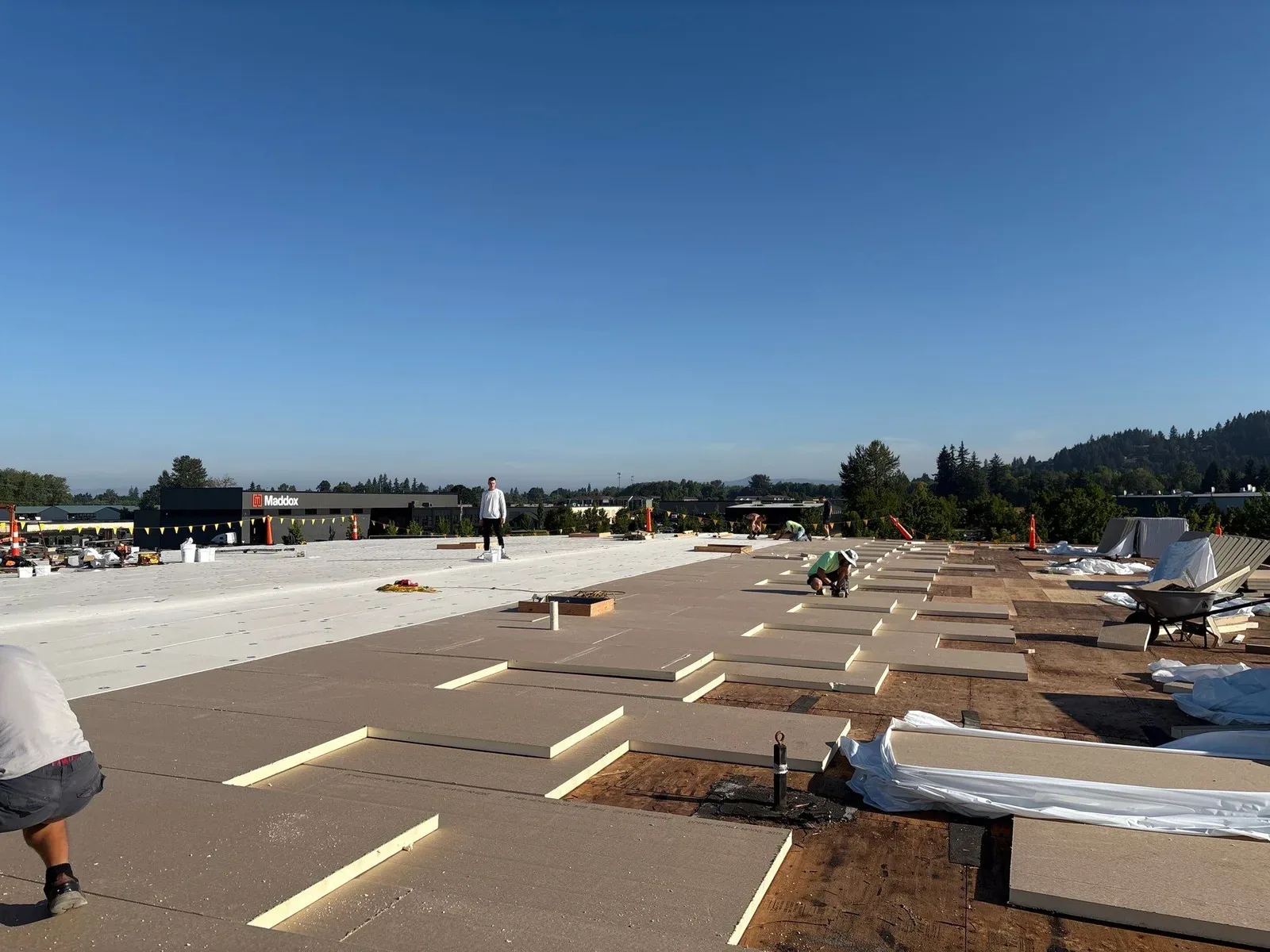
The scope lists each damaged area, the deck repair, the replacement of insulation and membrane, flashing, curbs and equipment supports. It identifies items tied to the event and items tied to age or code. Texas applies the International Building Code in cities, and Temple's Building Department confirms the edition in force during plan review, so the permit path is settled early, and the repair of a fire-damaged roof is submitted with the engineer's letter where one is required. A claim documentation package and a wind damage repair estimate may run alongside, if wind accompanied the event.
Commercial Roofing Questions
Who decides whether the roof is safe?
The owner, the fire authority and, where needed, a structural engineer. We do not send anyone onto a roof that has not been cleared.
How is fire damage separated from age?
By char, heat distortion and soot patterns, which are distinct from chalking, shrinkage and ordinary wear.
Can a roof be saved after a fire?
Sometimes. If the deck is sound and the damage is local, a repair may be enough. A survey and an engineer's opinion decide.
What does the insurer need first?
Dated photographs, a description of the make-safe step and moisture readings. The scope follows.
What is the next decision for the owner?
Whether to hold, repair or replace, and in what phases. The record and survey support each option.